Mondaufgang in der Praterau — History & Analysis
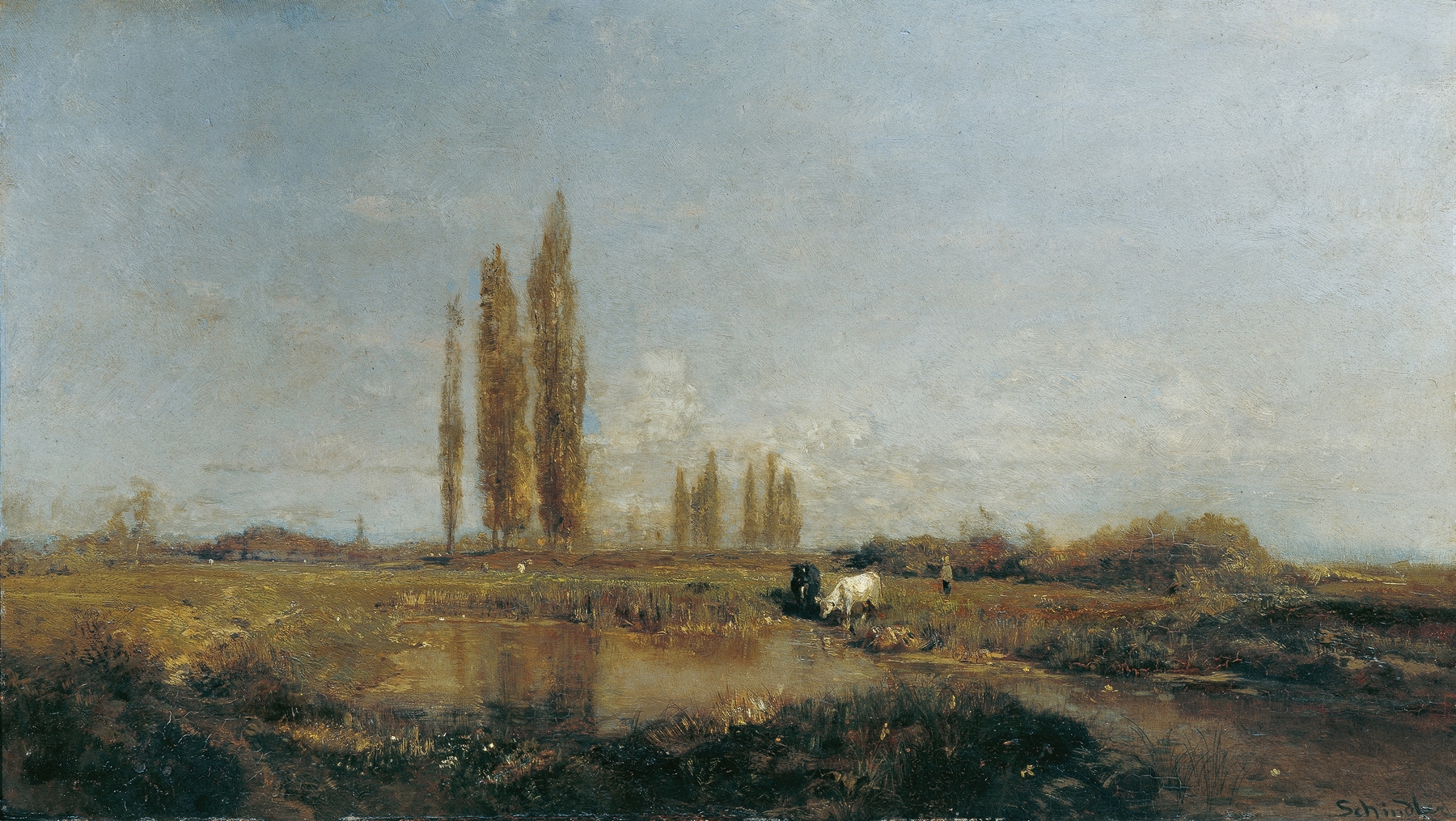
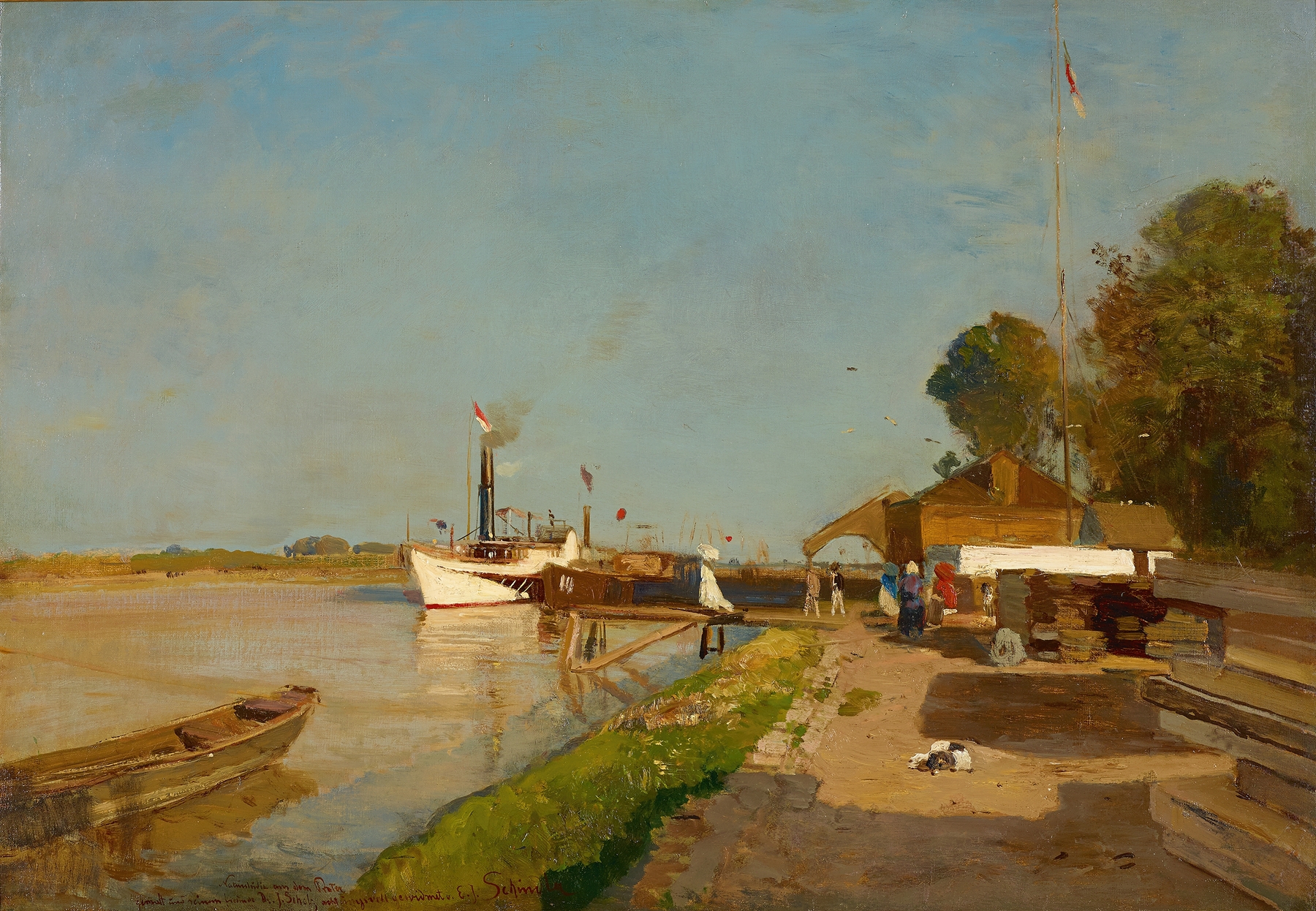
What if beauty was never meant to be finished? In Mondaufgang in der Praterau, the quiet night whispers a longing that lingers, echoing through the stillness of the landscape. Look to the left at the serene silhouette of trees, their dark forms rising sharply against the shimmering light of the rising moon. Notice how the soft glow spills across the river's surface, glinting like scattered jewels that beckon to be touched.
The palette of cool blues and silvery whites creates a tranquil atmosphere, while delicate brushstrokes convey the gentle ripple of the water and the subtle shift of light as day surrenders to night. Beneath this tranquil façade lies a deeper tension between the ethereal beauty of nature and the inevitability of its transience. The moonlight, bright yet fleeting, suggests a moment caught between reality and the dreamlike, evoking feelings of nostalgia and wistful yearning. The scene captures a longing not just for the moment itself, but for the fleeting beauty of existence—an invitation to reflect on our own impermanence.
Emil Jakob Schindler painted this work between 1877 and 1878, during a time when he was deeply engaged with the Austrian landscape and the burgeoning movement toward Impressionism. Living in Vienna, Schindler was influenced by both Romanticism and the emerging modern art movements, as he sought to express the natural beauty of his surroundings in innovative ways. This painting stands as a testament to his exploration of light and atmosphere, marking a significant period in his artistic development.