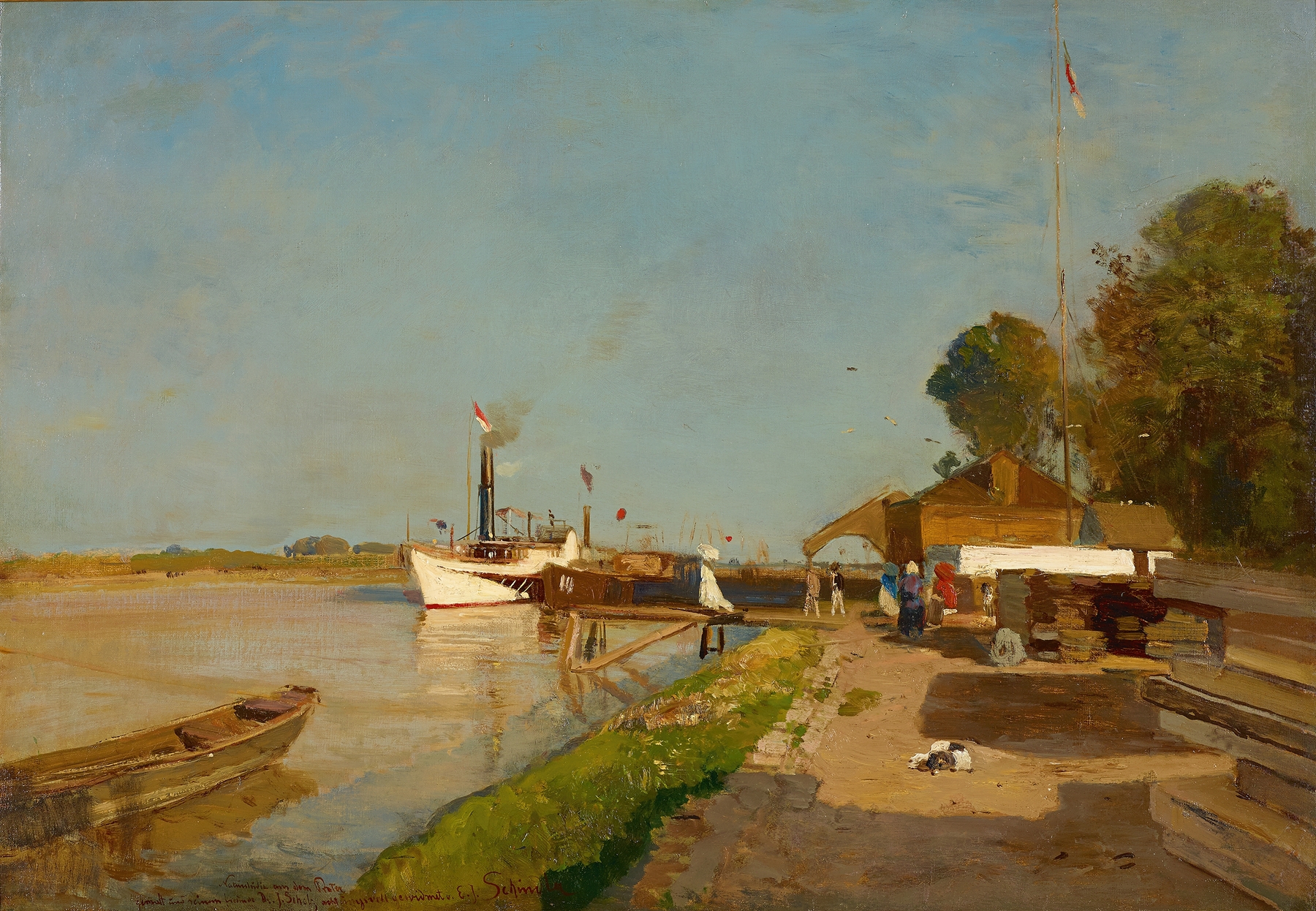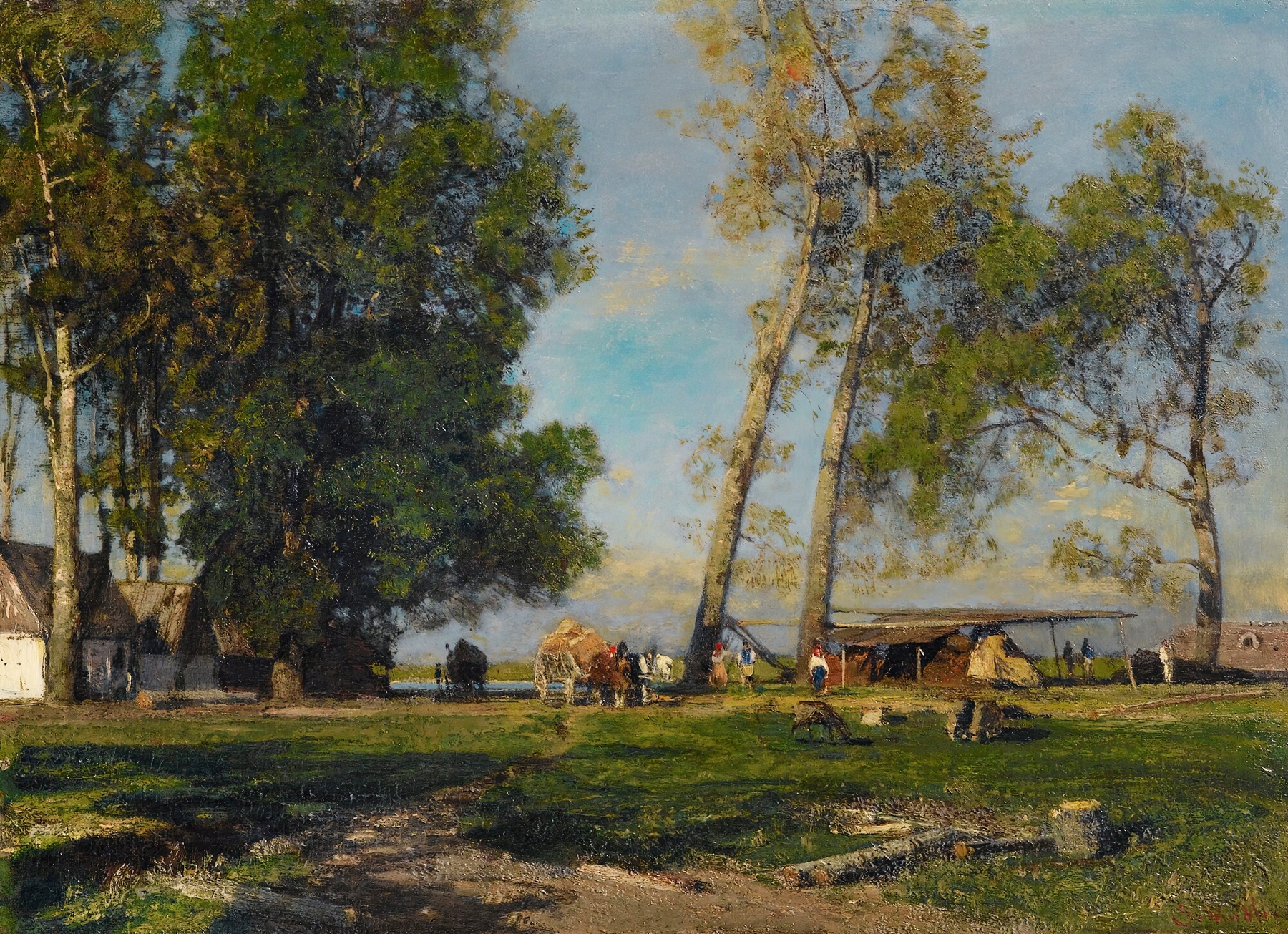
The Prater Gardens, Vienna — History & Analysis
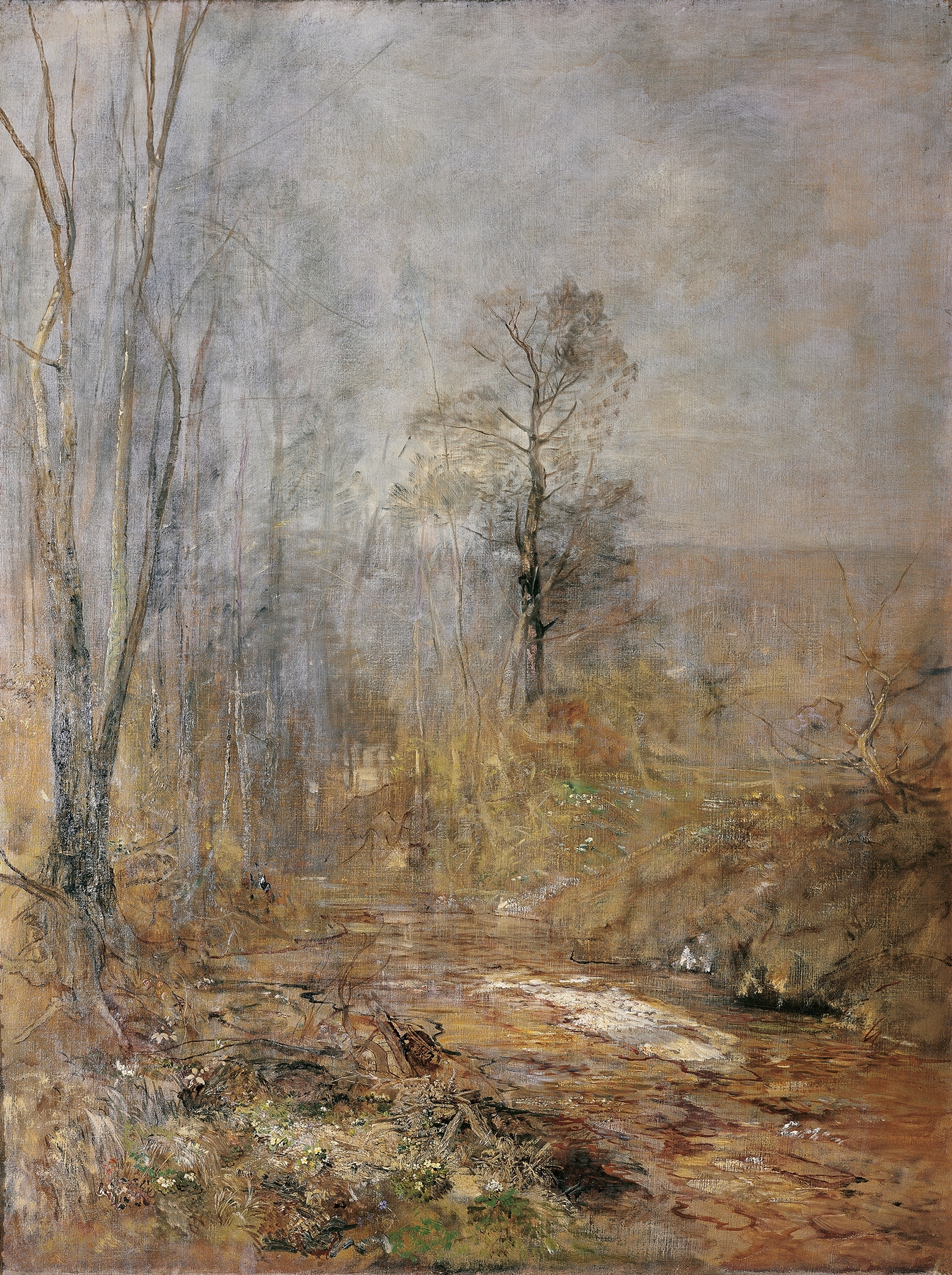
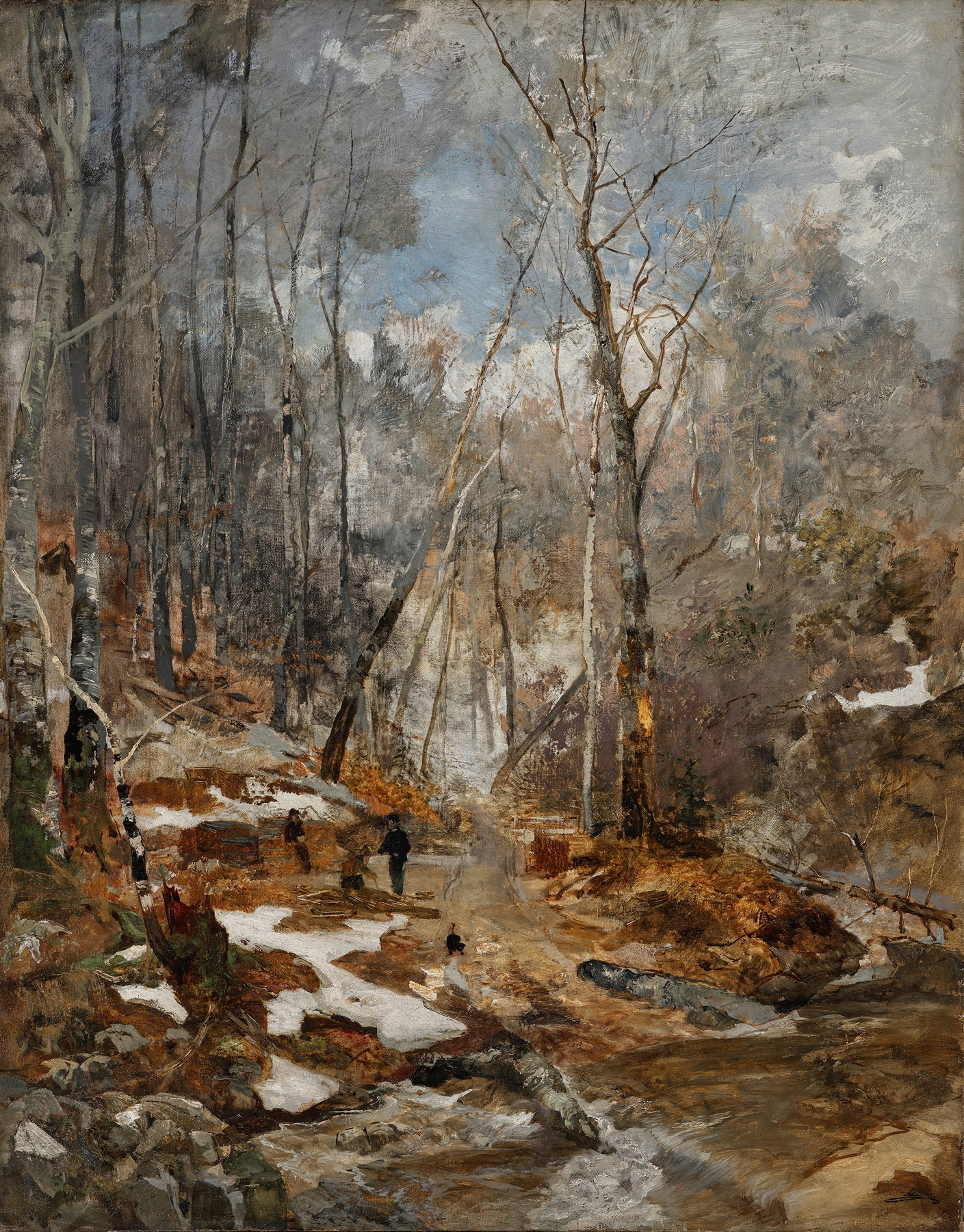
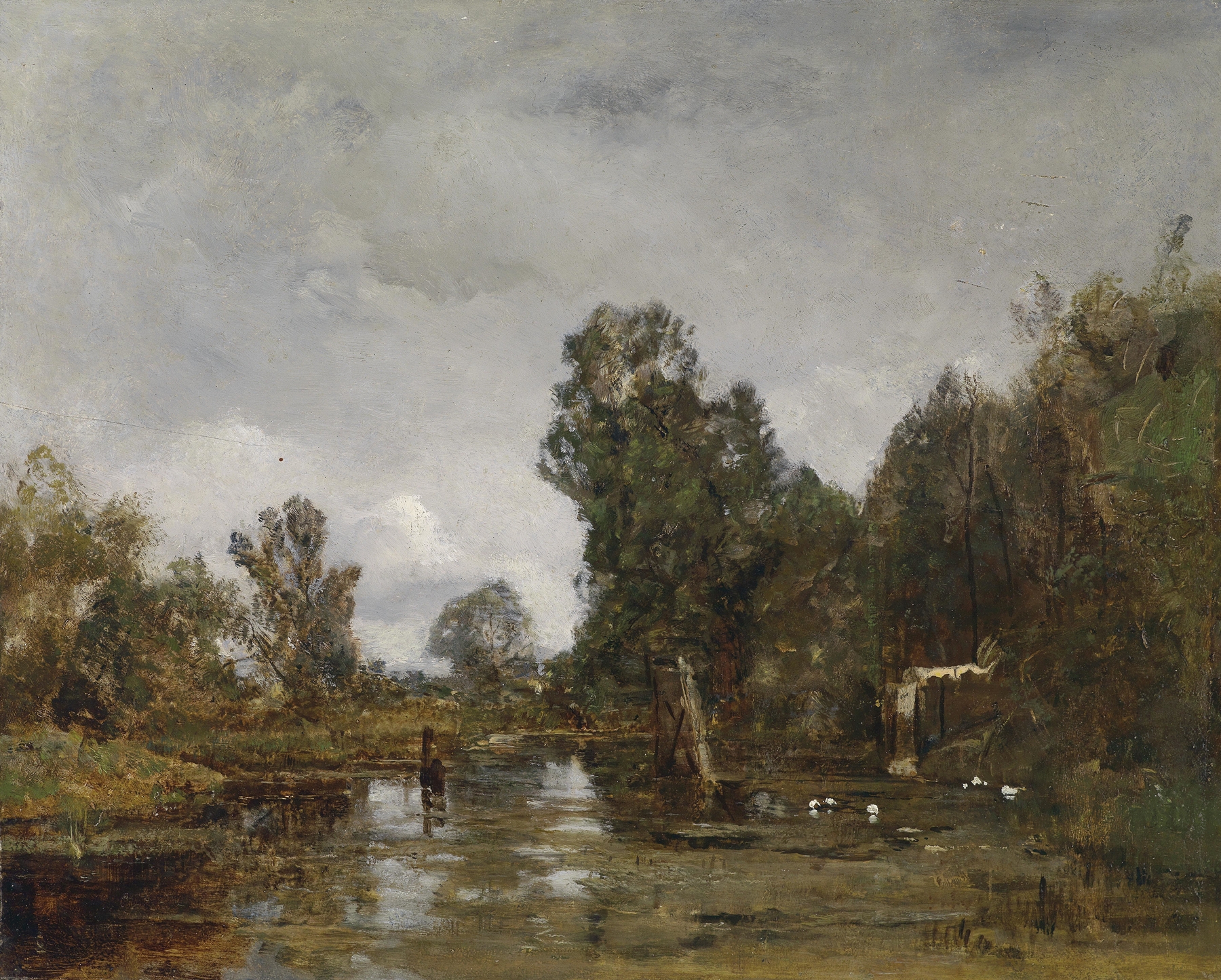
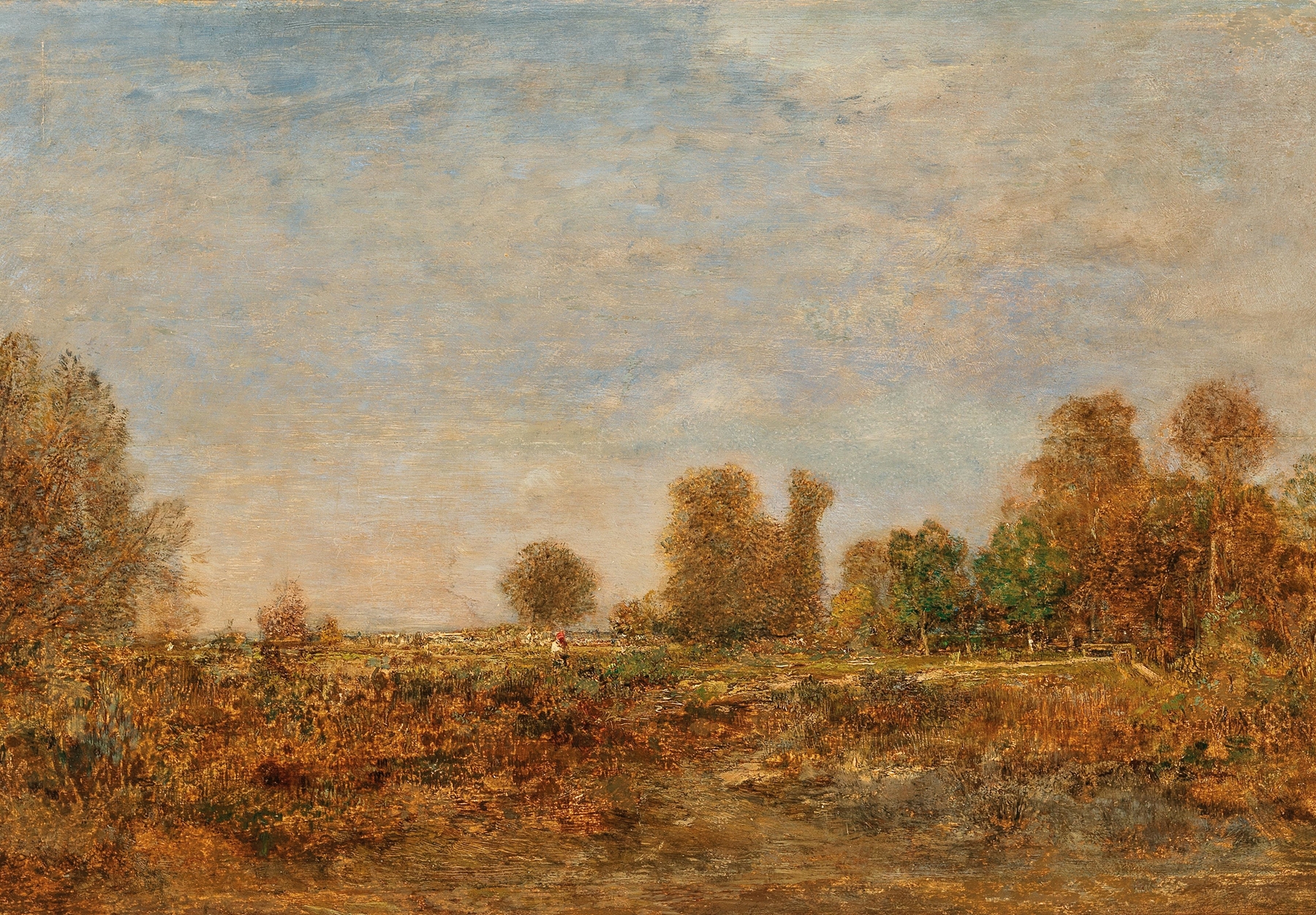
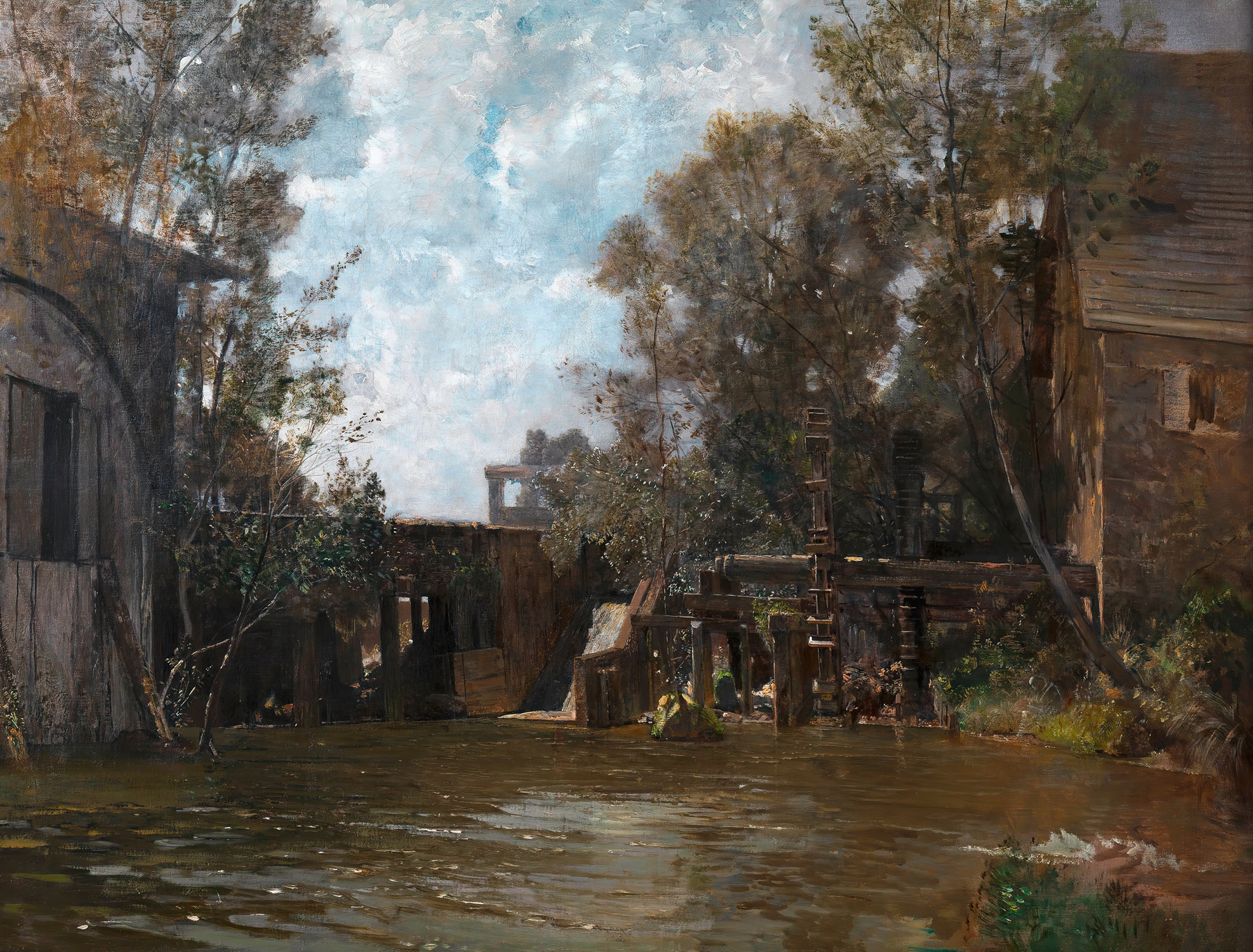
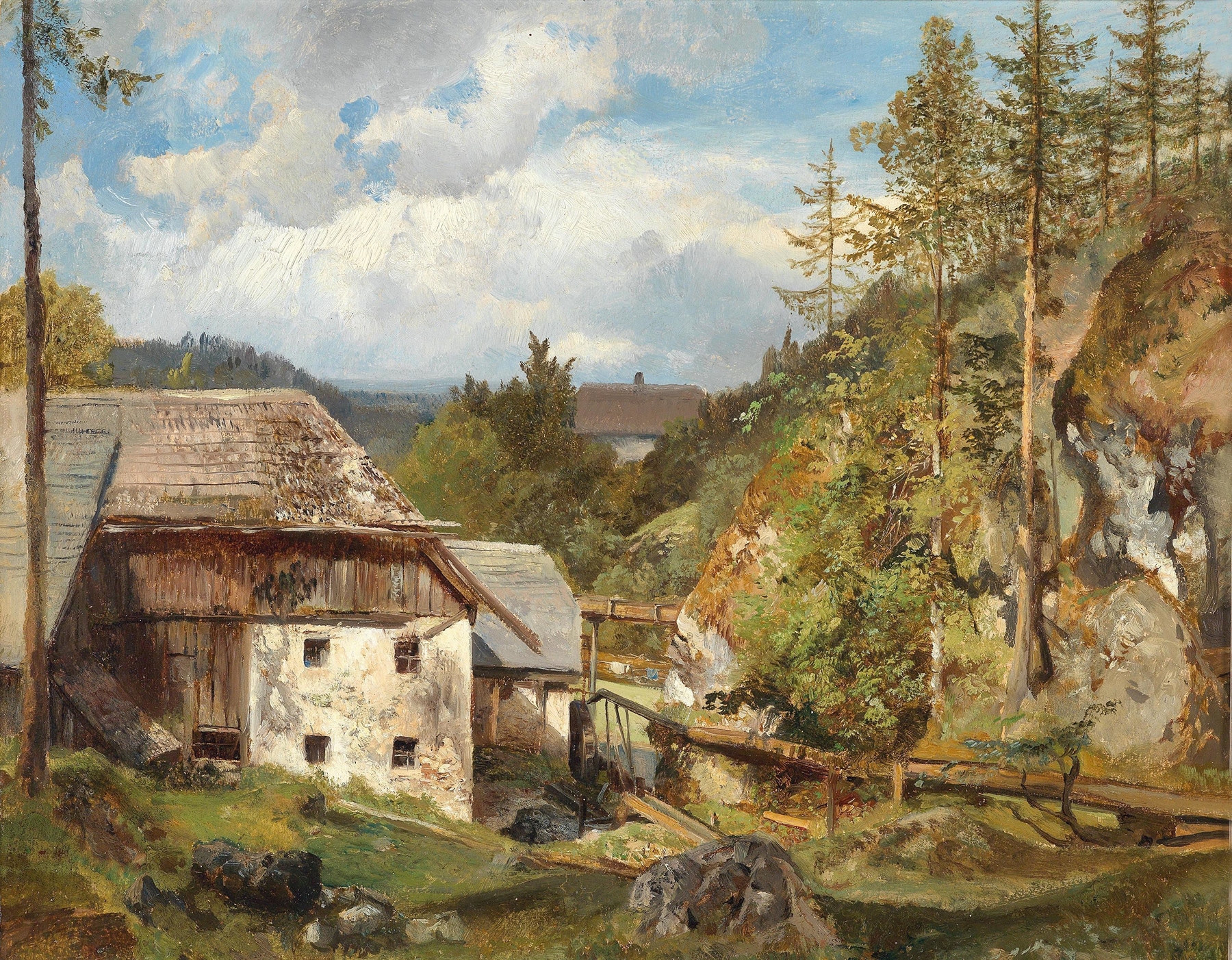
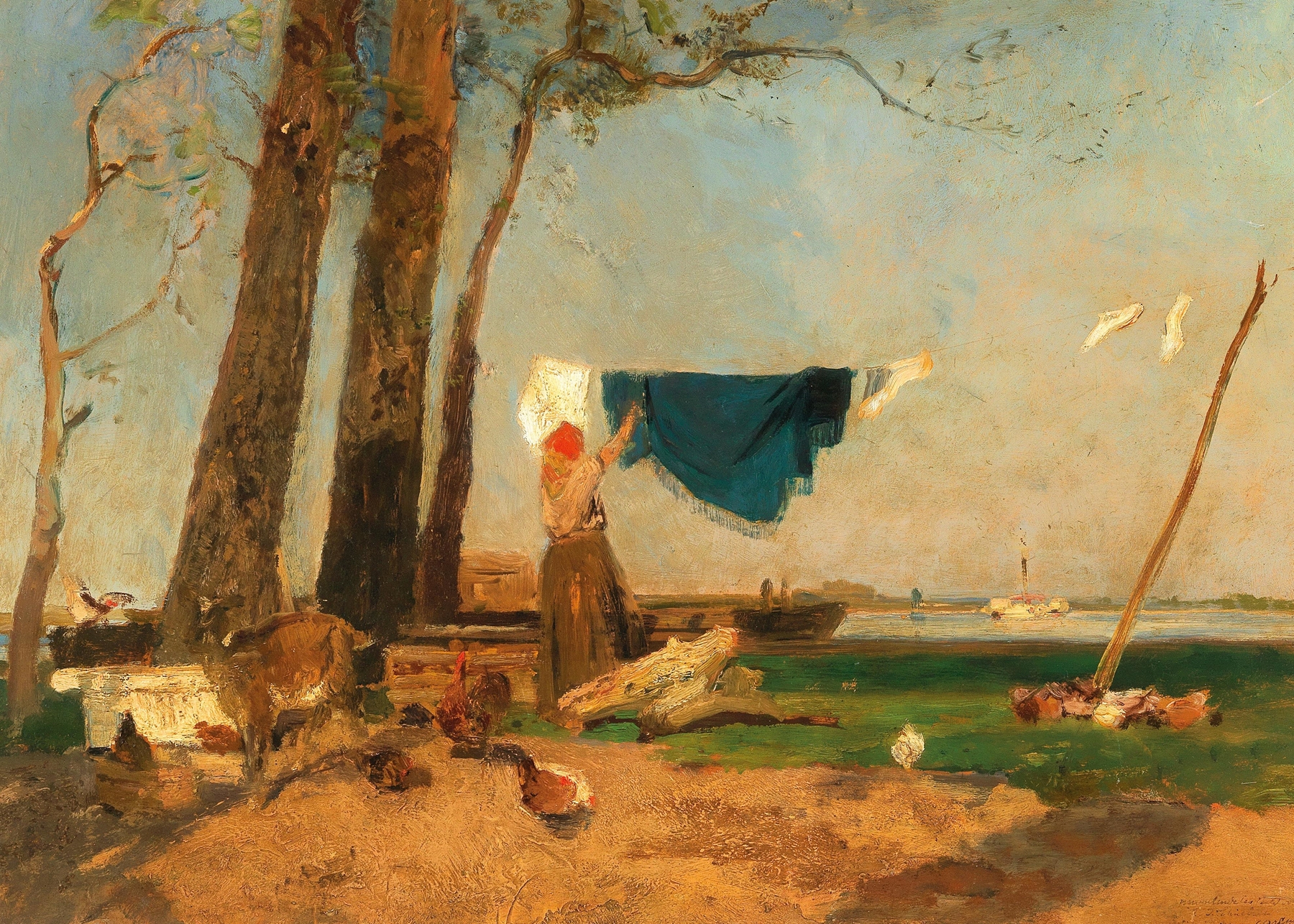
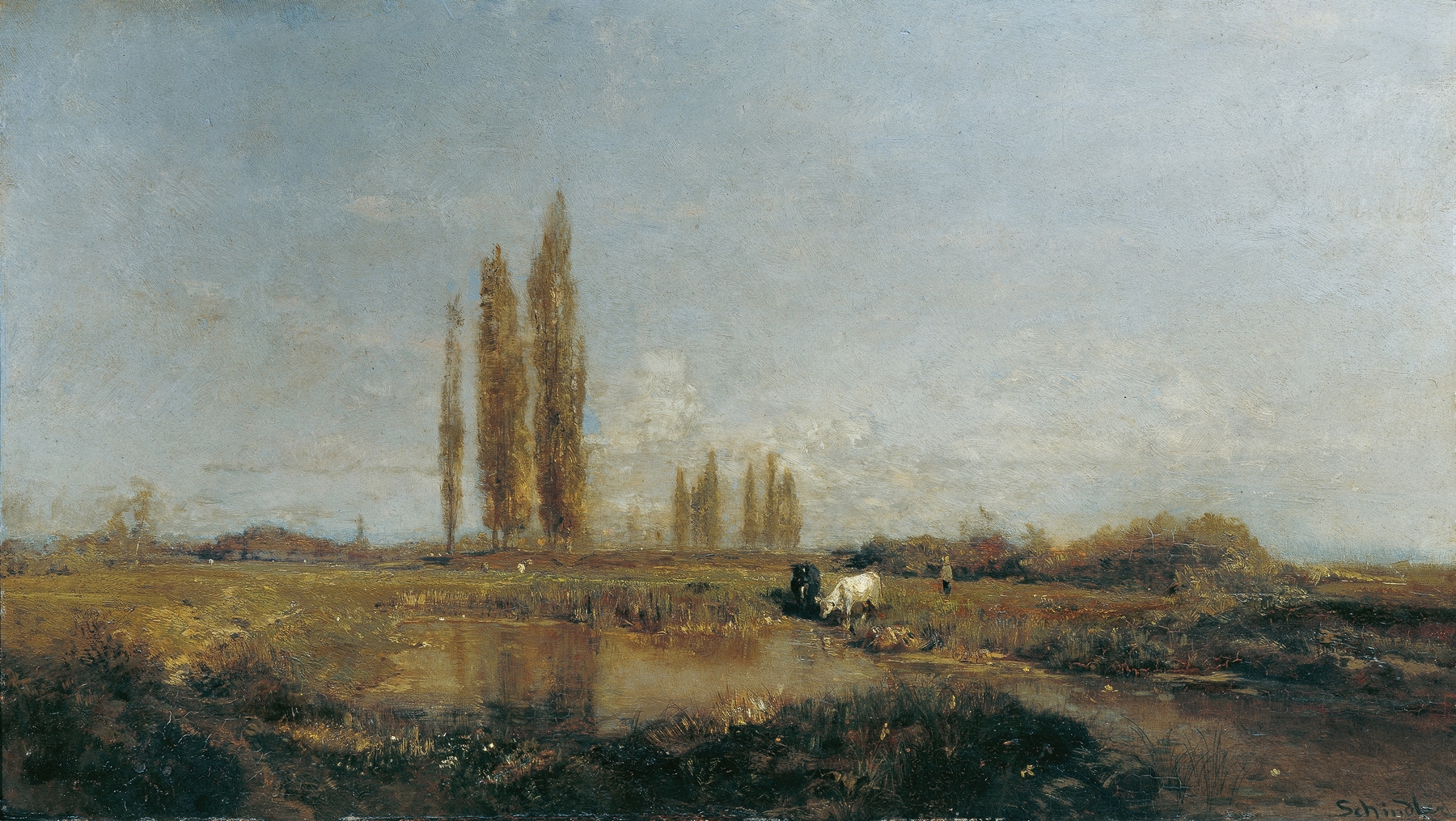
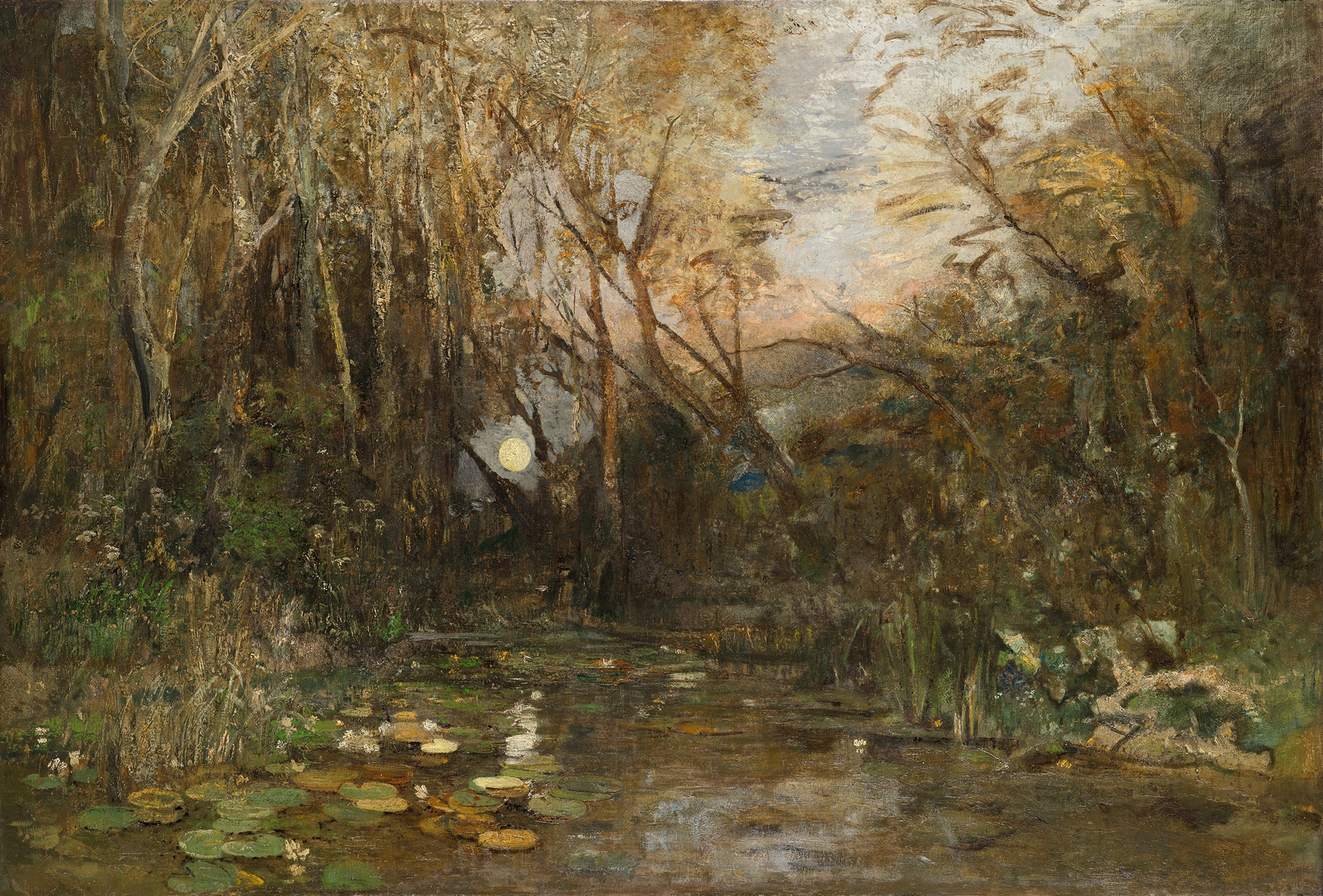
A warm breeze rustles through the trees, carrying the laughter of children playing amidst vibrant blooms. Couples stroll hand-in-hand, their faces illuminated by the dappled sunlight filtering through the canopy above. In this moment, every glance exchanged is a memory in the making, as the Prater Gardens unfold like a cherished snapshot of life. Look to the right at the burst of color splashed across the canvas—flowers in shades of crimson and gold vie for attention against lush greens.
Notice how the light plays delicately on the leaves, creating a dance of shadows that beckons the viewer to linger. The artist’s brushstrokes, both fluid and deliberate, invite you to explore the serene paths winding through the gardens, invoking a sense of peace and nostalgia. Beneath the surface, a poignant contrast emerges between the vibrancy of life and the ephemeral nature of memories. The joyful figures are enveloped in the embrace of nature’s beauty, yet one can sense an underlying transience, as if this idyllic scene is a fleeting moment captured before the inevitable passage of time.
The harmony of color and composition reflects a longing for connection, a testament to the human experience of joy and remembrance. During the time Schindler painted this piece, he was immersed in the artistic circles of Vienna, where the burgeoning movement of Impressionism was gaining traction. The late 19th century found the artist exploring themes of harmony and nature, blending his influences with a unique personal style. The Prater Gardens, an emblem of leisure and beauty, encapsulates Schindler’s desire to immortalize the ephemeral moments of joy that define our existence.