An der Thaya bei Lundenburg — History & Analysis
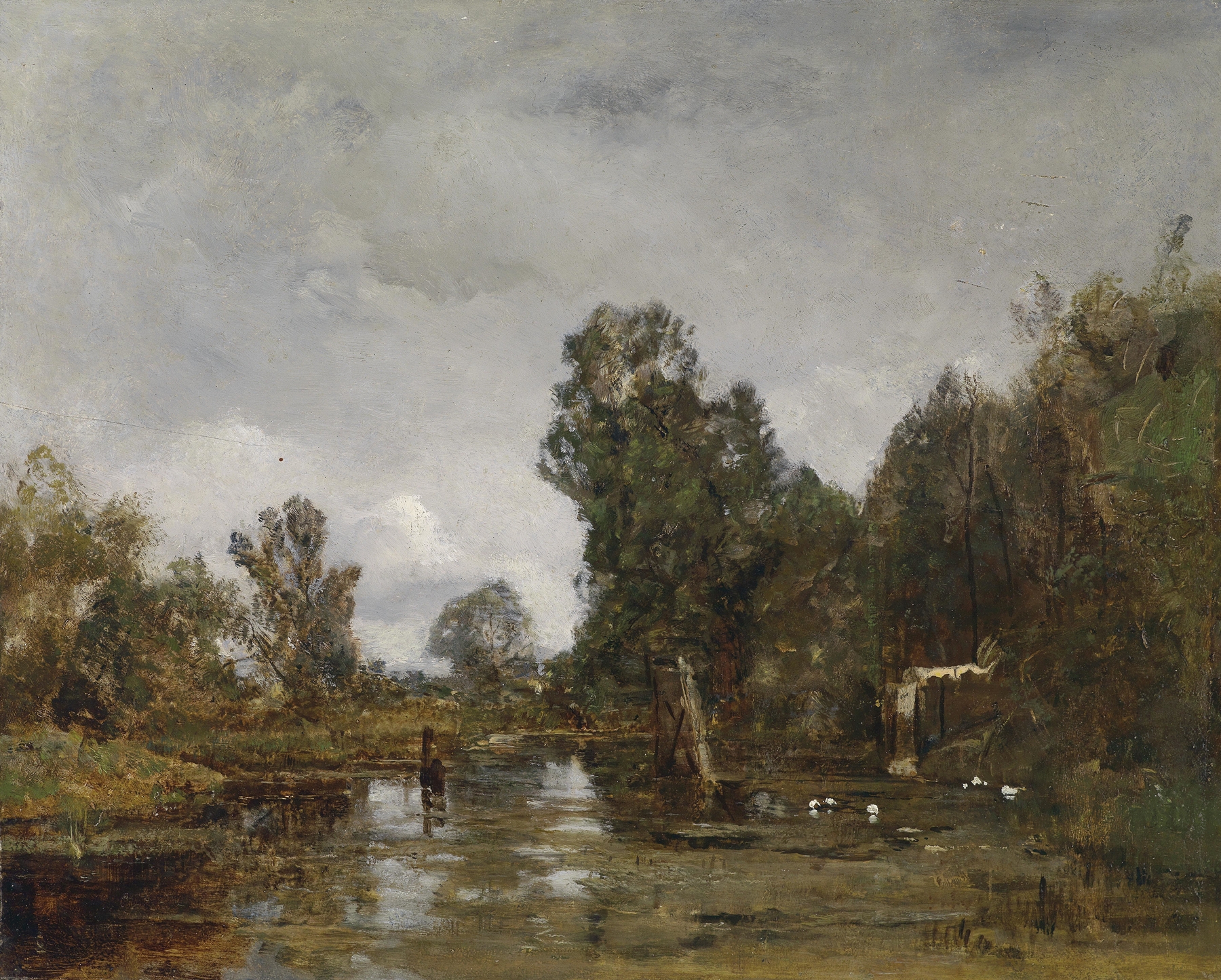
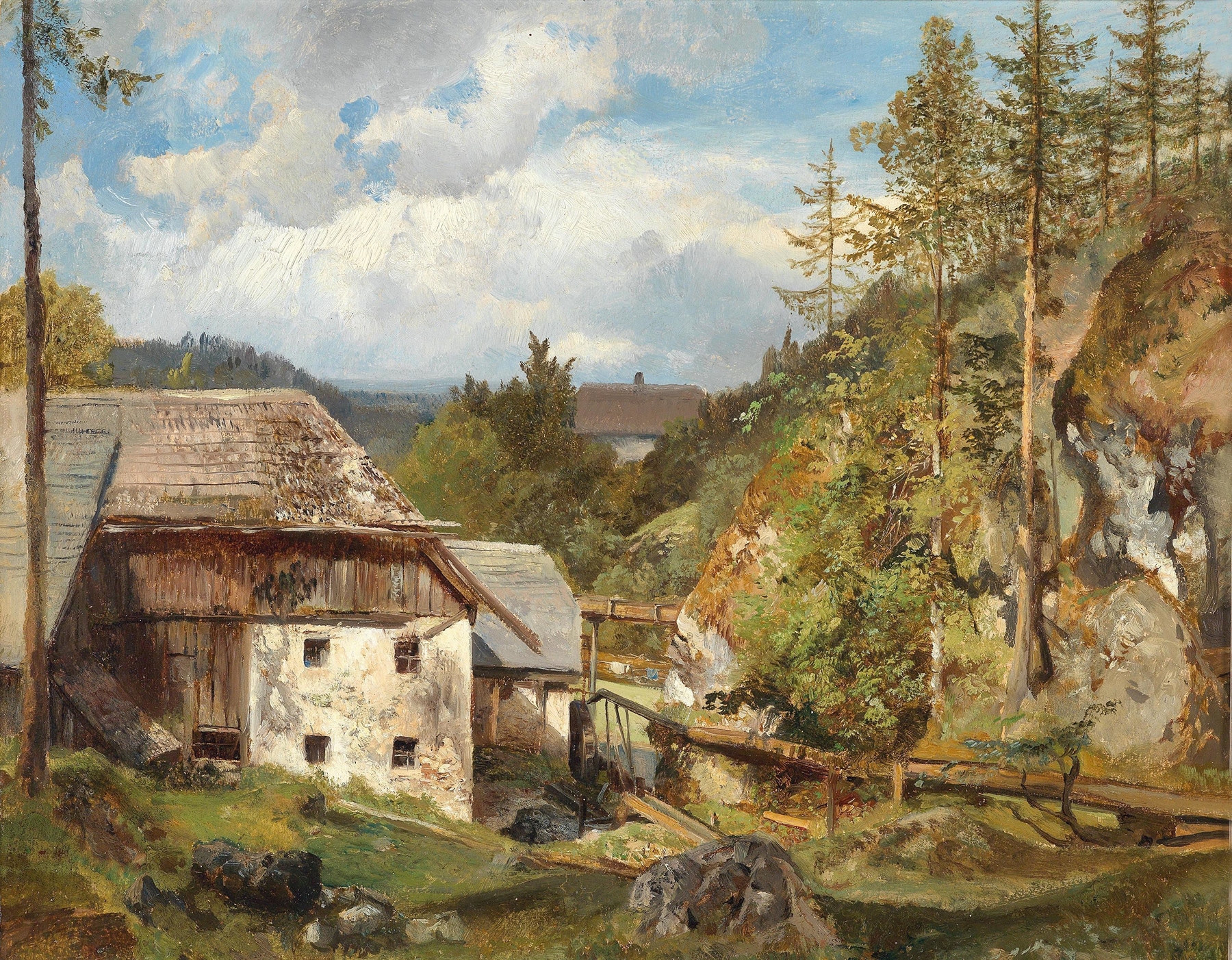
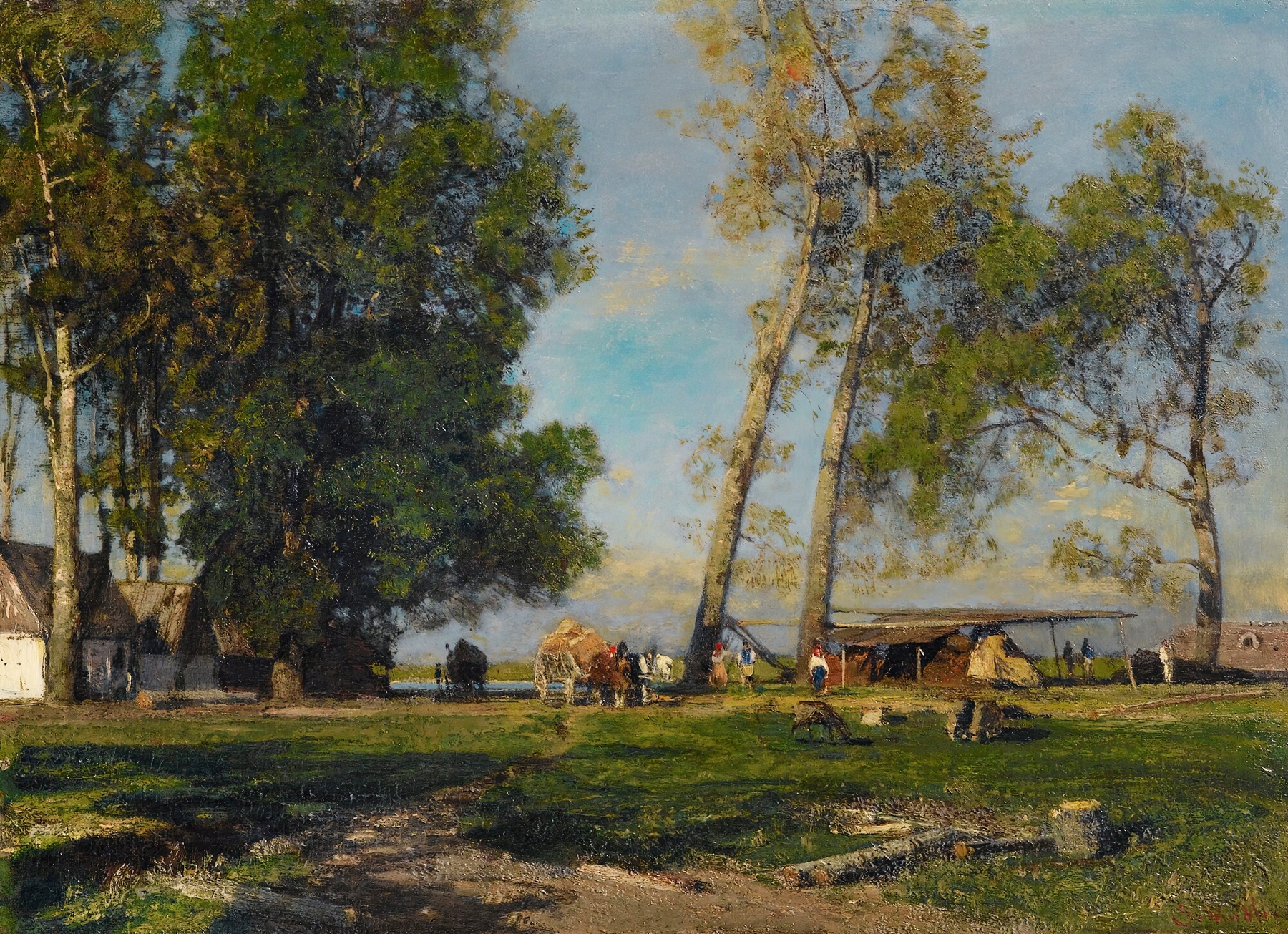
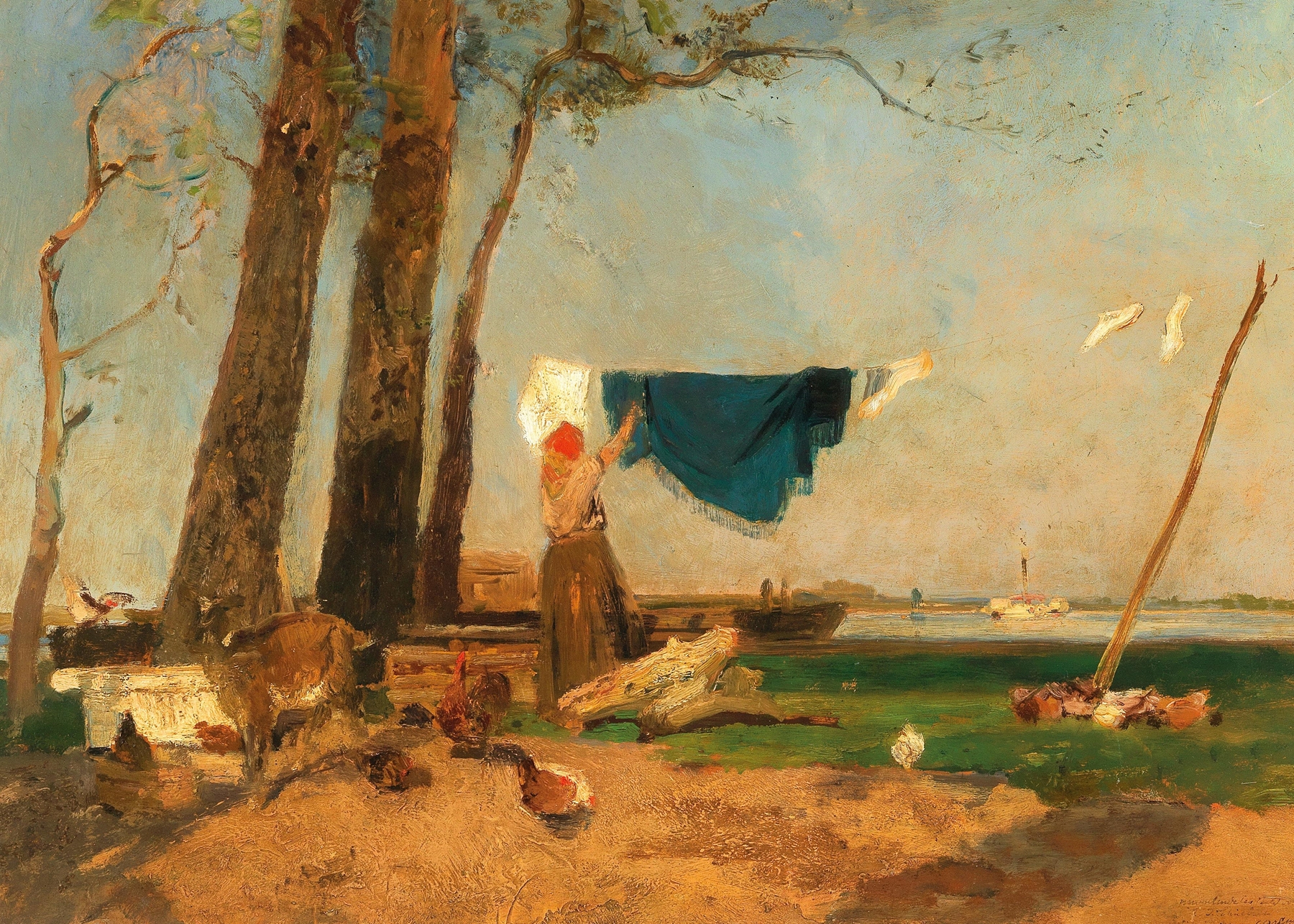
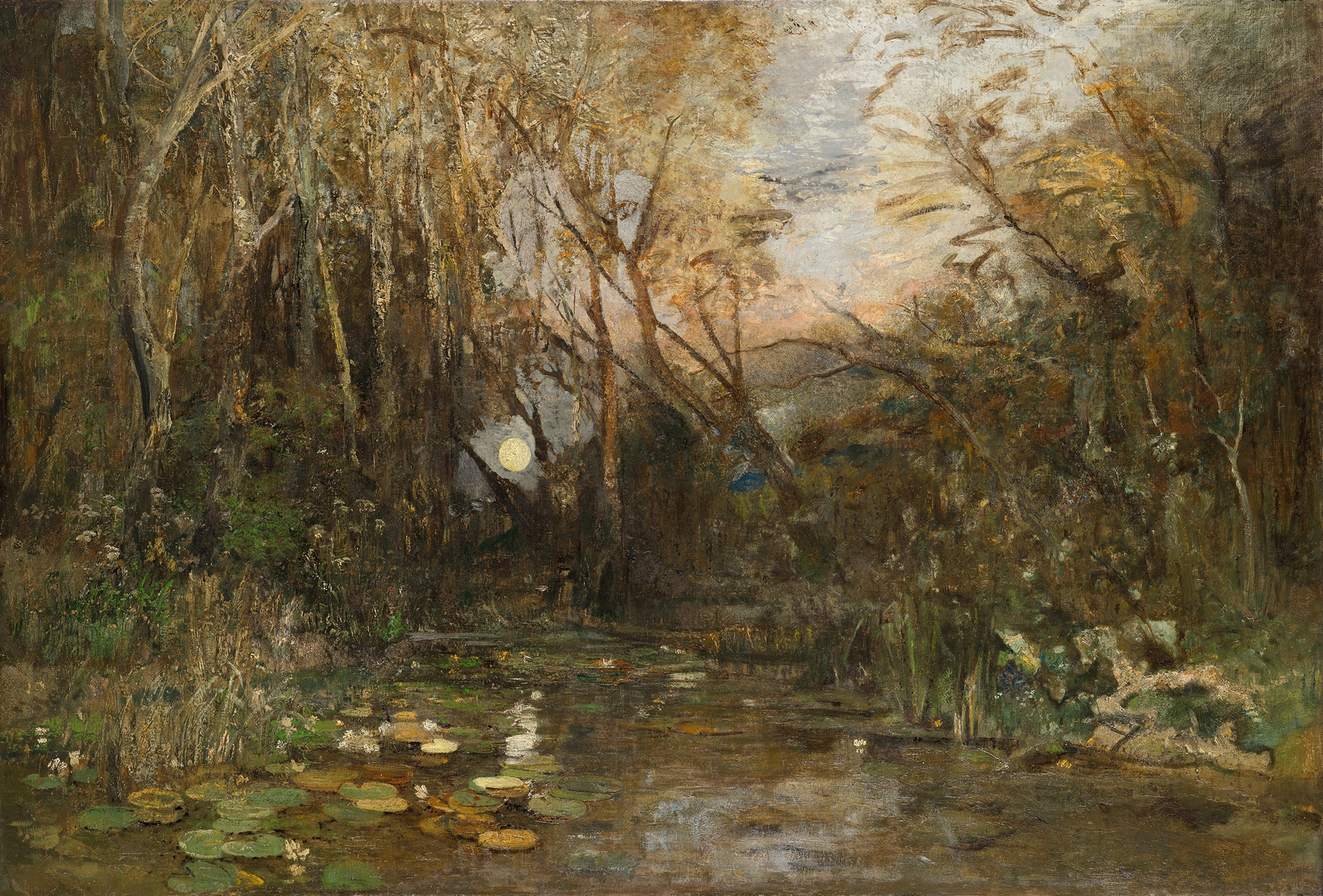
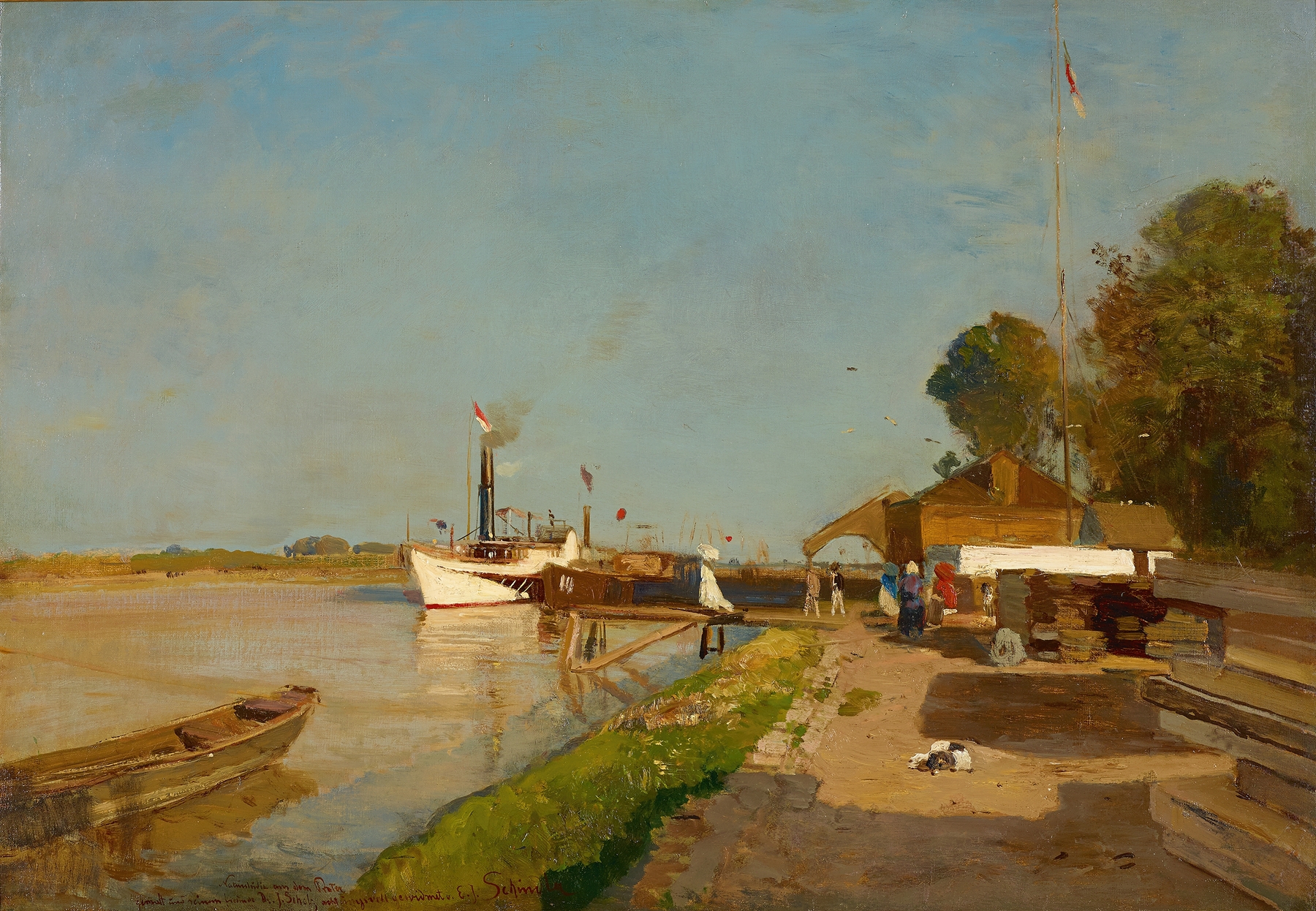
Can paint confess what words never could? In An der Thaya bei Lundenburg, the canvas speaks to an unspoken betrayal, inviting us to explore the depths of human emotion through nature’s lens. Look to the water’s edge, where delicate brush strokes capture the shimmering play of light on the river’s surface. The lush greenery envelops the scene, with a whispering breeze seemingly rustling the foliage, creating a serene yet charged atmosphere.
Notice how the cool blues and verdant greens contrast with the warm golden hues of the soft sunlight, enhancing the sense of tranquility that teeters on the brink of something more profound. Hidden within the beauty are echoes of tension—could the viewer be witnessing a moment of solace before an impending confrontation? The gentle ripples of the river may symbolize the fragile nature of trust that can be disturbed with a mere stone's throw. The looming clouds in the background hint at an approaching storm, a metaphor for the emotional upheaval that betrayal can bring, reminding us that even in beauty, darkness can linger.
During the years 1883-1884, the artist found himself in Vienna, amidst a vibrant yet tumultuous art scene that was shifting towards modernism. Schindler, influenced by his studies and experiences in the Czech lands, sought to capture the essence of the landscape with an emotional weight that resonated with his own life experiences. This period marked a transition for many artists as they grappled with the changing tides of society and self, and this work stands as a testament to that internal and external turbulence.