Märzstimmung – Vorfrühling im Wienerwald — History & Analysis
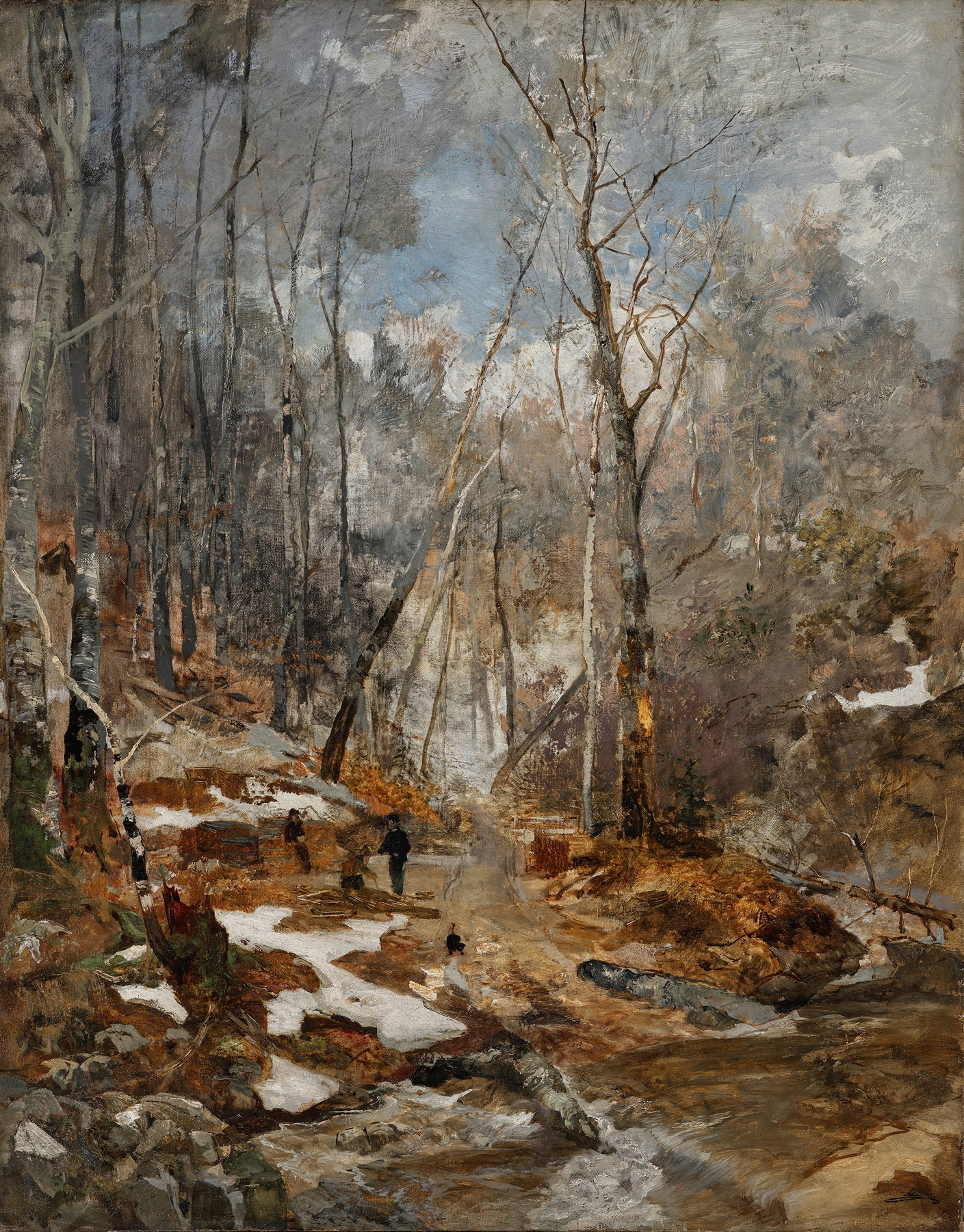
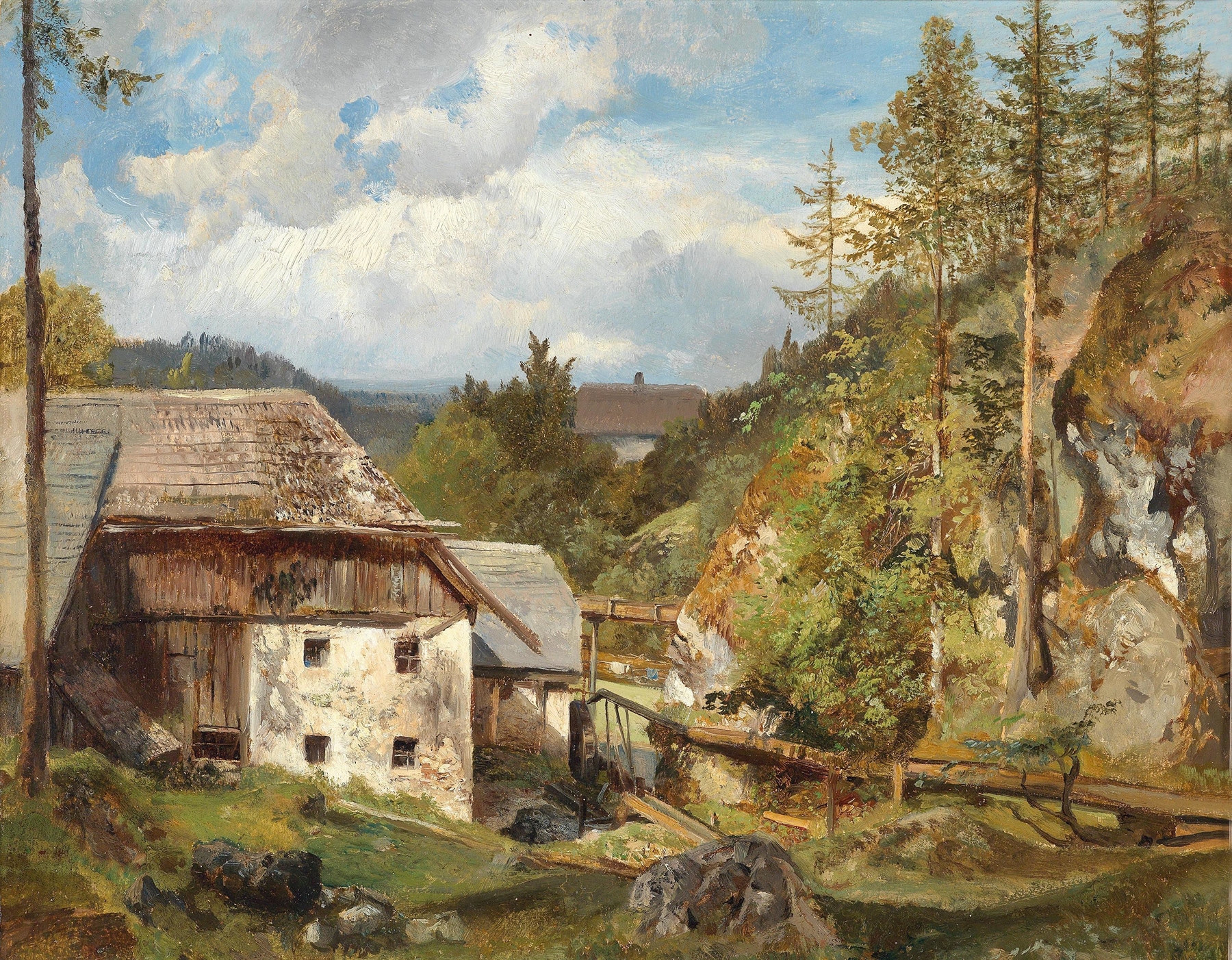
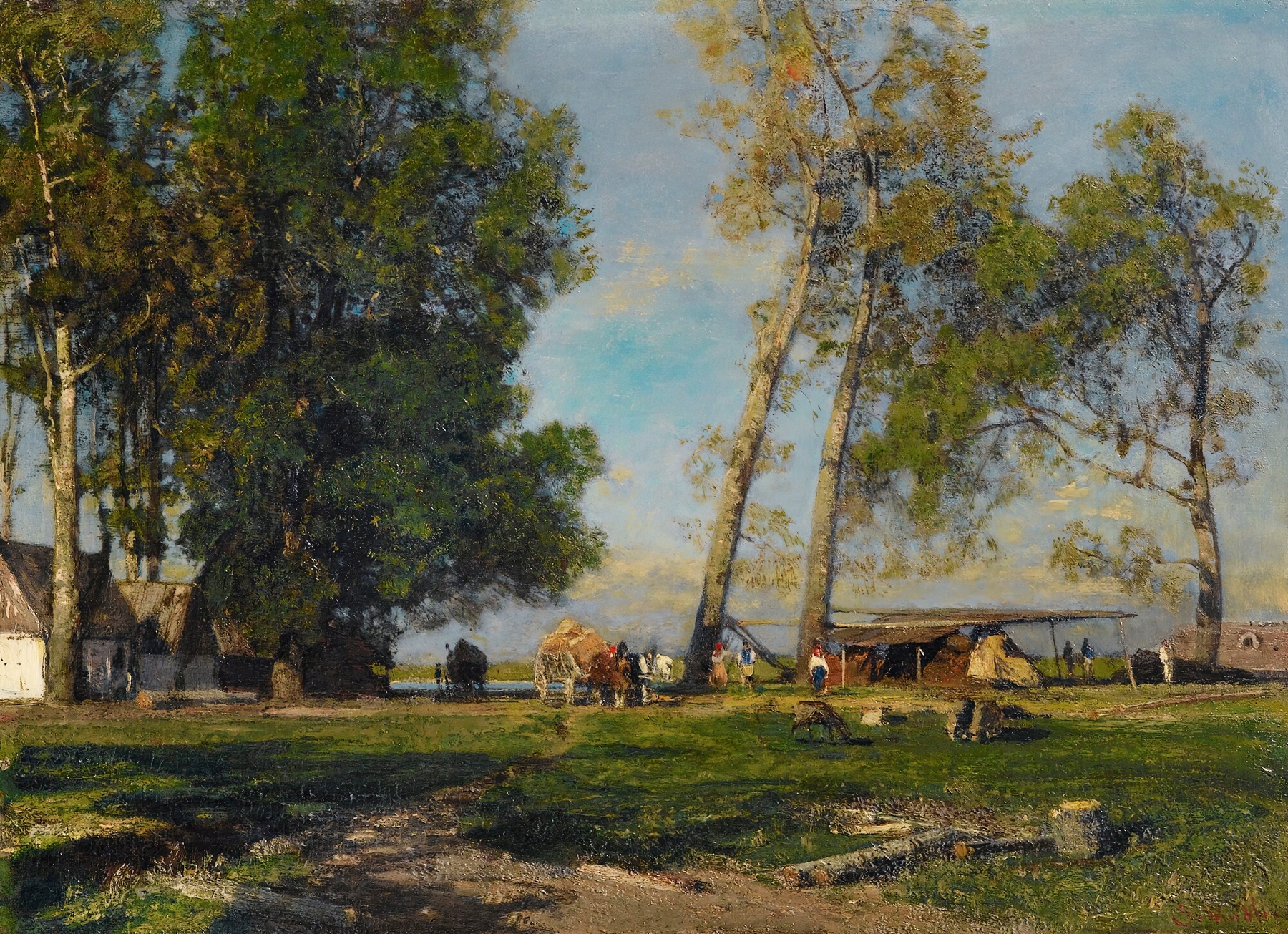
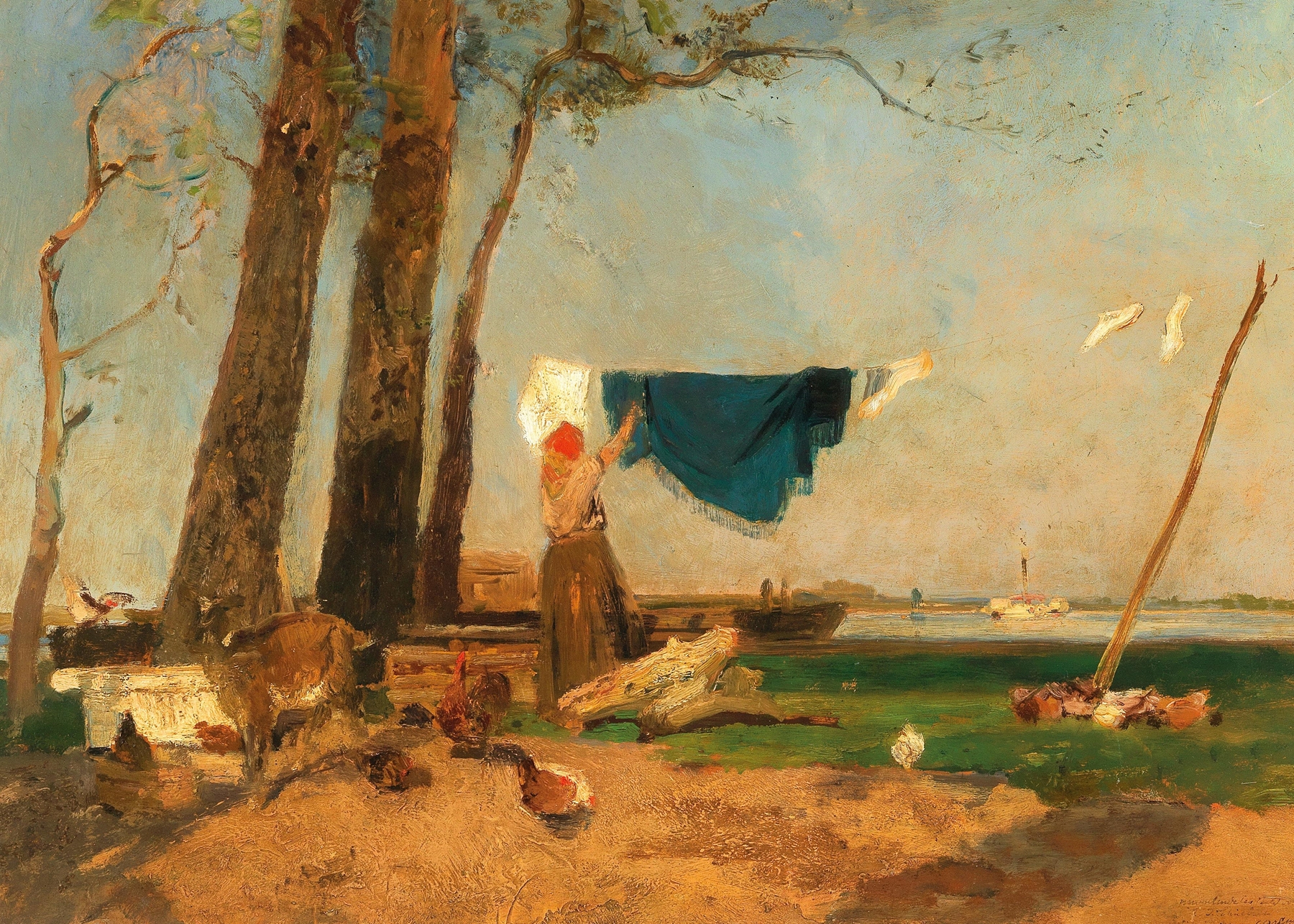
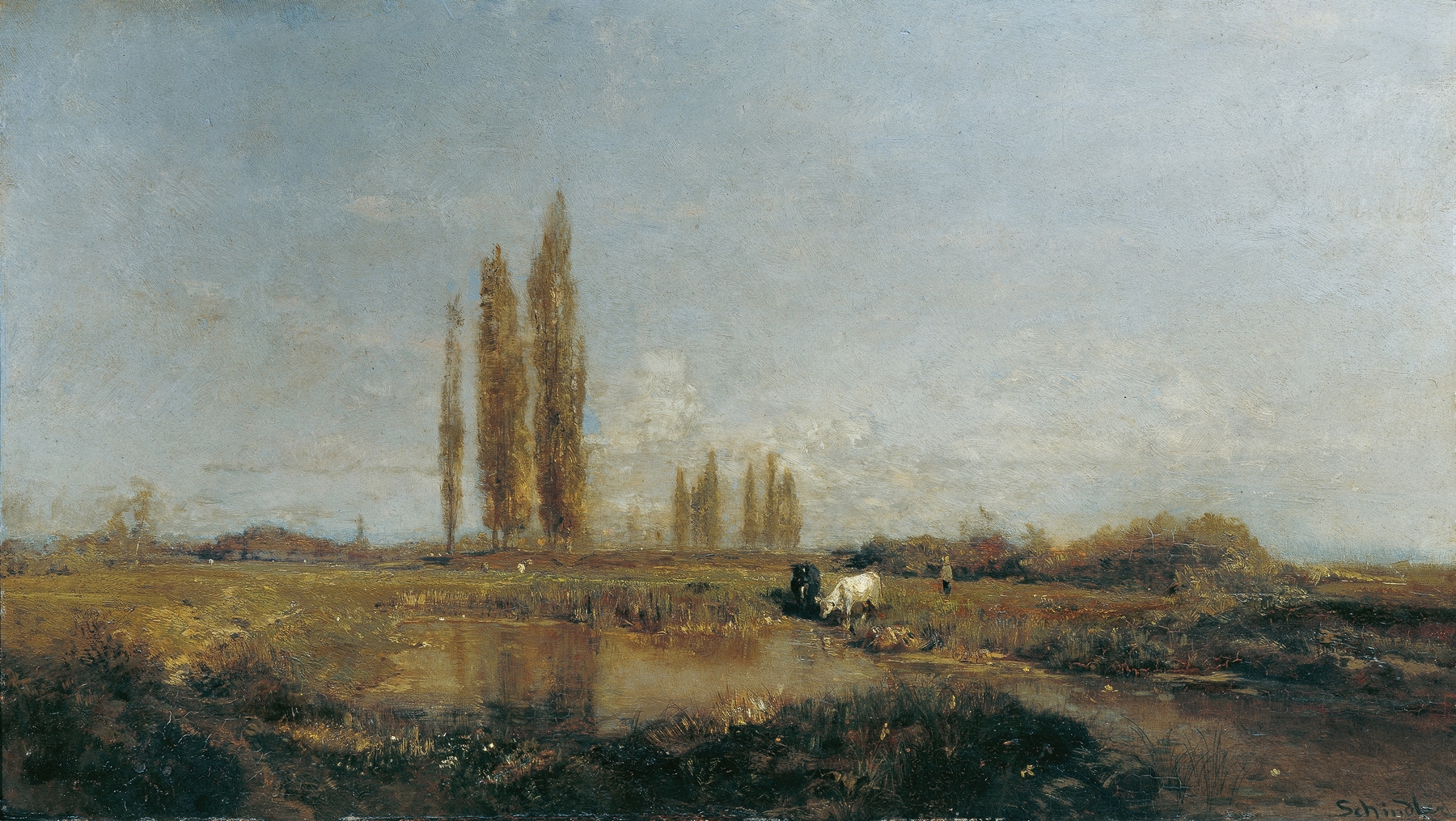
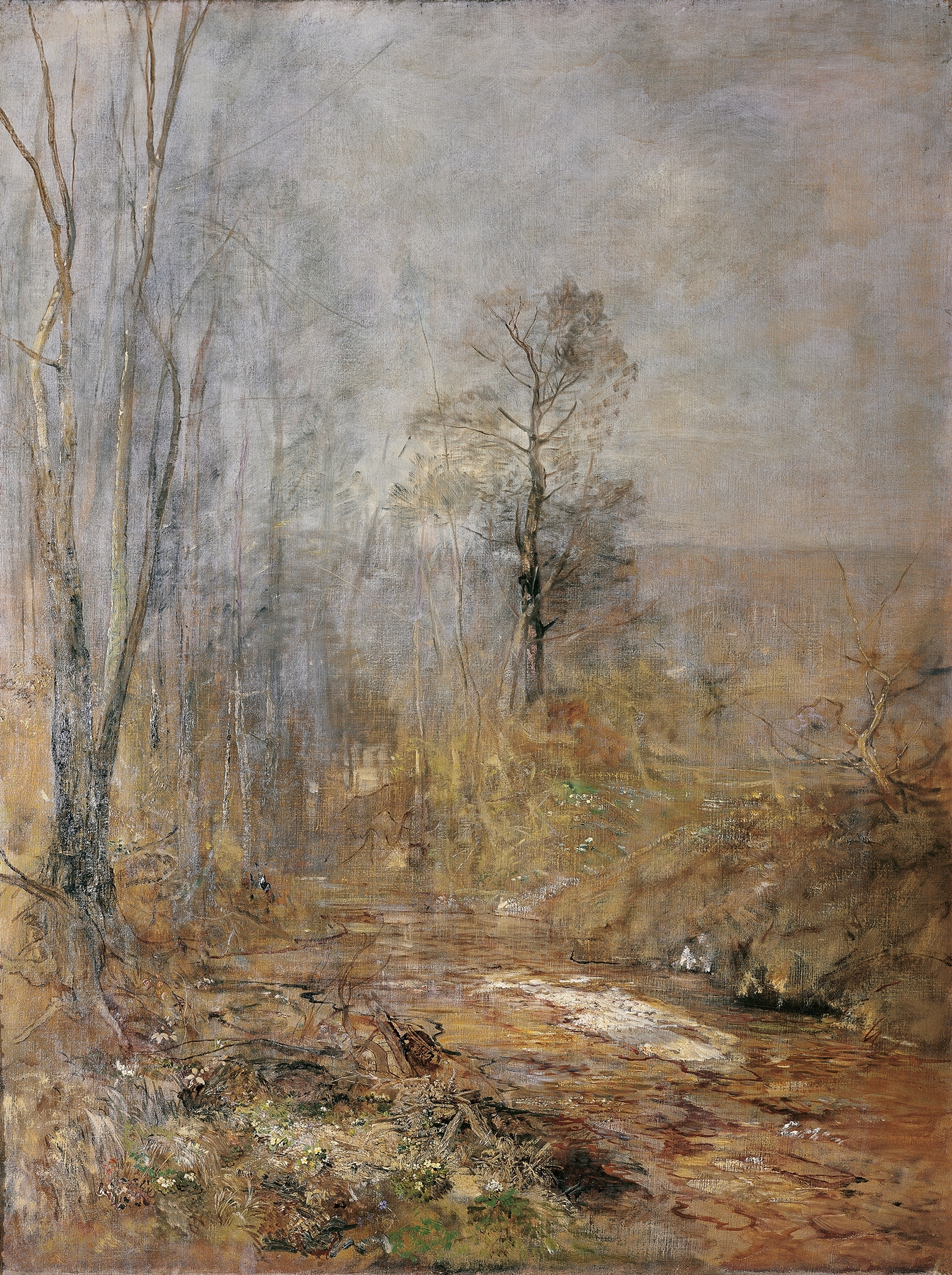
Who listens when art speaks of silence? In Märzstimmung – Vorfrühling im Wienerwald, a serene moment unfolds, inviting us to delve into the stillness that memory often brings. Focus first on the gentle hues that envelop the canvas, a soft palette of greens and browns that merge effortlessly, evoking the slow awakening of nature. Notice how the light filters through the trees, casting dappled shadows on the forest floor, creating a rhythm that feels both lively and tranquil.
The brushstrokes are delicate yet expressive, leading your gaze towards the subtle details of budding foliage and the hint of a path that meanders through the scene. Within this landscape lies a contrast between the vitality of nature’s rebirth and the quietude of early spring. The stillness conveys a sense of anticipation, as if the world holds its breath, waiting for the warmth of summer.
Each element—a solitary tree, the muted earth, and the pastel sky—echoes a memory of seasonal cycles, inviting the viewer to reflect on their own experiences of change and renewal. Emil Jakob Schindler painted this piece in 1884, during a significant period of exploration in the Viennese art scene. As he embraced the burgeoning naturalism of the time, his work reflected a personal connection to the landscapes of his youth, creating an intimate dialogue between the artist, his environment, and the passage of time.