Die Mühle im Wald — History & Analysis
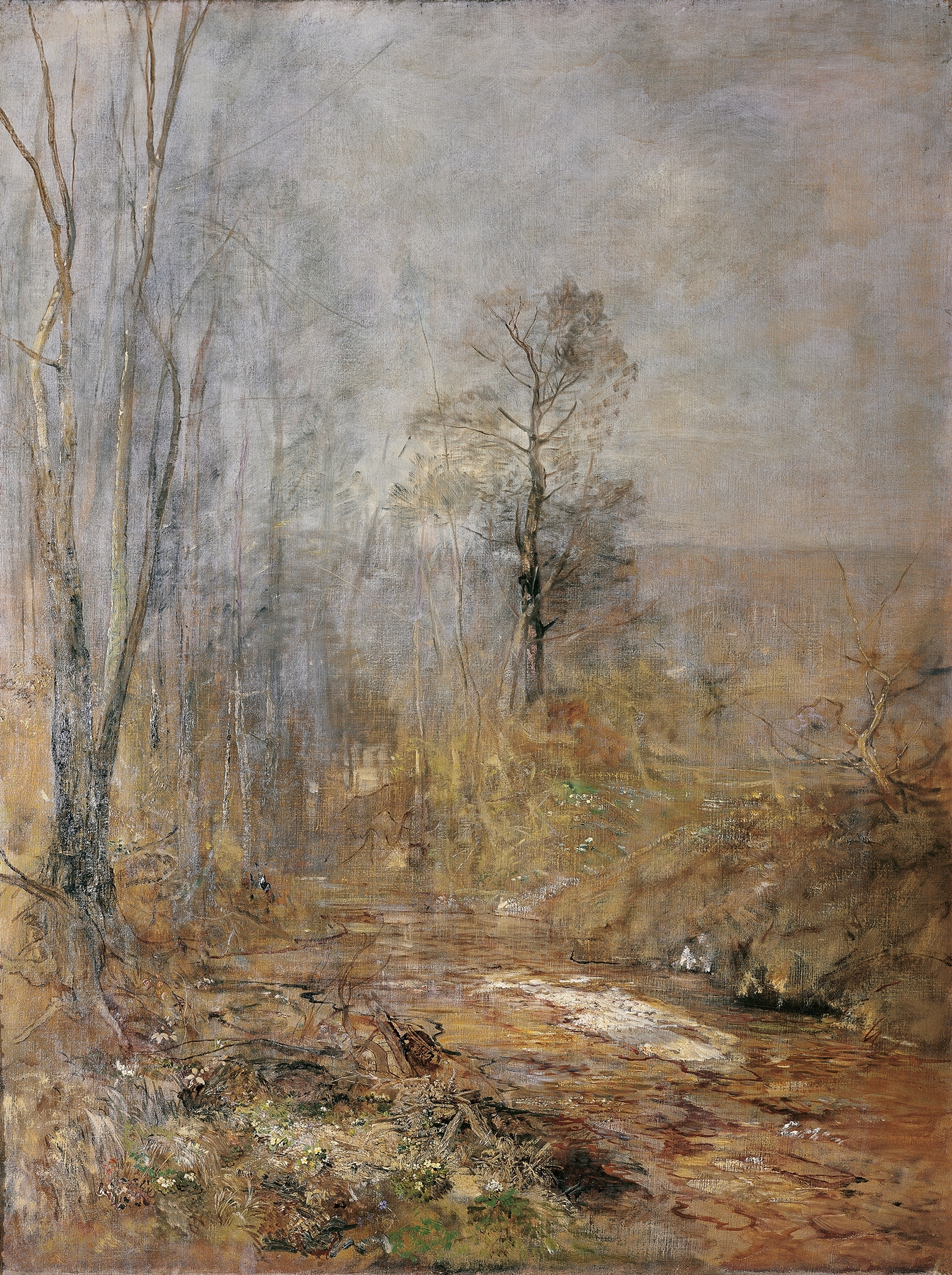
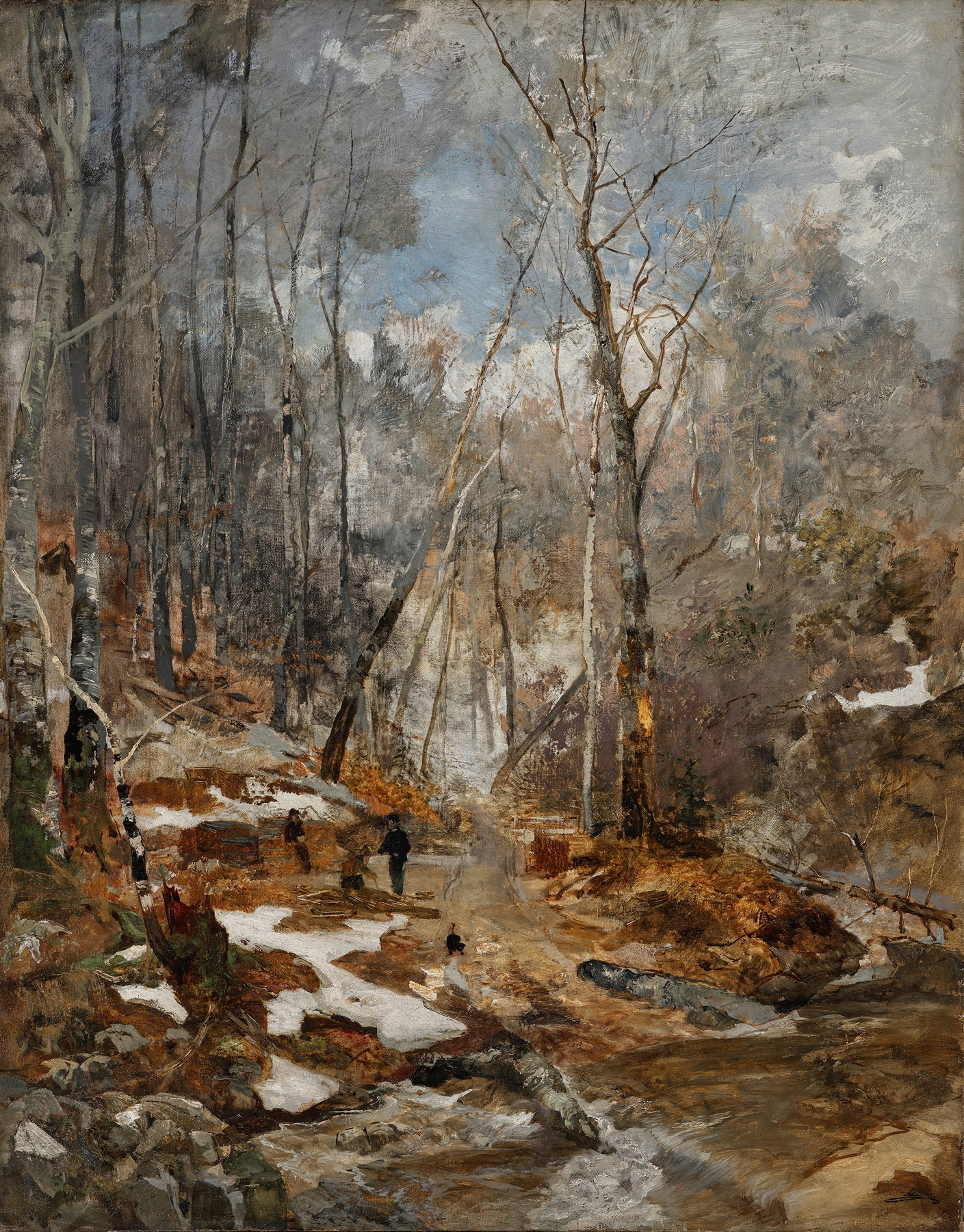
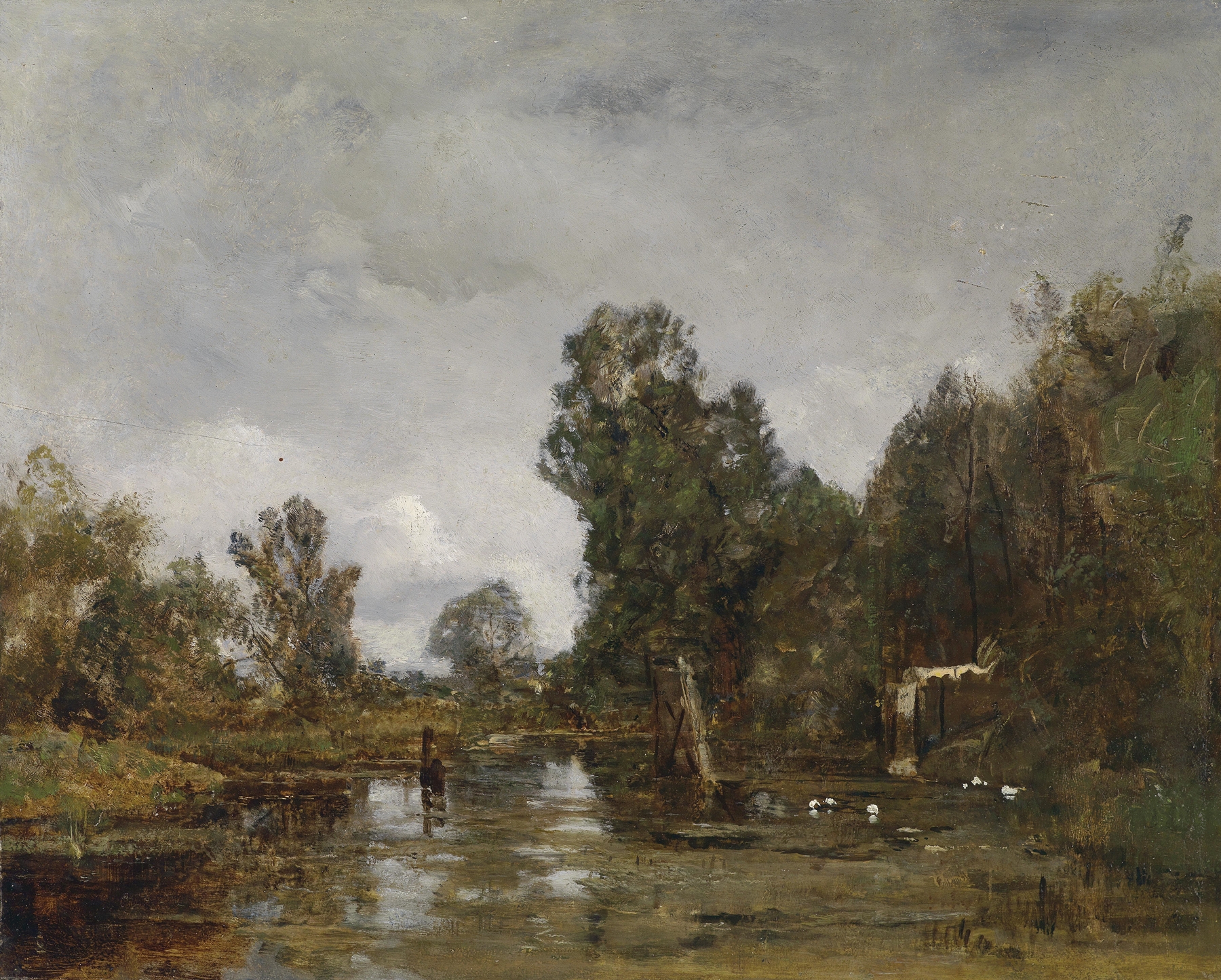
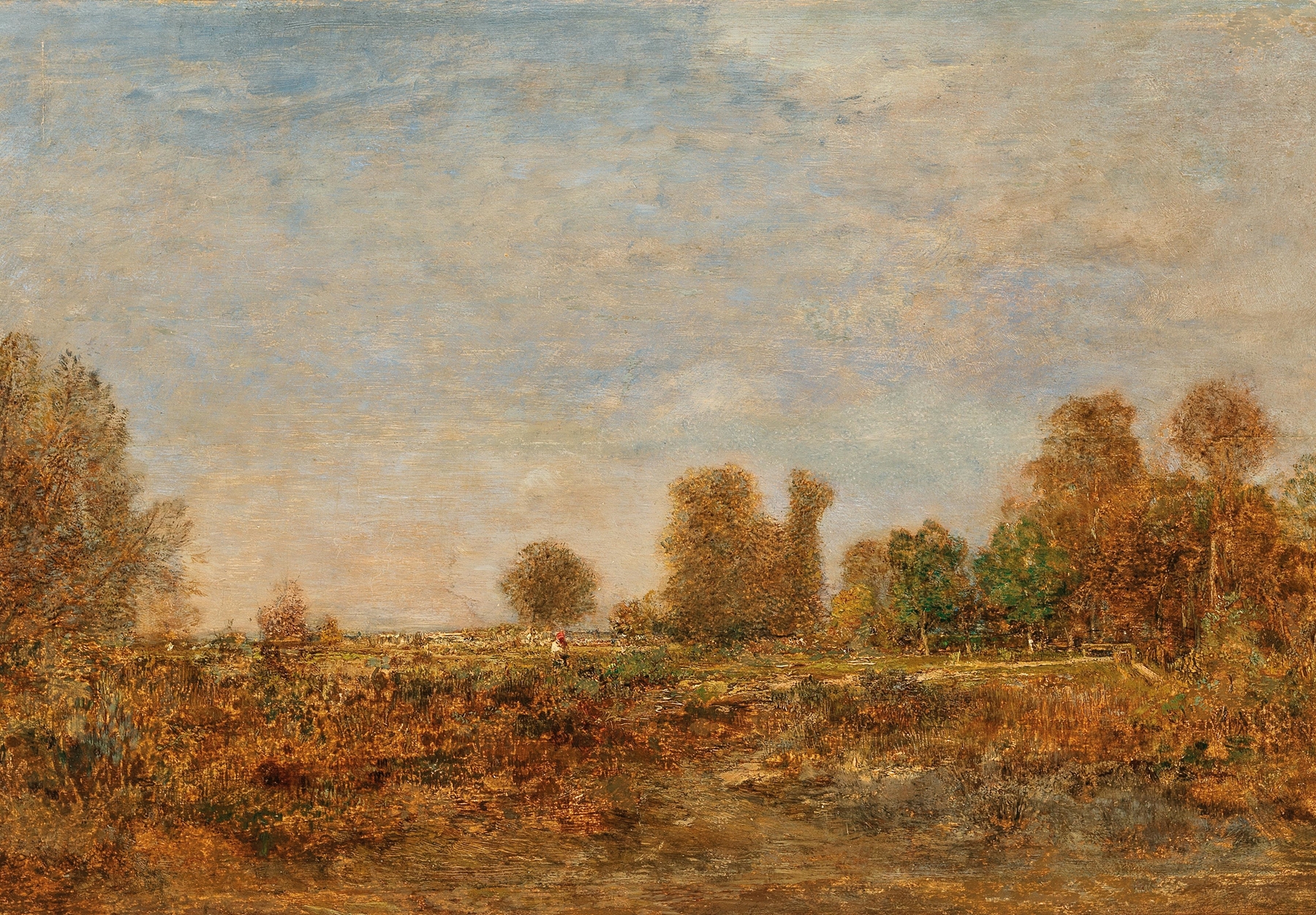
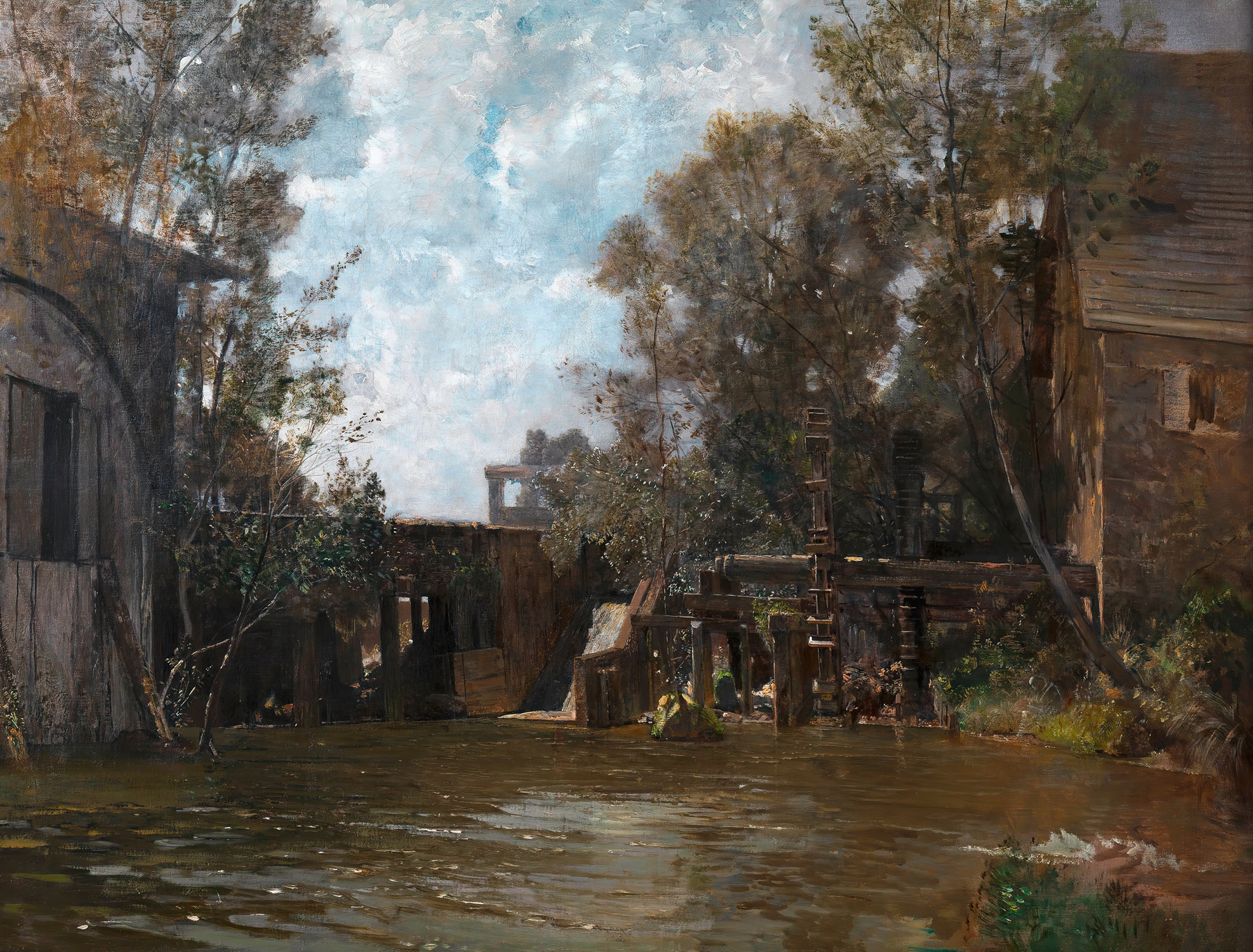
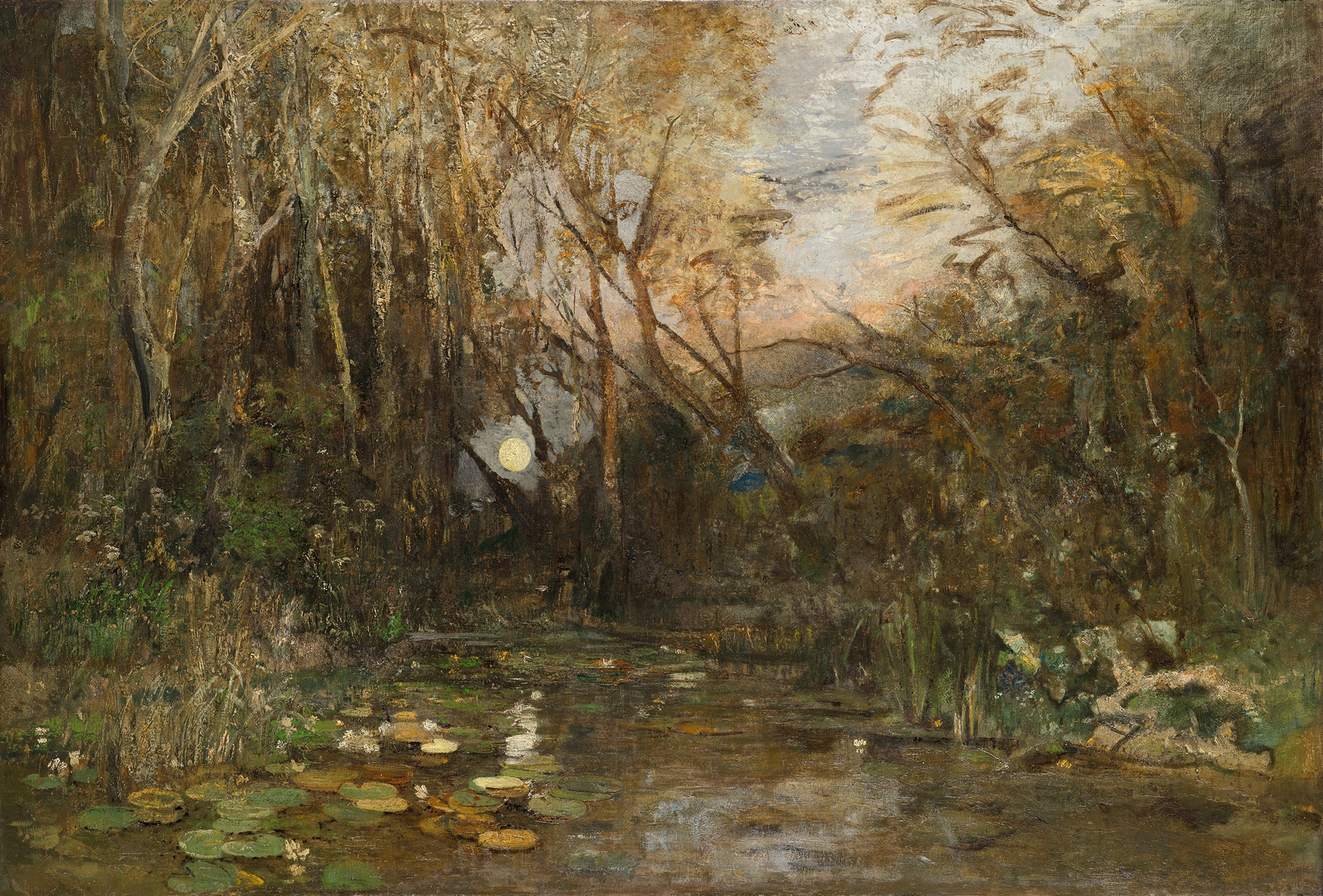
“Every brushstroke is a heartbeat remembered.” In the quiet chaos of nature, the heart of the forest pulses with untold stories, blending the sublime with the frenzied. Focus on the intricate interplay of shadows and light that dances across the canvas, drawing your gaze first to the soft, vibrant greens of the foliage. Notice how the wind seems to ripple through the trees, their branches reaching out like desperate fingers, while the central mill stands resolute yet vulnerable against the backdrop. The palette brims with earth tones, capturing both the serenity of the landscape and hints of underlying tension, as the idyllic scene teeters on the brink of madness.
As you delve deeper, consider the contrast between the tranquility of the forest and the ominous presence of the mill, symbolizing the encroachment of human industry on the primordial wilderness. Hidden among the leaves, the brushstrokes convey a sense of unease, suggesting that nature's beauty is intertwined with chaos. And in the crevices of the bark or the hint of swirling clouds, one can sense the echo of forgotten dreams, whispers of a world under siege.
Emil Jakob Schindler created this piece during a tumultuous time in the late 19th century, a period marked by rapid industrialization in Europe. It reflects his deep connection to nature and the psychological complexities of his evolving artistic style. Living in Vienna, he embraced the Impressionist movement, channeling its ethos while grappling with the transforming landscape around him, rendering an experience that resonates with madness and beauty intertwined.