Landschaft, Lundenburg — History & Analysis
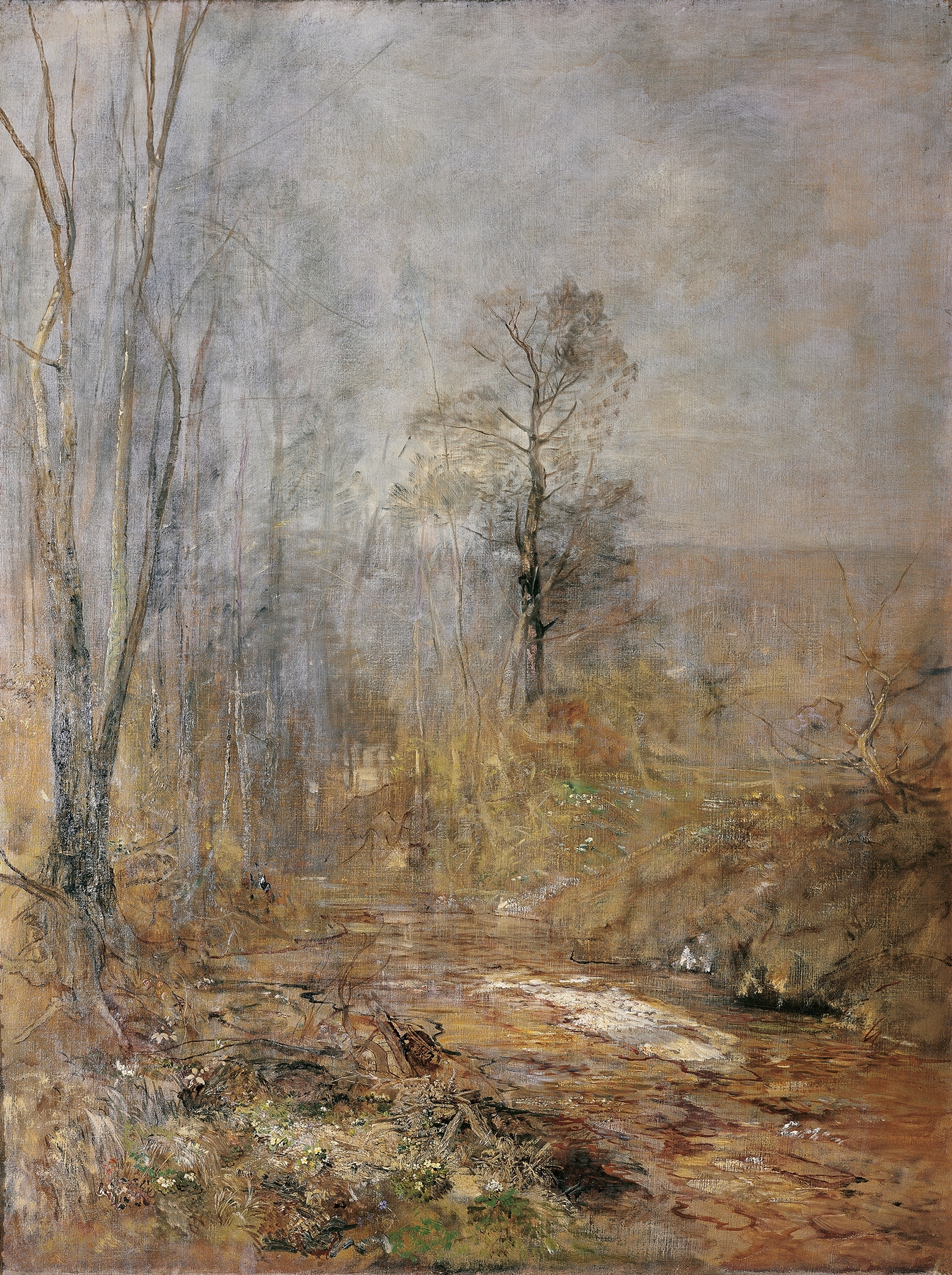
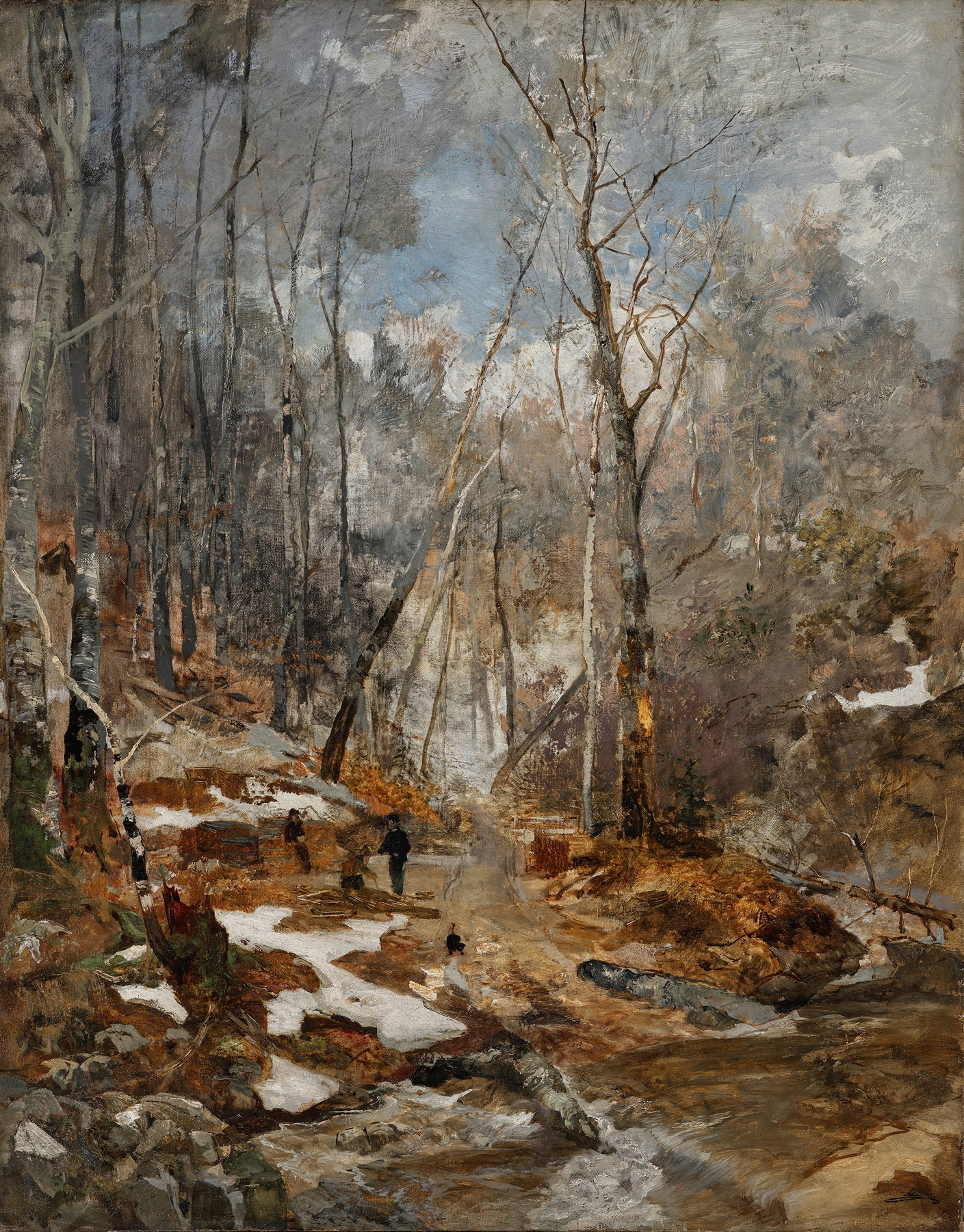
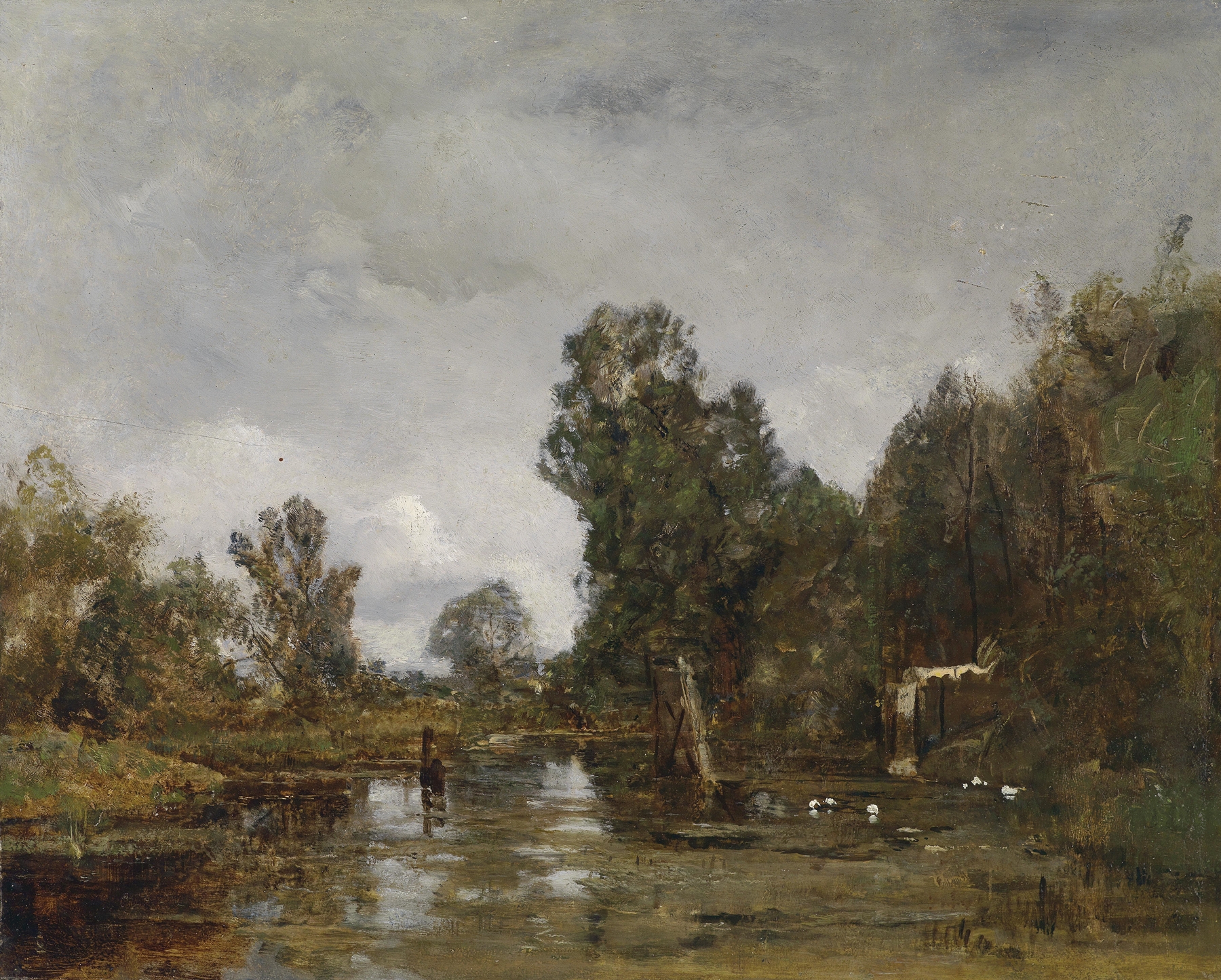
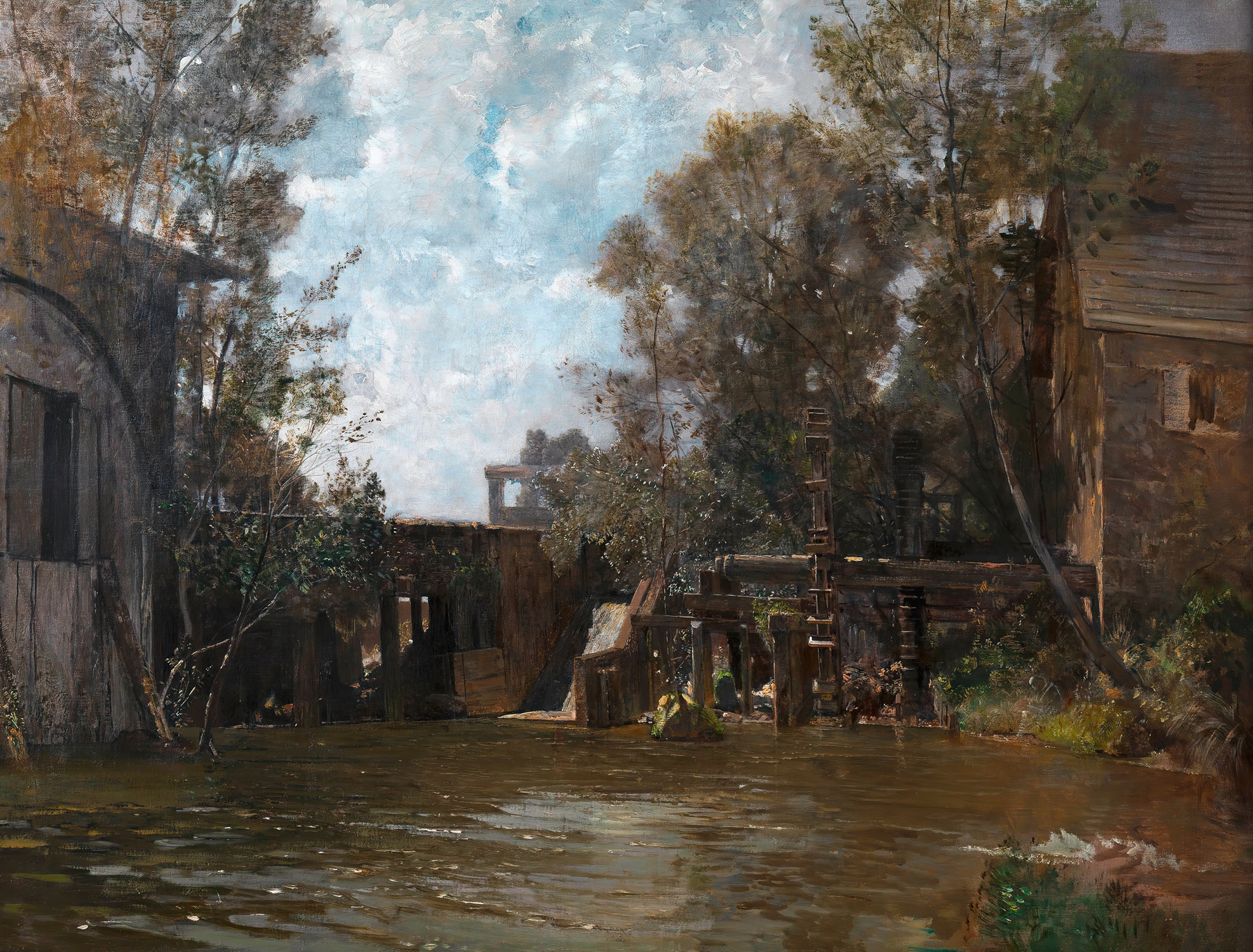
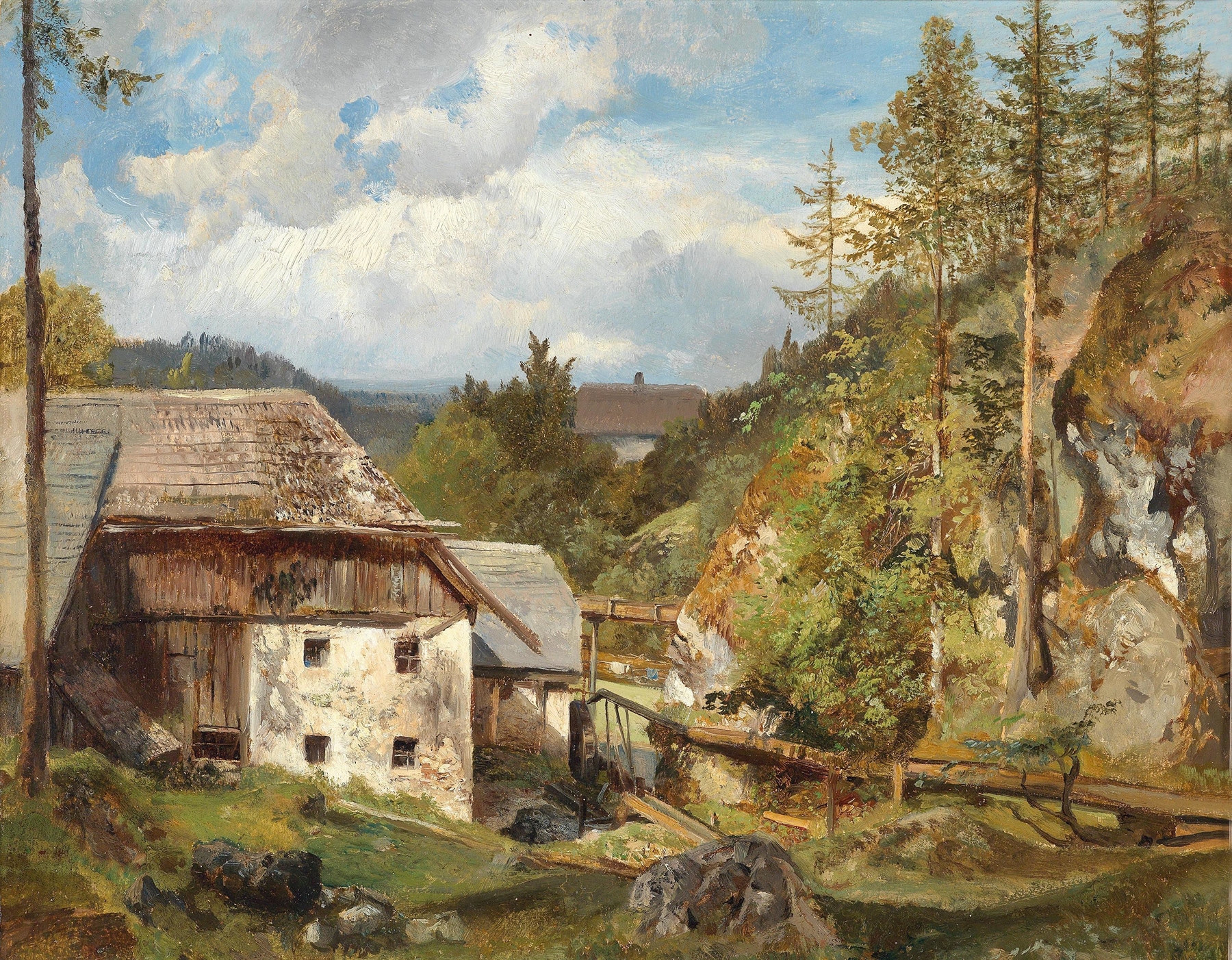
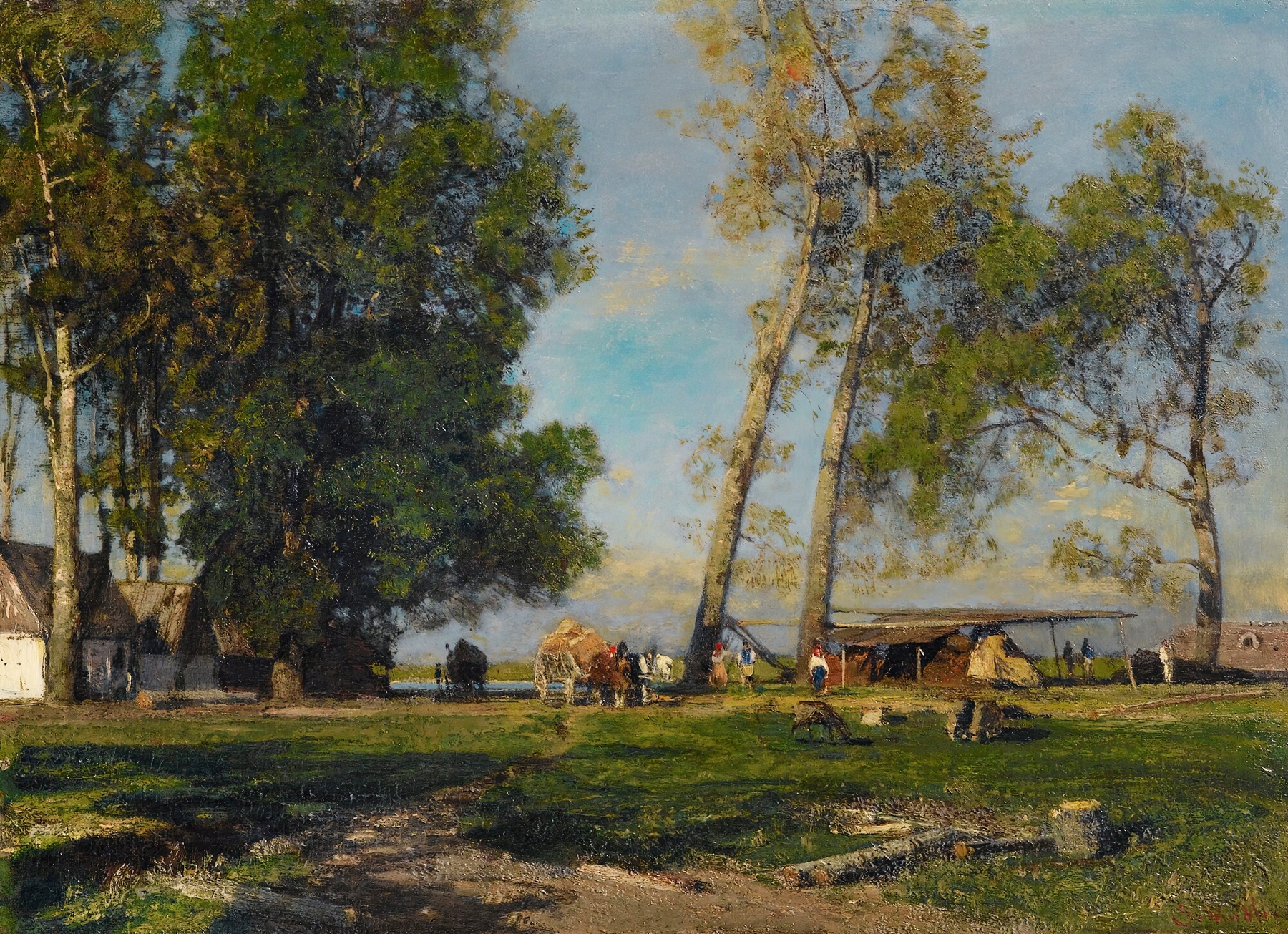
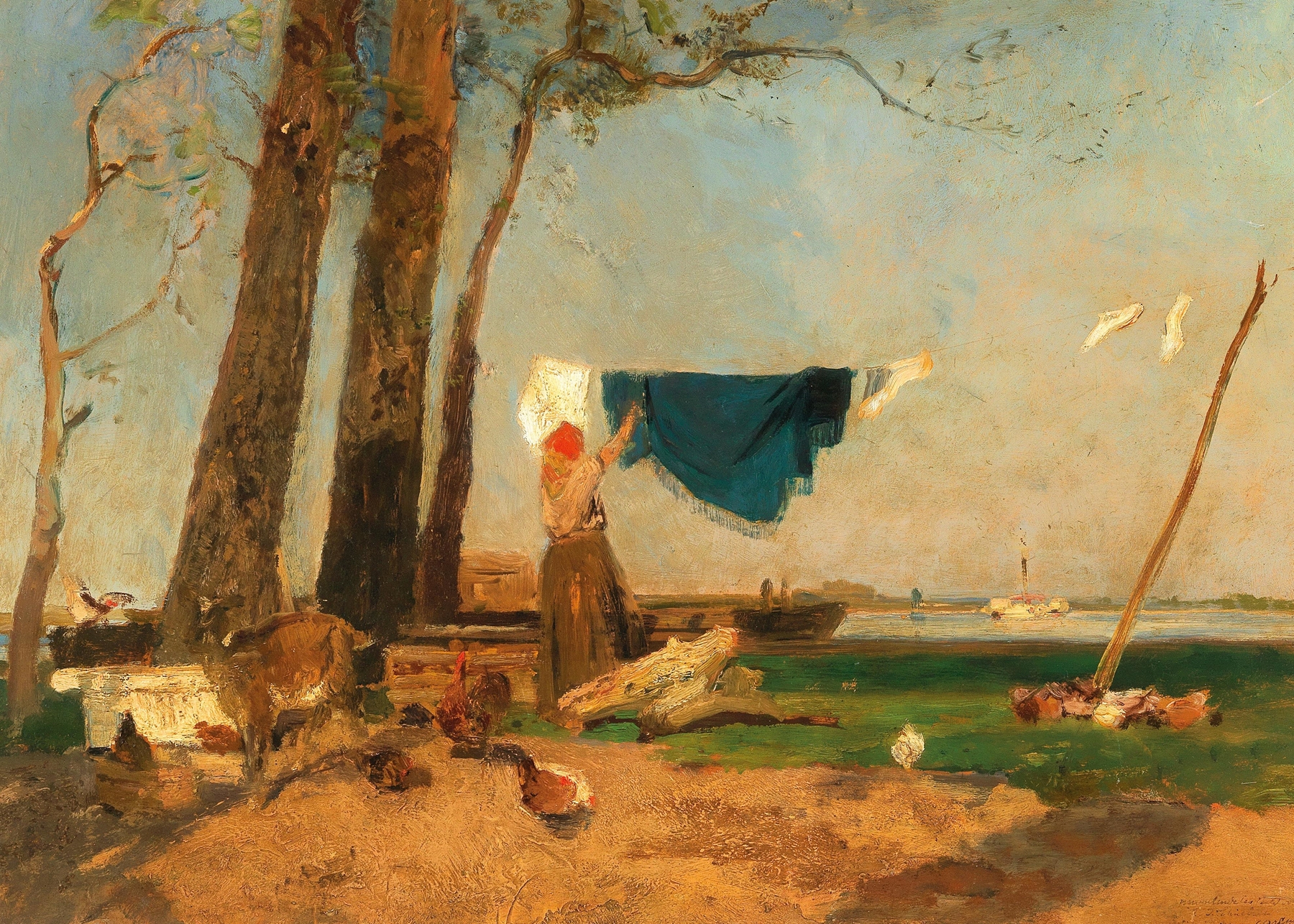
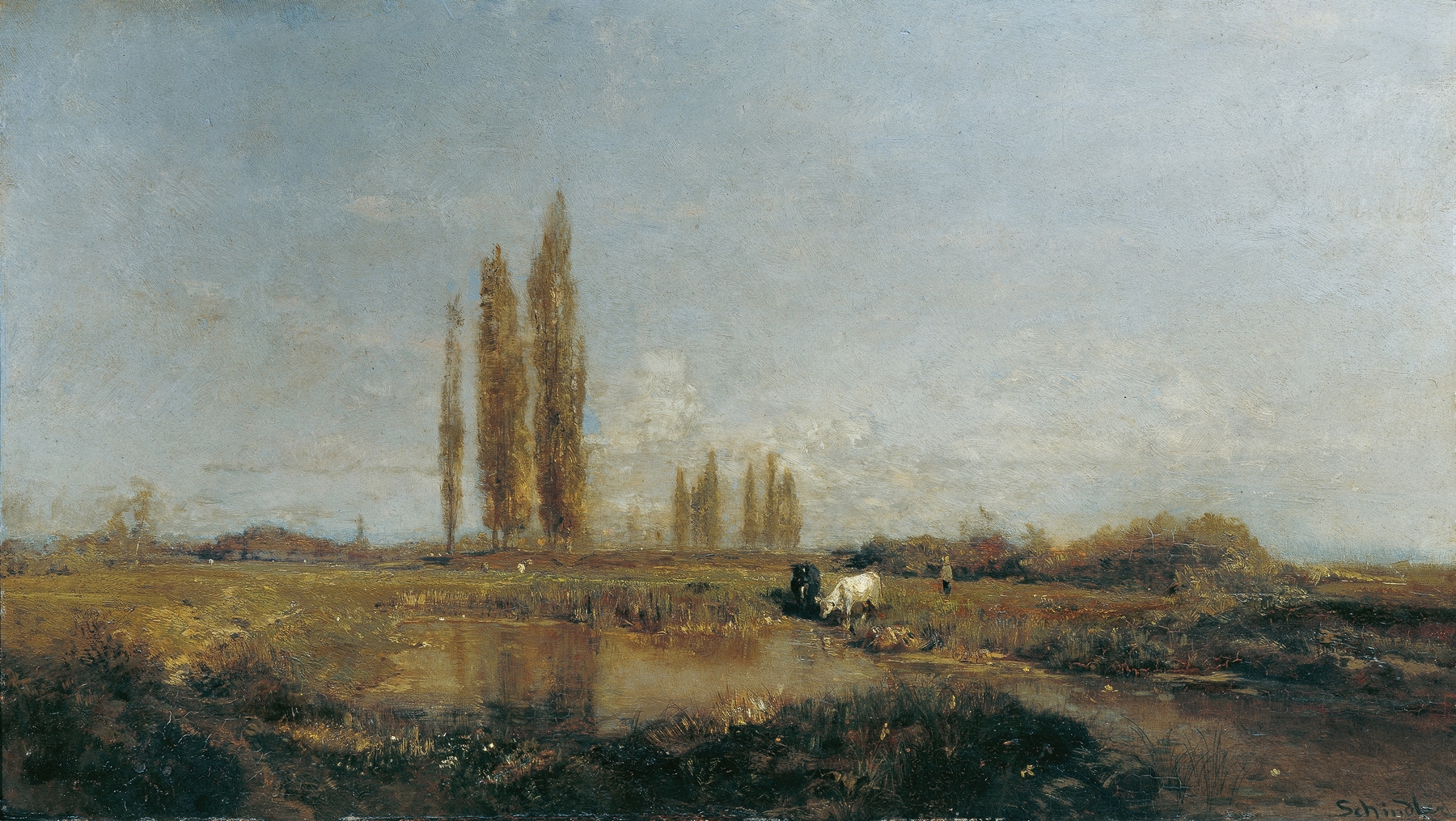
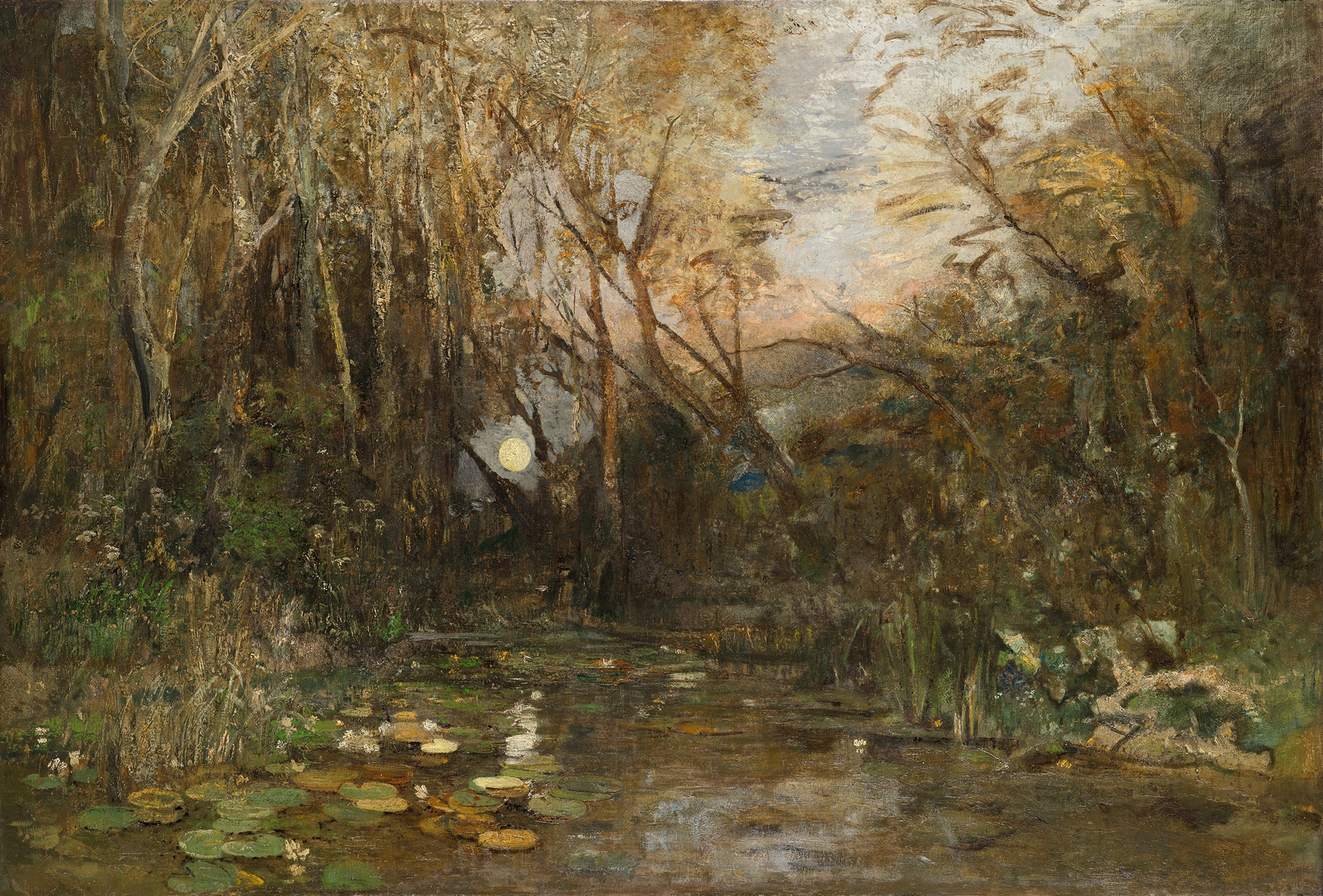
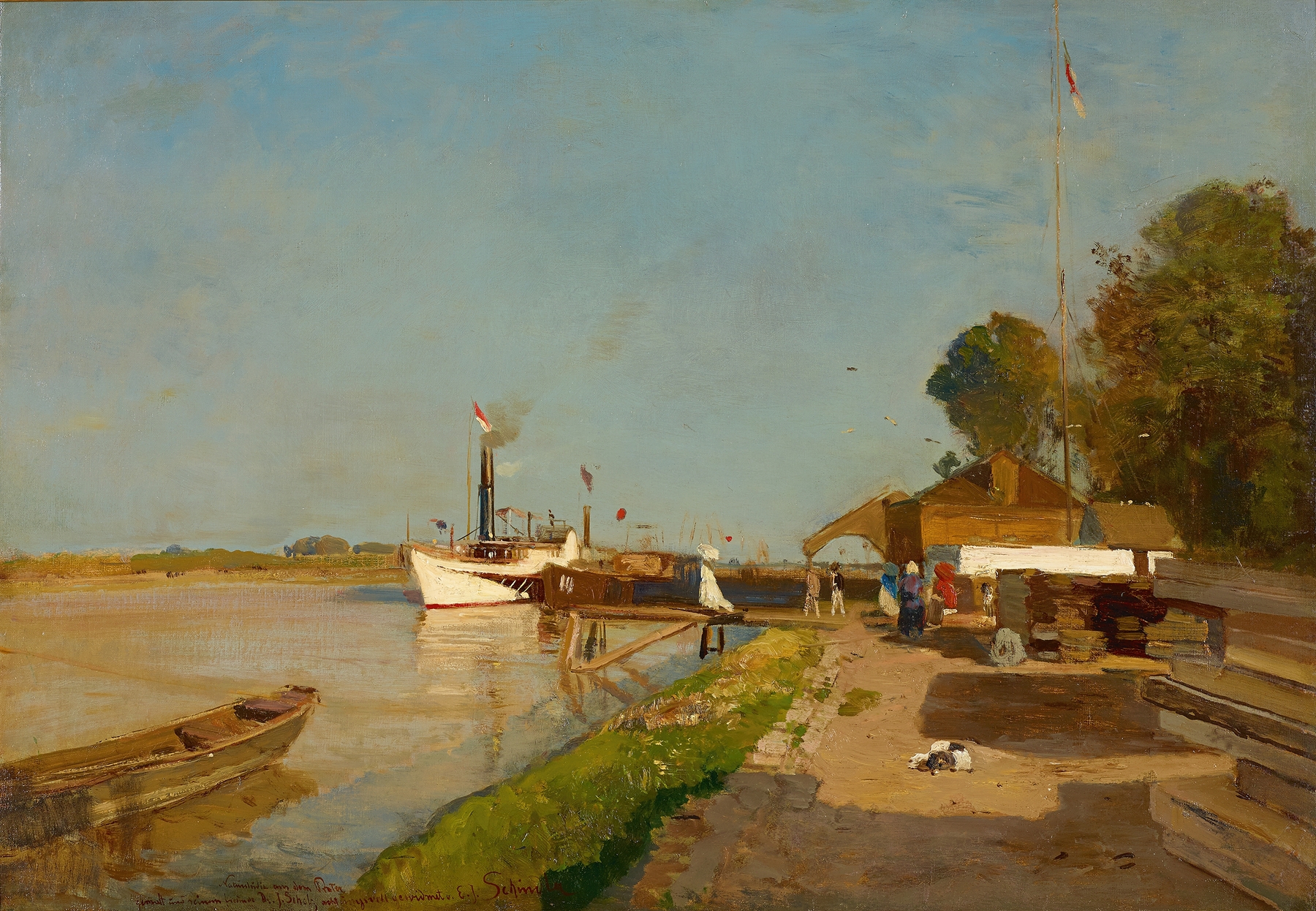
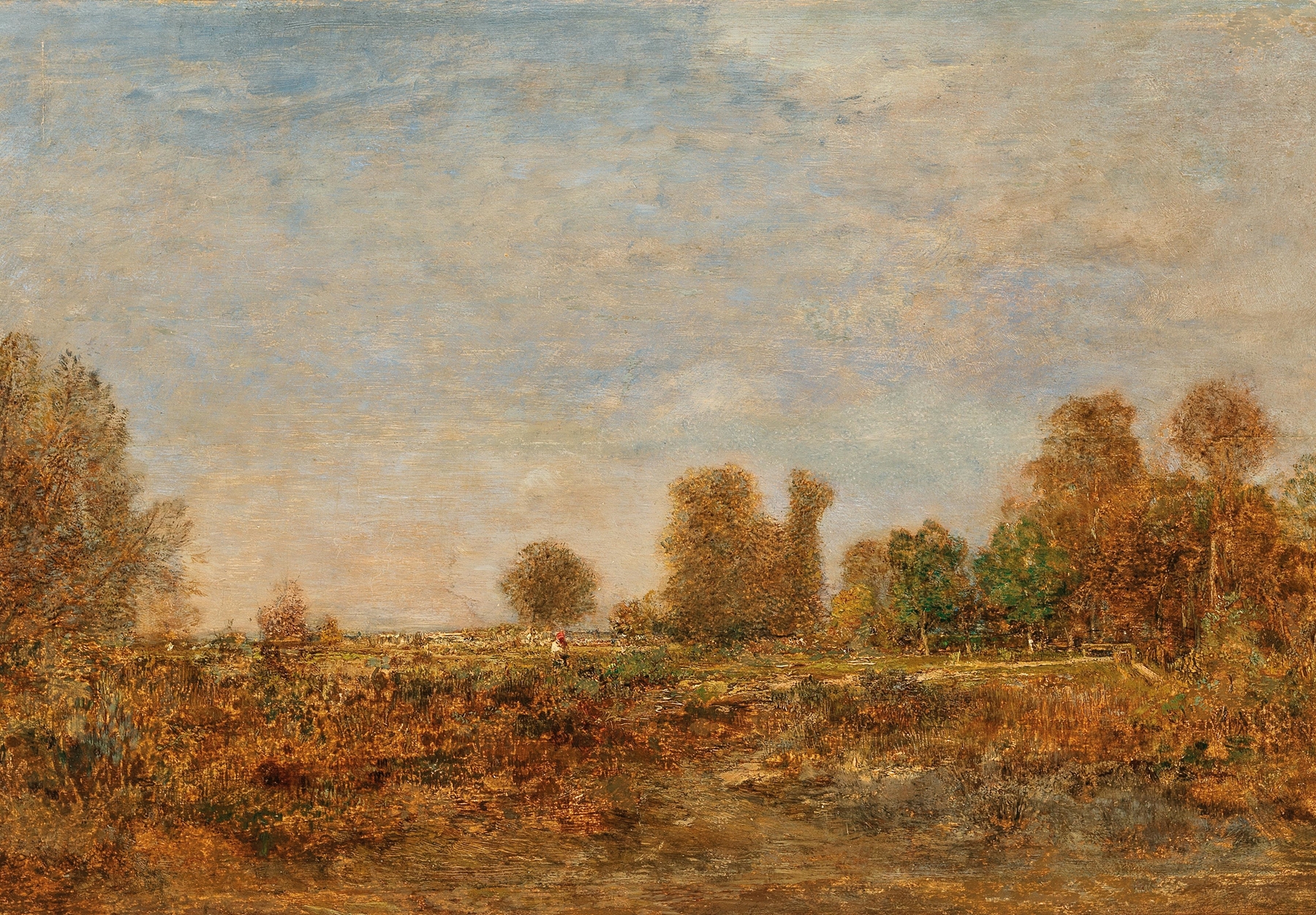
What secret hides in the quiet of the canvas? Time whispers through every brushstroke, revealing layers of existence tucked away in the serene landscape. Look to the horizon where soft hues of twilight embrace the sky, blending gentle pinks and blues that melt into each other. Notice how the light spills over the gentle slopes, casting elongated shadows that dance with the contours of the land. The meticulous details of the trees, their branches stretching gracefully, invite the eye to wander deeper into the lush greenery that seems to pulse with life.
Schindler’s choice of an almost ethereal palette breathes warmth into the scene, while the harmonious arrangement evokes a sense of tranquil passage. Beneath this pastoral calm lies a poignant contrast between the beauty of nature and the relentless march of time. The stillness of the moment belies an underlying tension — the fleeting nature of beauty captured in the fleeting light of dusk. Each element in the landscape serves as a reminder of the cycles of life, hinting at stories only the earth can tell.
The intersection of shadow and light symbolizes both the known and the unknown, forging a dialogue between the past and the present. In the early 1880s, while residing in Vienna, Schindler created this piece during a period when the influence of Impressionism was burgeoning across Europe. His work echoed the growing appreciation for naturalism, as artists sought to capture the essence of landscape in a way that transcended mere representation. In this transitional phase, Schindler’s artistic exploration reflects not only his personal journey but also a cultural shift towards embracing the emotional resonance of light and color in art.