A washerwoman on the Danube bank, near the Praterspitz — History & Analysis
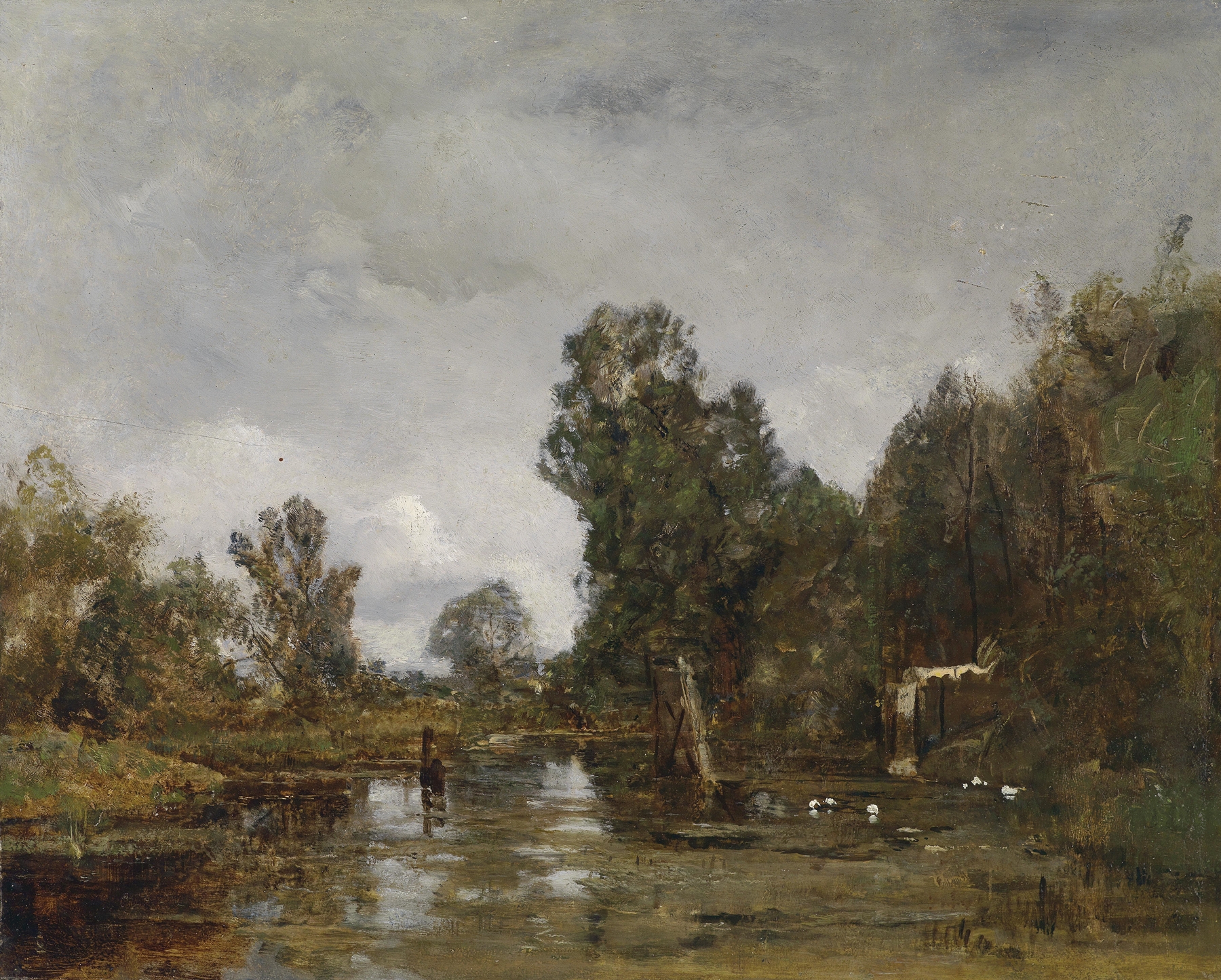
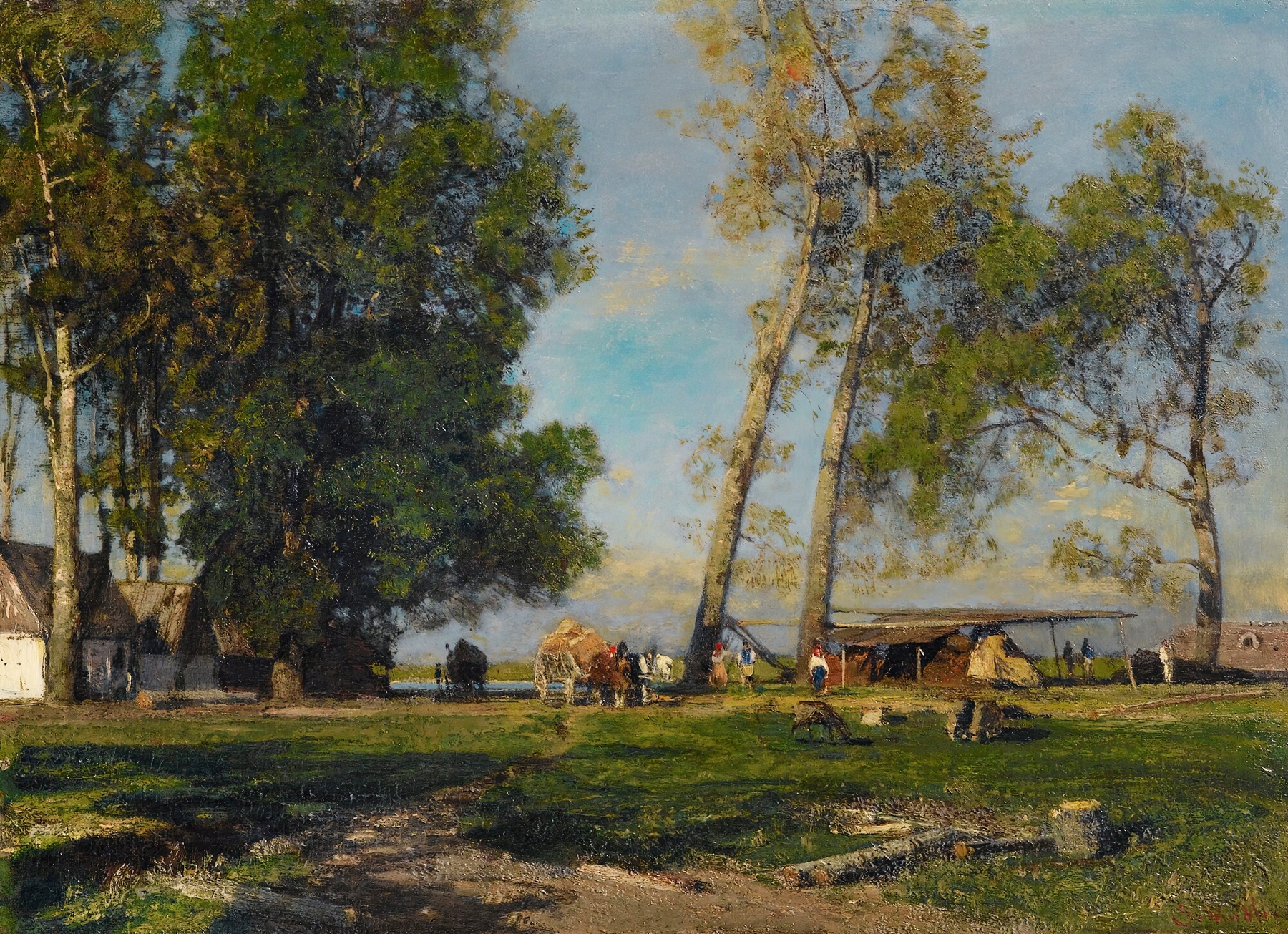
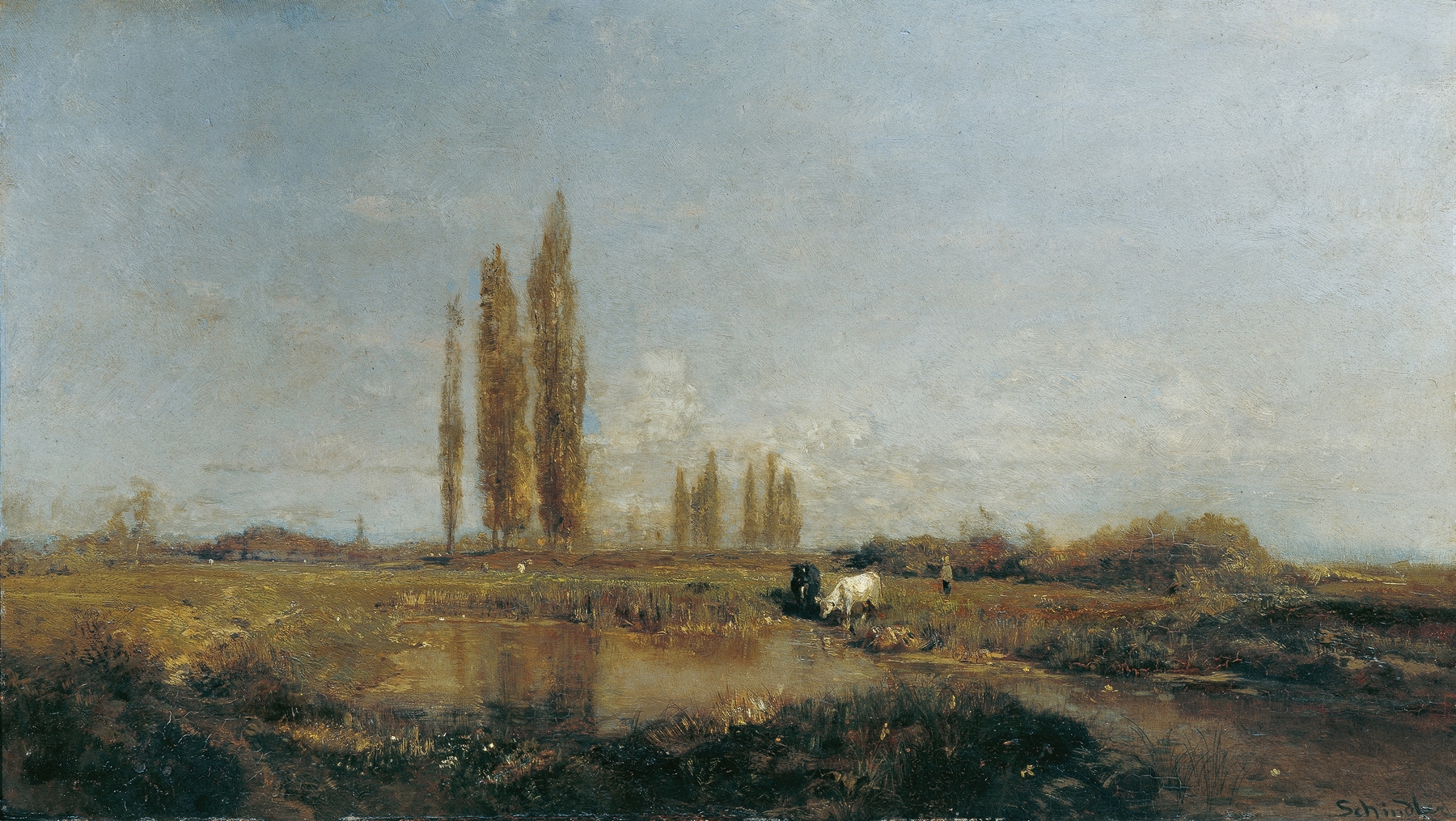
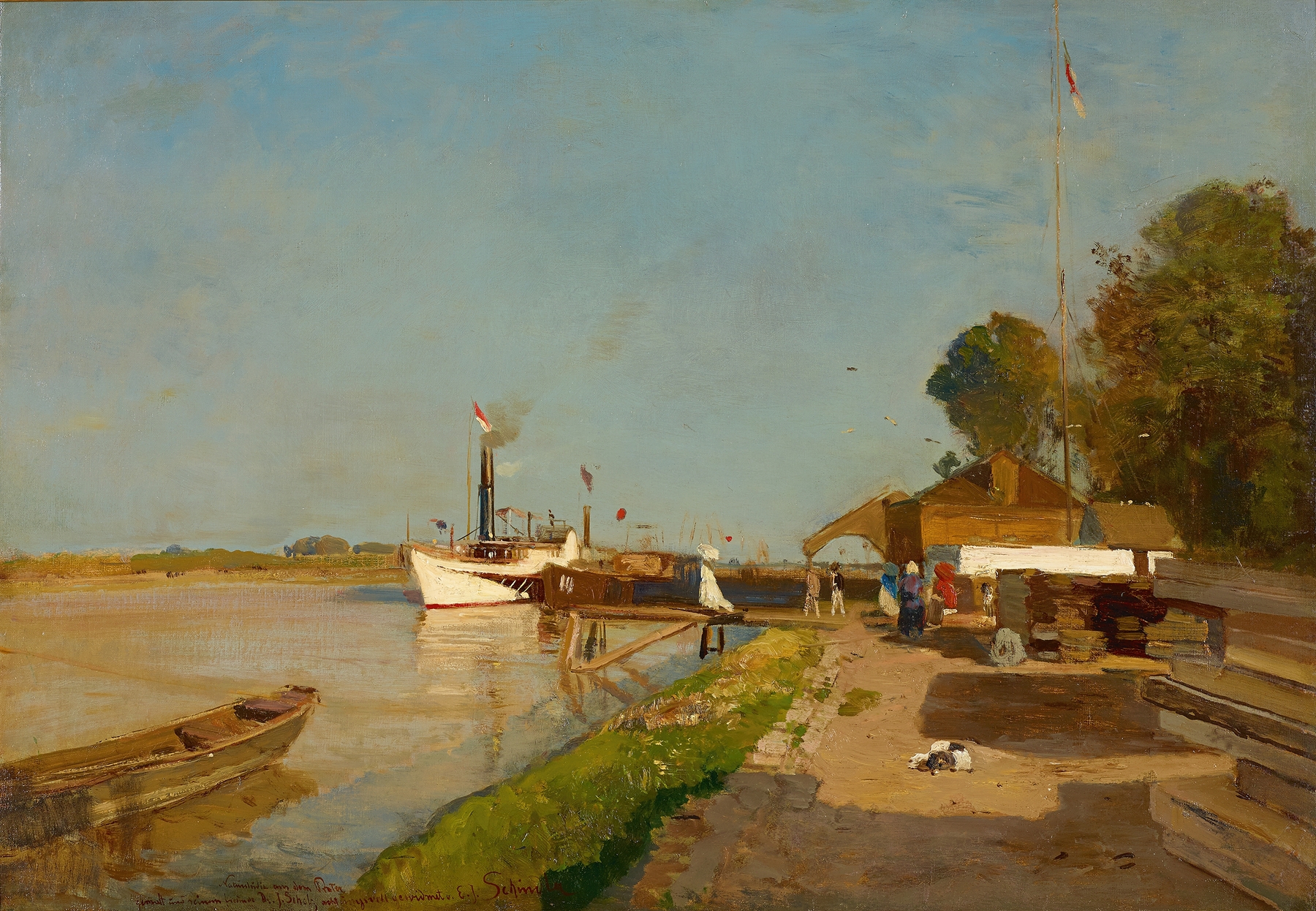
What if silence could speak through light? In A washerwoman on the Danube bank, near the Praterspitz, a tranquil moment unfolds, where the gentle ripples of the river intertwine with the quiet labor of everyday life. Look to the left where the washerwoman kneels by the water’s edge, her figure framed against the lush greenery and a dappled sunlight that dances on the surface of the Danube. Each stroke of Schindler’s brush captures the delicate folds of her clothing, while the soft blue and green hues harmonize with the warm notes of the sun, creating a serene yet vibrant tableau.
The meticulous attention to texture brings to life both the woman’s rough hands and the smoothness of the flowing river, inviting viewers to feel the contrast in their own skin. Beneath the surface, this artwork speaks to the rhythm of nature and labor, highlighting the juxtaposition of human toil against the timeless flow of the river. The washerwoman’s solitary figure embodies resilience in her daily routine, while the expansive landscape suggests a world indifferent to her struggles. In this quiet moment, the viewer senses both the weight of her work and the gentle ease of nature’s embrace, evoking a profound awe for both the simplicity and complexity of existence.
Emil Jakob Schindler painted this scene around 1868, a time when he was deeply engaged in the representation of rural life along the Danube. Living in Vienna, he was influenced by the emerging Impressionist movement, striving to capture the essence of light and atmosphere. This painting reflects his commitment to portraying everyday moments with grace and dignity, marking a pivotal point in his artistic evolution.