Fischende Kinder — History & Analysis
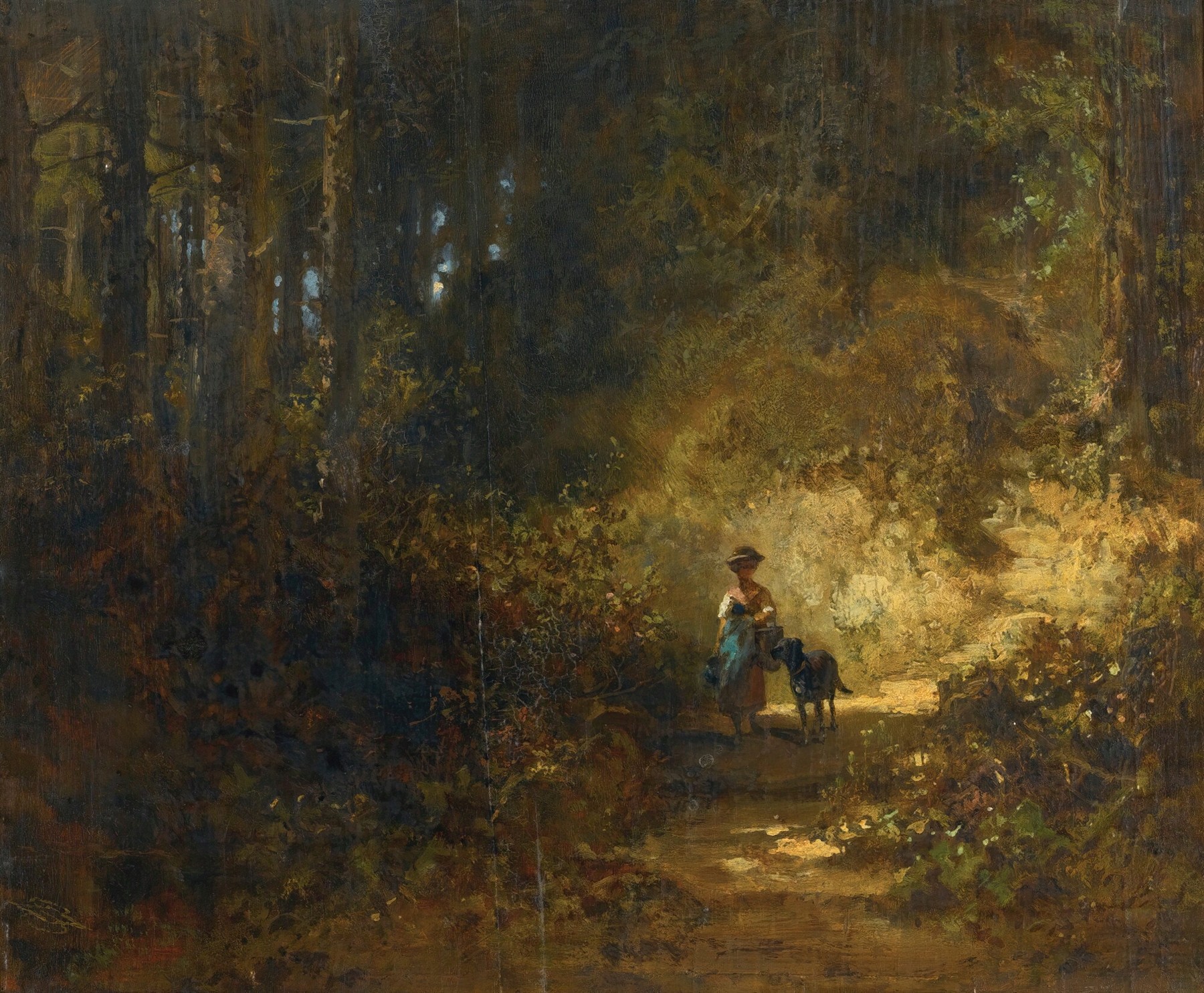
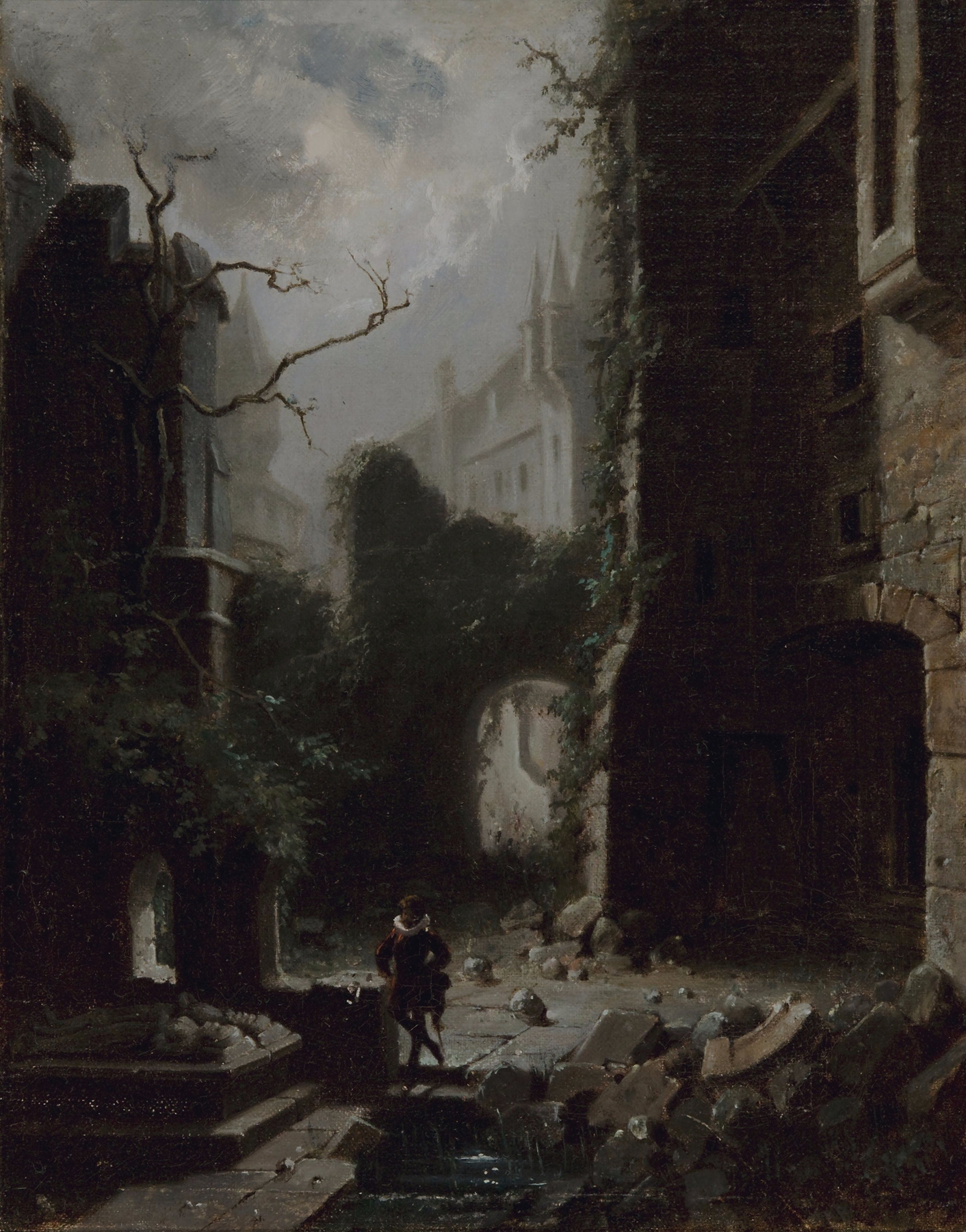
“Sometimes beauty is just pain, disguised in gold.” This reflection resonates deeply in the quiet depths of childhood innocence and unfulfilled desires, captured in a fleeting moment. Look to the left, where two children, eagerly poised with their fishing lines, embody an innocence untouched by the world’s complexities. Their bright attire contrasts with the muted earth tones of the background, while soft, dappled light dances through the foliage above. The delicate brushwork reveals the textures of their surroundings, with each stroke bearing witness to the tender yet elusive nature of their hopeful venture.
Yet, lurking beneath this idyllic scene is a poignant contrast—the joy of their laughter against the stillness of the pond hints at the void of potential disappointment. The shimmering water, a mirror of dreams unfulfilled, speaks to the transitory nature of childhood. The children’s focused expressions reflect a yearning that transcends their playful endeavor, suggesting that the act of fishing is but a metaphor for seeking joy in a world that sometimes eludes grasp.
In Fischende Kinder, painted between 1865 and 1870, Carl Spitzweg was firmly established in the burgeoning art scene of Germany, embracing themes of everyday life infused with romanticism. During this period, as European society faced rapid changes, he drew on both humor and nostalgia, capturing the essence of simplicity in a complex world. This work encapsulates the delicate balance between the childish delight of fishing and the underlying currents of longing that attend the human experience.