Floris V, Jan I, Jan II en Willem III — History & Analysis
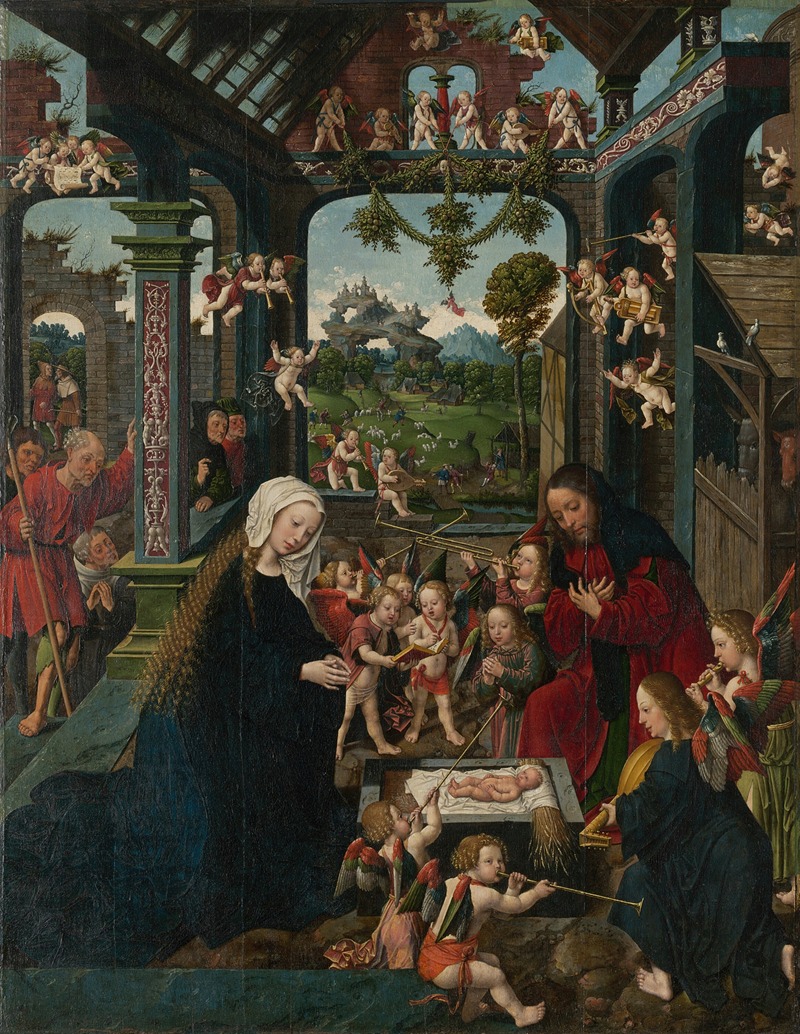
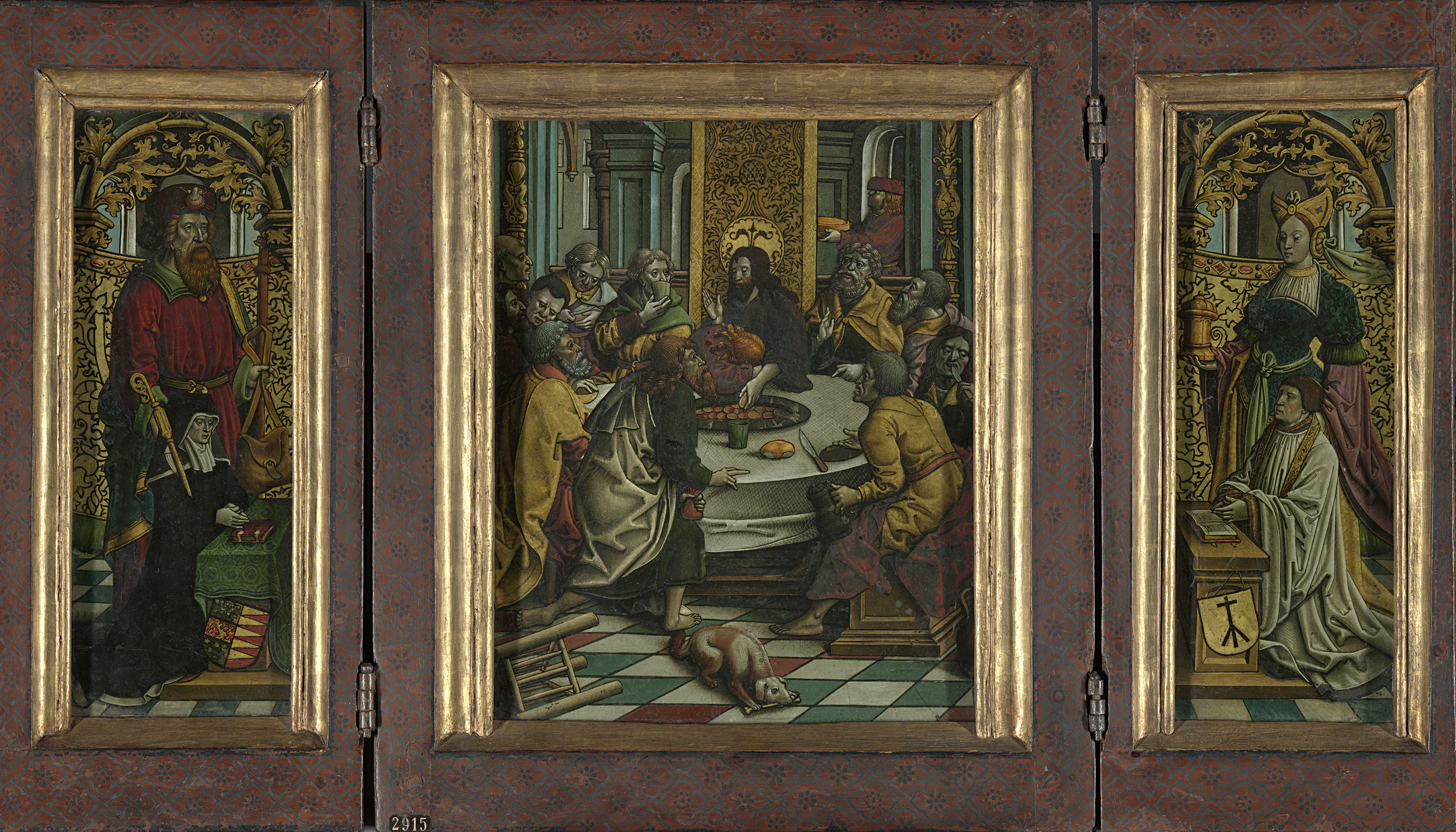
“To paint is to remember what time wants us to forget.” In the serene realm of art, moments freeze, capturing both ecstasy and impermanence. Here, we encounter a vivid tableau that beckons the viewer to delve into the hearts of its subjects. Look to the left at the vibrant hues of the royal garments enveloping the figures, each stitch an echo of opulence. The gleaming golds and deep reds command attention, while the intricate details of the fabric swirl with a life of their own. Notice how the soft light caresses the faces of Floris V, Jan I, Jan II, and Willem III, highlighting their expressions—each a window into the era's power dynamics and familial ties.
The careful composition draws the eye across the canvas, inviting a dance through history. Yet the painting holds more than what is immediately visible. The contrast between the subjects’ serene expressions and the rich, imposing background speaks to the tension of their roles—guardians of legacy and yet, fragile mortals. The droop of a hand, the tilt of a head, or the faintest smirk captures the weight of expectations and the ecstasy of ambition, hinting at the personal desires that lay beneath the surface of their royal duties.
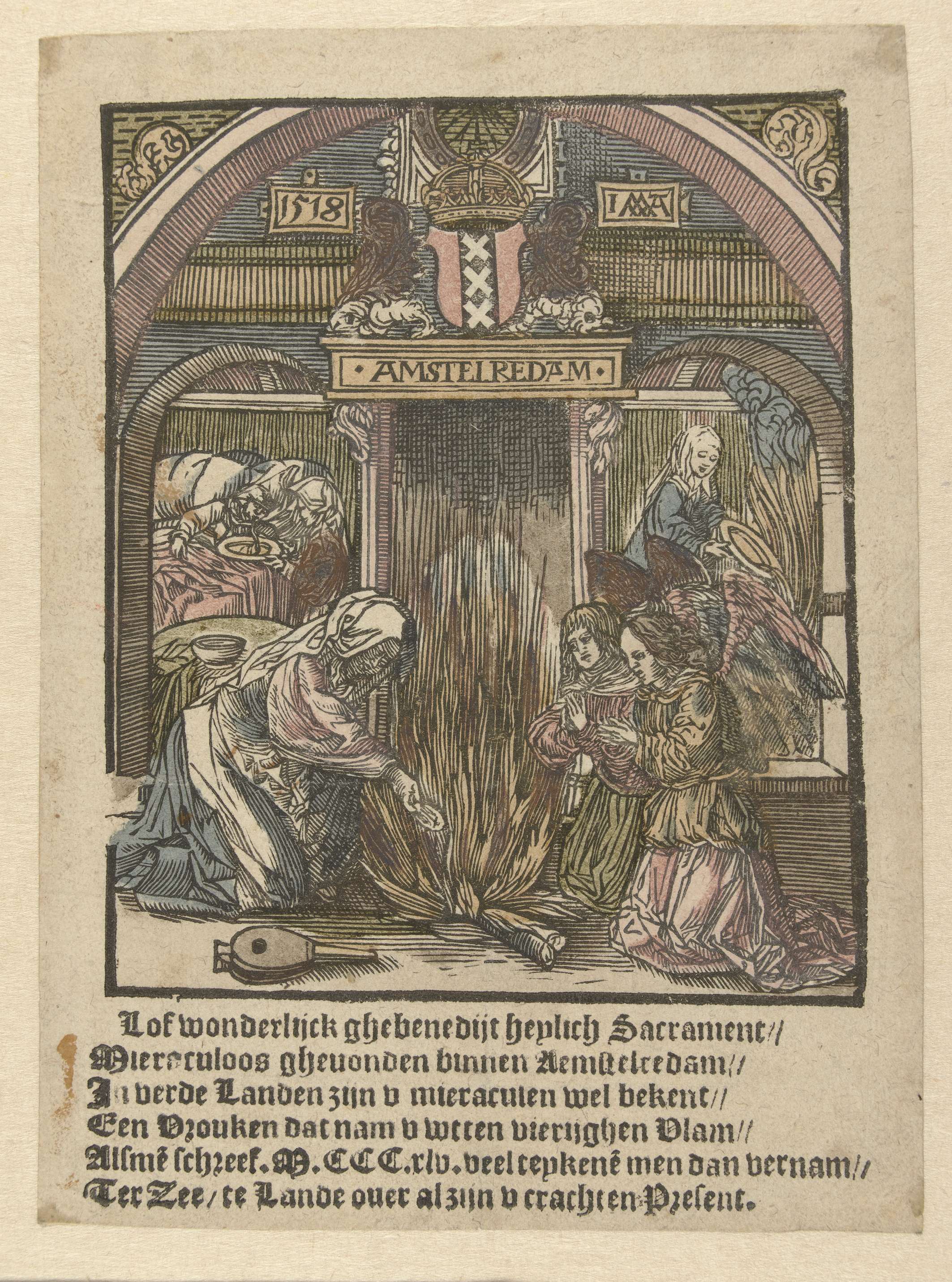
Each detail whispers of history, echoing the complexity of lineage and the bittersweet nature of legacy. In 1518, the artist captured this royal ensemble in the heart of the Northern Renaissance. Van Oostsanen, based in Amsterdam, painted at a time when the Netherlands was flourishing culturally and economically. His work reflects the burgeoning interest in individualism and portraiture, situating him as a significant figure in the transition from medieval to modern artistic expression.