Foreground study on the Mediterranean — History & Analysis
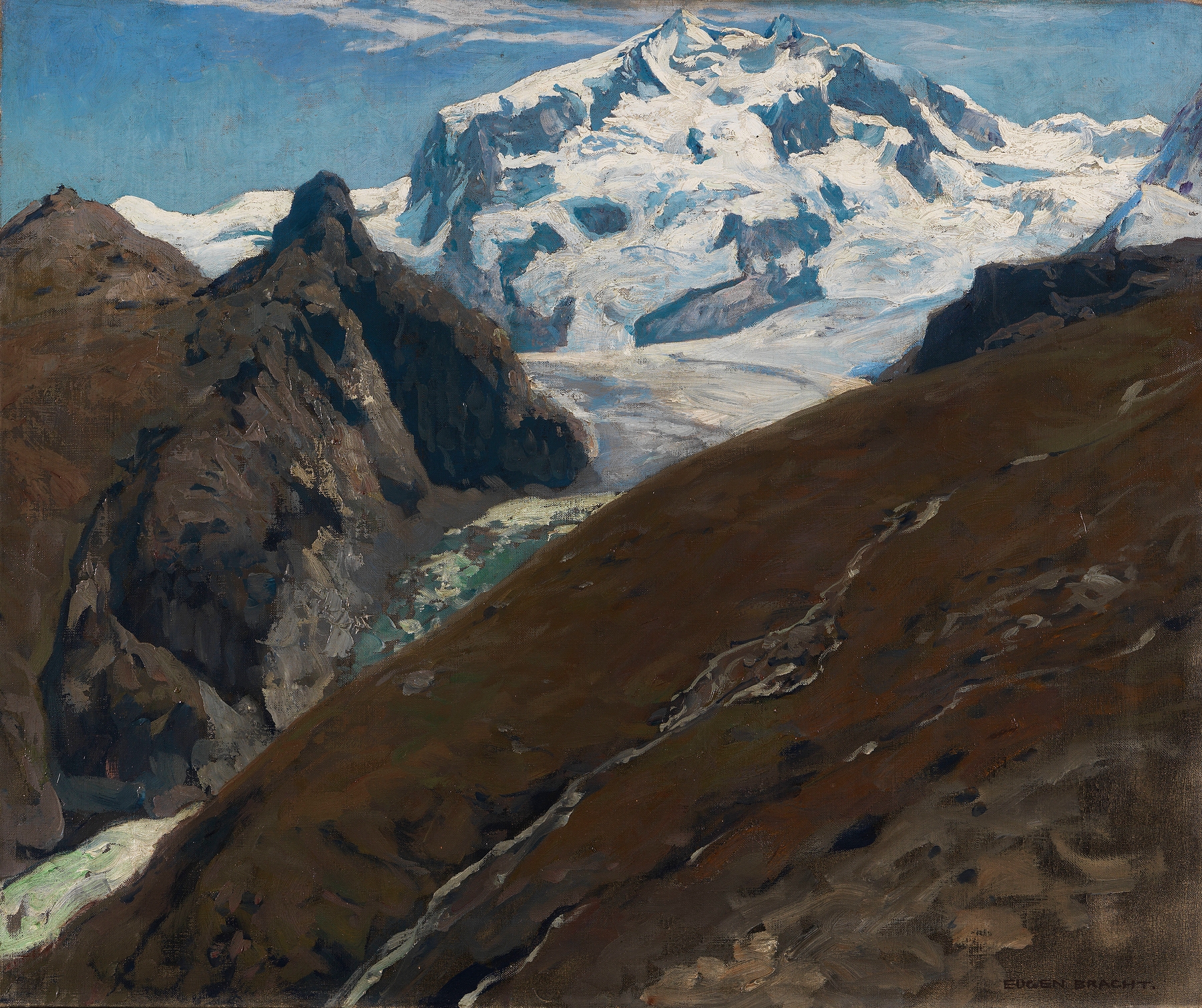
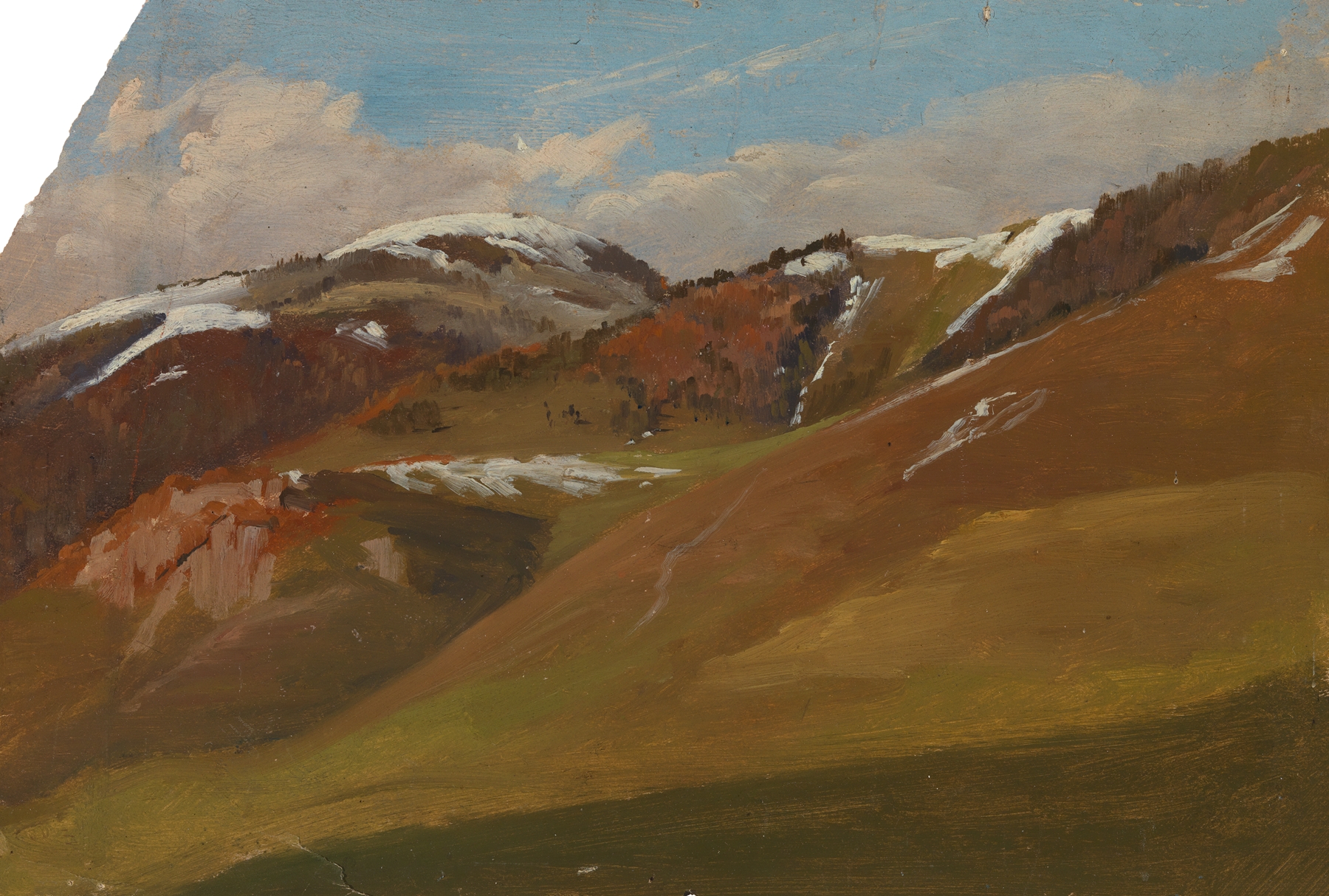
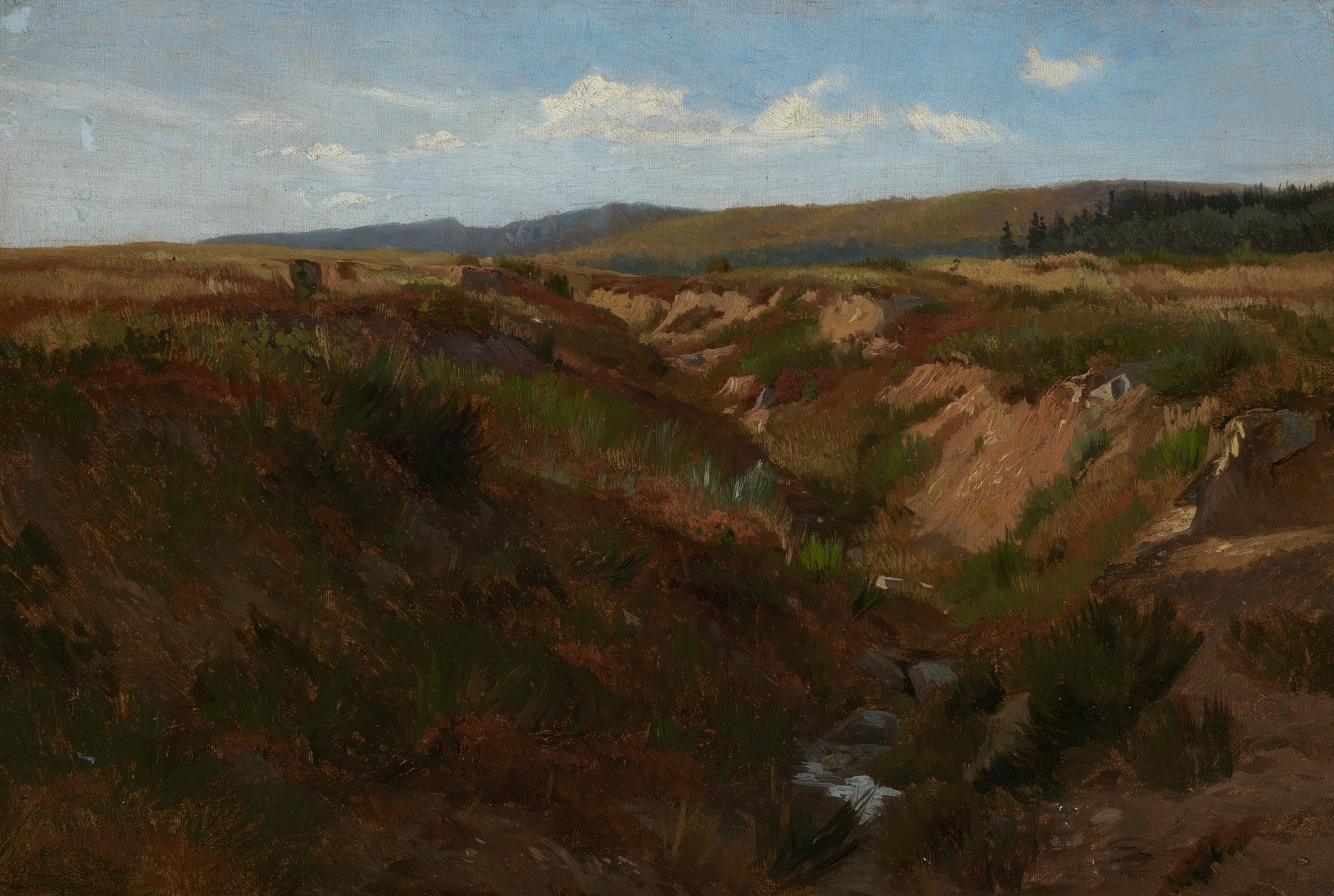
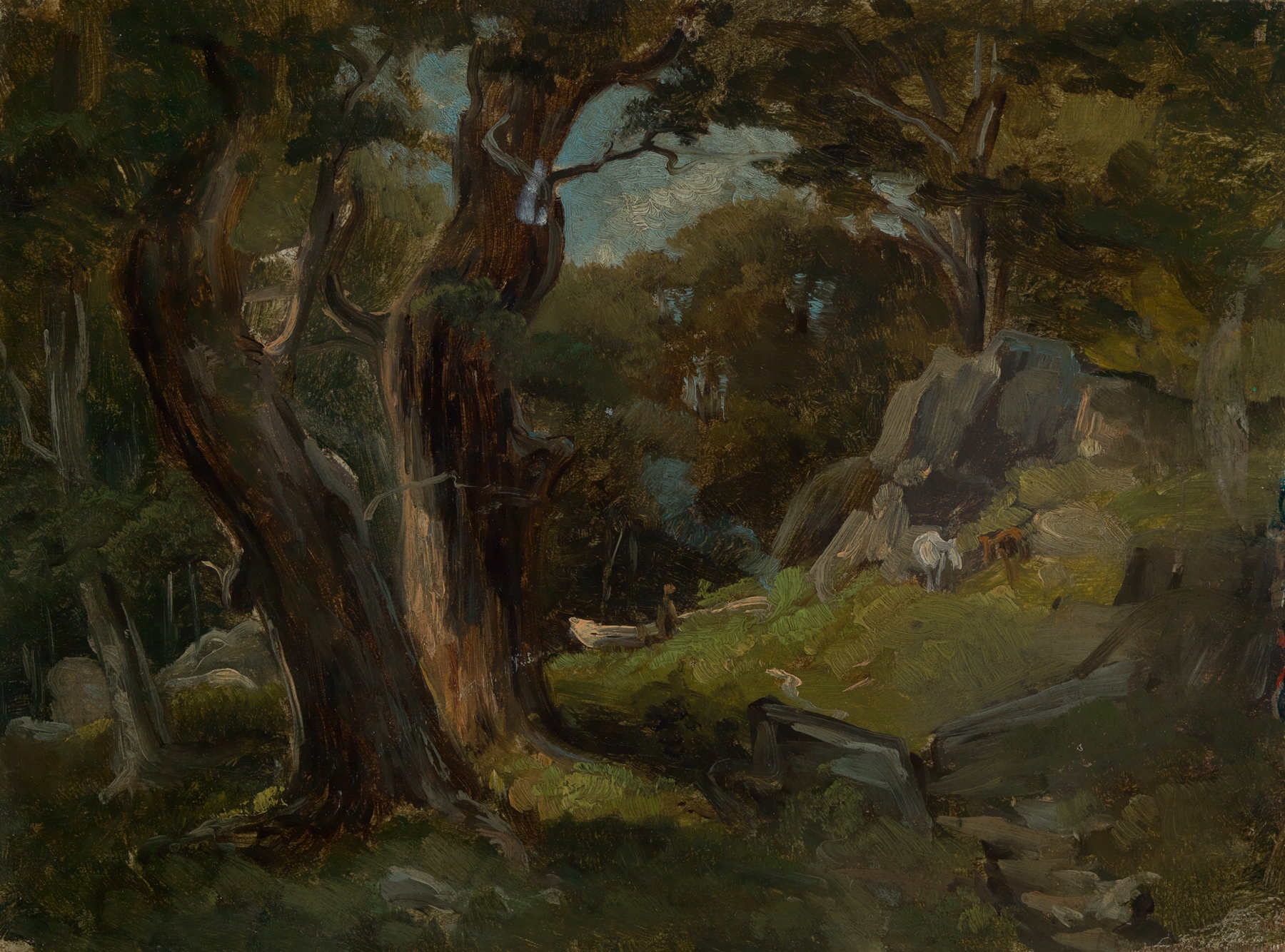
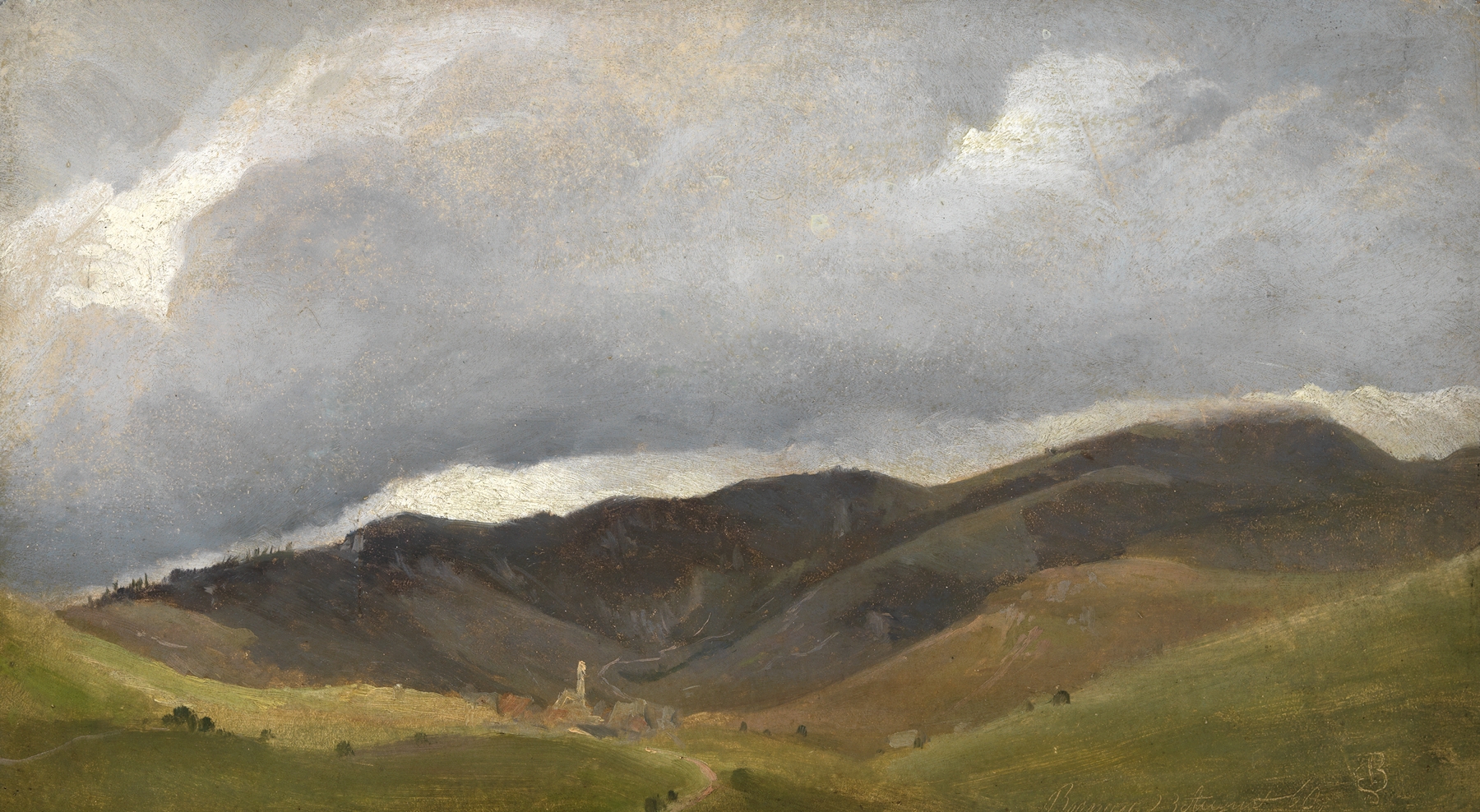
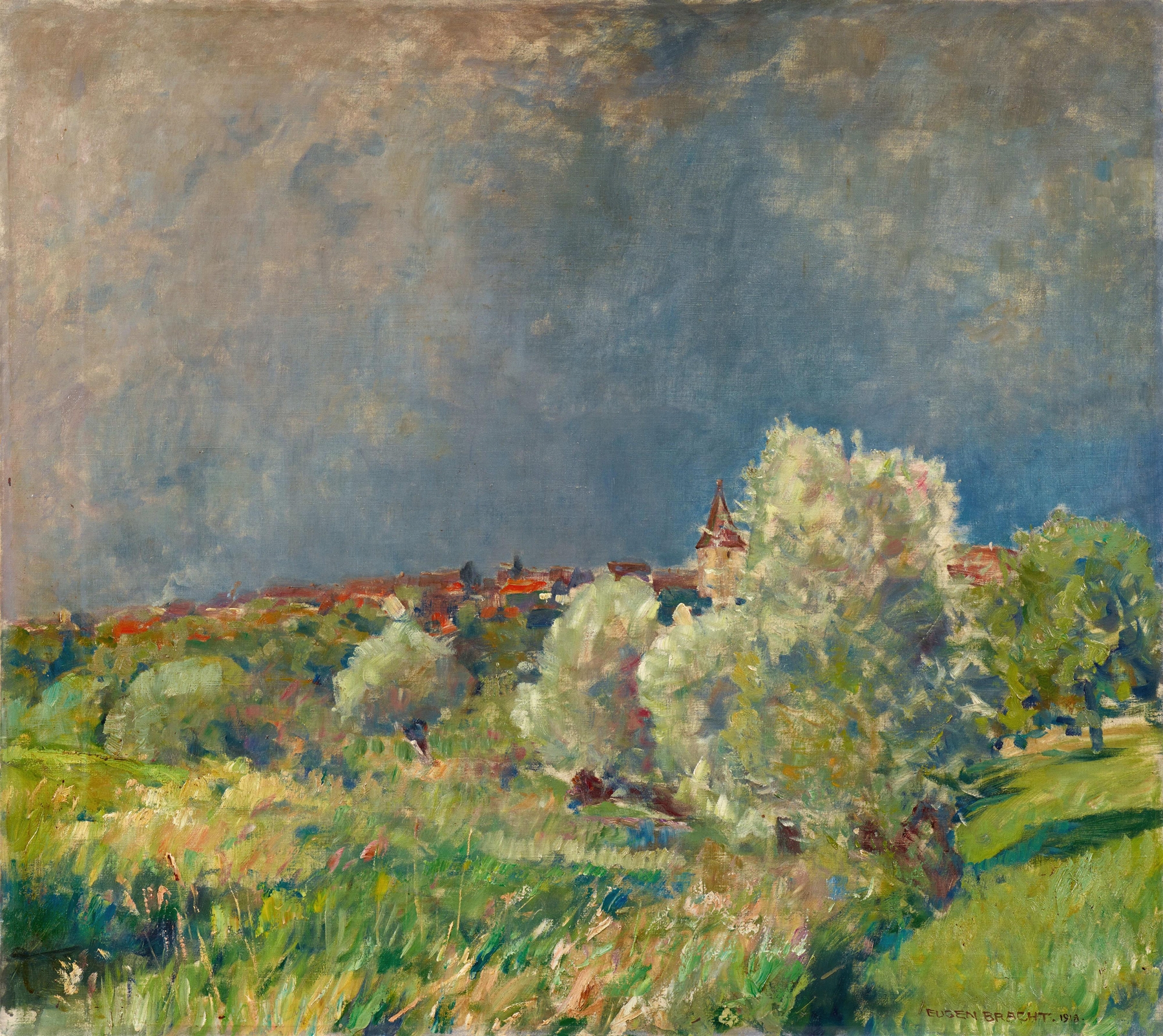
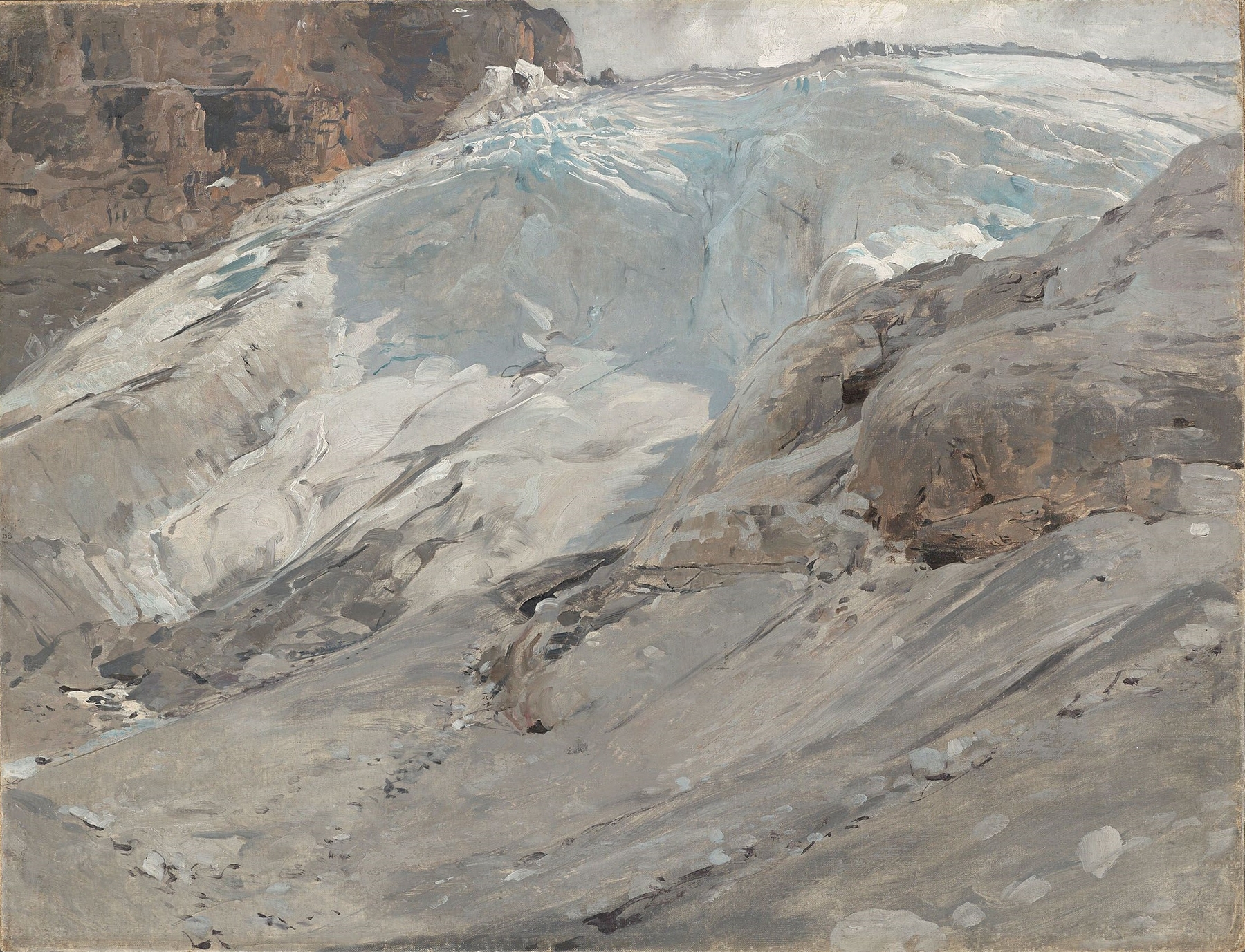
“Every silence here is a confession.” In the expanse of the Mediterranean, where land meets sky, divinity is captured in a tranquil embrace that suggests a deeper truth about existence. Focus on the harmonious blend of colors; the deep blues and rich greens evoke a sense of serenity, urging viewers to contemplate the vastness of the sea and the spiritual revelations it can inspire. Notice how the painter’s brushwork invites you to wander within the landscape, leading your gaze from the gentle waves lapping at the shore to the distant hills that cradle the horizon. Each stroke is deliberate, conjuring a dreamlike quality that transcends mere representation and invites reflection.
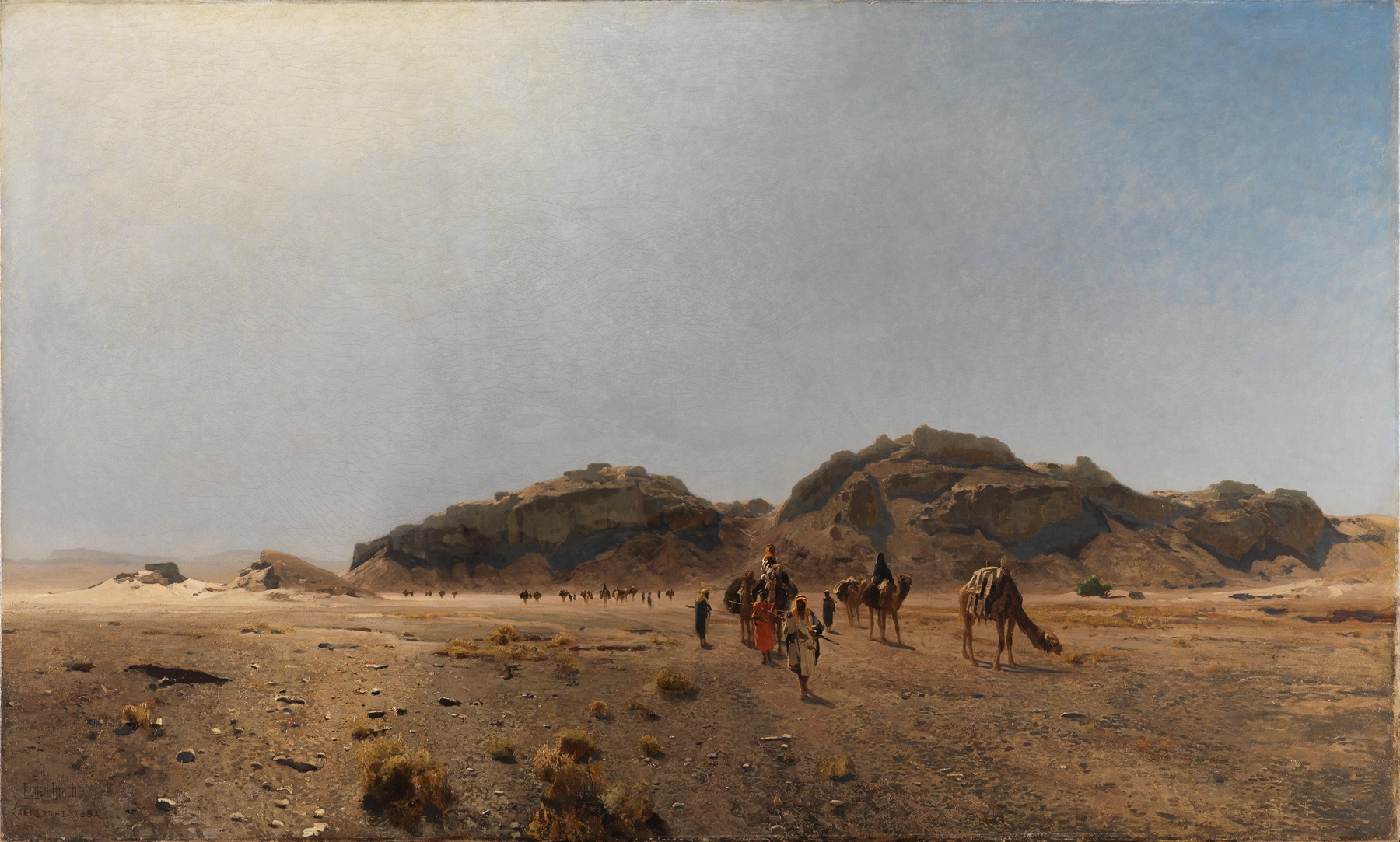
Delve into the contrast between the stillness of the water and the dynamism of the sky, where soft clouds drift and the light takes on an ethereal glow. The play of light hints at the divine, casting reflections that dance across the canvas, suggesting an interplay of earthly and heavenly realms. The figures, though sparse, seem to embody the quiet reverence of ancient pilgrims, their presence a reminder of humanity's quest for connection with something greater.
Eugen Bracht painted this work in 1893 during a period marked by a fascination with nature and the pursuit of spiritual meaning. At the time, he found himself amidst an artistic movement that valued emotional expression and authenticity, reflecting broader philosophical currents in Europe. Living in Germany, Bracht was influenced by the Romantic tradition, which celebrated the sublime beauty of the natural world and its capacity to inspire awe and introspection.