Forest Interior — History & Analysis
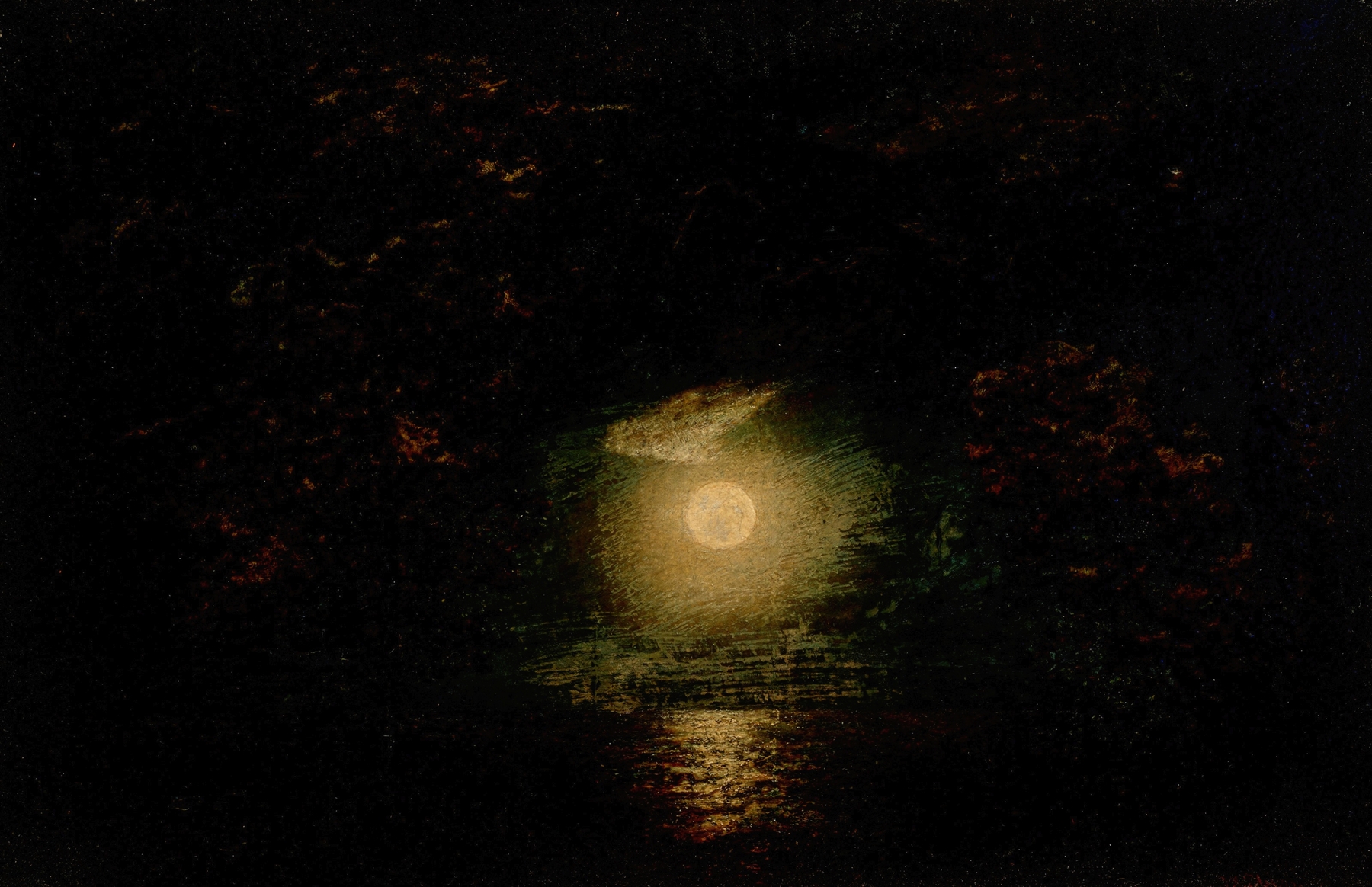
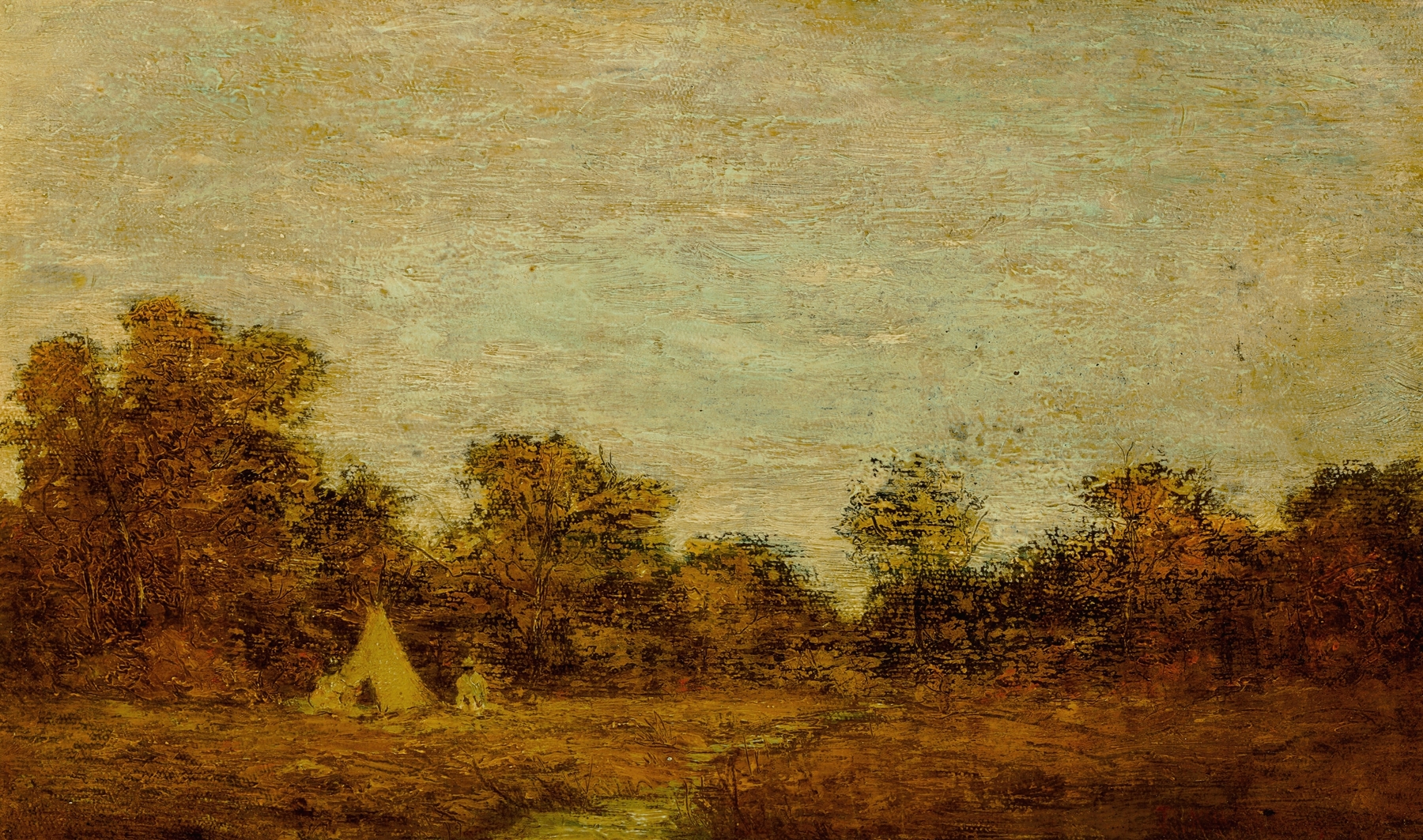
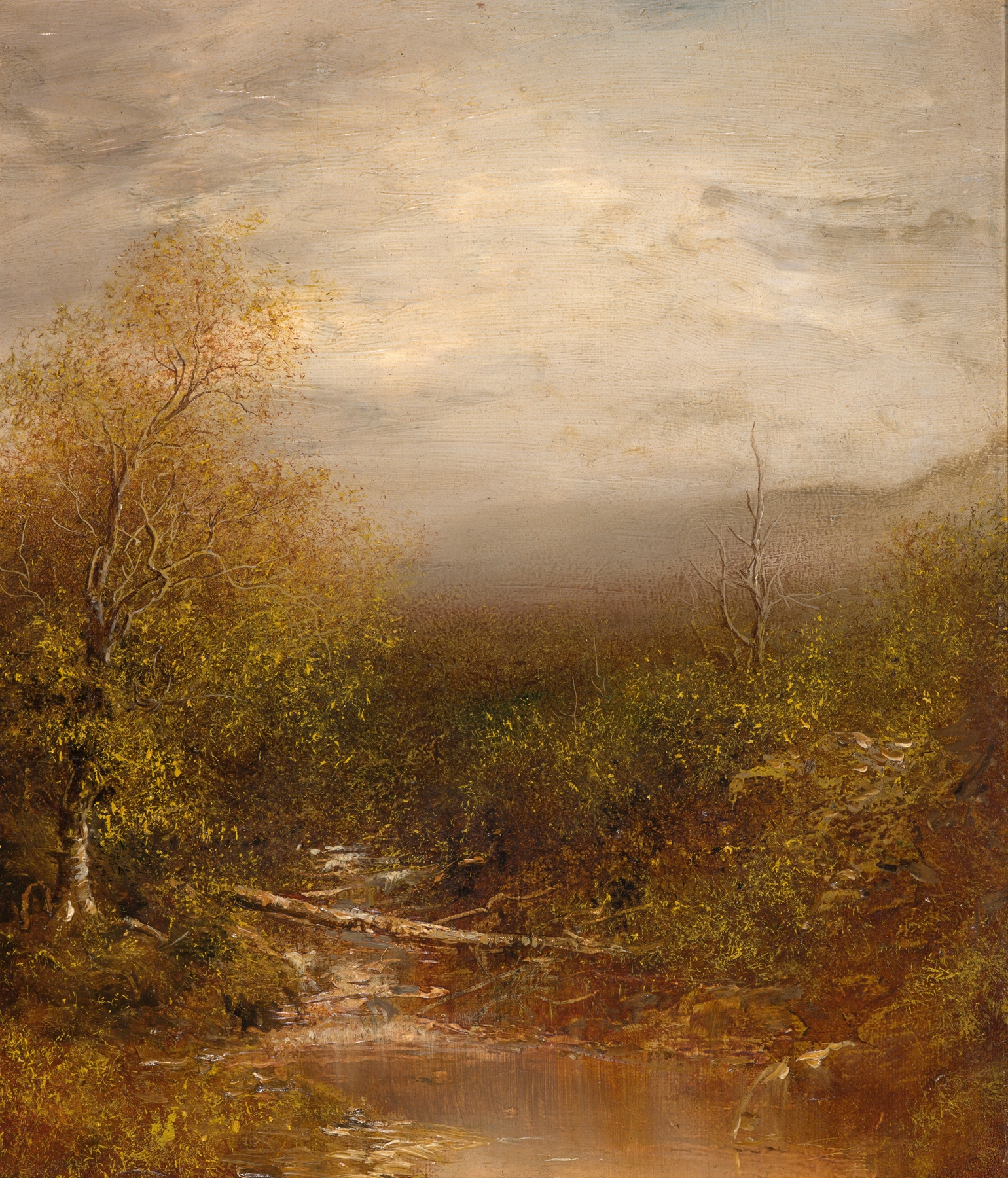
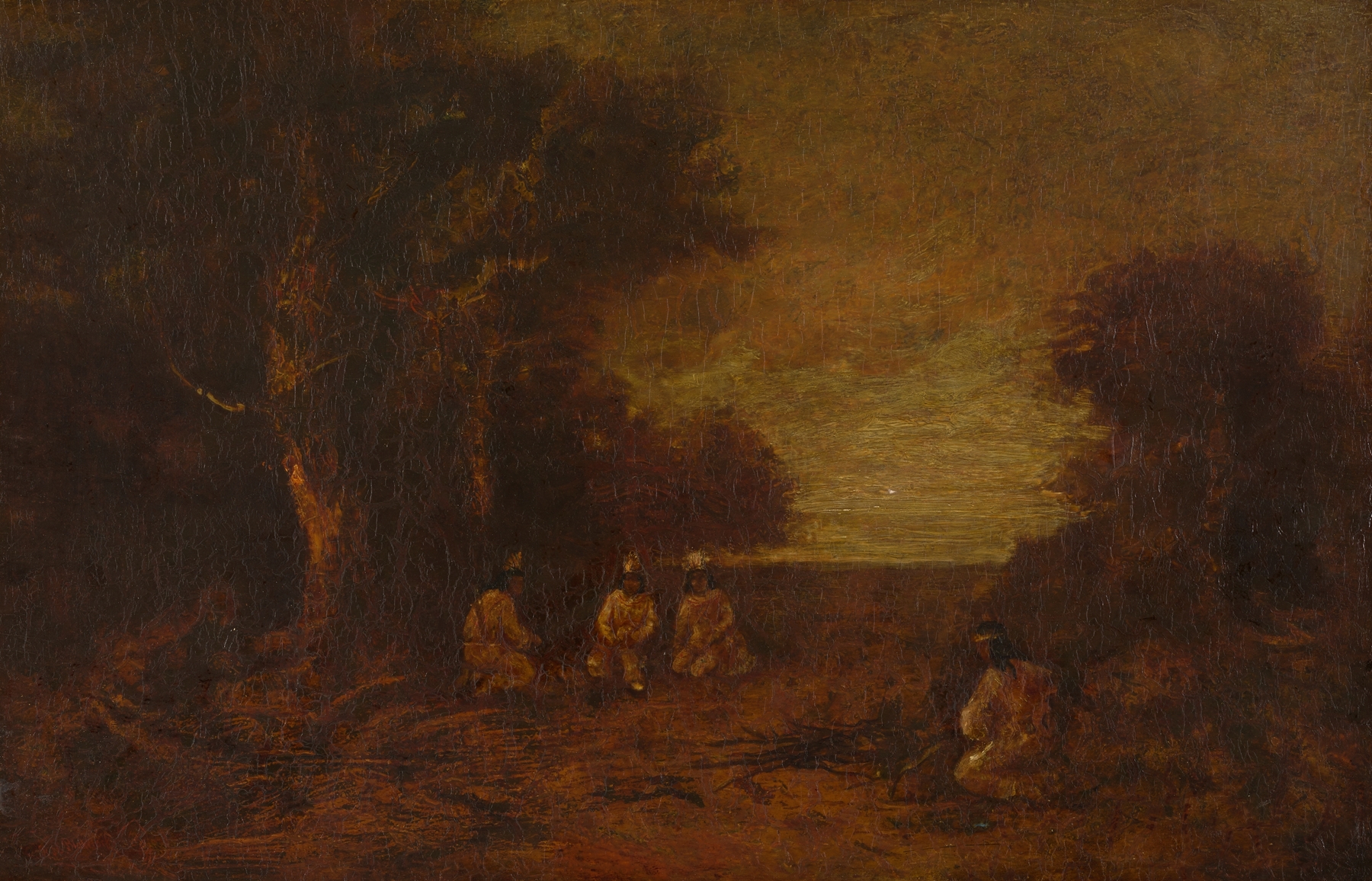
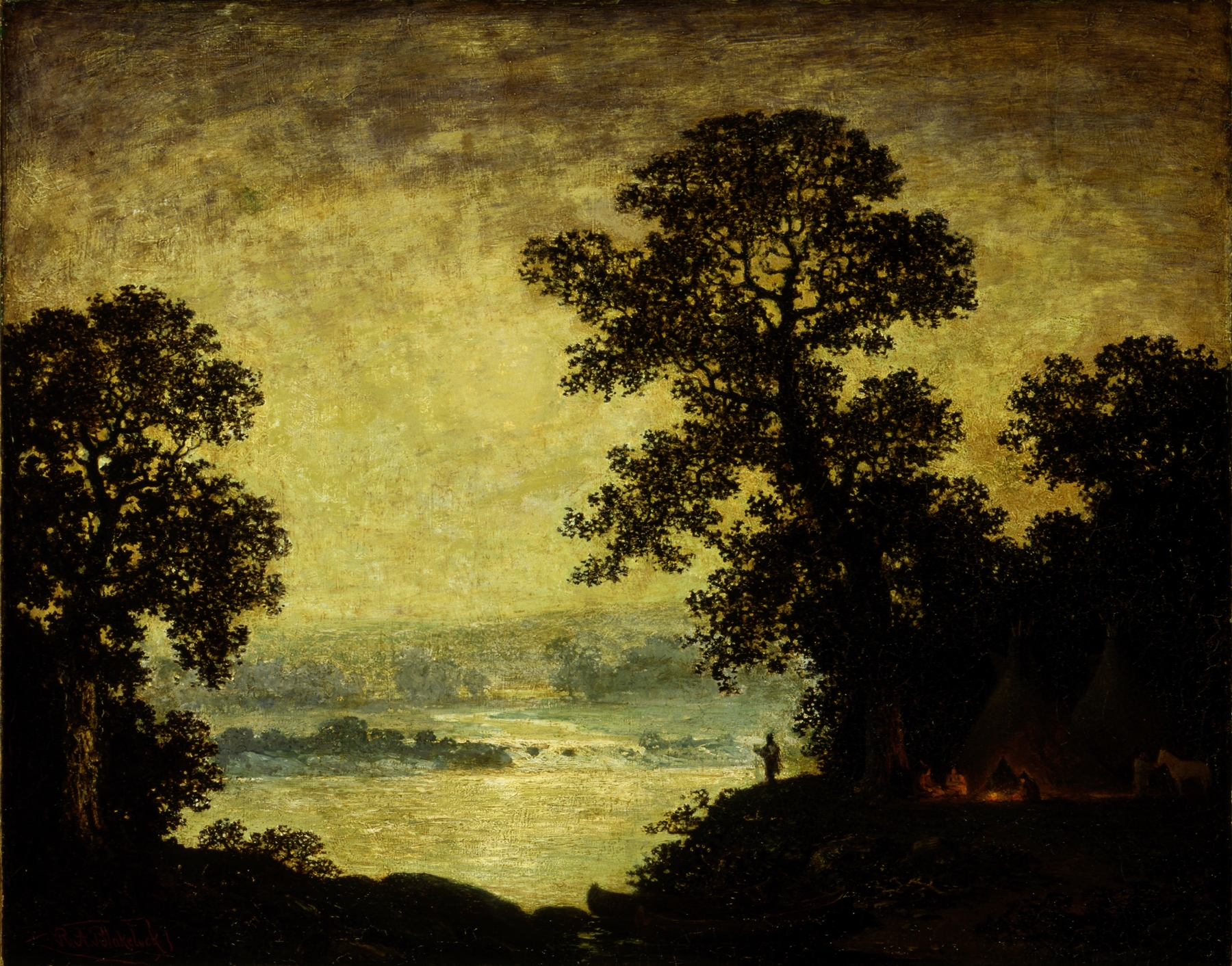
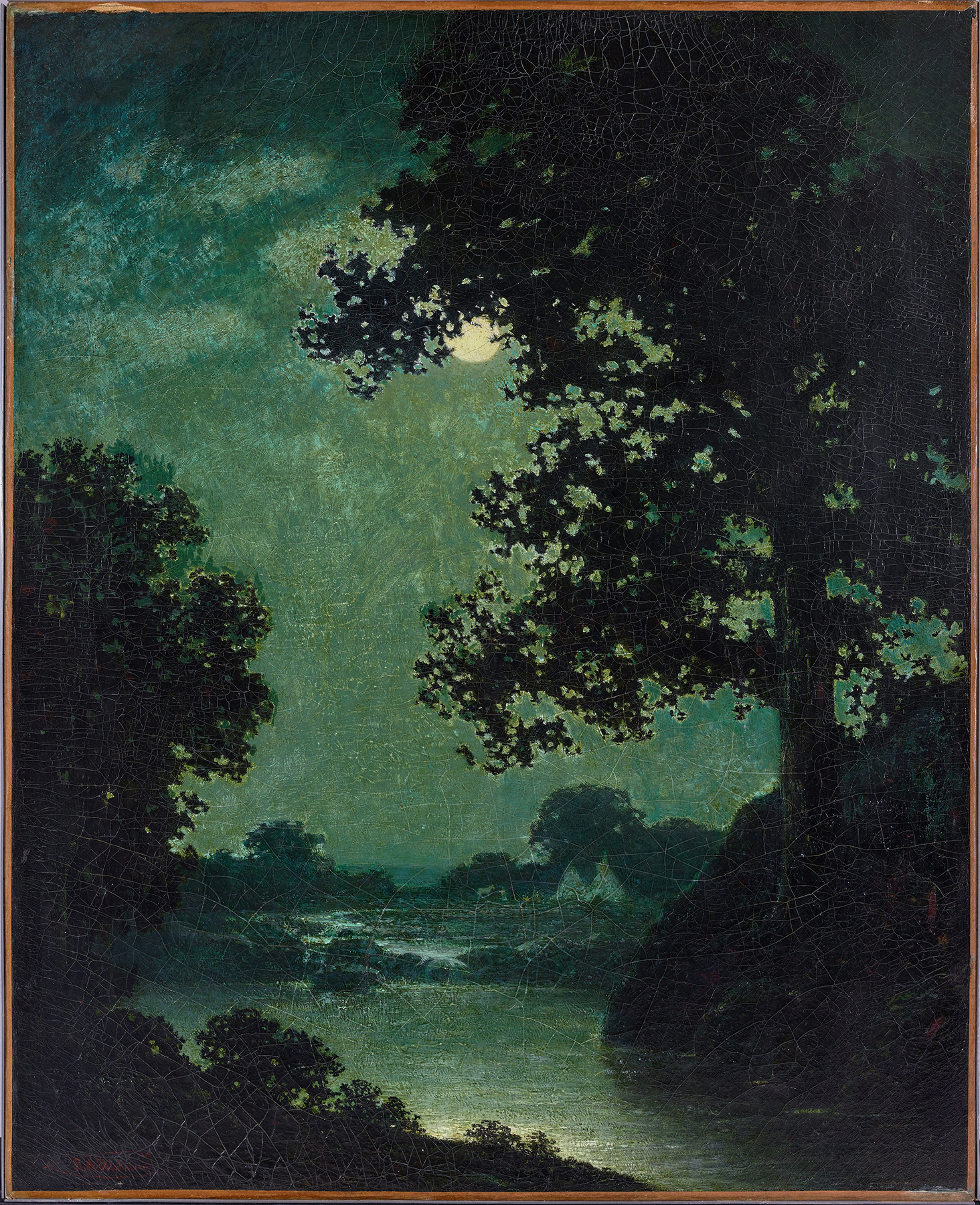
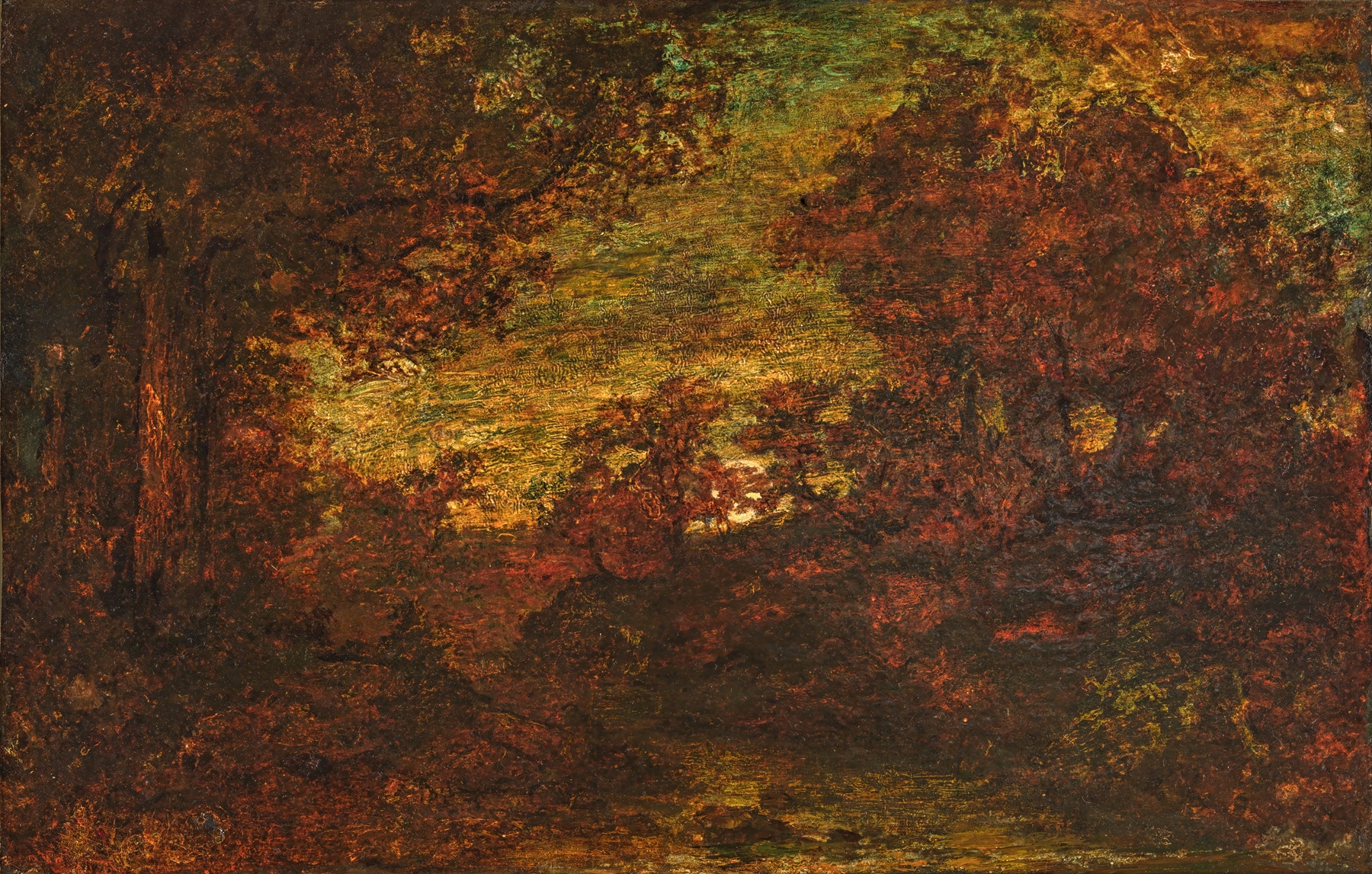
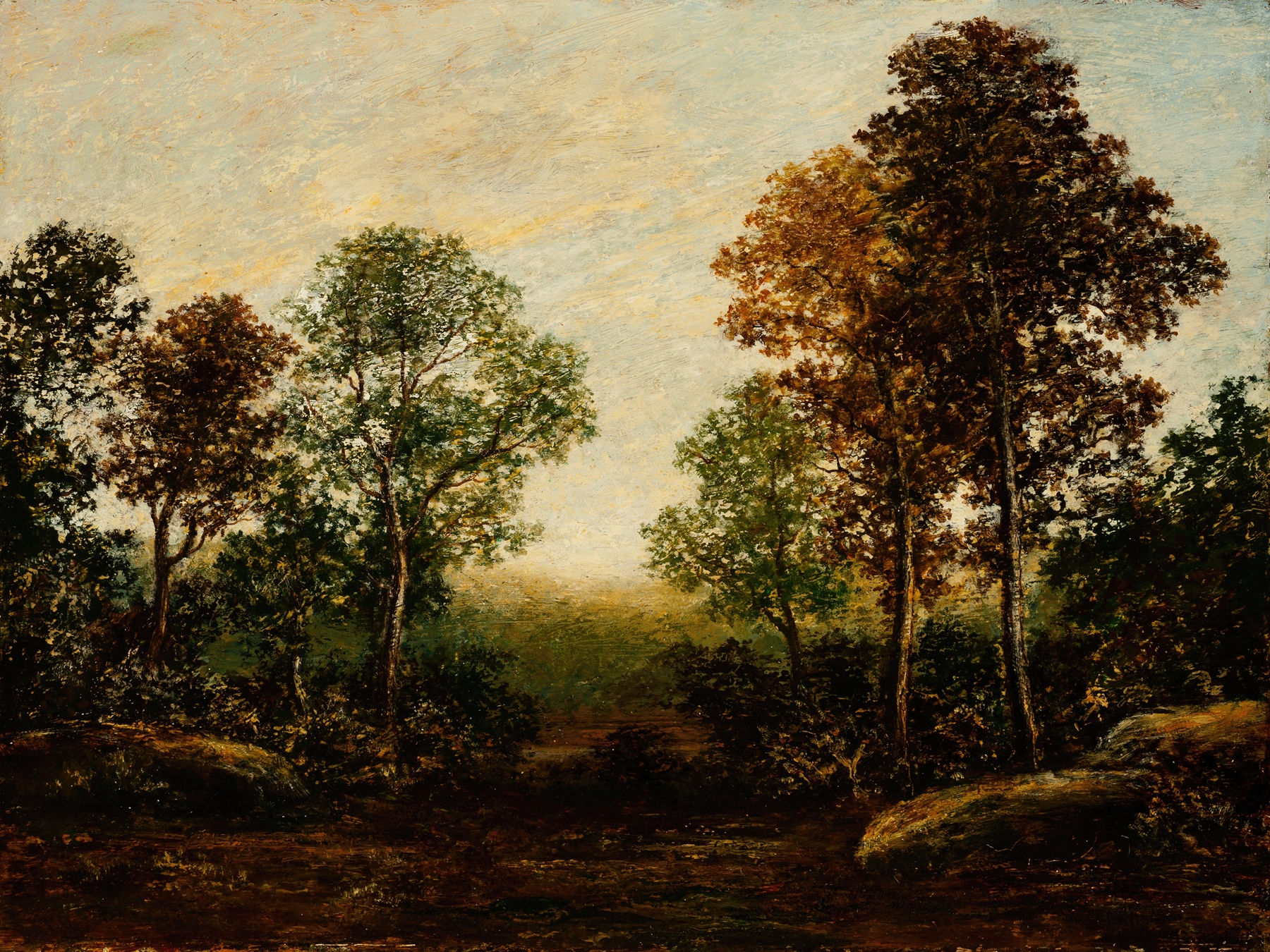
When did color learn to lie? The vibrant greens and browns of the forest whisper secrets of forgotten moments and elusive glories, inviting viewers to ponder what was lost within their depths. Look to the bottom left at the dappled foliage, where brush strokes pulse with life yet hint at decay. Notice how the light flecks through the canopy, illuminating the interplay between shadow and luminosity, suggesting hidden paths and memories concealed beneath the surface.
The composition draws you inward, inviting exploration of each textured layer, as muted tones create a somber, reflective atmosphere that encapsulates both beauty and melancholy. In the delicate transition from bright to dark, a tension surfaces between hope and sorrow. Each tree stands as a sentinel of time—some robust and upright, others twisted and gnarled, evoking the fragility of existence.
The rich, earthy palette resonates with the weight of loss, embodying the emotional gravity of what once thrived in the heart of this woodland sanctuary, now echoing with silence. Created during the late 19th century, when the artist was grappling with personal challenges and the shifting tides of the art world, this piece reflects Blakelock's fascination with nature as a mirror of the soul. At this time, American landscape painting was evolving, and Blakelock, known for his atmospheric and evocative renderings, sought to capture the spiritual essence of the wilderness, presenting a poignant contrast to the encroachment of modernity on the natural world.