Gardanne — History & Analysis
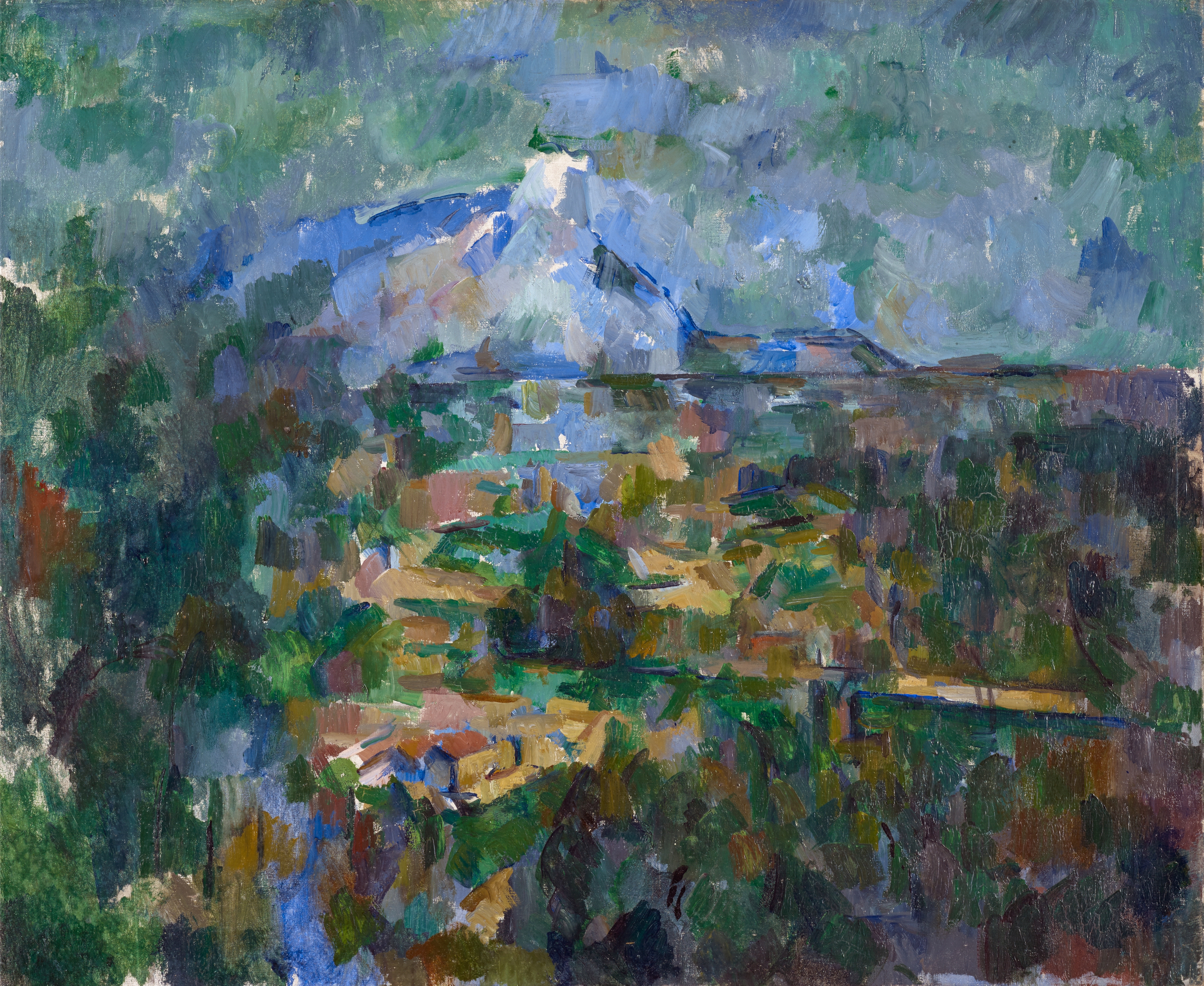
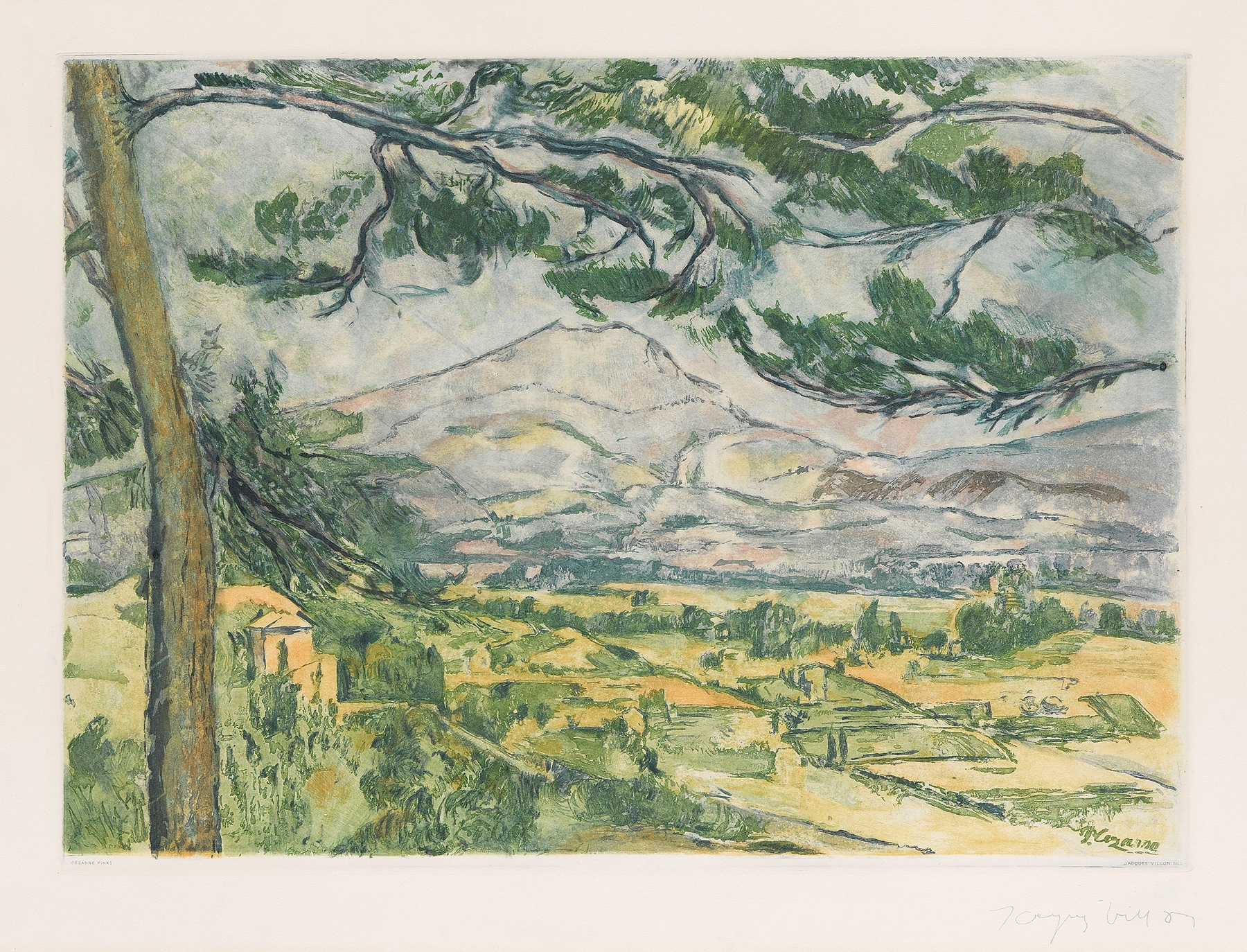
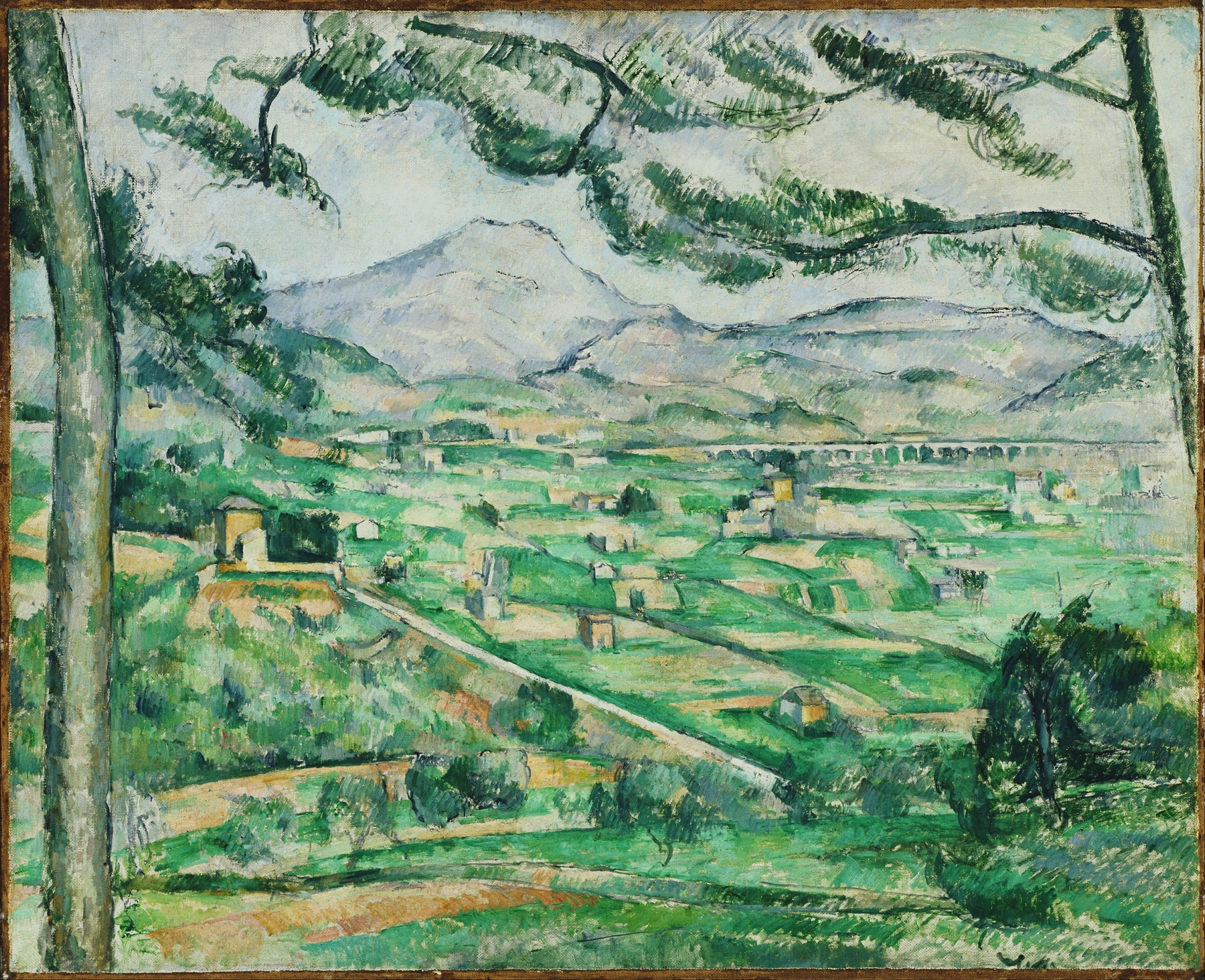
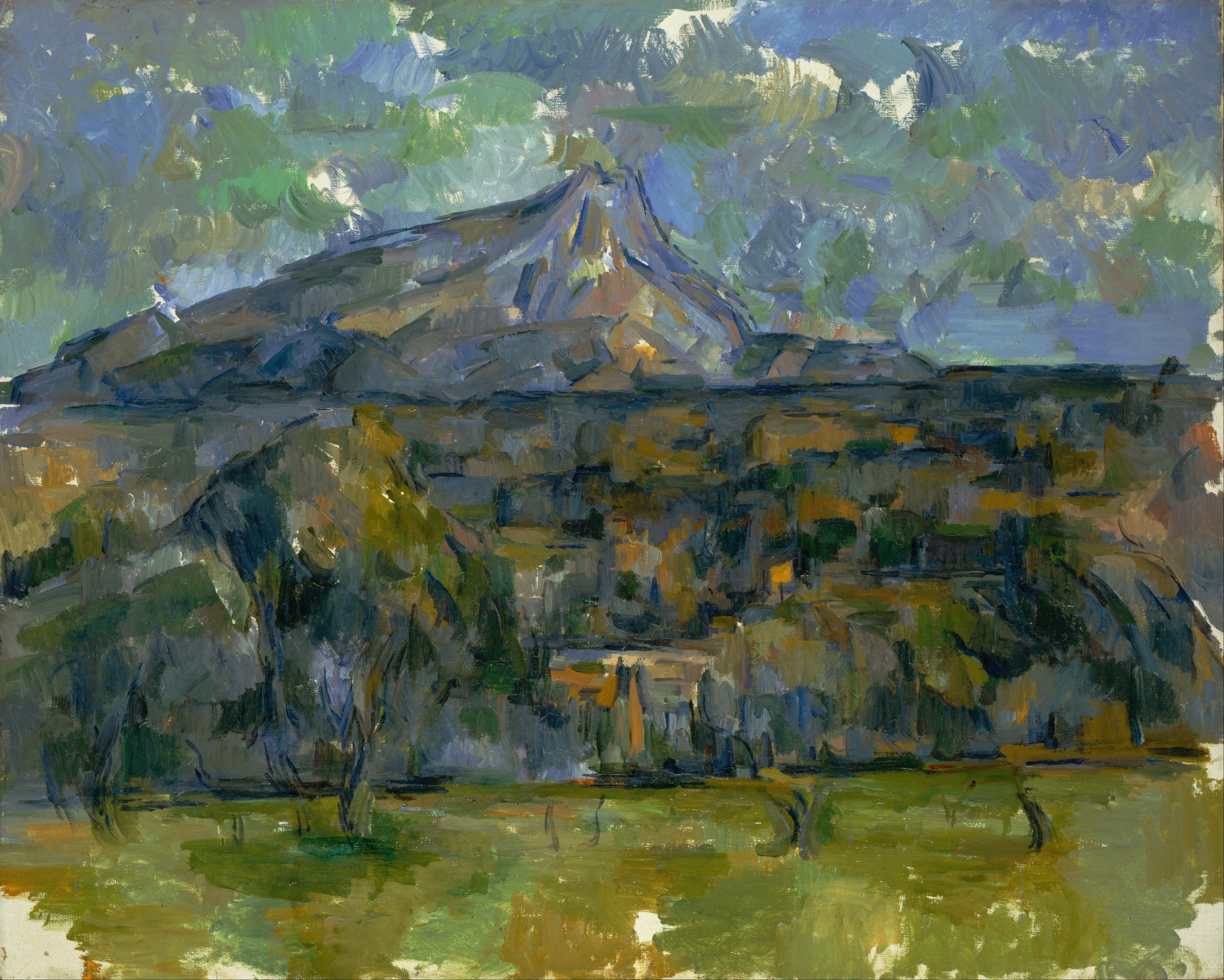
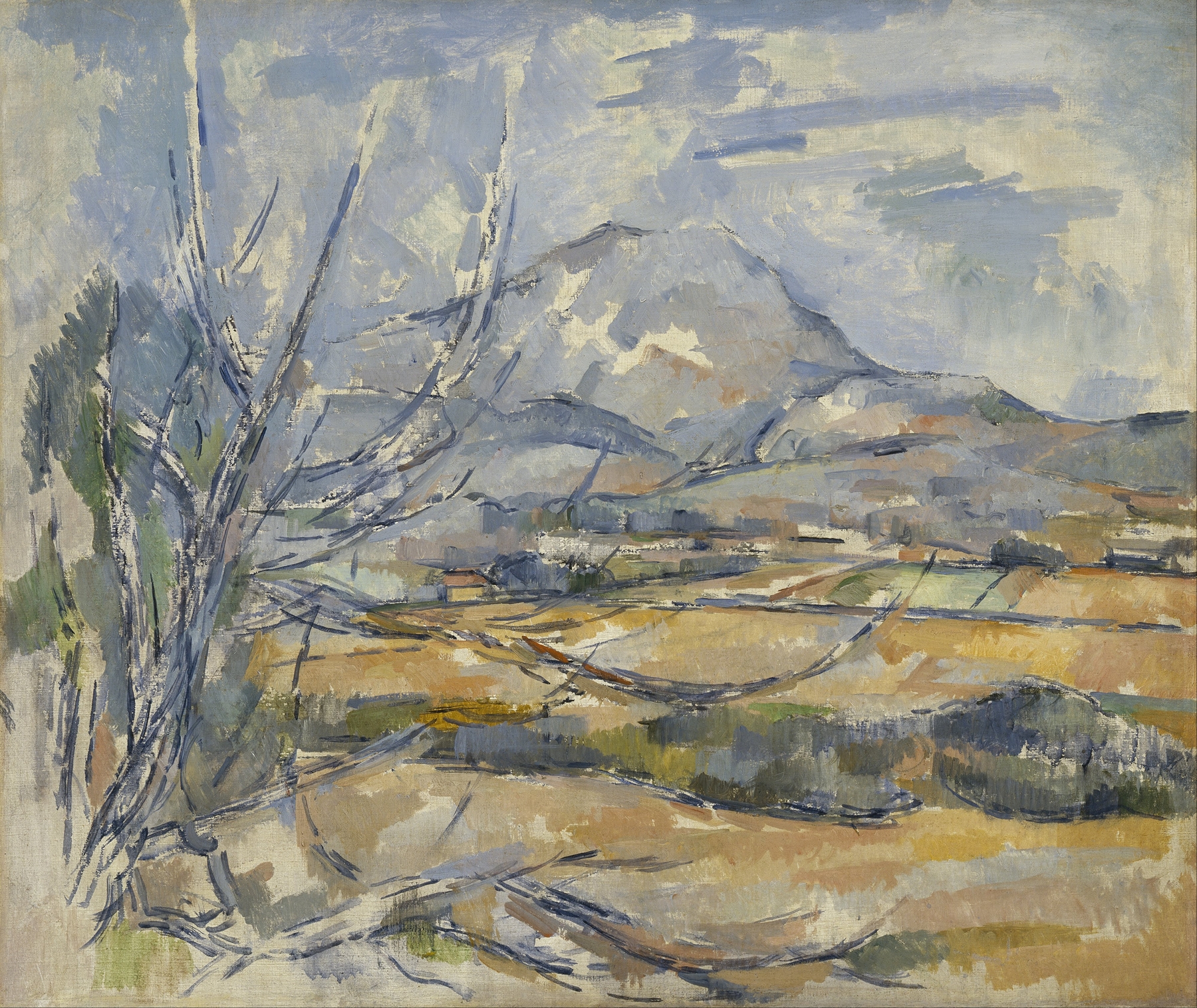
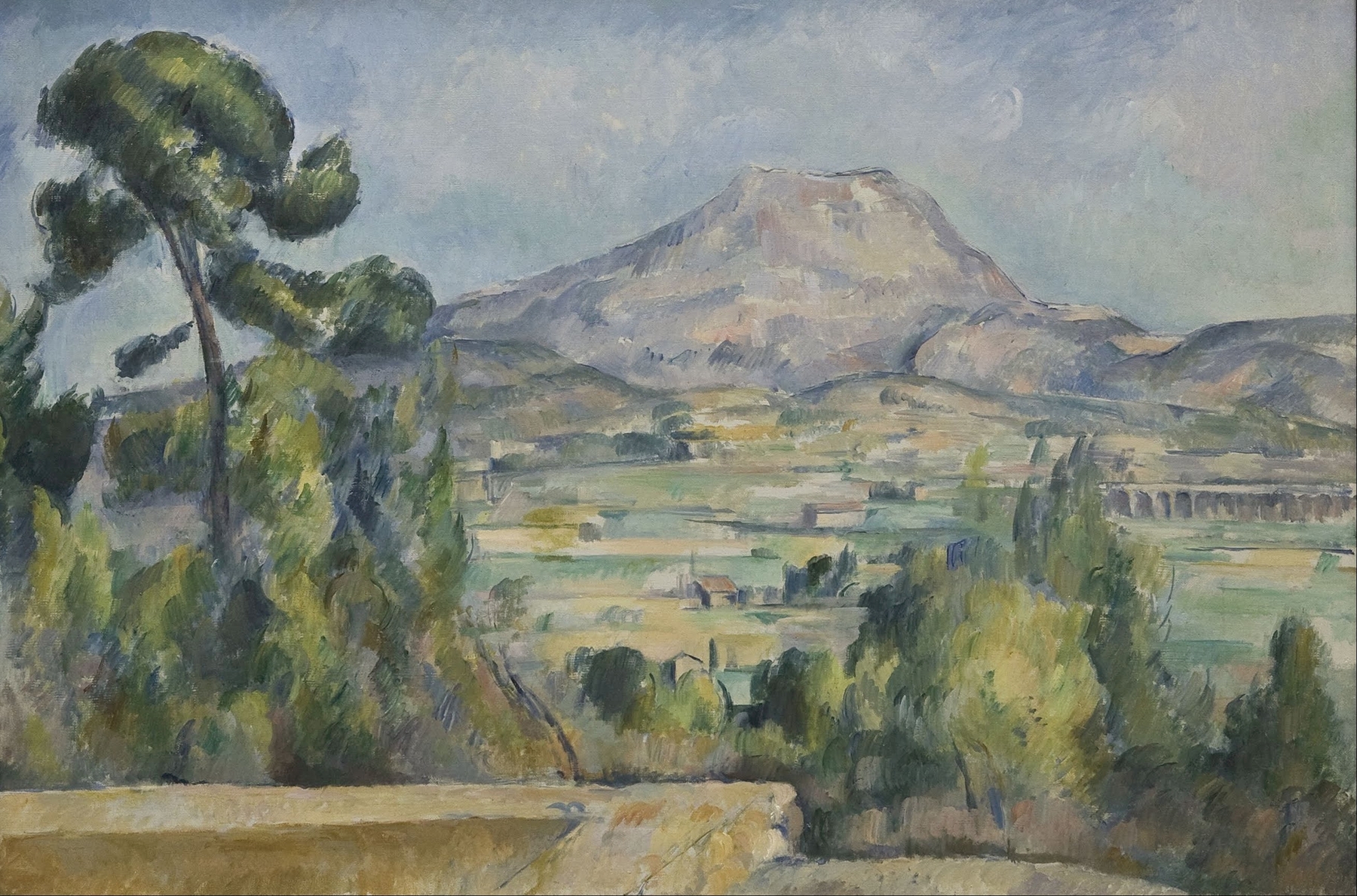
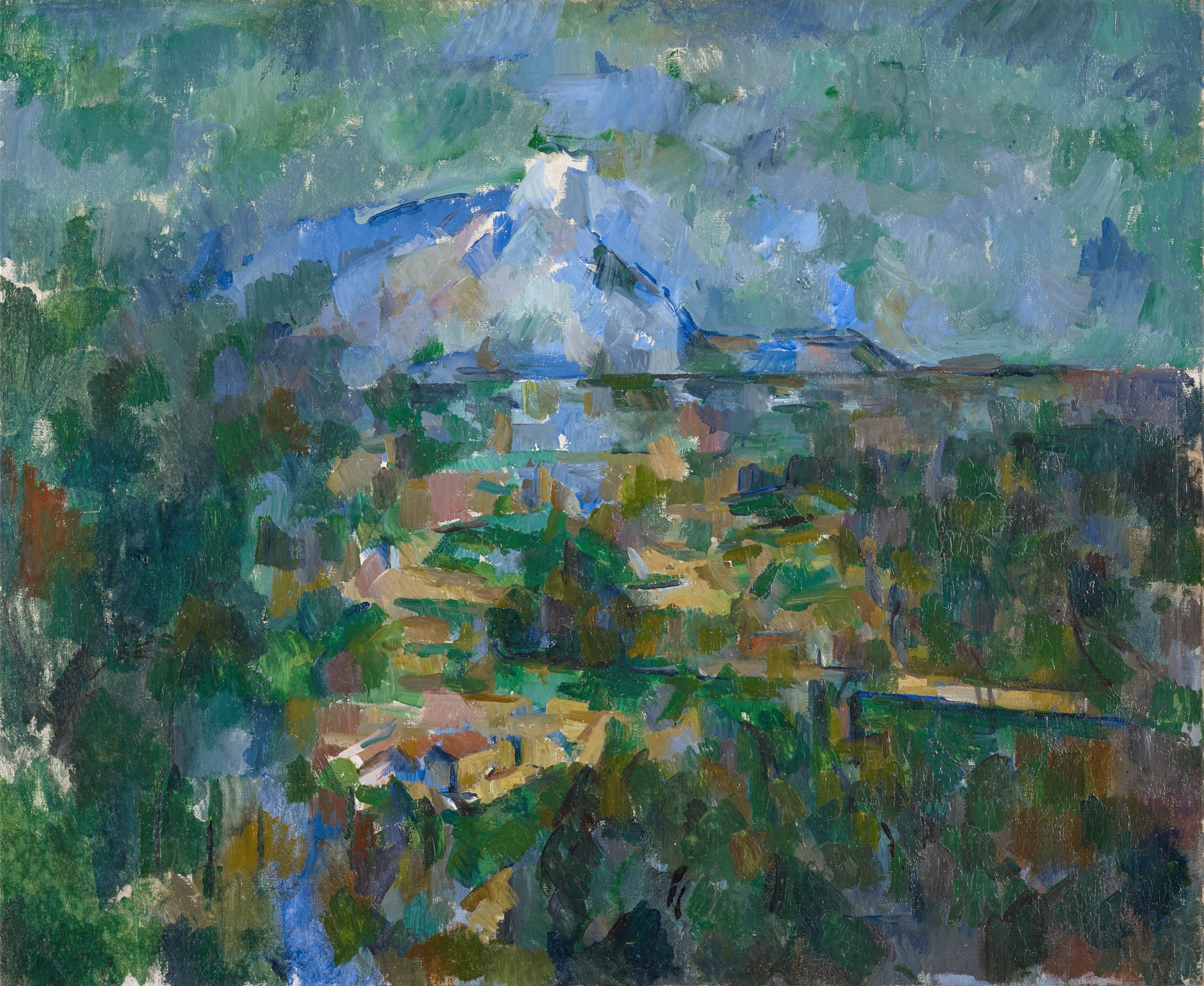
“Every silence here is a confession.” In stillness, creation unfolds, revealing the intricate dance between nature and the artist's hand. It is in this moment of quiet that the essence of life emerges, echoing in every brushstroke. Look to the center of the canvas, where the sun-drenched hills of Gardanne rise majestically against a vibrant sky. The palette, rich in warm yellows and earthy greens, invites your gaze to traverse the undulating landscapes. Notice how Cézanne’s distinctive brushwork creates a textured rhythm, a visual pulse that beckons one to linger and explore the depths of the scene.
The interplay of light and shadow conveys a sense of depth and dimension, as if the entire landscape breathes with life. Beneath the tranquil surface, a tension simmers. The juxtaposition of geometric forms against the organic shapes of nature reveals a harmony that is both deliberate and instinctive. The soft, blending colors reflect the artist's emotional connection to the setting, while the structure suggests an underlying order in the chaos of the natural world.
It is this duality that speaks to the viewer, evoking questions of existence, permanence, and the fleeting nature of beauty. During the years 1885–86, the artist was deeply immersed in the Impressionist movement while living in Aix-en-Provence, surrounded by the landscapes that would inspire much of his work. At this time, Cézanne sought to bridge the gap between Impressionism and Post-Impressionism, experimenting with form and color that would later influence generations of painters. The world of art was evolving, and so was he, as he redefined the relationship between nature and artistic interpretation.