Gezicht op Tjileboet — History & Analysis
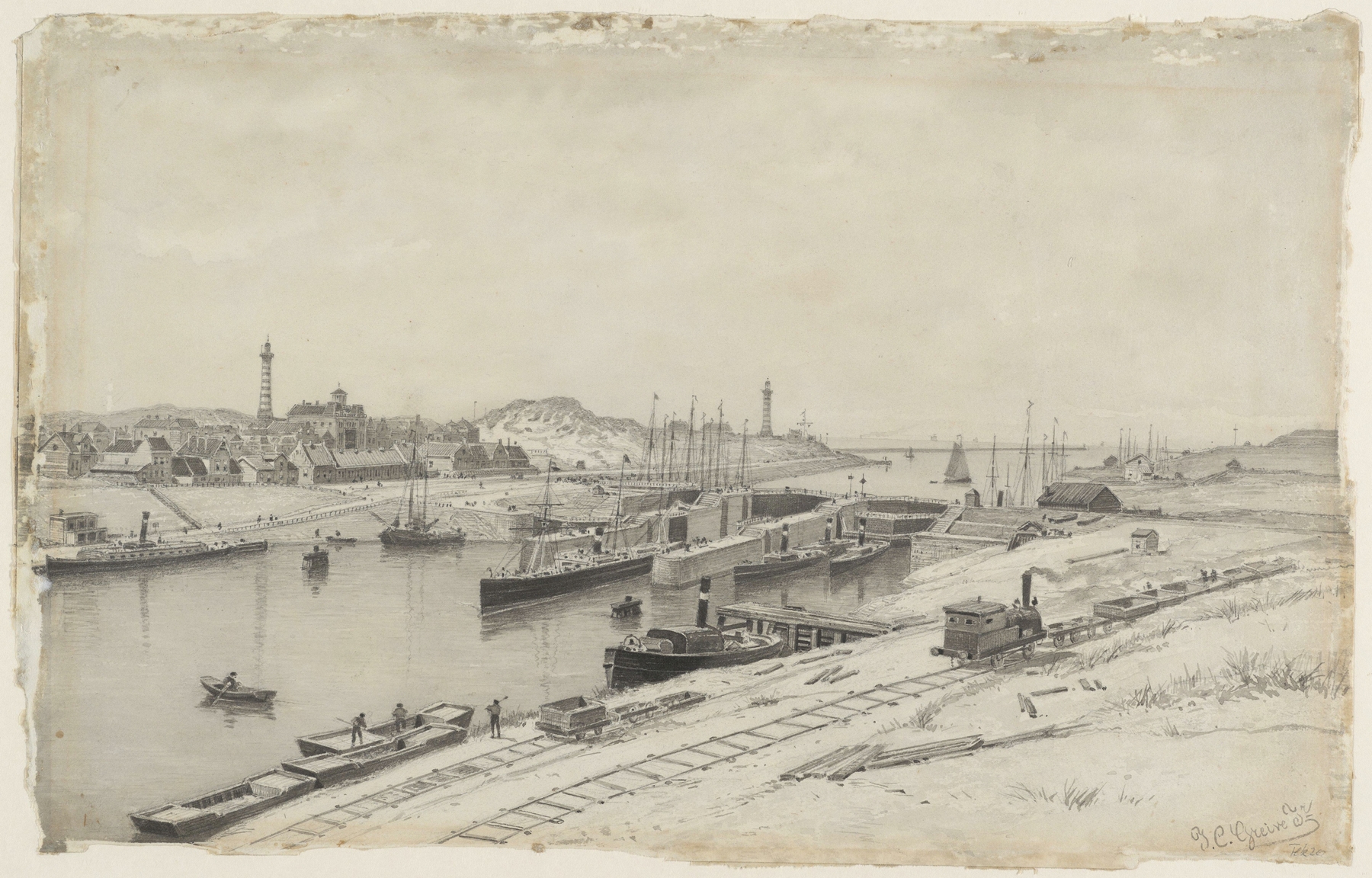
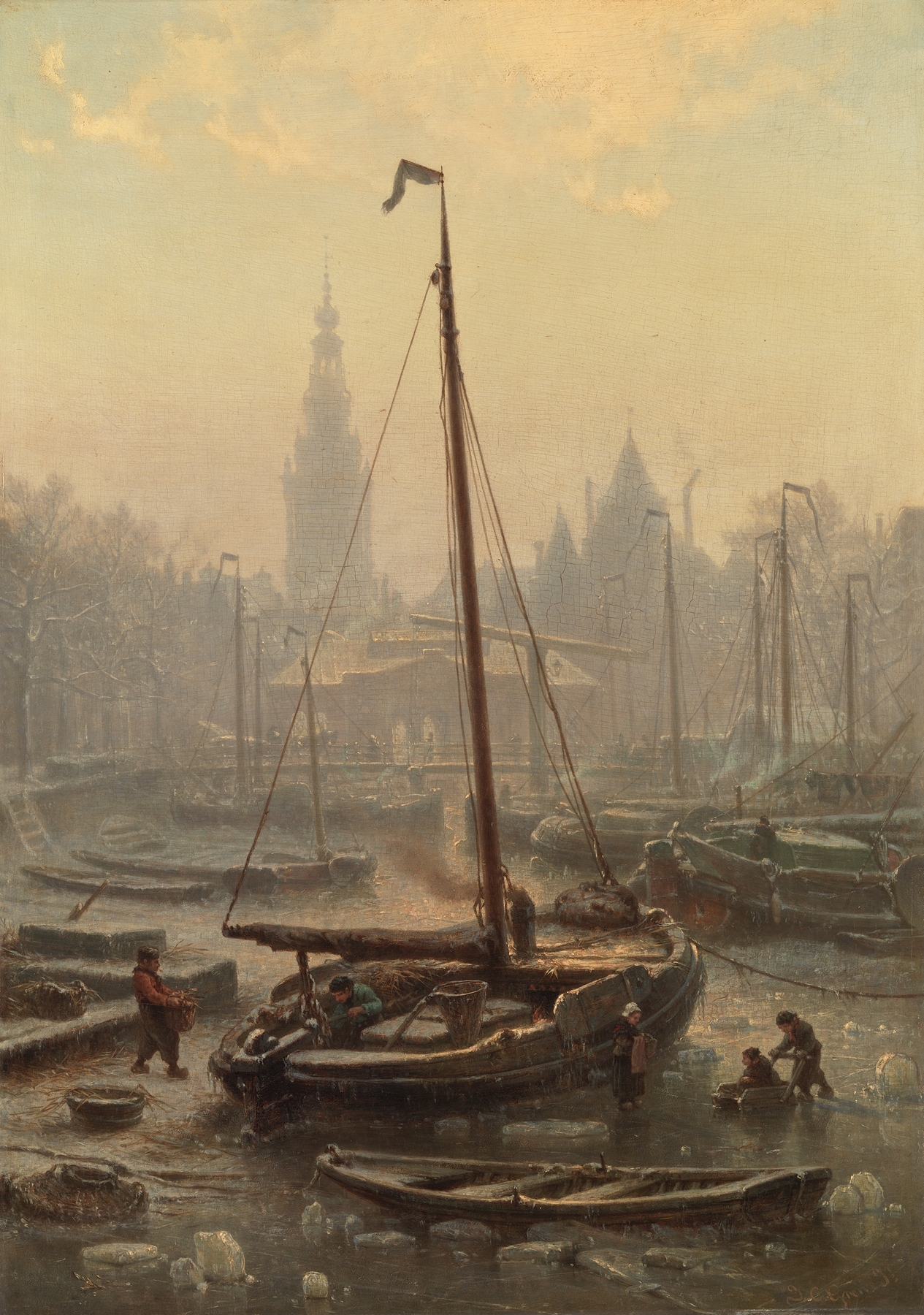
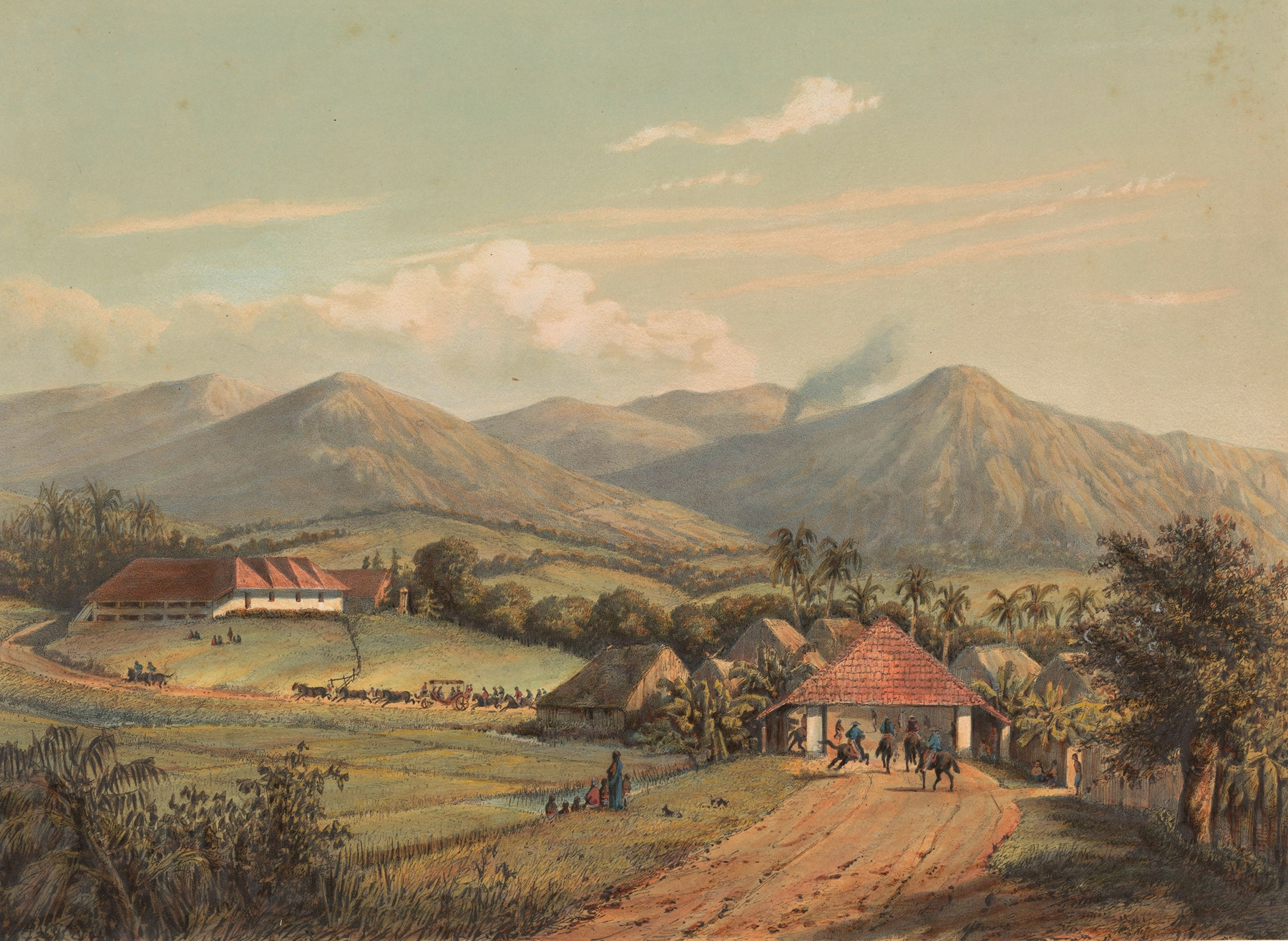
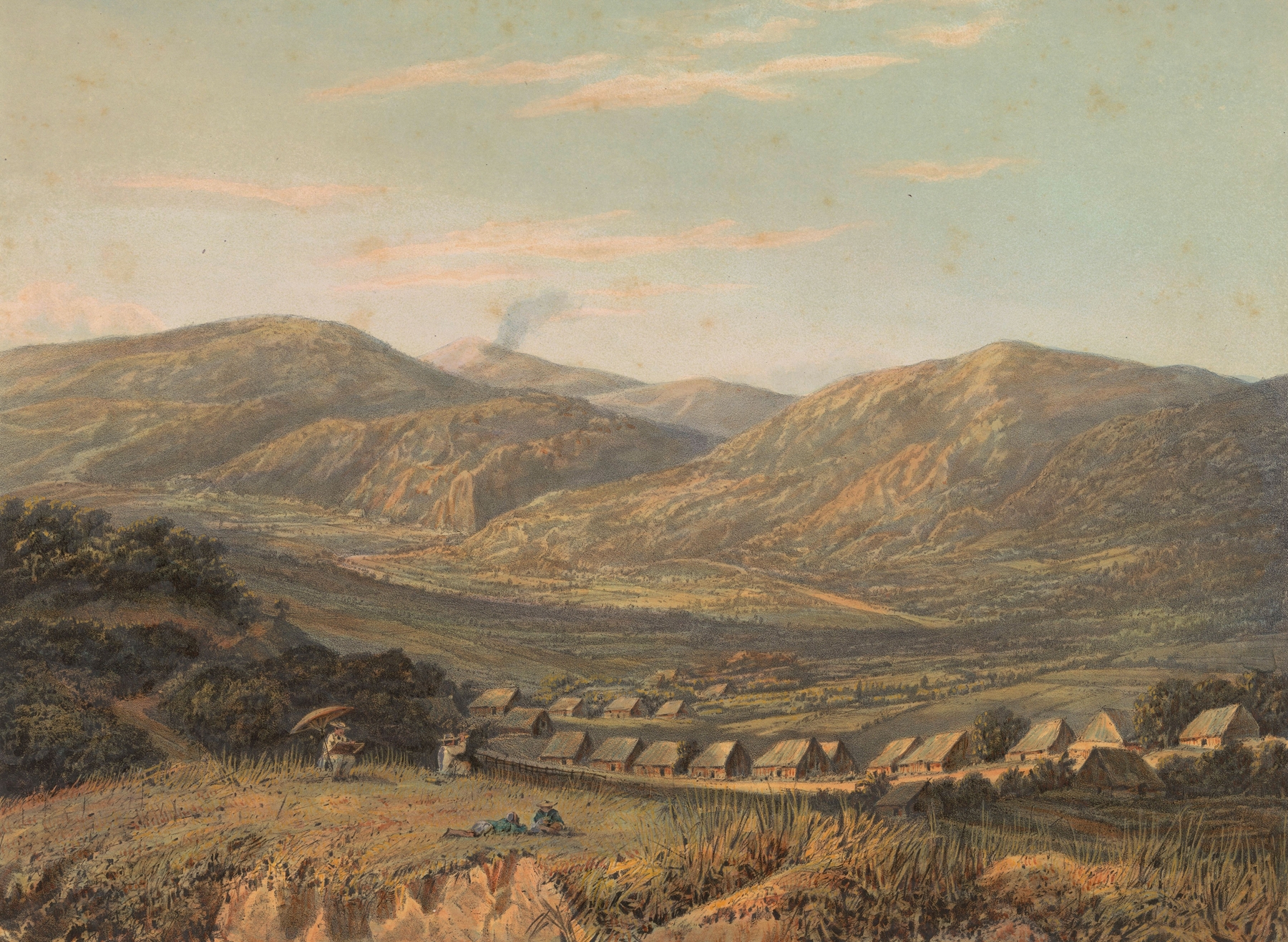
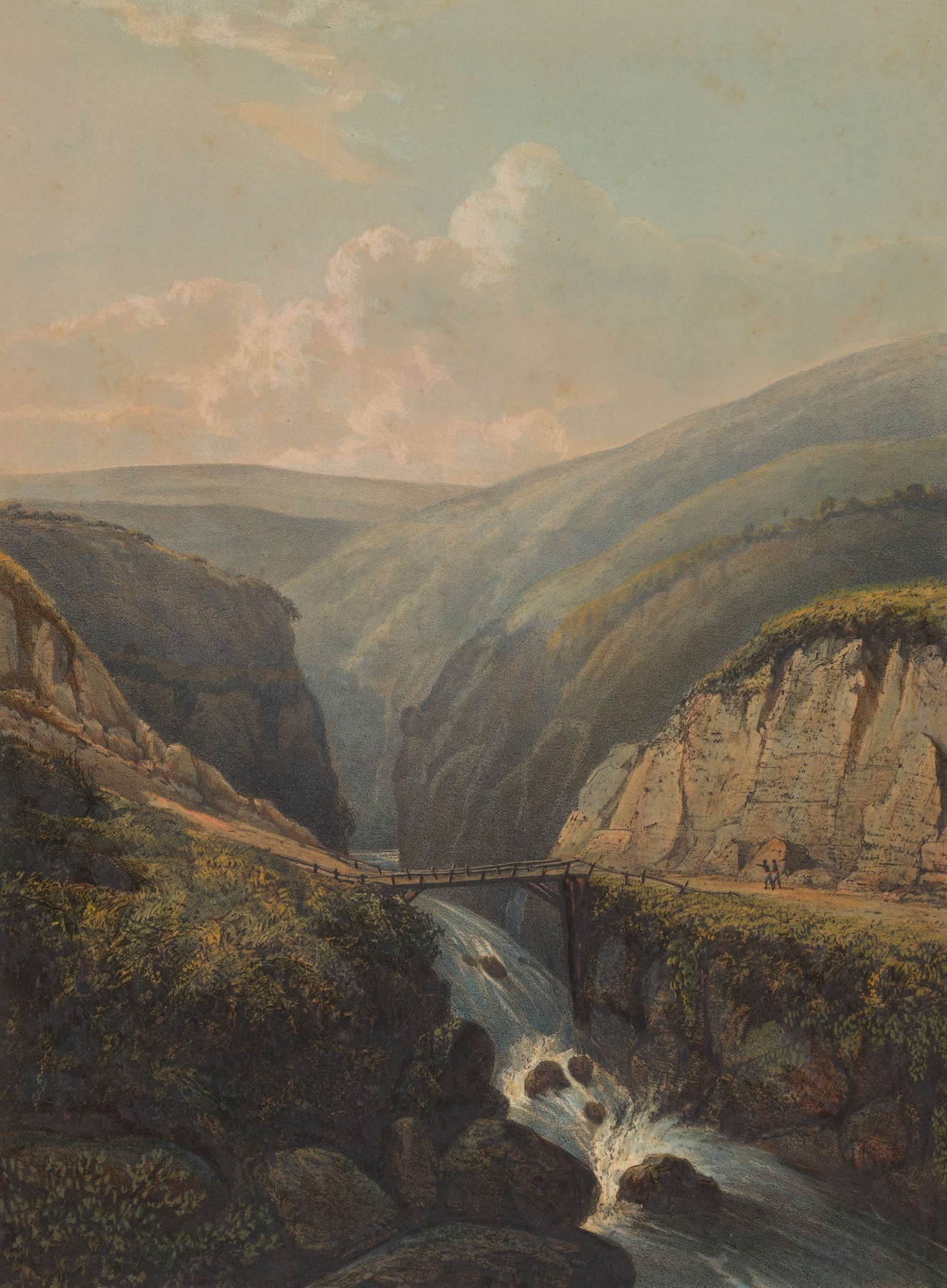
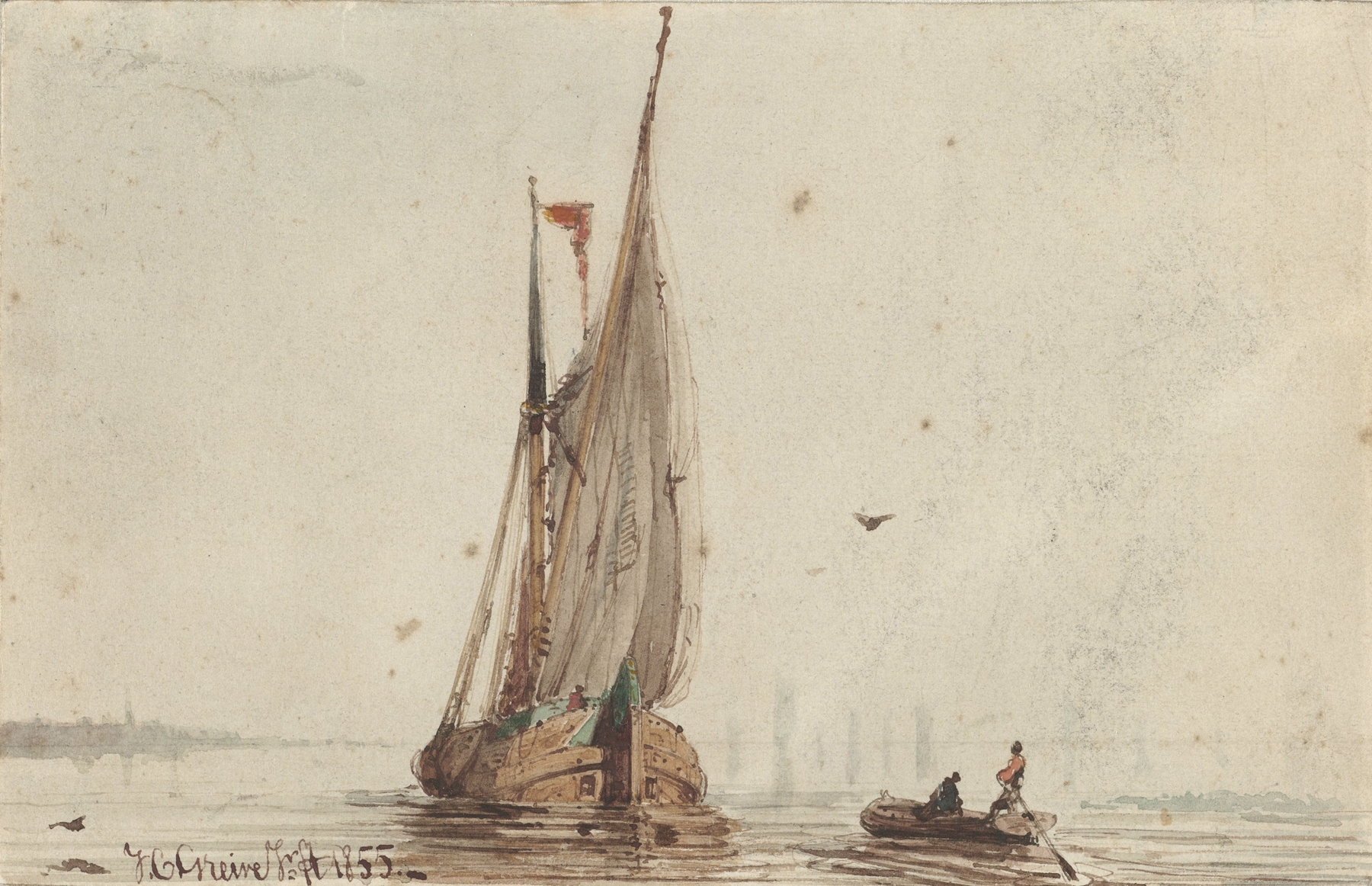
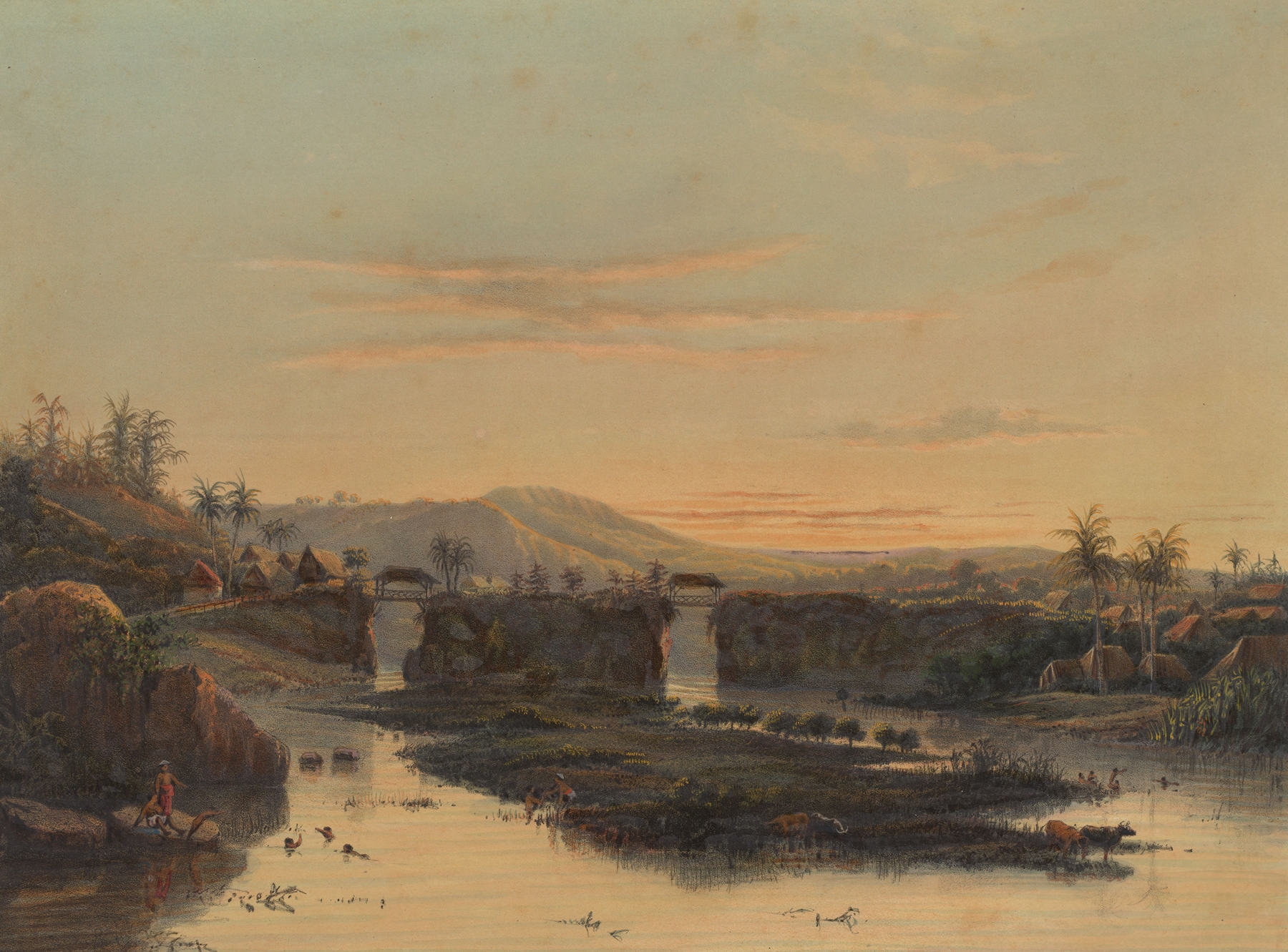
Could a single brushstroke hold eternity? In Gezicht op Tjileboet, destiny unfurls before our eyes, inviting us to ponder the nature of time and place in an intricate dance of color and form. Look to the gentle blending of greens and blues that dominate the canvas, guiding your gaze toward the tranquil landscape. The artist masterfully captures the undulating hills and softly flowing waters, creating a sense of depth that draws the viewer in. Notice how the light filters through the trees, casting dappled shadows that add texture and rhythm to the scene.
Each brushstroke seems deliberate, yet spontaneous, revealing a harmony between nature and the artist's hand. Beneath this serene surface, one can sense a deeper narrative. The juxtaposition of the calm waters and the burgeoning land hints at the eternal cycle of life and rebirth, raising questions of destiny and location. The delicate play of light and shadow signifies the transient moments we often overlook, suggesting that every scene, no matter how peaceful, holds stories of struggle and triumph.
The vibrancy of color echoes the passions and fears that shape our existence. During the years between 1865 and 1872, Johan Conrad Greive was immersed in the Dutch Romantic landscape movement, painting primarily in the Netherlands. This period was marked by a growing appreciation for emotional expression in landscapes, reflecting both the natural beauty of the environment and the artist's inner world. Greive's works were a response to this evolving artistic landscape, as he sought to capture the essence of places that resonated deeply with human experiences.