Going to the Hayfield — History & Analysis
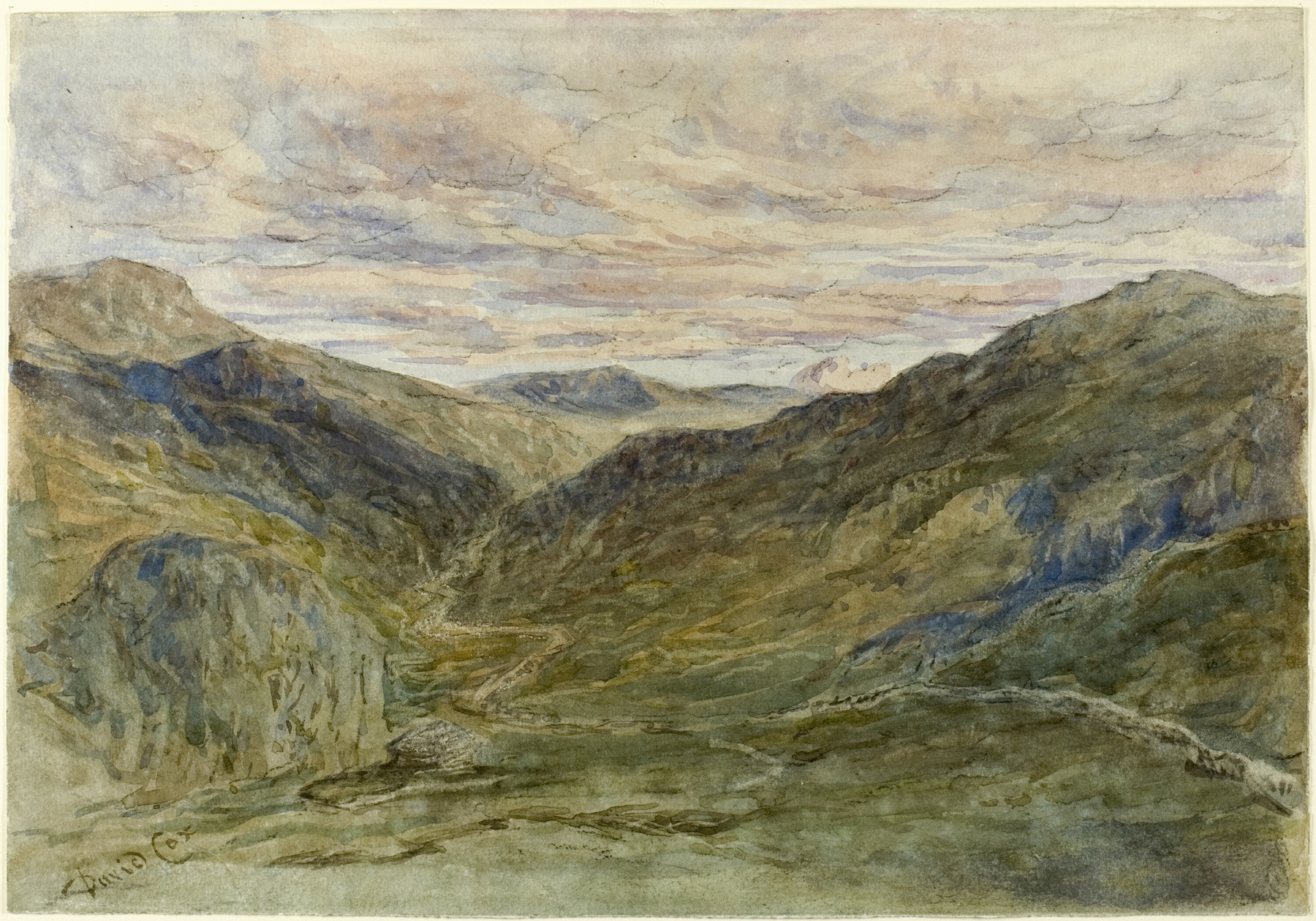
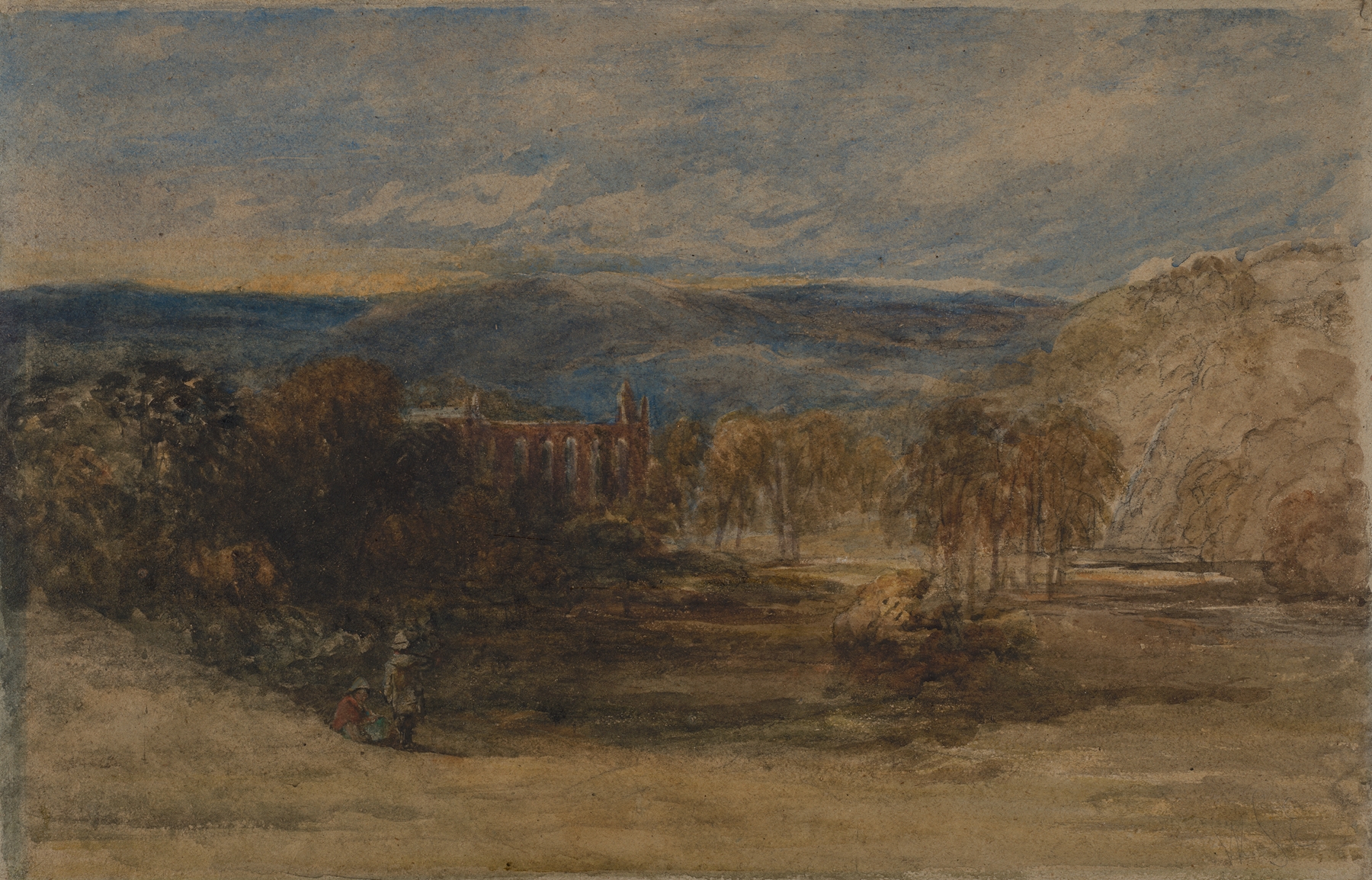
Where does light end, and longing begin? In the heart of Going to the Hayfield, we are invited to wander through a landscape where the sun casts a warm, golden hue, but an undercurrent of melancholy lingers in the air. Look to the left at the gentle curve of the path that leads away from the viewer, drawing the eye into the horizon. This winding way is flanked by lush, verdant fields that stretch endlessly, a testament to nature's bounty. Notice how the subtle brushwork captures the texture of the grass, each stroke a whisper of wind coursing through the landscape.
The soft interplay of greens and yellows creates a dreamlike quality, as if the scene hovers between reality and memory. In the distance, a solitary figure can be seen, their presence both grounding and isolating. This traveler, carrying a burden of hay, embodies the essence of labor, yet the distance suggests a journey steeped in solitude. The light that bathes the landscape evokes warmth, yet the slight haze hints at a deeper yearning for connection.
The contrast between the vibrancy of nature and the solitary figure elicits feelings of nostalgia, reflecting the tension between duty and the longing for something beyond the horizon. David Cox painted this piece in the early 1850s, a time when he was exploring the nuances of British landscape painting. Living in London, he was influenced by the Romantic movement, which sought to capture the sublime beauty of nature alongside the emotional truths of human existence. During this period, he engaged deeply with the themes of solitude and reflection, mirroring the larger cultural shifts toward introspection and the appreciation of the natural world.