Gold Mining, Cripple Creek — History & Analysis
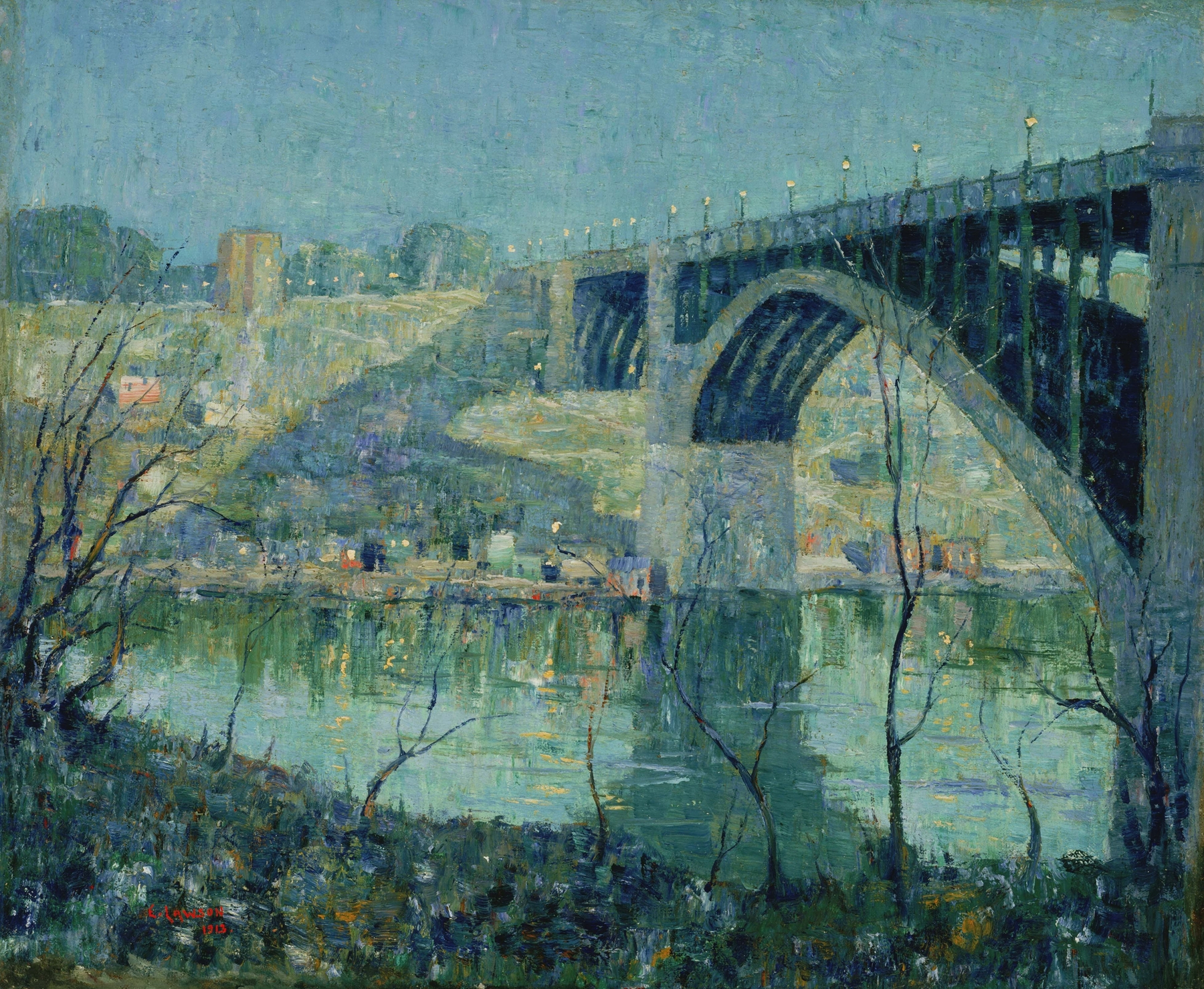
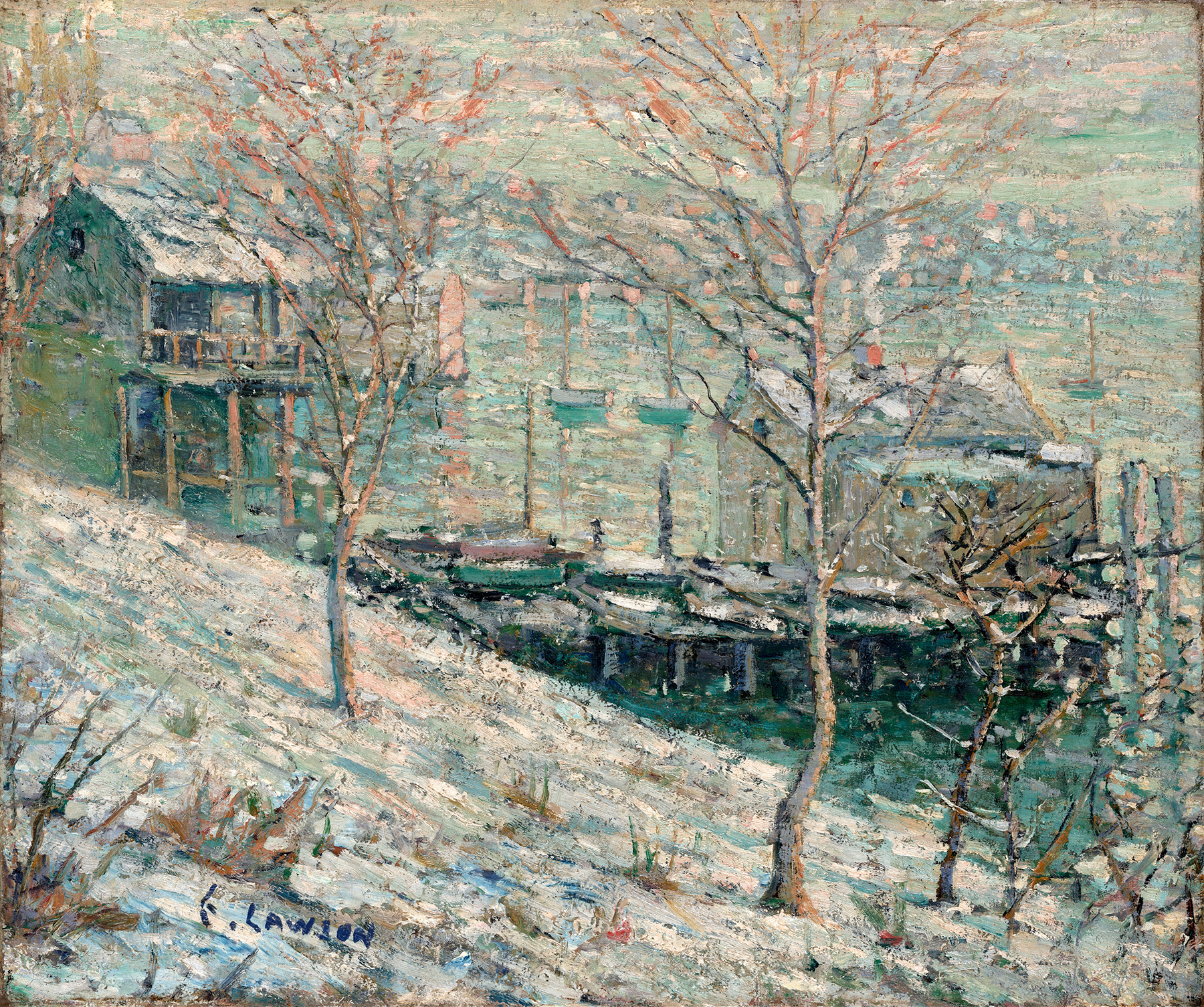
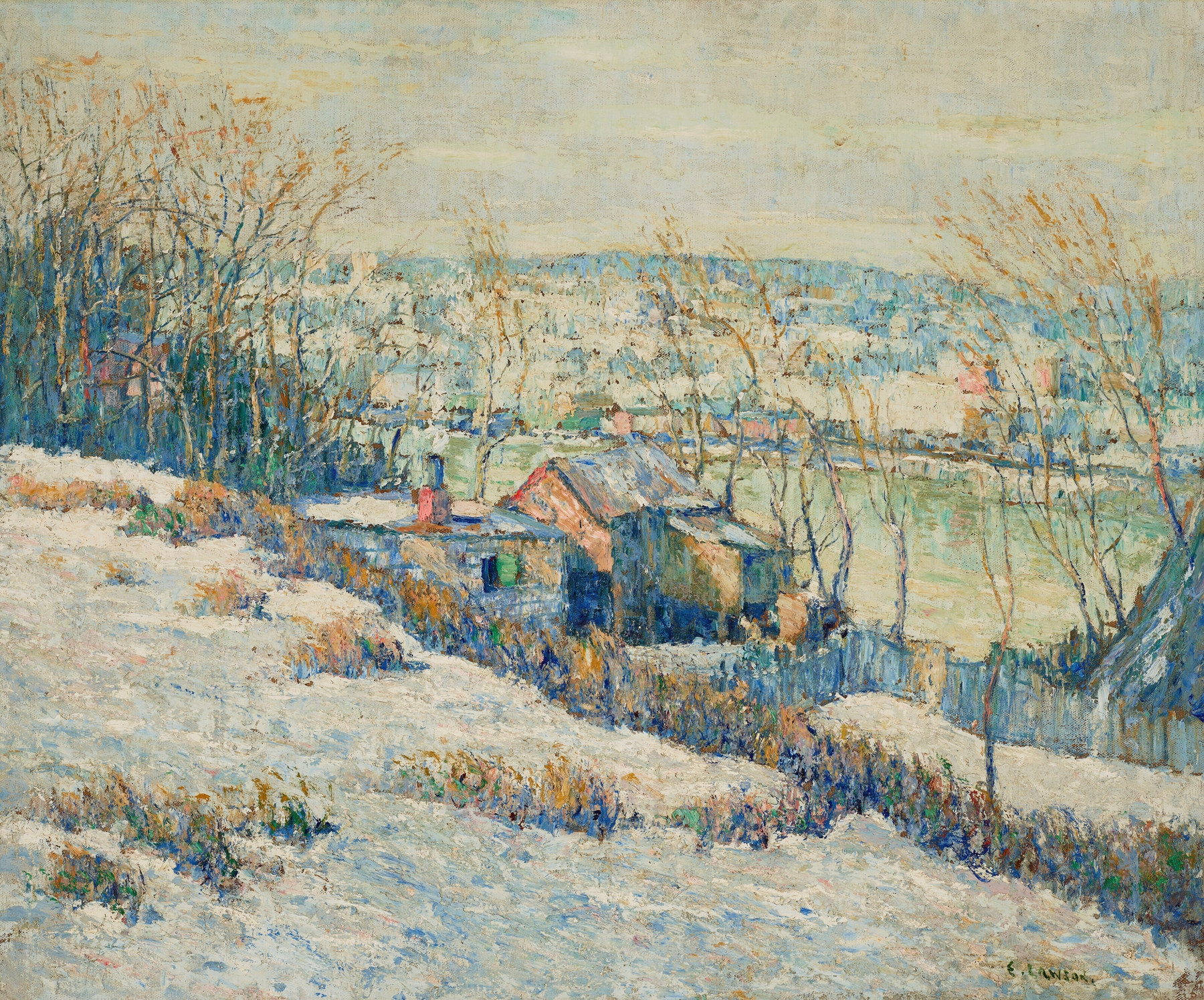
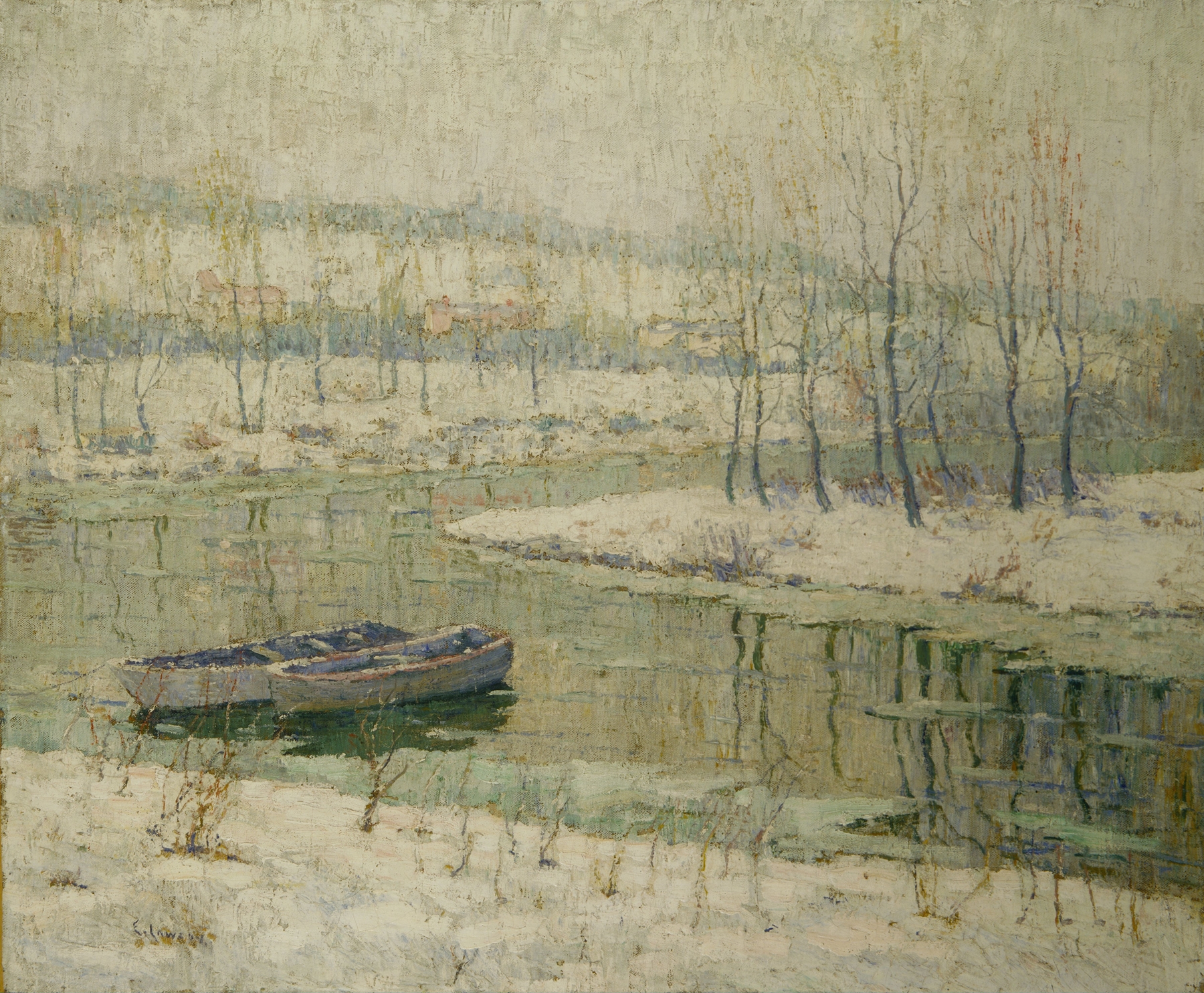
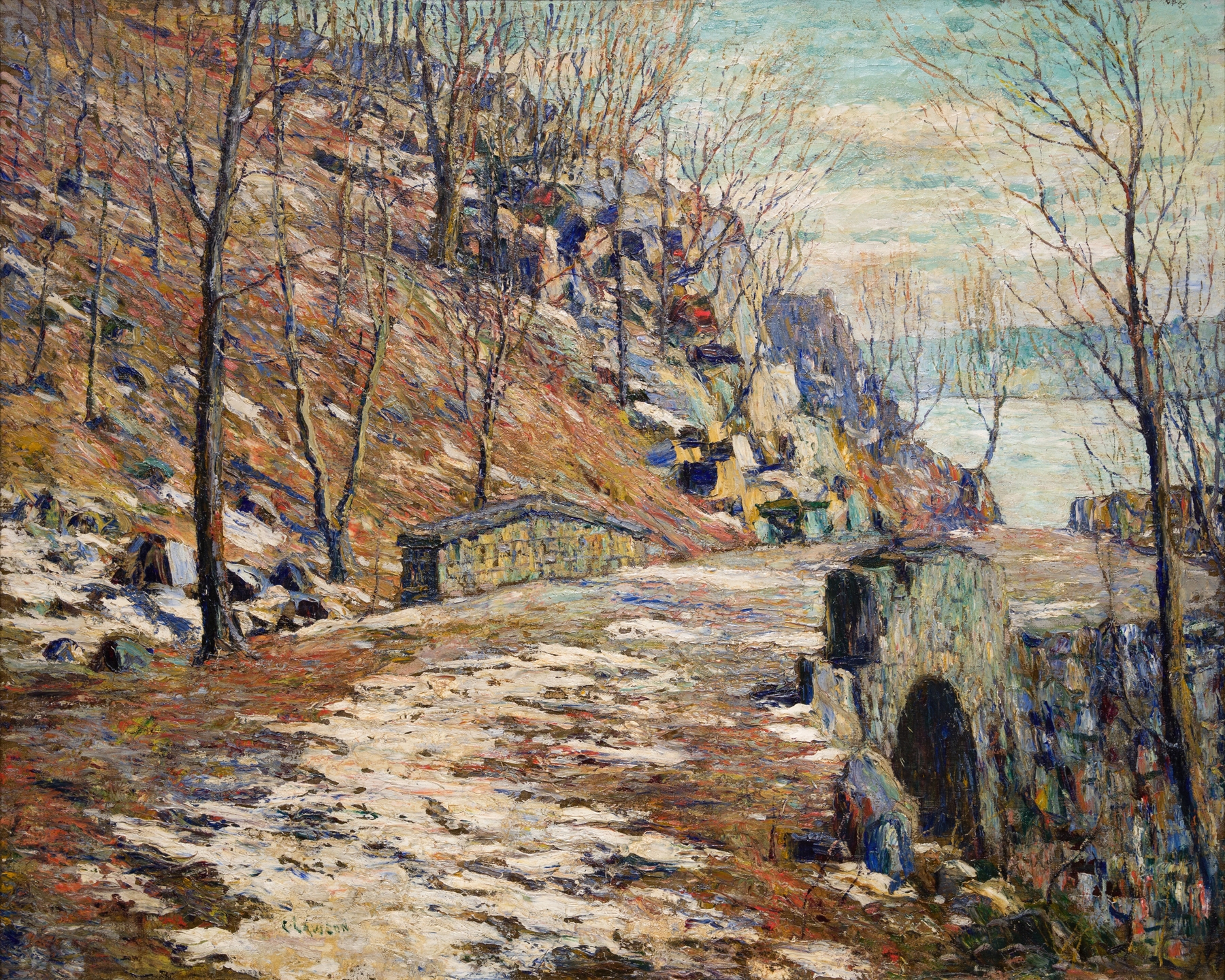
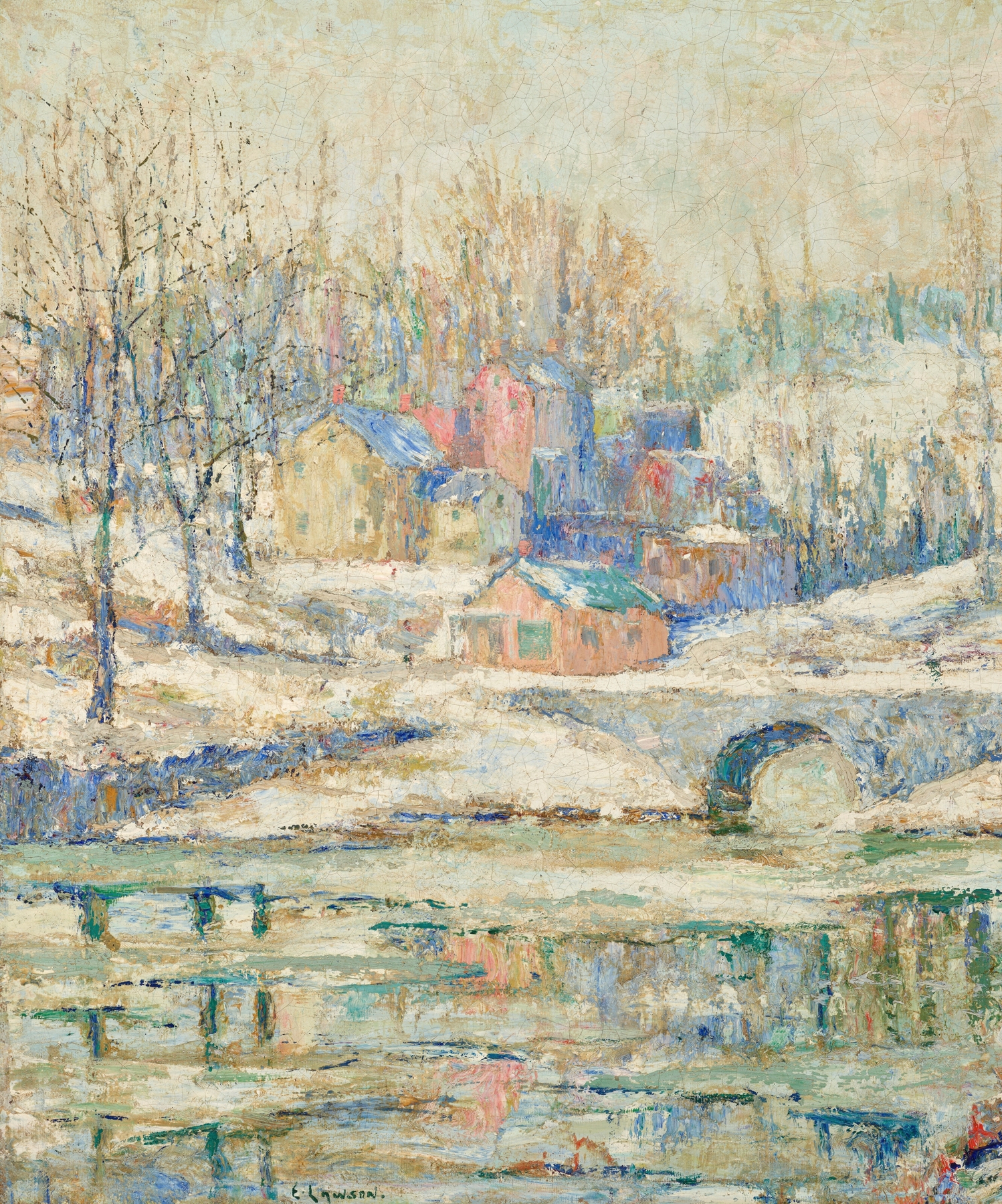
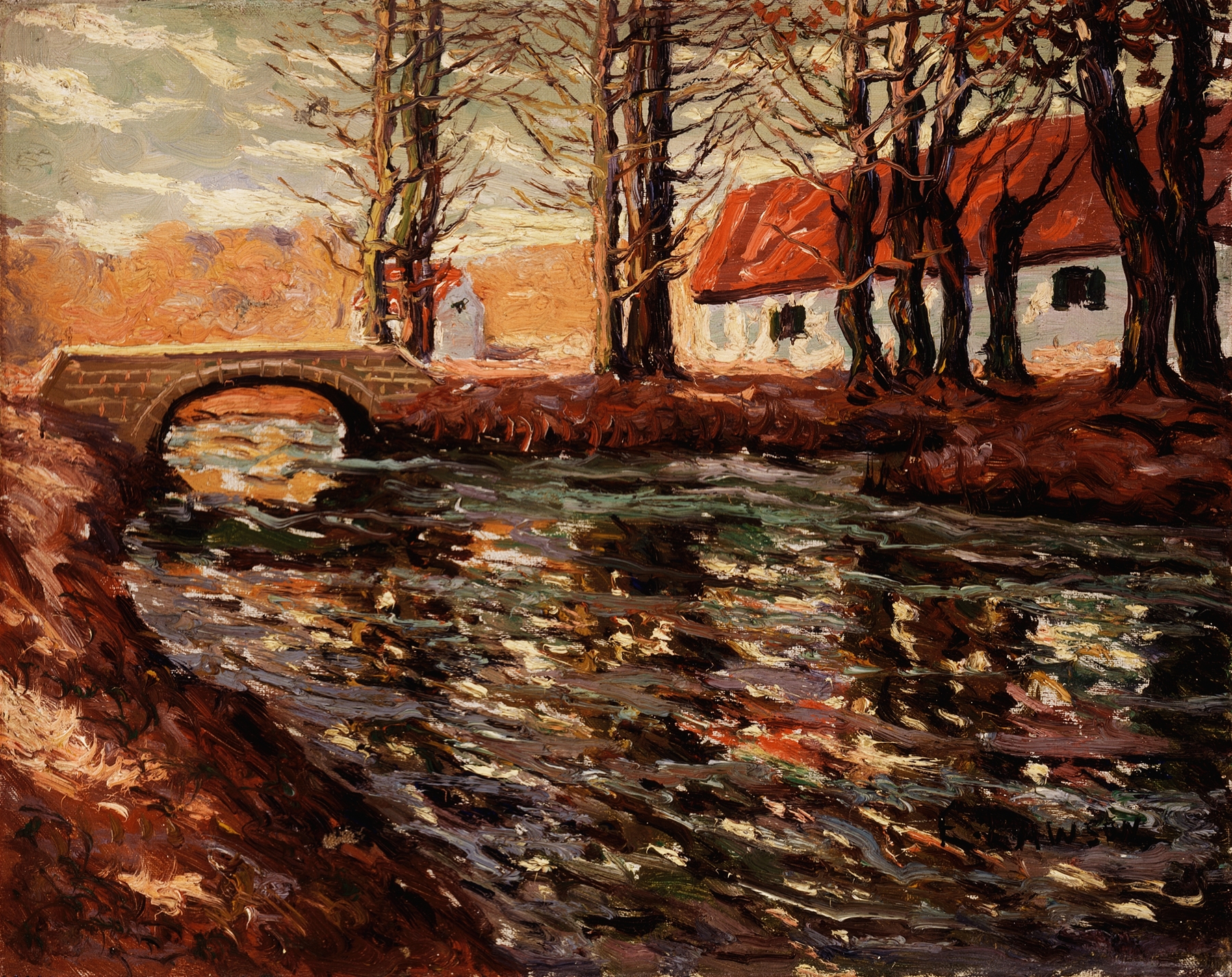
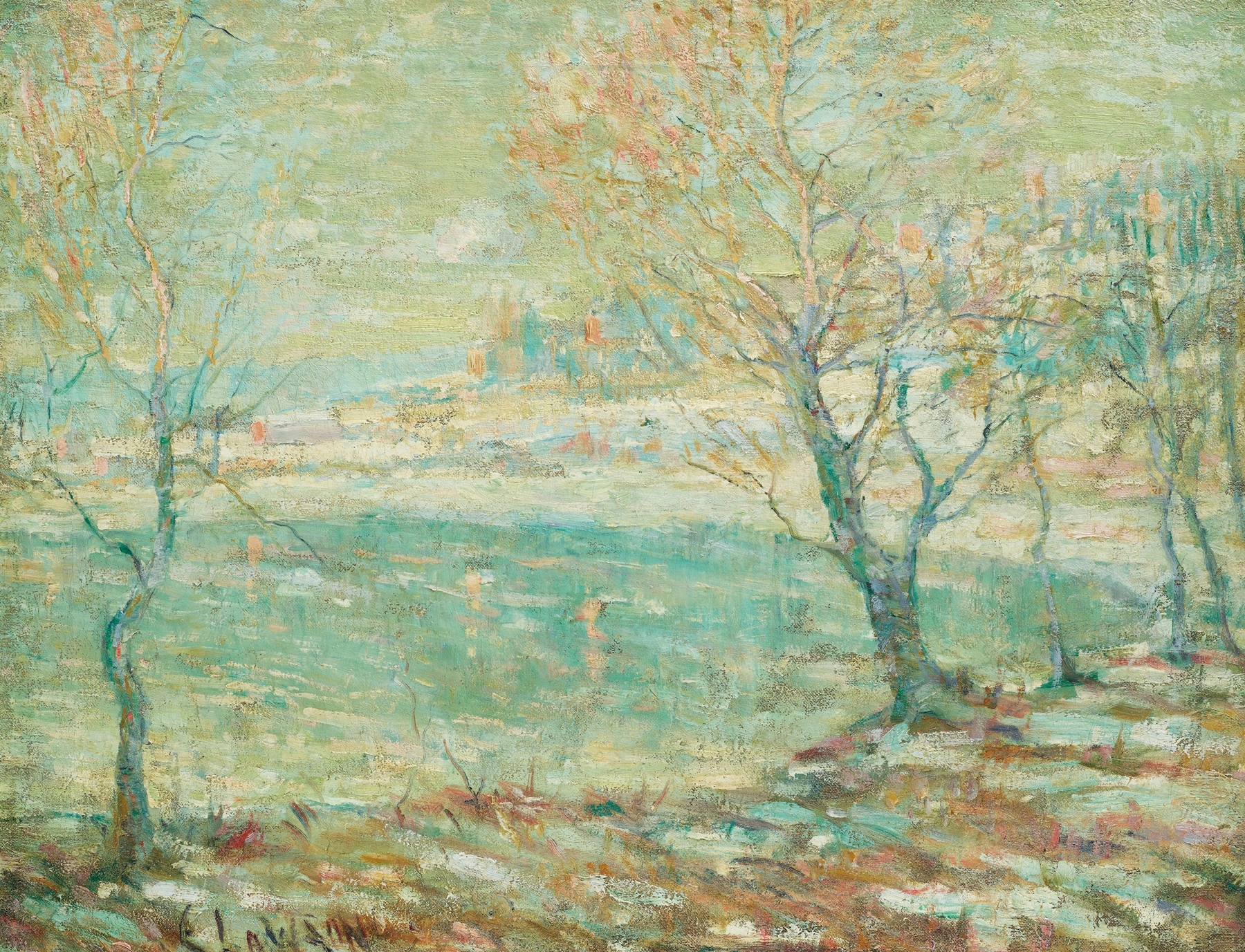
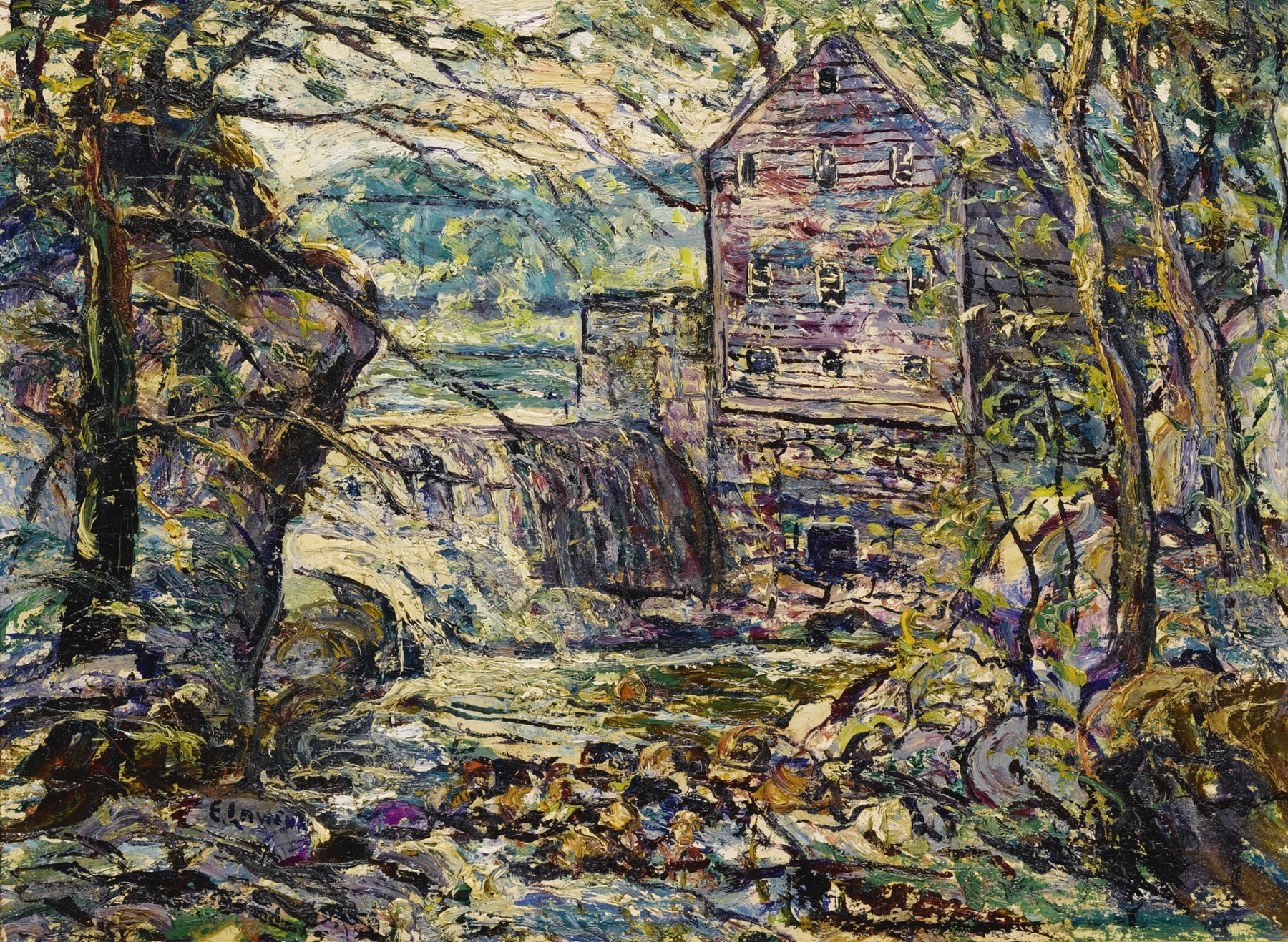
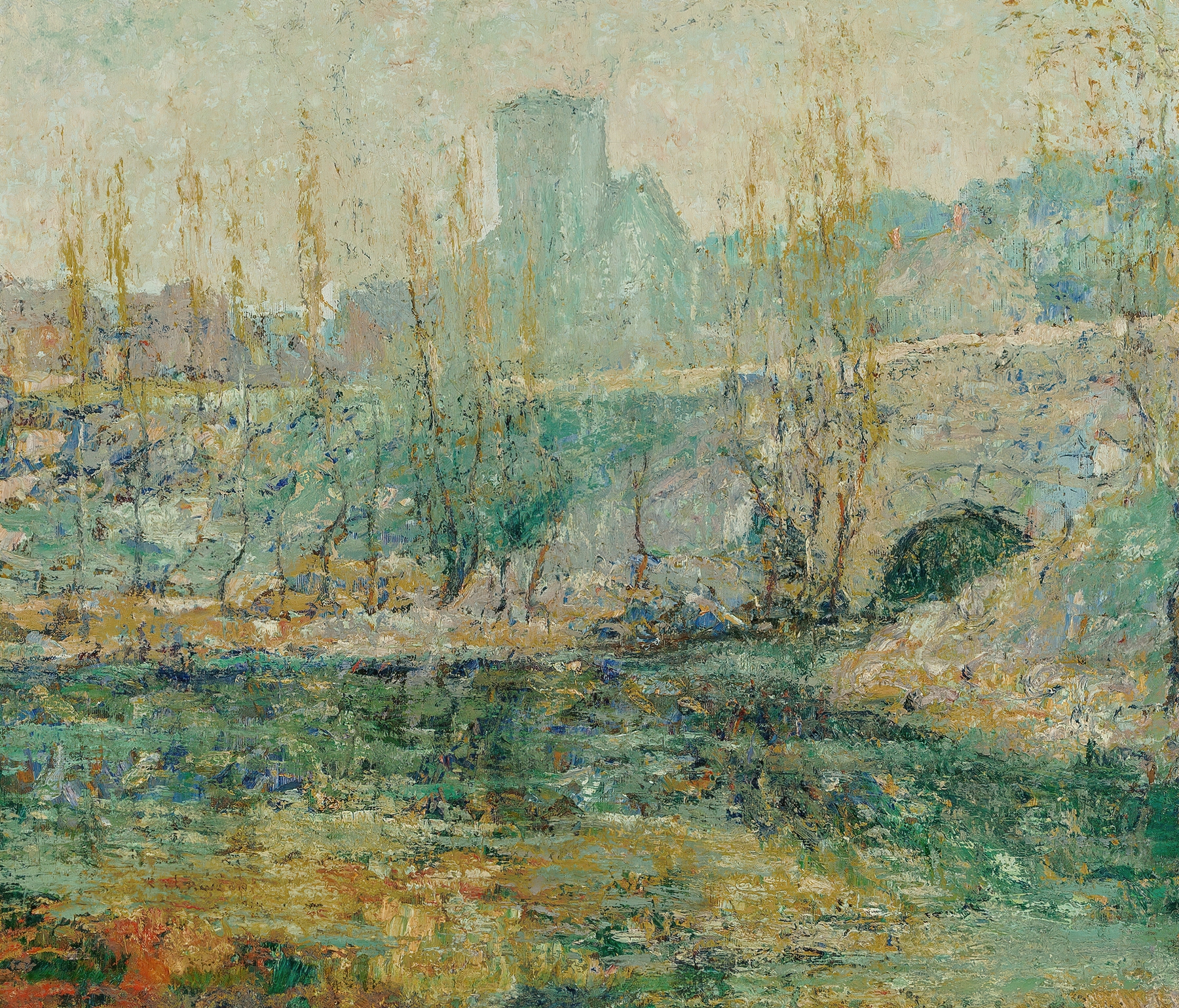
“Between color and silence, truth hides.” In the tapestry of life, the pursuit of truth often weaves through the vibrant chaos of existence, revealing the essence of our journey. Look to the left at the swirling blues and greens that dance across the canvas, suggesting both the depth of the earth and the promise of gold. The jagged mountains rise sharply against the sky, their hues shifting from rich ochres to deep shadows, forming a dynamic interplay that captures the viewer's gaze. The energetic brushstrokes evoke a sense of movement, transporting us into the laborious world of mining where hope flickers like a distant lantern amid the rugged terrain.
Beneath the vibrant surface lies an emotional tension, where the vibrancy of the landscape clashes with the dark undertones of toil and sacrifice. The miners, though absent from the canvas, are felt in the energy that pulses through the work, embodying both aspiration and hardship. The juxtaposition of light and shadow symbolizes the duality of human experience—where aspirations shine brightly, yet the reality of struggle looms ominously in the background.
In 1929, during a time of economic uncertainty and artistic innovation, Lawson captured the essence of America’s gold rush spirit in Gold Mining, Cripple Creek. Working in a rapidly changing environment, he channeled the energy of the Roaring Twenties while grappling with the challenges of the Great Depression that lay just ahead. His pieces often reflected the tensions of American life, merging the optimism of the new age with the underlying anxieties that accompanied it.