Greenwich — History & Analysis
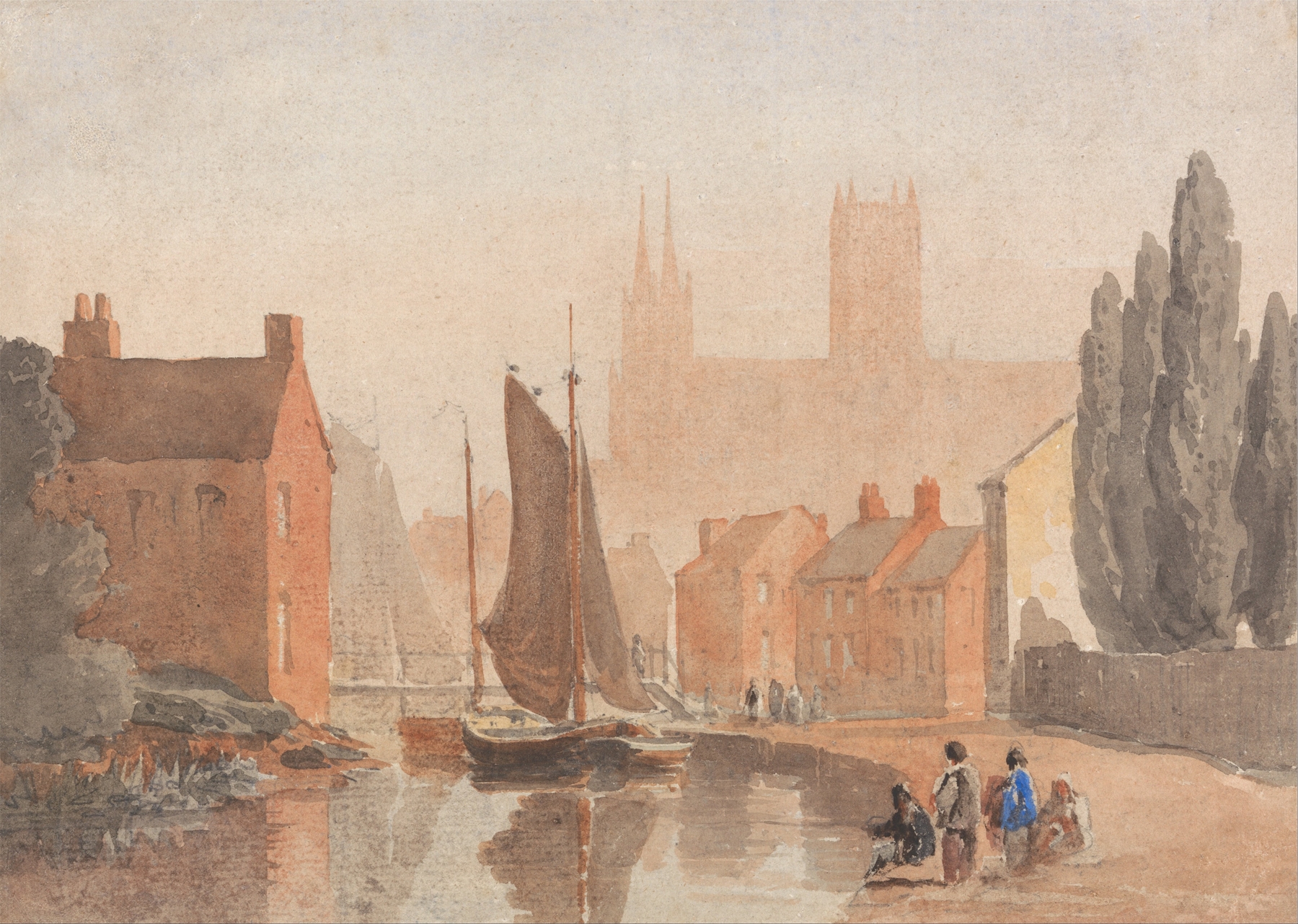
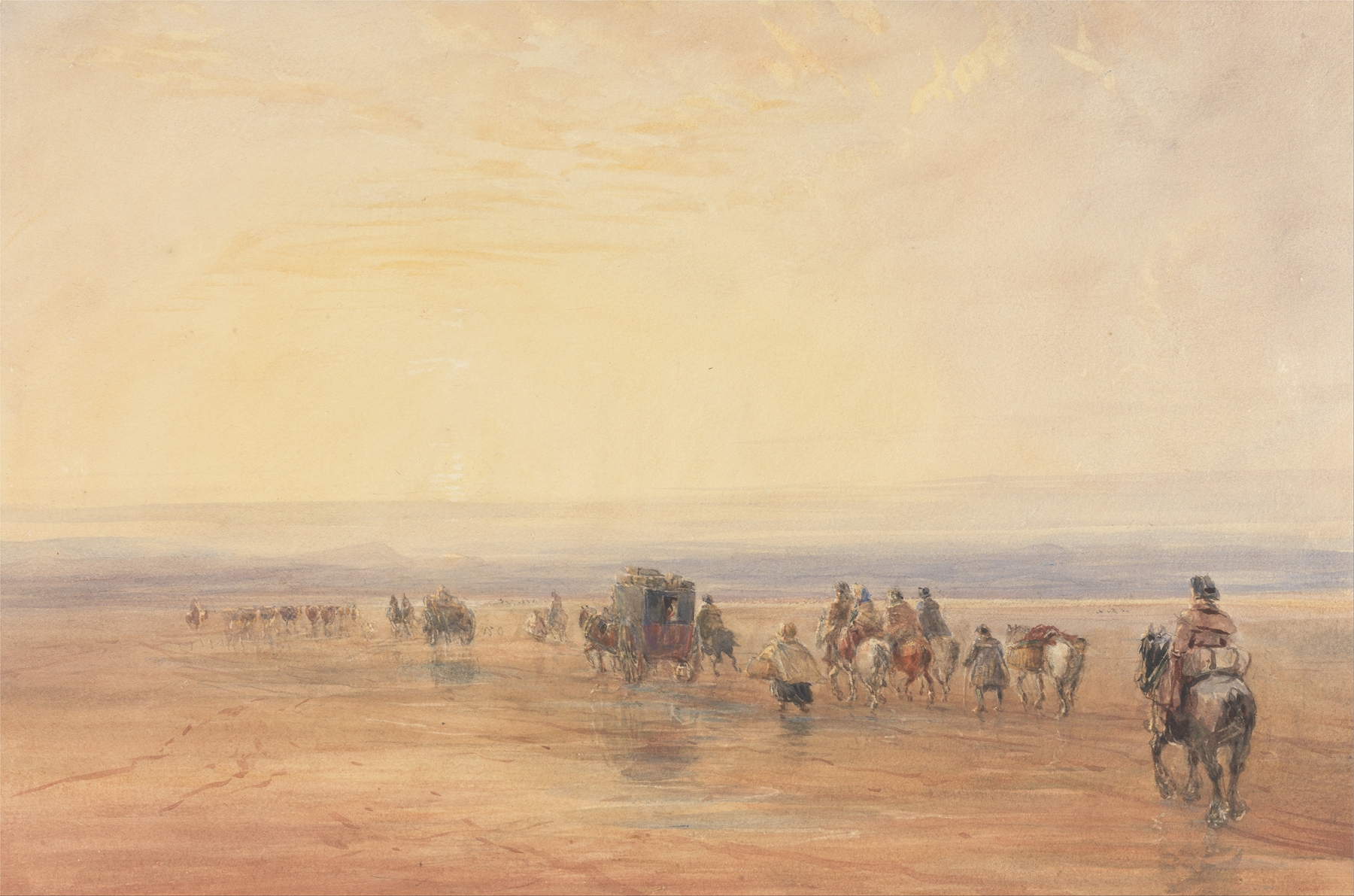
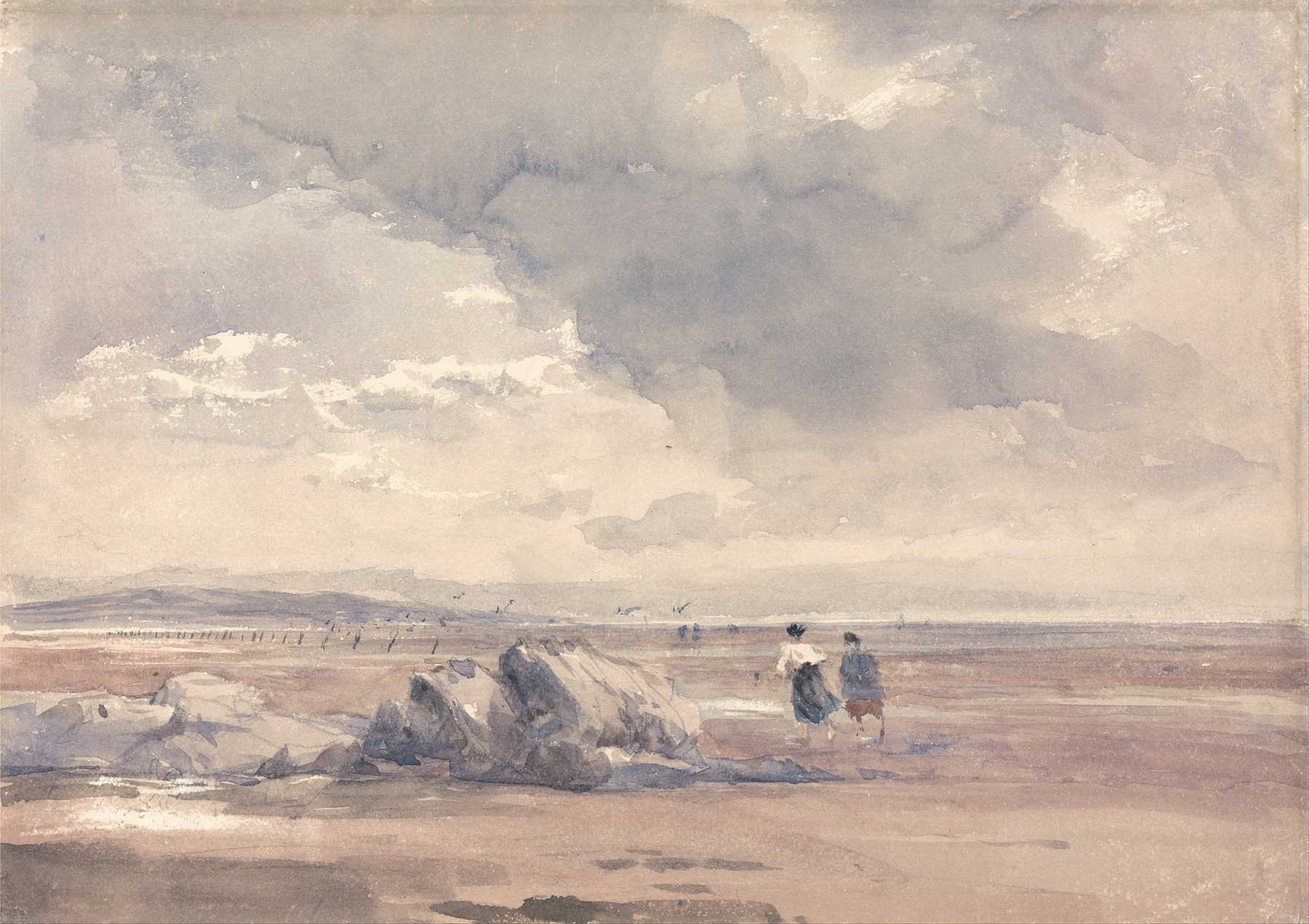
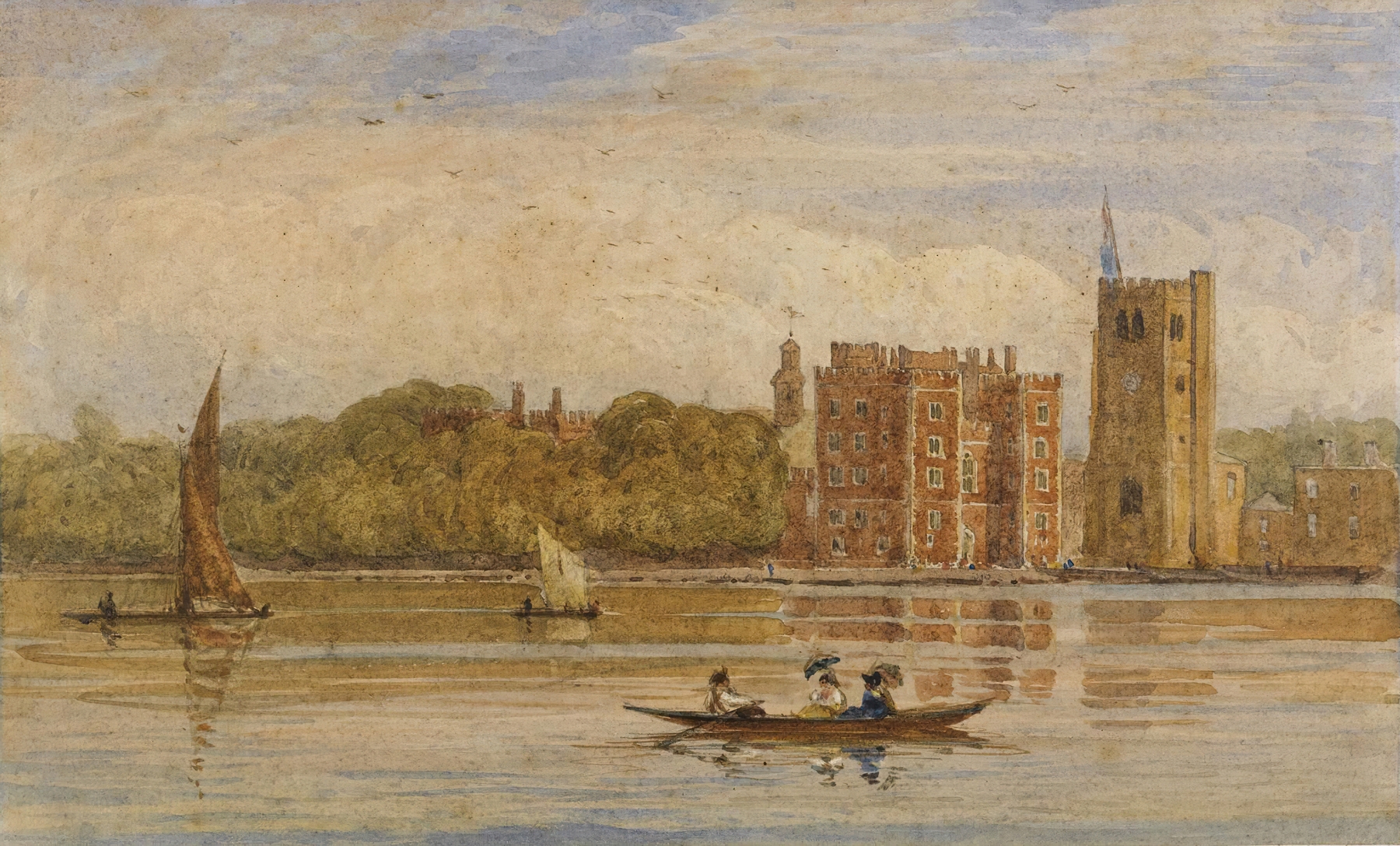
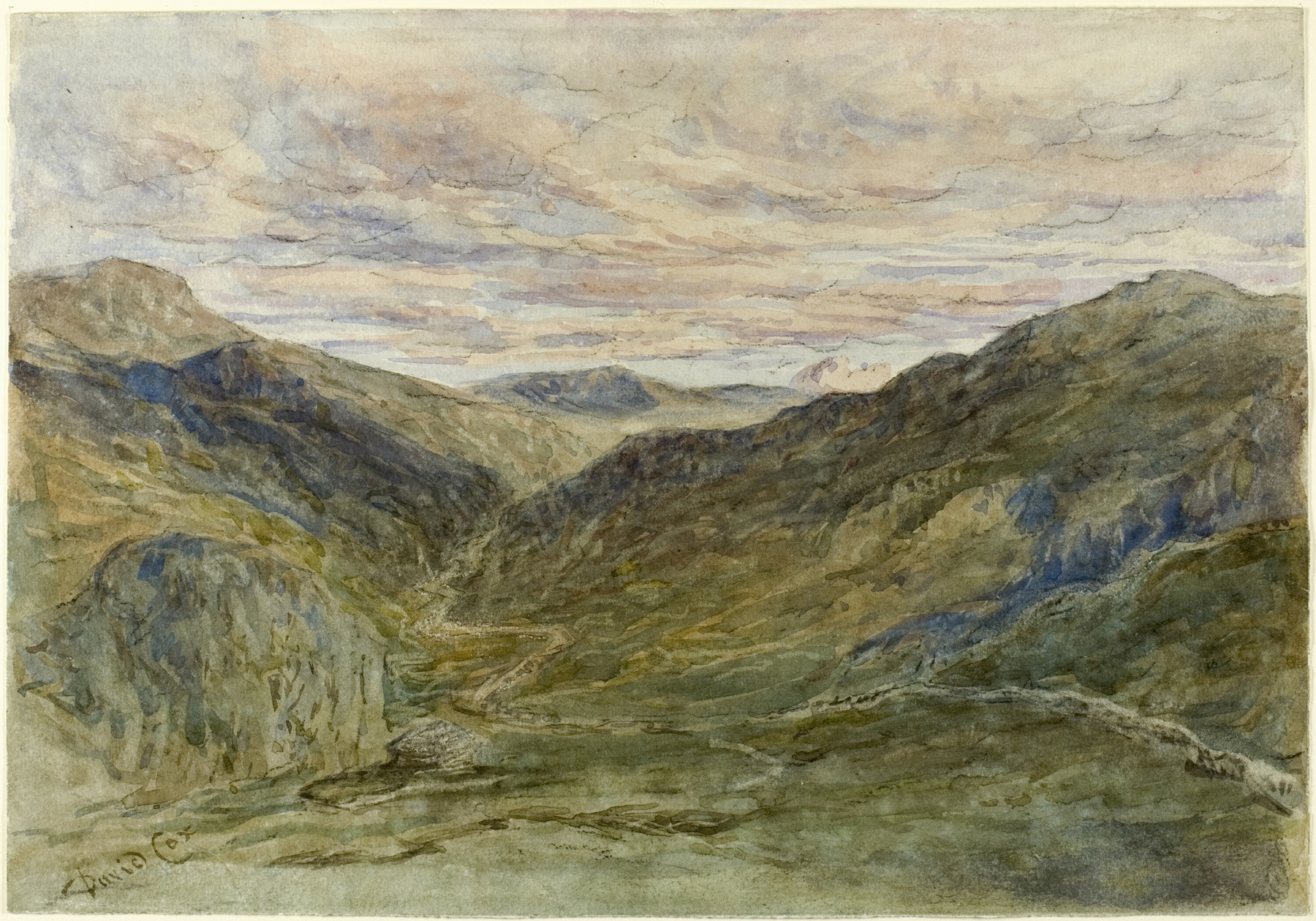
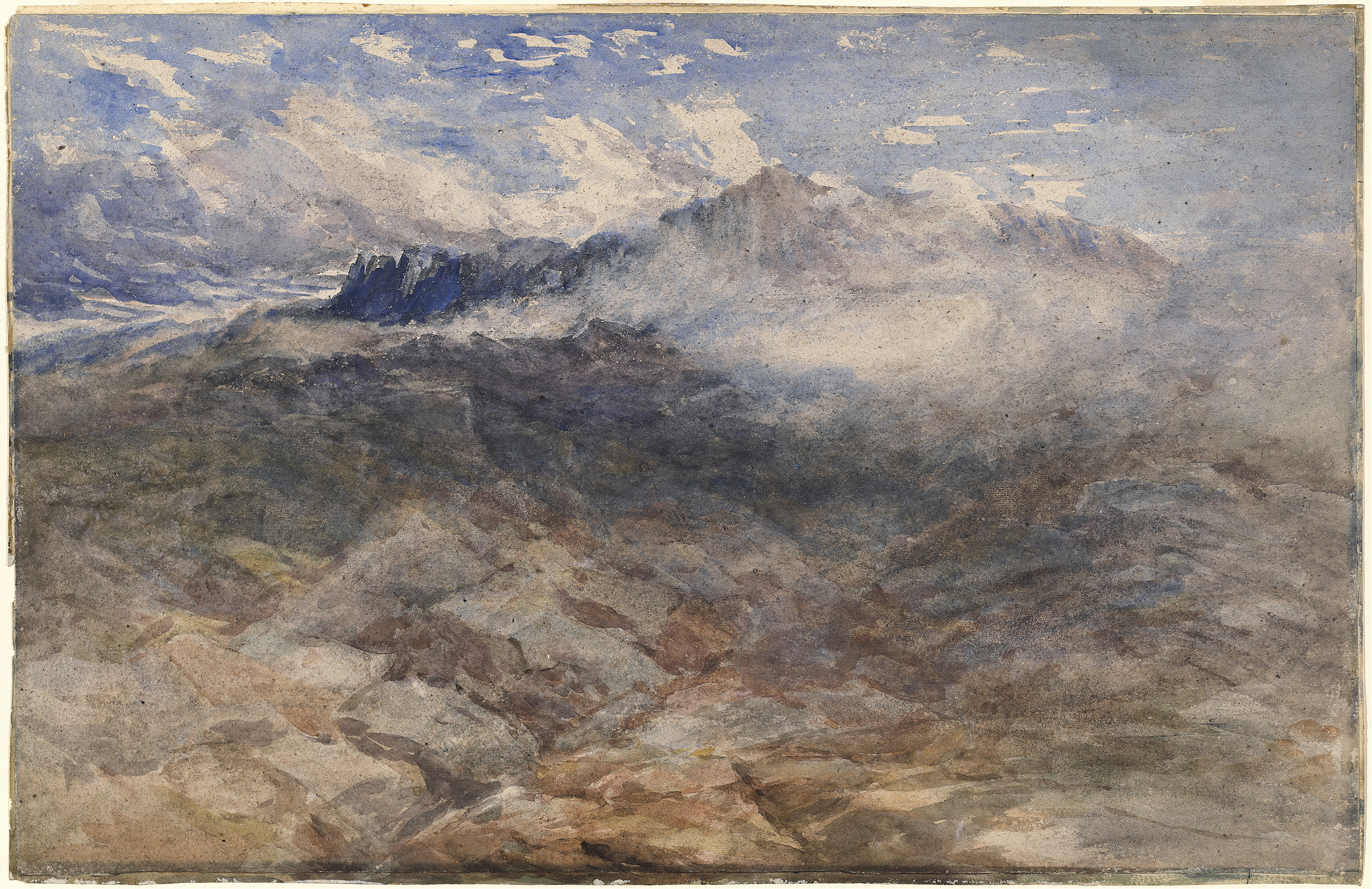
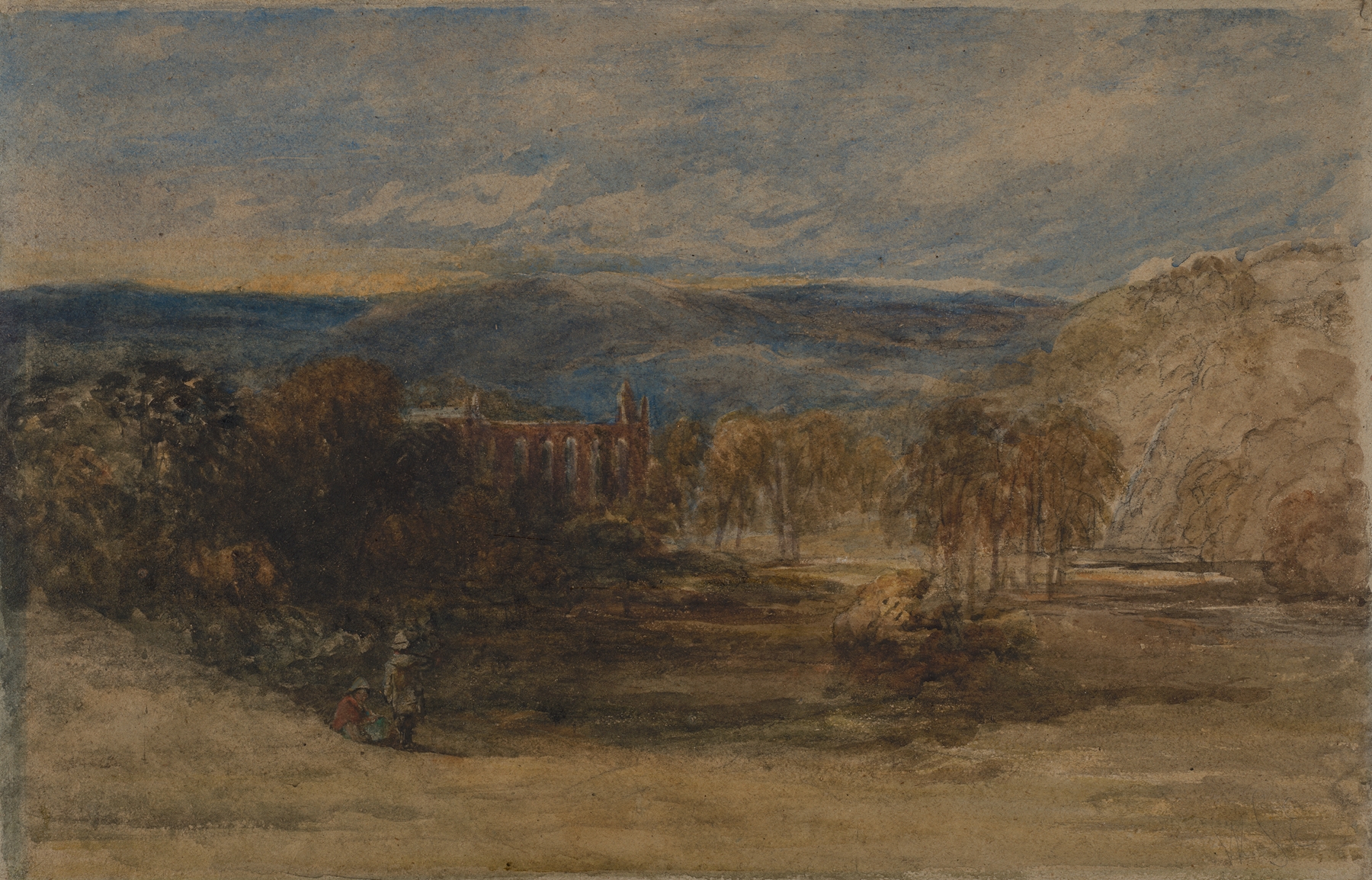
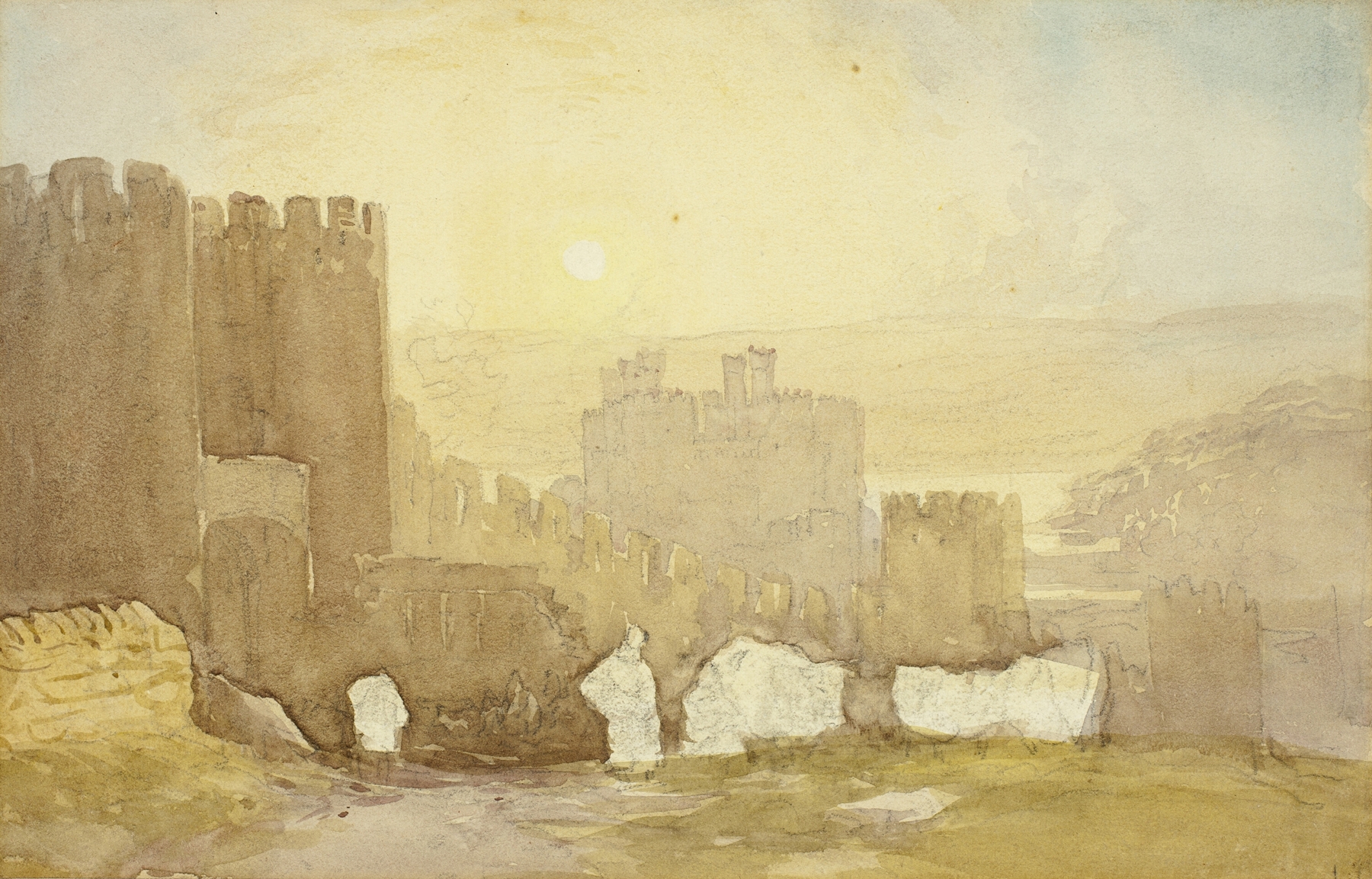
What secret hides in the quiet of the canvas? In an era where landscapes spoke volumes, a palette of greens and blues whispers the secrets of nature’s tranquility. Look to the left at the soft brushstrokes that form the rolling hills, their gentle curves leading the eye toward the horizon. Notice how the light catches the leaves, illuminating them with a golden hue that contrasts beautifully against the deep azure of the sky.
The artist expertly balances warm and cool tones, allowing the ethereal quality of the light to define the atmosphere and draw the viewer into this serene world. Delve deeper into the composition, where the stillness of the landscape belies an underlying tension. The absence of human figures suggests an untouched, sacred space, inviting contemplation and reflection. The interplay between shadow and light evokes a sense of time standing still, while the vibrant colors capture the essence of a fleeting moment — perhaps a brief pause in the chaos of life, preserving the eternal beauty of nature.
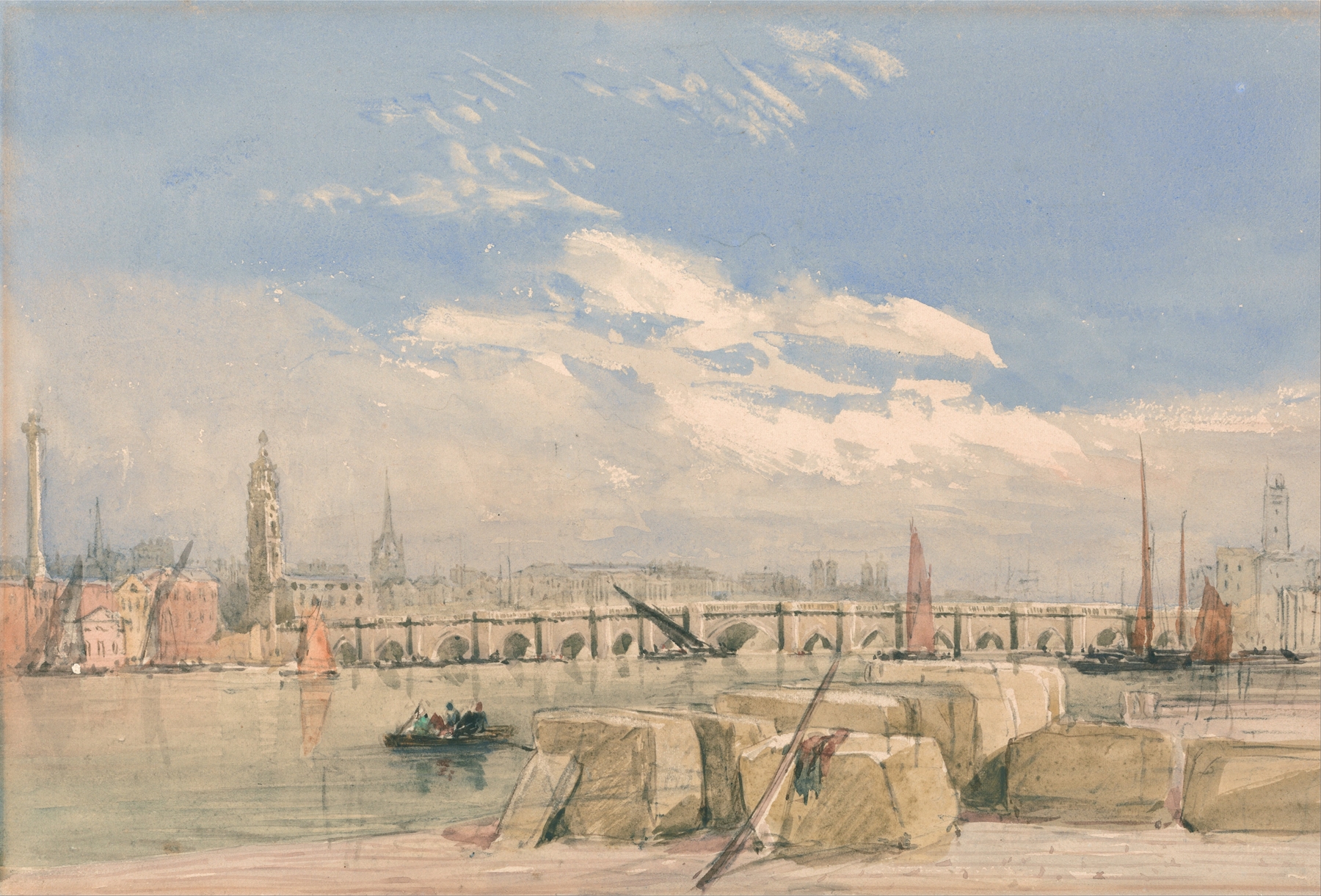
David Cox painted Greenwich in the 1820s, during a period of significant change in the English art scene, marked by the rise of the Romantic movement. Living in London, he drew inspiration from the natural world around him, seeking to convey emotional depth through landscape. This work is a testament to his vision, as he navigated the balance between realism and poetic expression, echoing the growing appreciation for nature amidst the tumult of urban life.