Greenwich Hospital from Woolwich Reach — History & Analysis
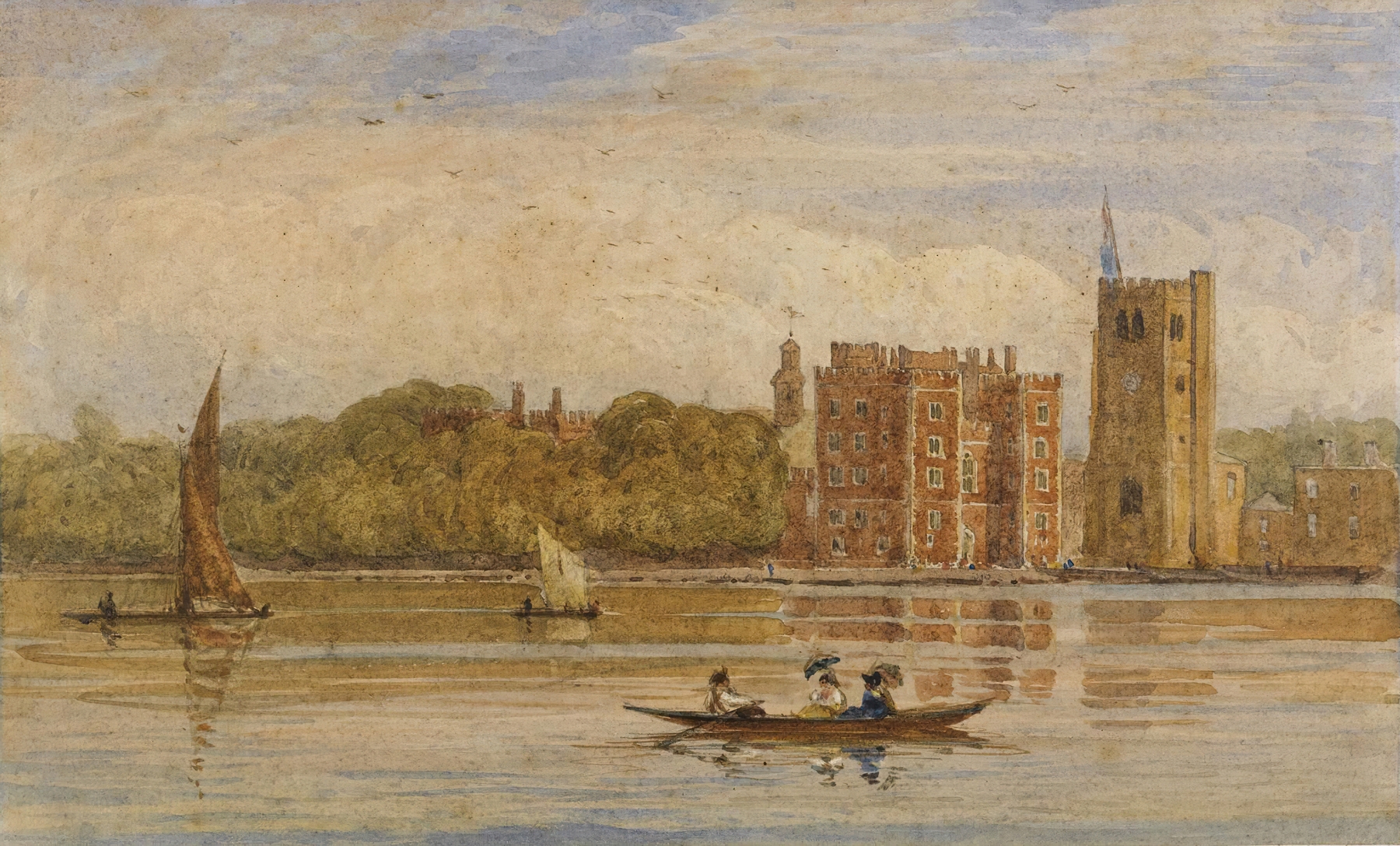
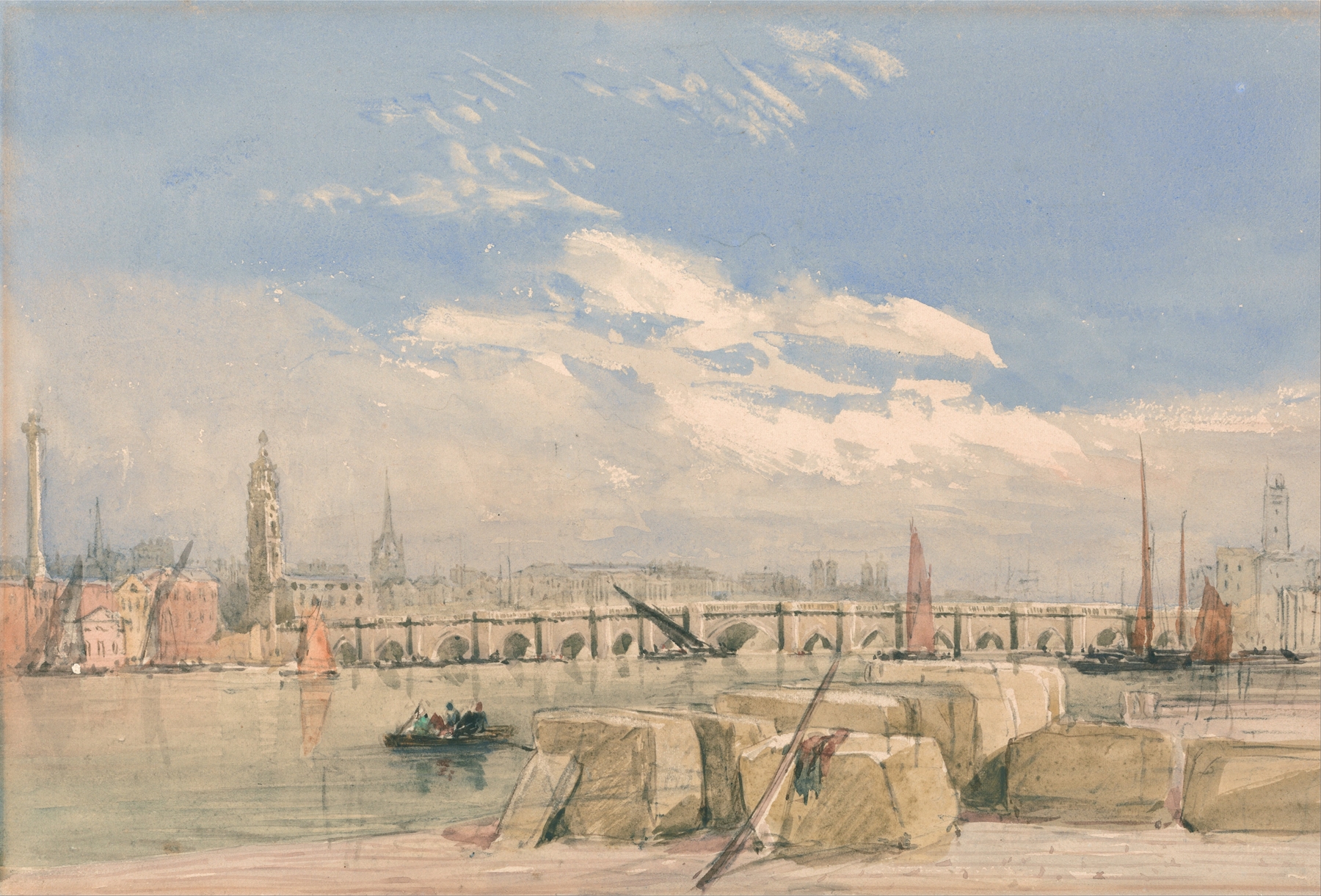
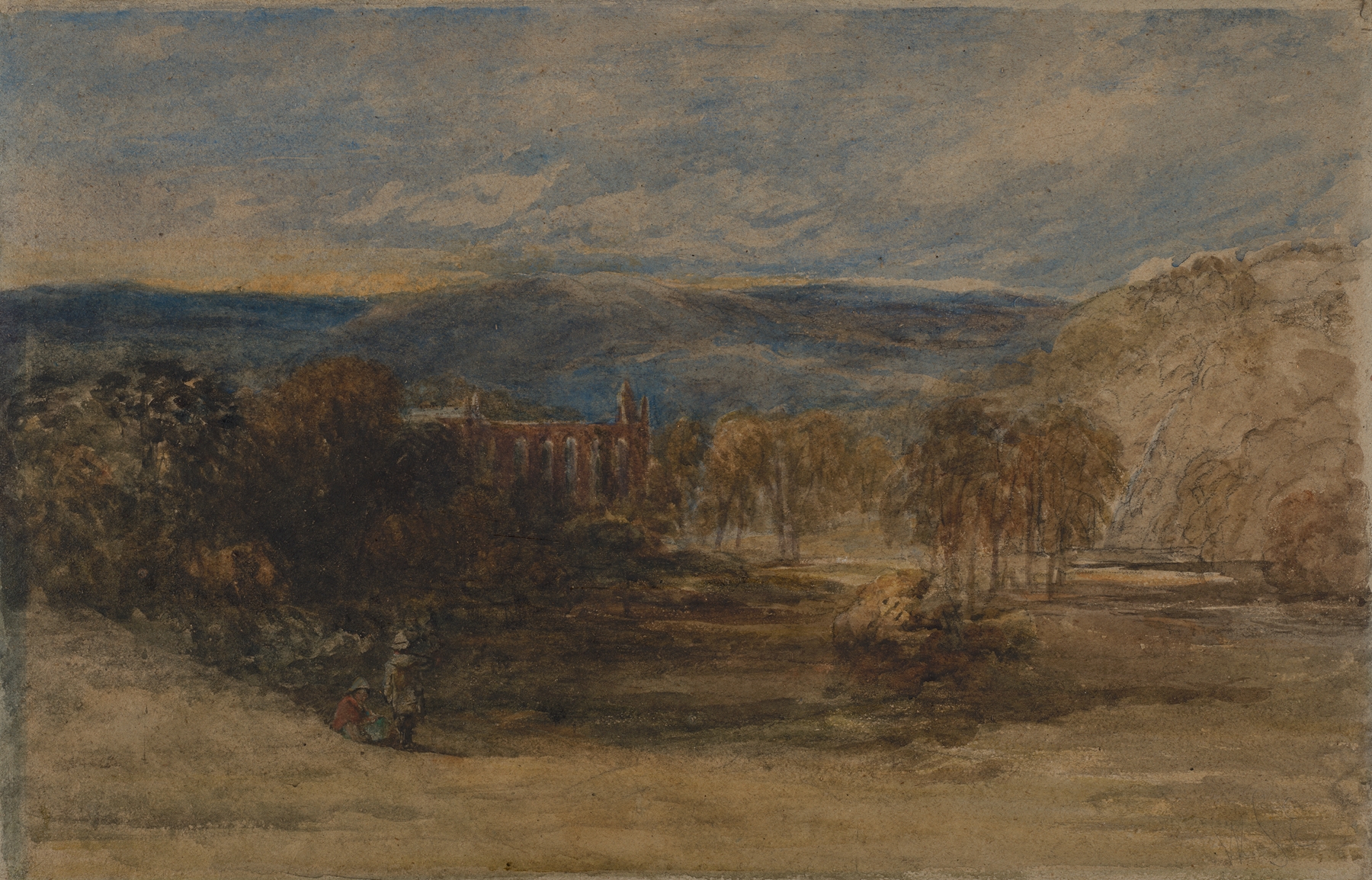
Can paint confess what words never could? In Greenwich Hospital from Woolwich Reach, a haunting void is captured, whispering secrets of solitude and resilience that linger beyond the canvas. Look to the left at the majestic silhouette of Greenwich Hospital, its stately architecture rising against the dim backdrop of an overcast sky. The brushstrokes create a delicate interplay between the muted hues of gray and hints of warm earth tones that break the coolness of the scene.
Notice how the gentle ripples of the river mirror the somber colors, suggesting a reflective stillness, emphasizing both the grandeur of the structure and the tranquility of the surrounding waters. The underlying emotional tension emerges through the juxtaposition of the hospital's solid presence and the ethereal, swirling clouds above. This contrast hints at the weight of history within those walls, a repository of countless stories and lives touched by both healing and heartache. The seemingly serene surface of the river belies the deeper currents of time, evoking a sense of longing and loss, as if the past is eternally intertwined with the present.
In the 1820s, when this painting was created, David Cox was deeply engaged in landscape painting, experimenting with light and atmosphere. Living in England, he was influenced by the burgeoning Romantic movement, which emphasized emotion and the sublime in nature. This period marked a shift in how art reflected society, capturing not only the grandeur of architecture but also its emotional resonance amid the sweeping changes of the industrial age.