Hanson Toot, View in Dovedale — History & Analysis
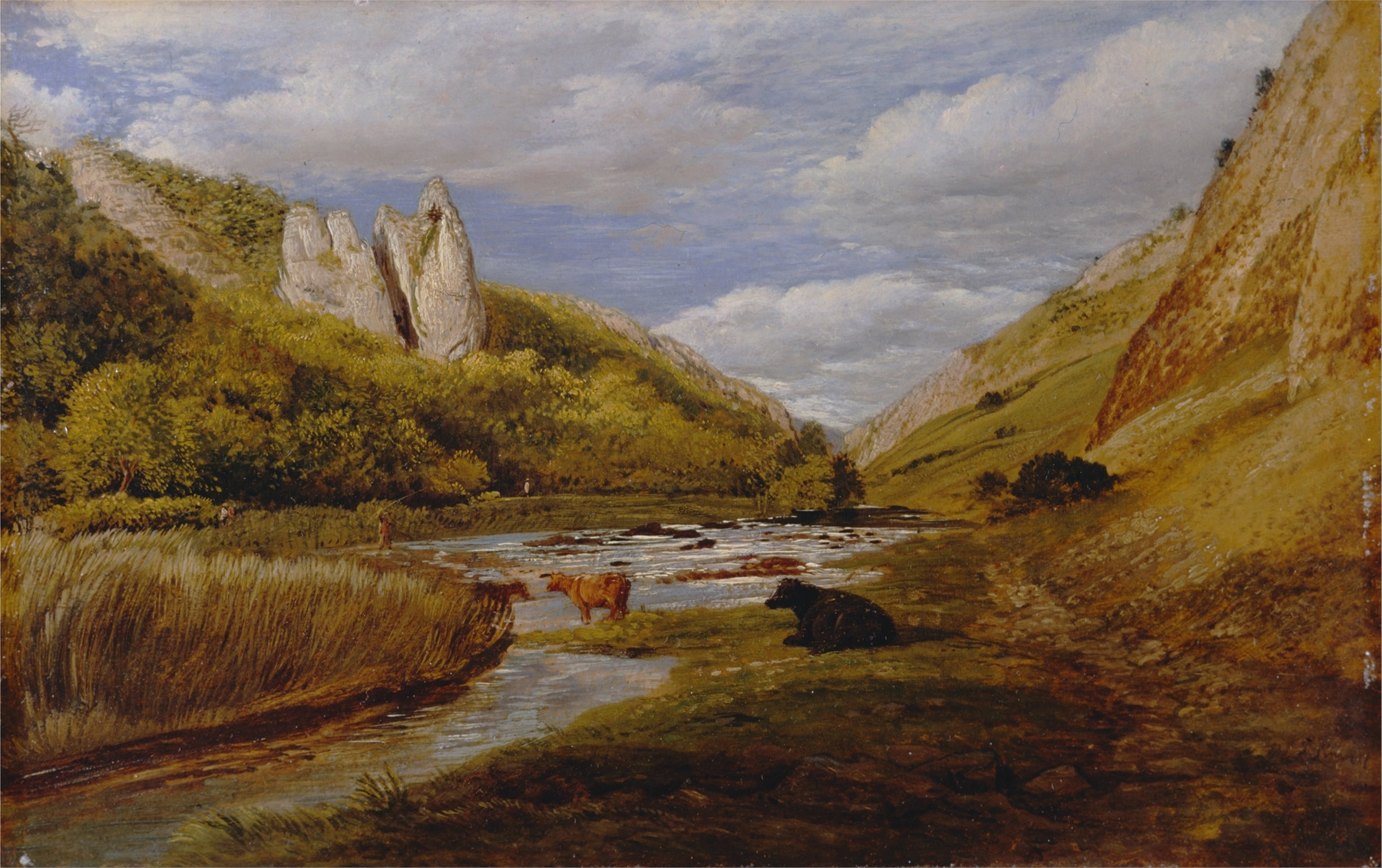
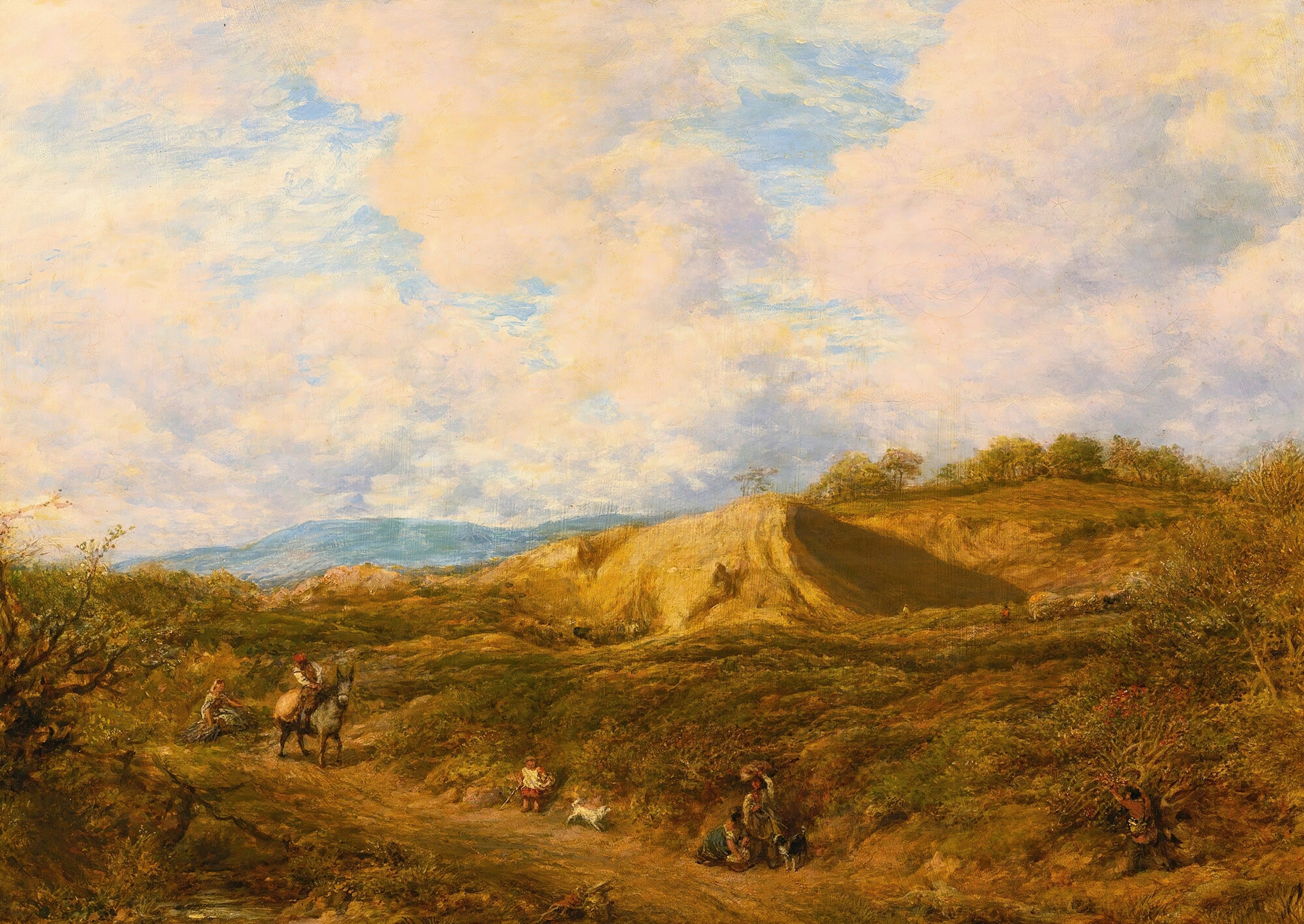
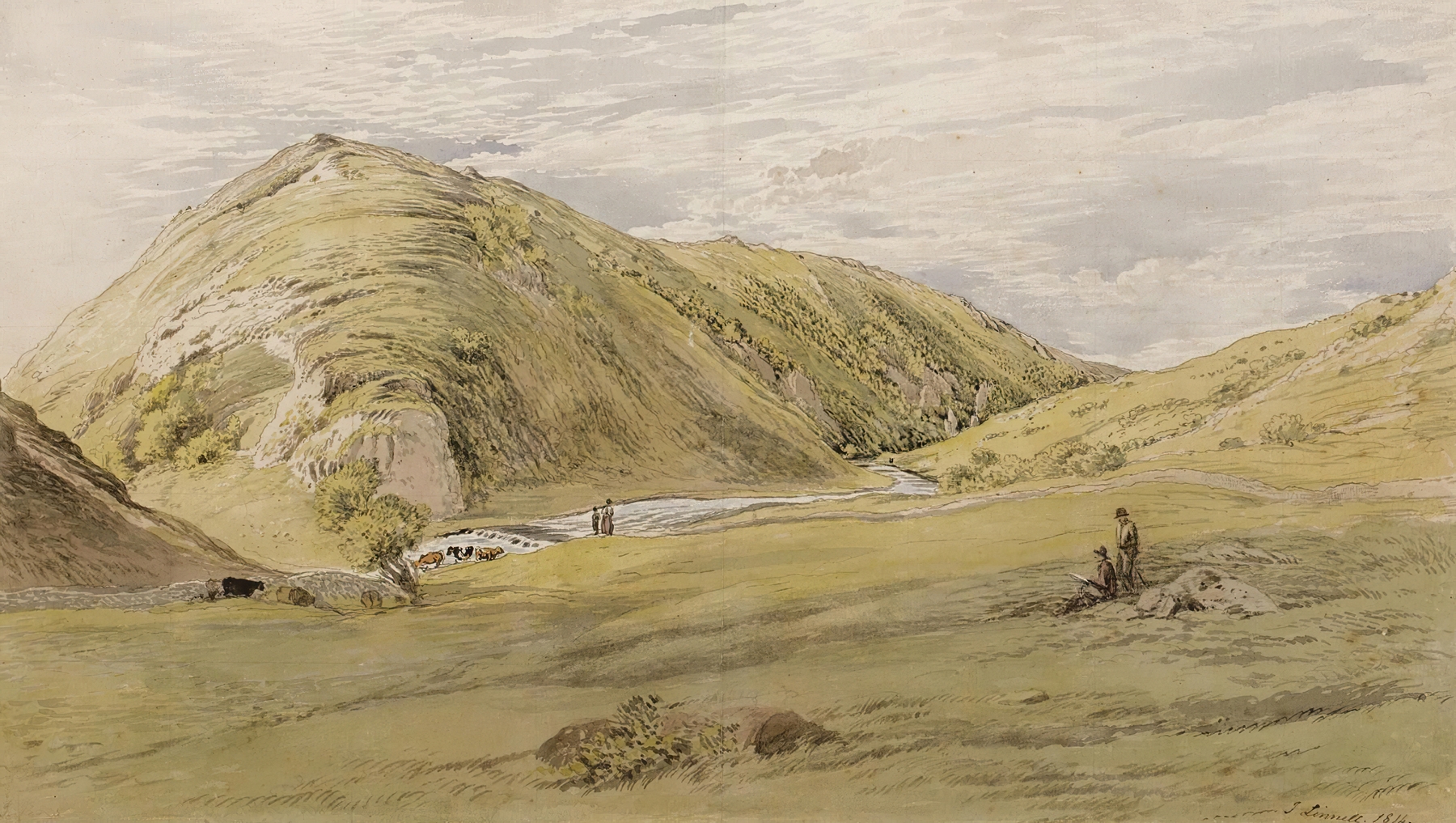
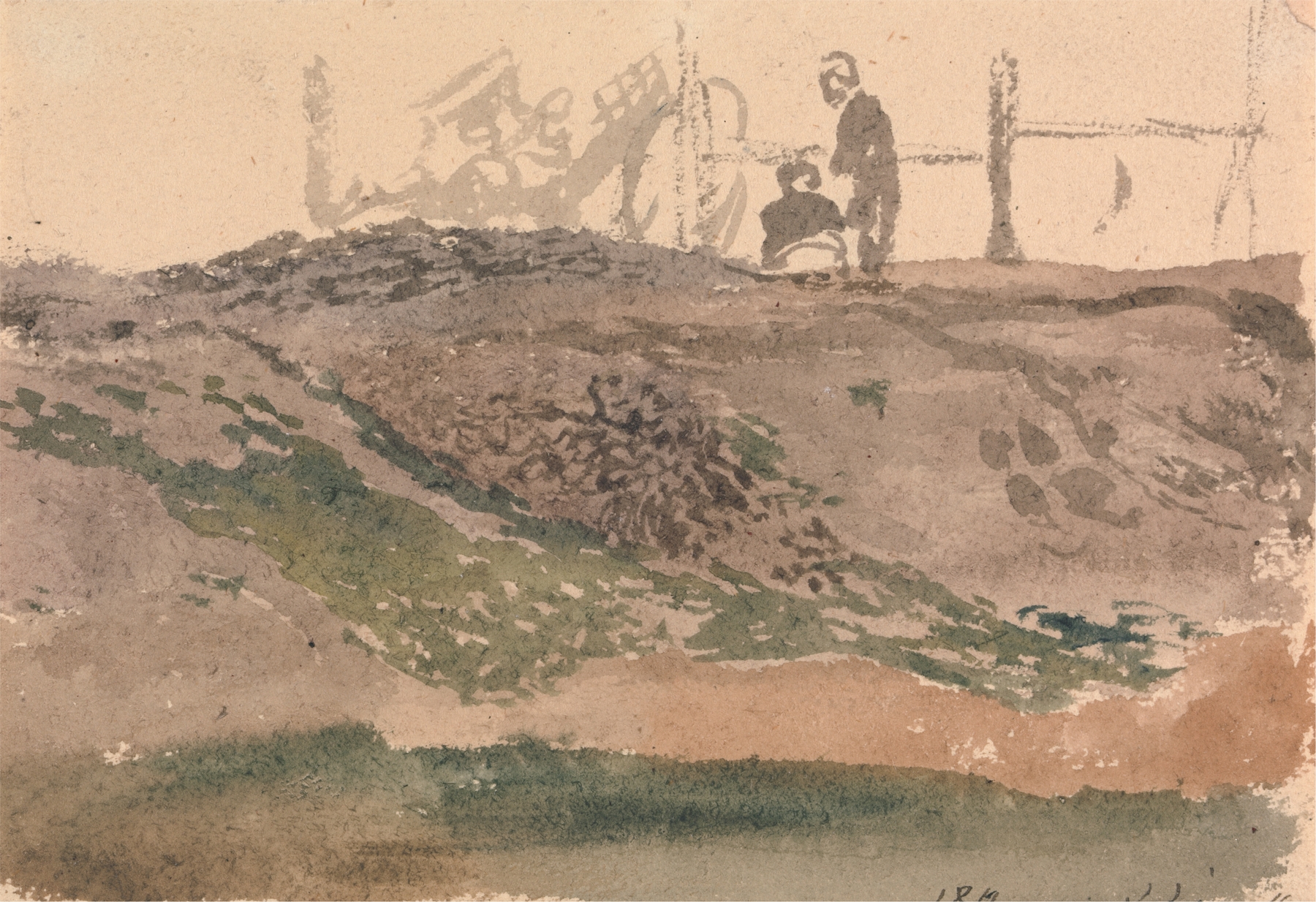
“The canvas doesn’t lie — it simply waits.” In a world that often rushes by, serenity can be found when we take a moment to truly observe. Look to the center of the painting, where the gentle curve of the river draws your eye into the heart of the landscape. Notice how the soft blues and greens blend seamlessly, reflecting the tranquil essence of Dovedale. The light dances delicately across the surface of the water, illuminating the surrounding hills and inviting the viewer to lose themselves in this idyllic scene.
The artist's brushwork breathes life into the foliage, creating a lush tapestry that embraces the gentle slopes. Beneath the surface beauty lies a deeper harmony — the balance of nature and stillness captured in this moment. The quietude of the scene contrasts sharply with the tumult of the outside world, a reminder of the peace that can be found in solitude. The positioning of the trees framing the river not only guides our gaze but creates a sanctuary, echoing the themes of refuge and contemplation.
Each detail, from the rippling water to the distant hills, signifies a connection to nature that transcends time. In 1815, John Linnell painted this work amidst the rise of the Romantic movement, a period that celebrated both nature and emotional experience. Living in England, he was immersed in a world increasingly influenced by the industrial revolution, yet he chose to depict landscapes that reflected a yearning for simplicity and tranquility. This painting stands as a testament to his dedication to capturing the serene beauty of the natural world, allowing viewers to reconnect with the landscape even amidst changing times.