Harlem River — History & Analysis
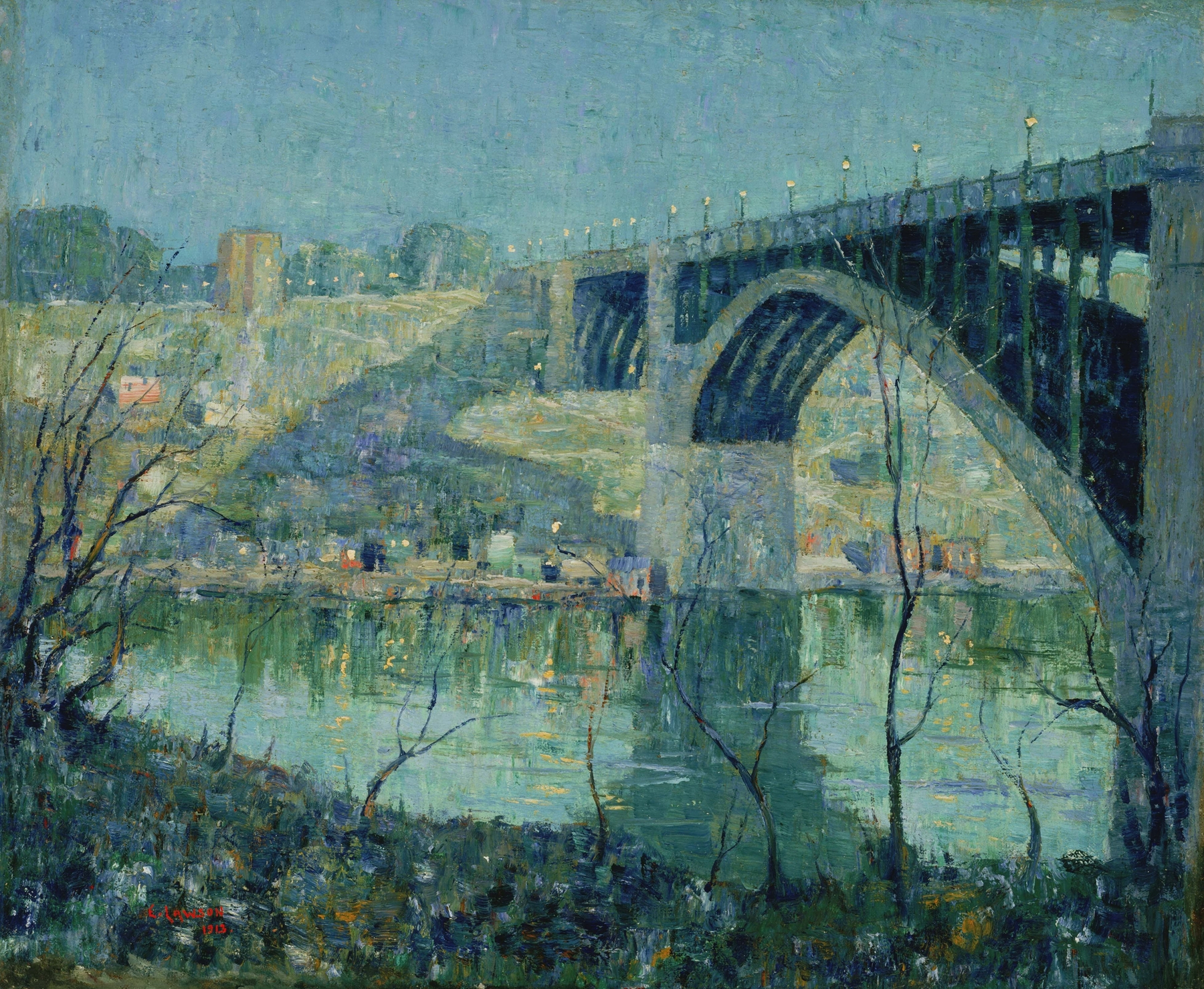
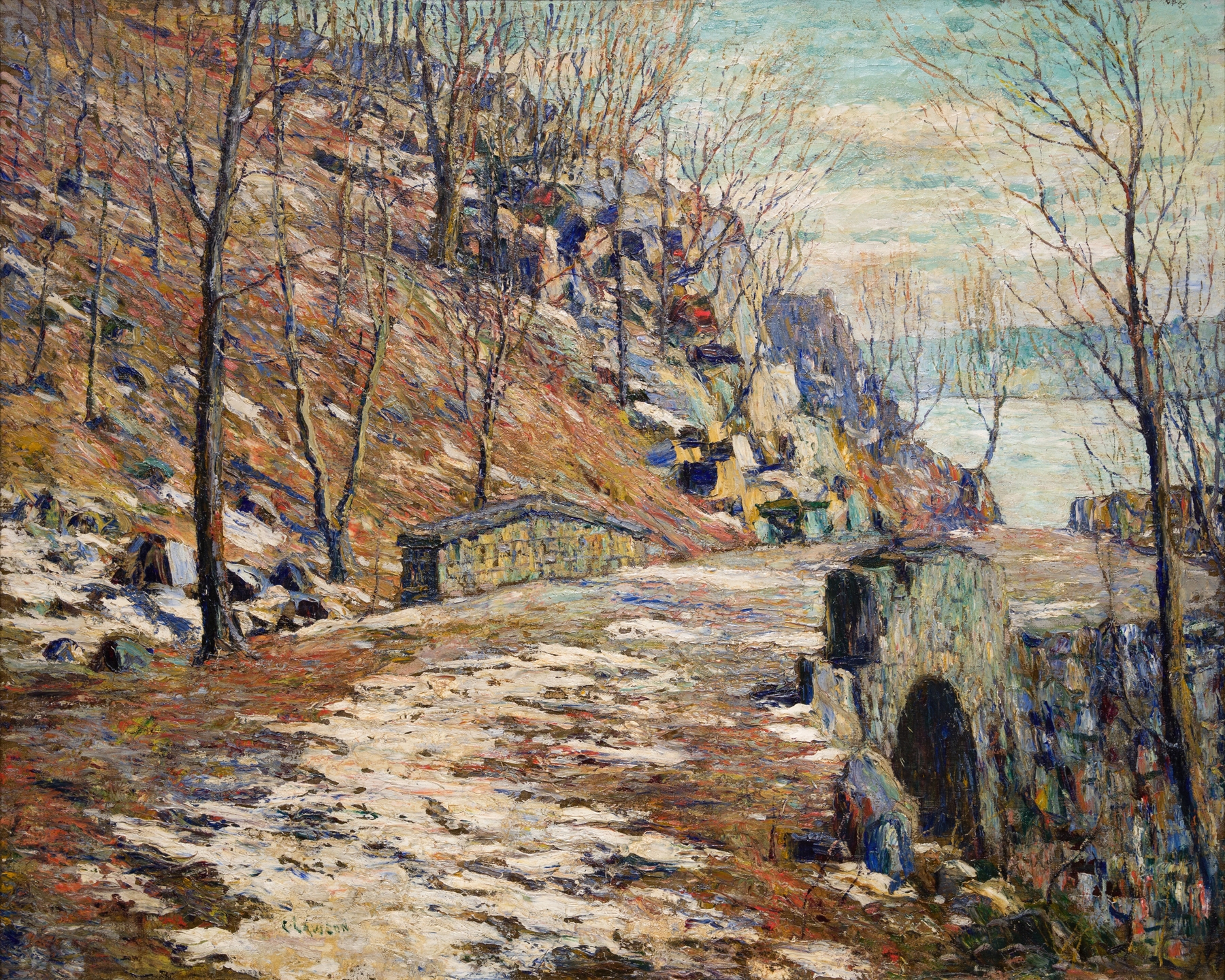
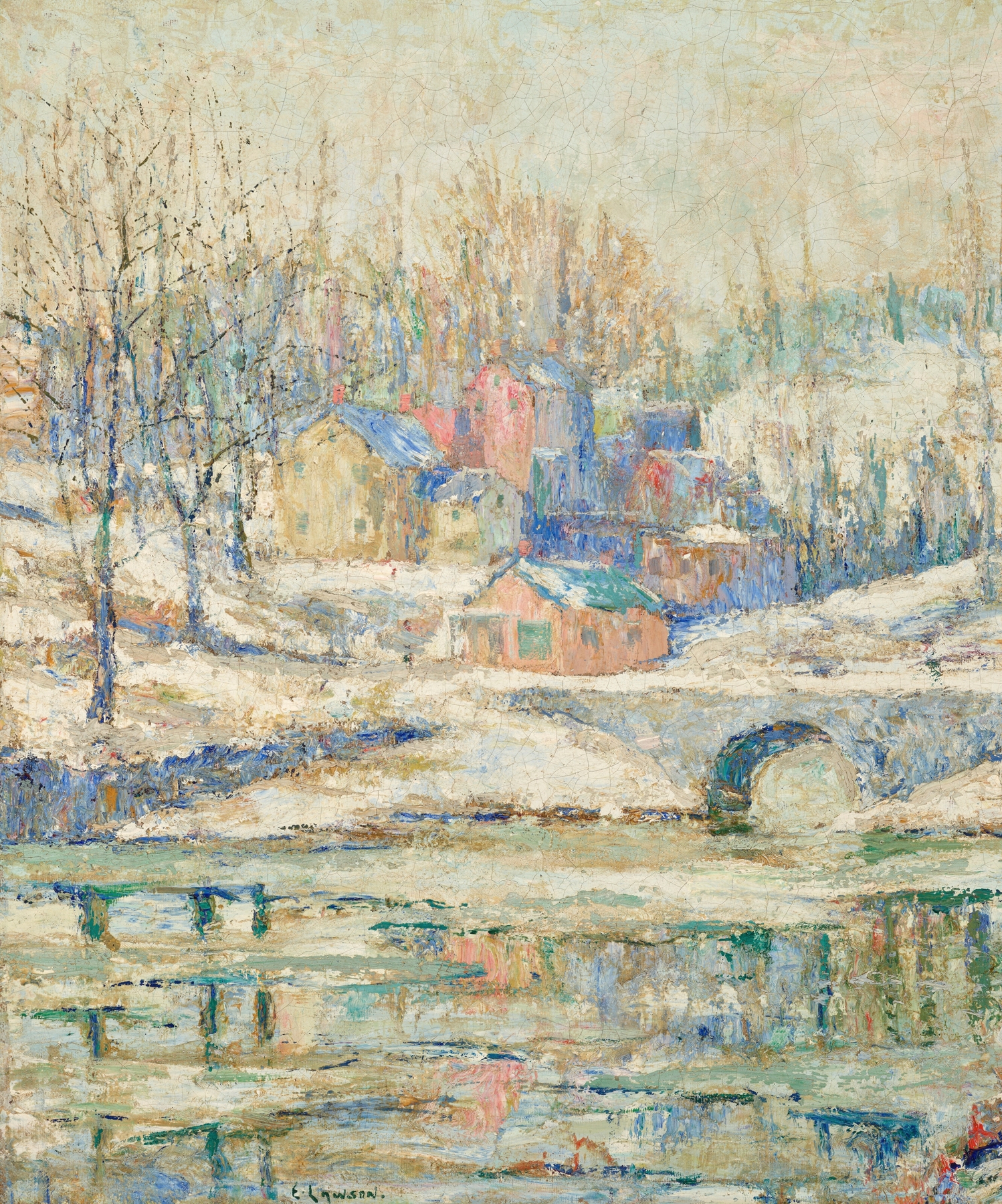
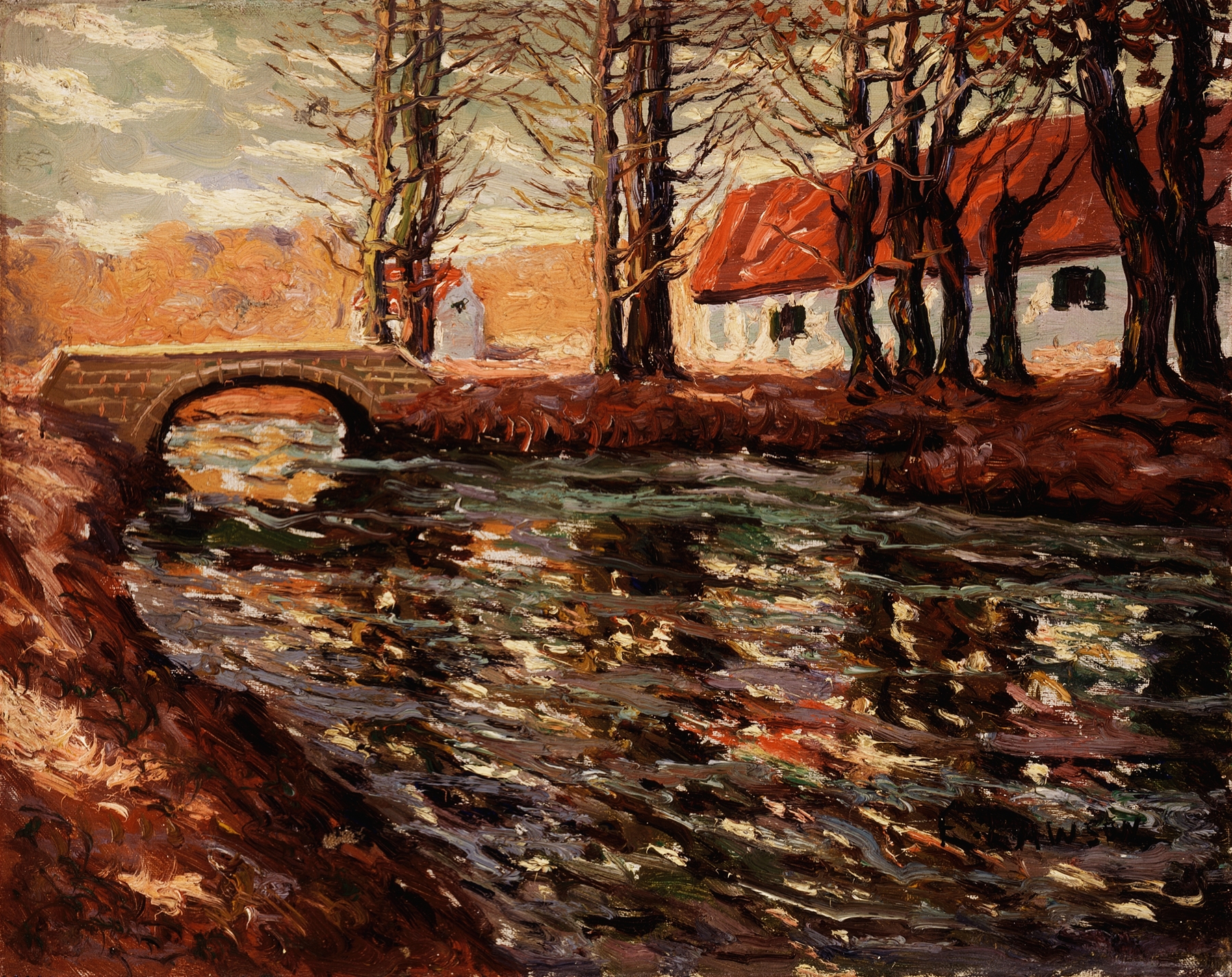
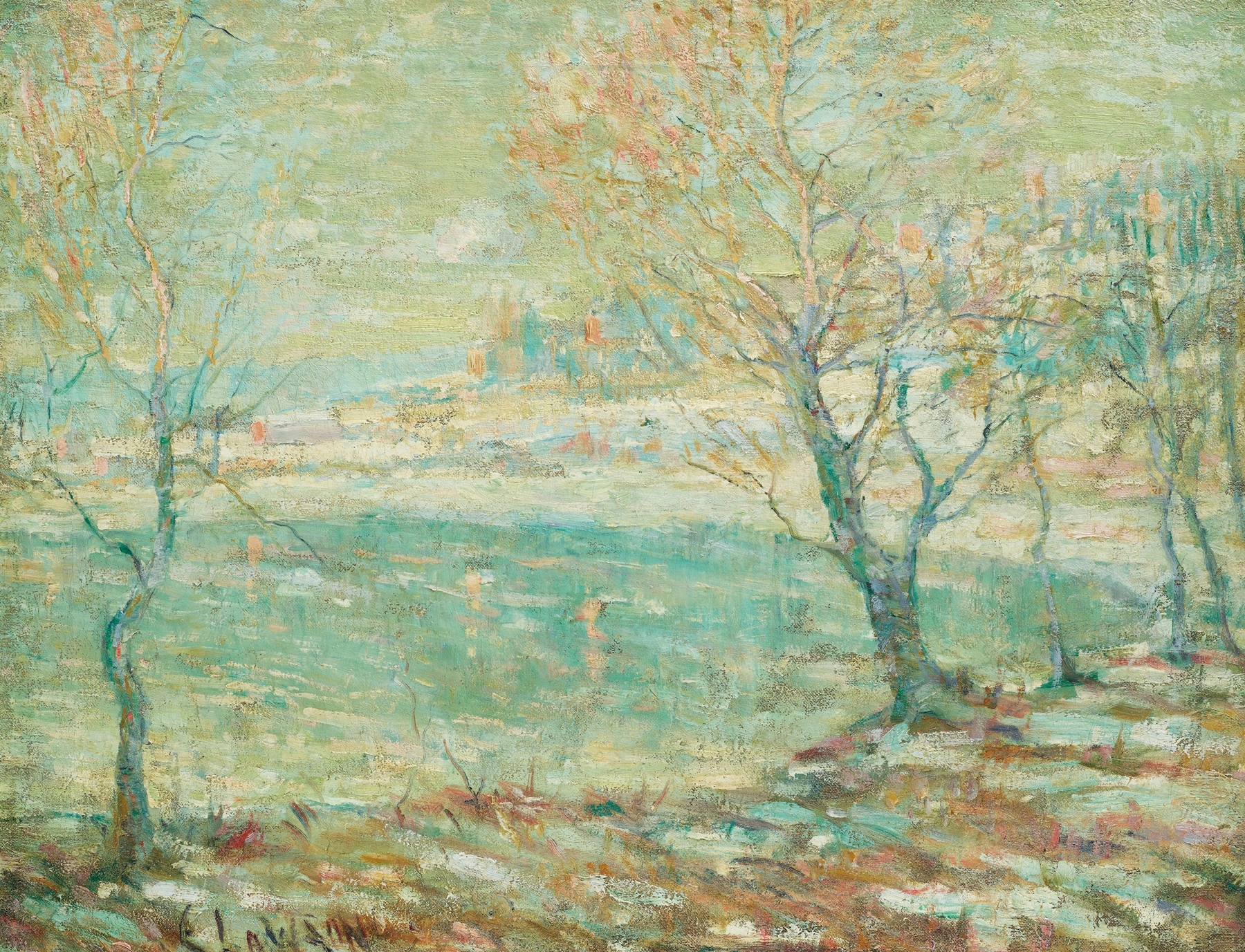
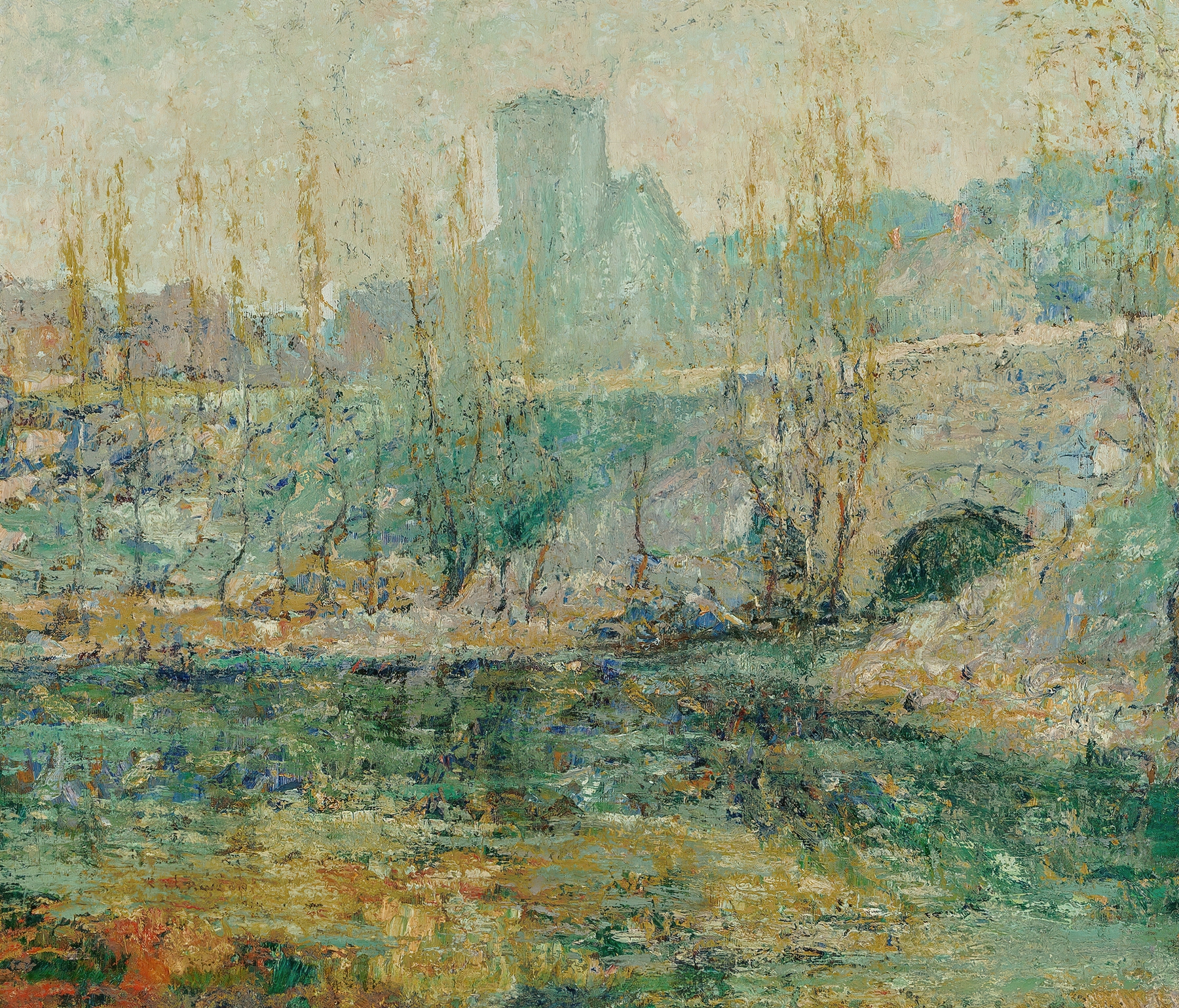
Where does light end, and longing begin? In the interplay of colors and shadows, one might feel both beauty and violence, emotions entwined like the currents of the Harlem River itself. Look to the left at the shimmering water, where deep blues and greens swirl beneath the diffuse glow of golden light. The reflections dance playfully, yet there’s an underlying tension, a hint of chaos lurking just below the surface.
Notice how the artist employs broad brush strokes to create a sense of movement, inviting your gaze to traverse the horizon where the skyline rises like a muted chorus against the backdrop of a dusky sky. This balance of serenity and turmoil captures the essence of a vibrant yet tumultuous environment. Delve deeper into the scene, and you'll find contradictions that speak to the human experience: the tranquility of the river juxtaposed with the vibrancy of the city’s life, hinting at the violence of urban existence. The almost ethereal light suggests moments of hope, while the grounded structures remind us of the weight of reality.
This duality mirrors the struggle for beauty in a landscape rife with conflict, particularly for the communities surrounding the Harlem River. Created between 1913 and 1915, this piece emerged during a dynamic period in New York City, when the arts were exploring new forms of expression amidst social upheaval. Lawson was a key figure in the Ashcan School, which sought to depict the gritty realities of urban life. His work reflects not only the personal struggles he faced as an artist but also the broader tensions of an evolving society on the brink of modernity.