Haus der Familie Andernach in Soest — History & Analysis
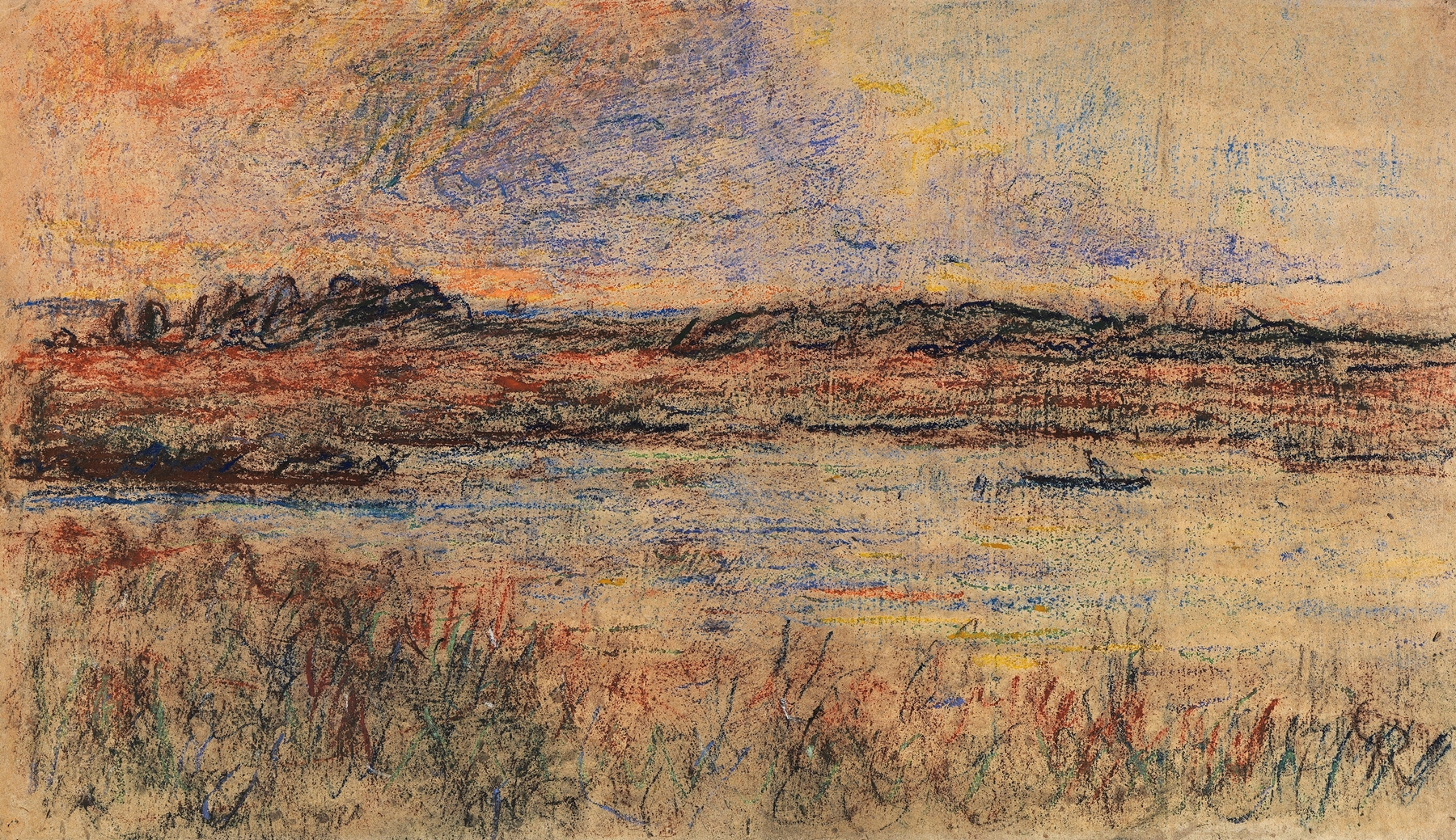
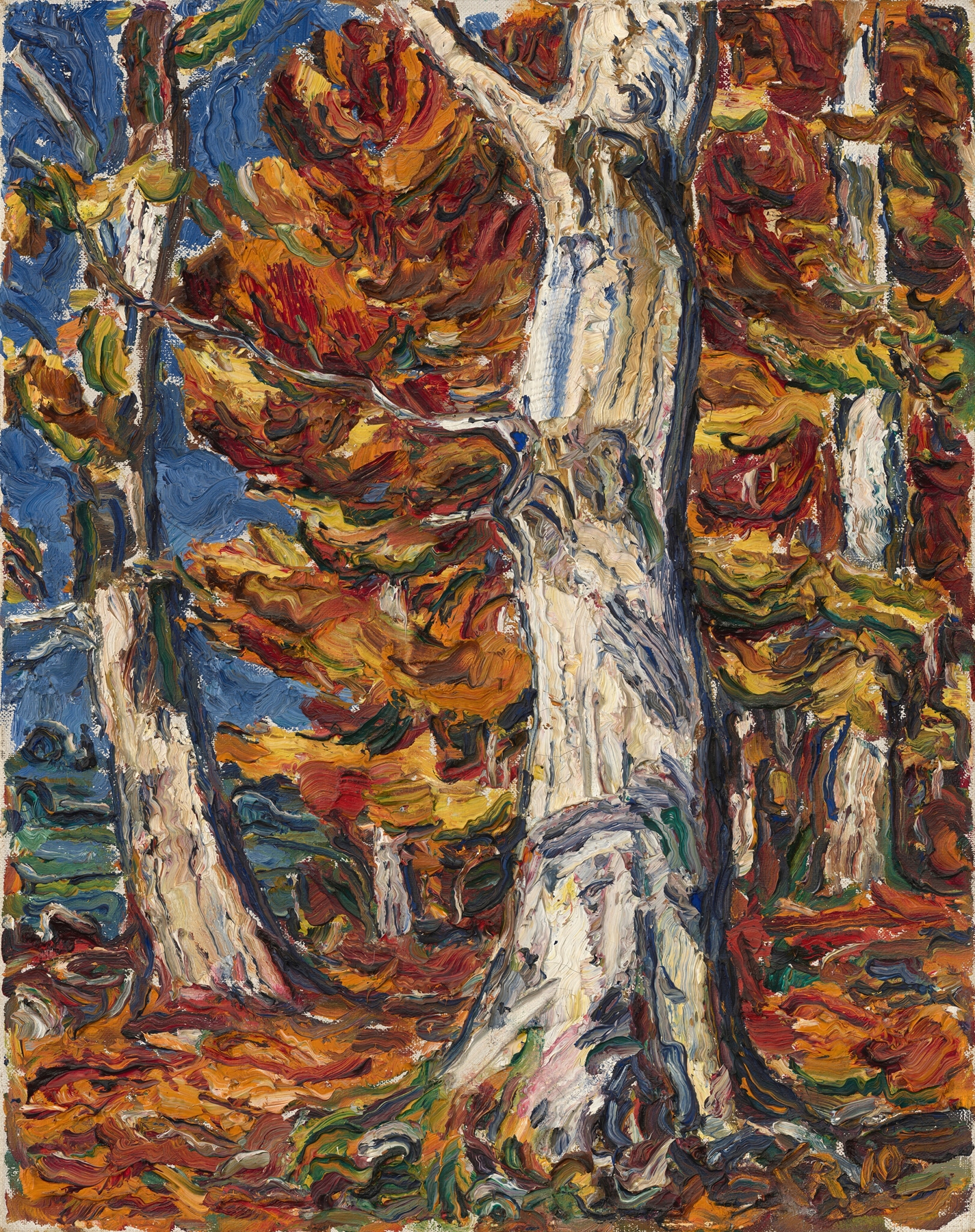
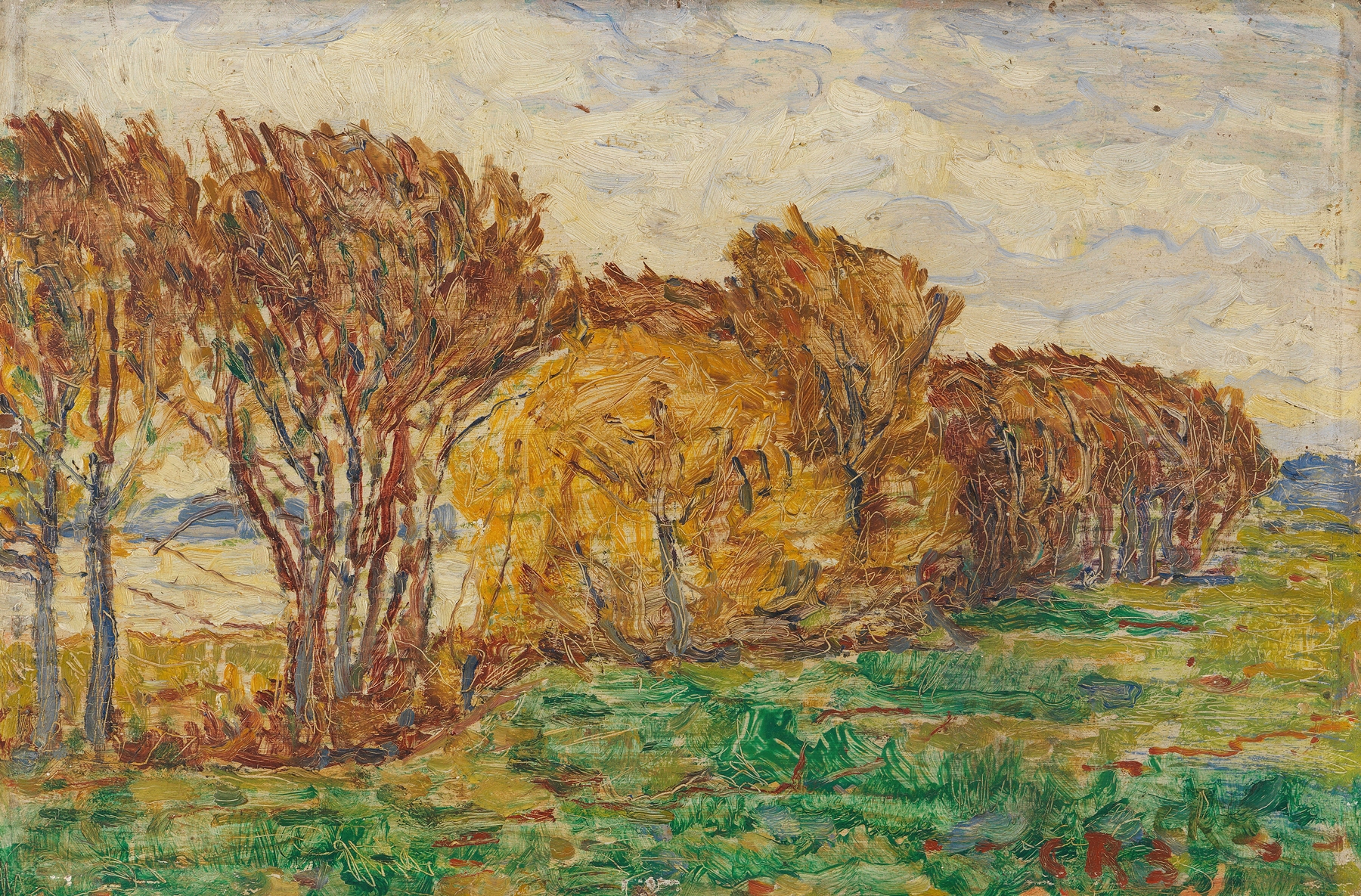
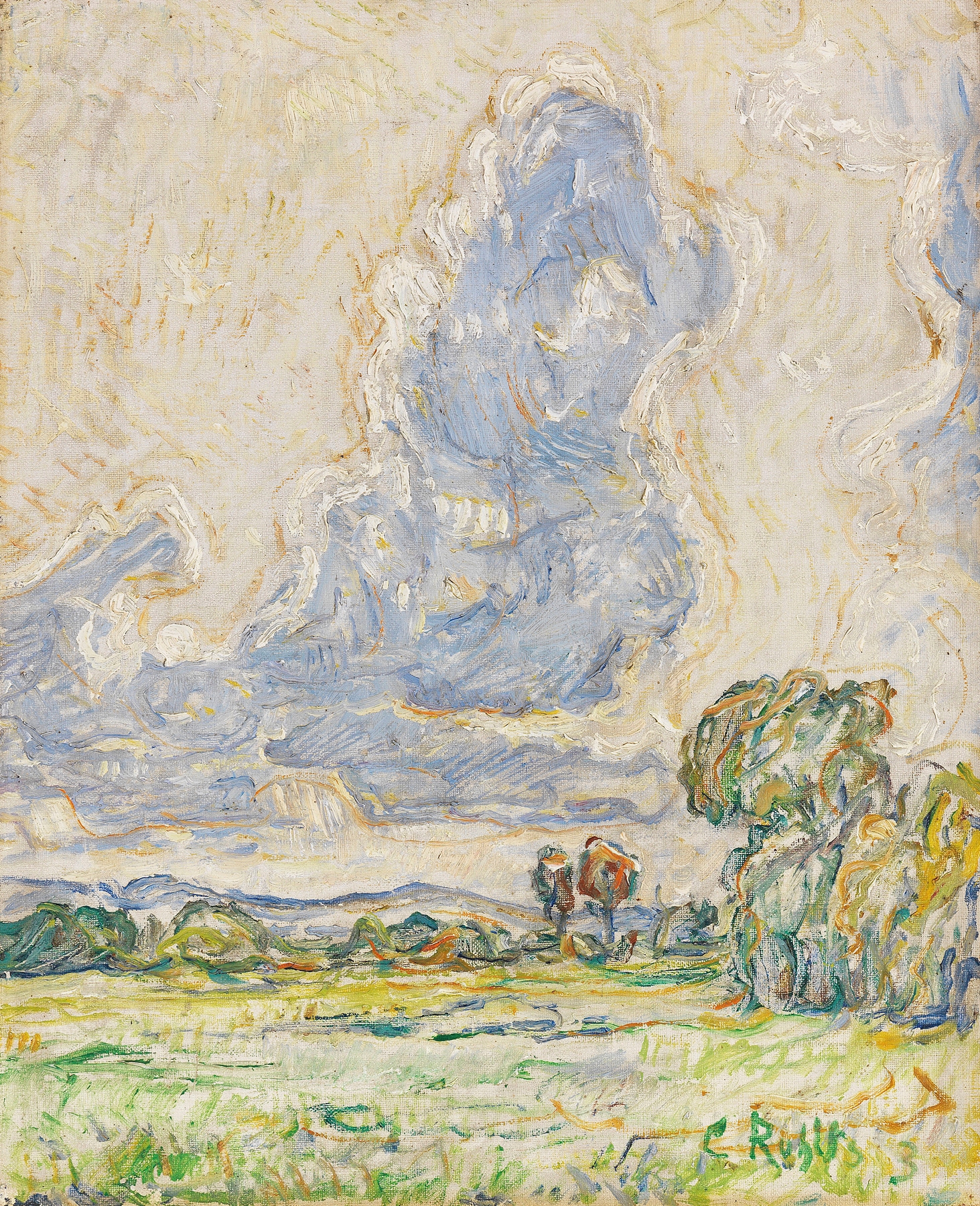
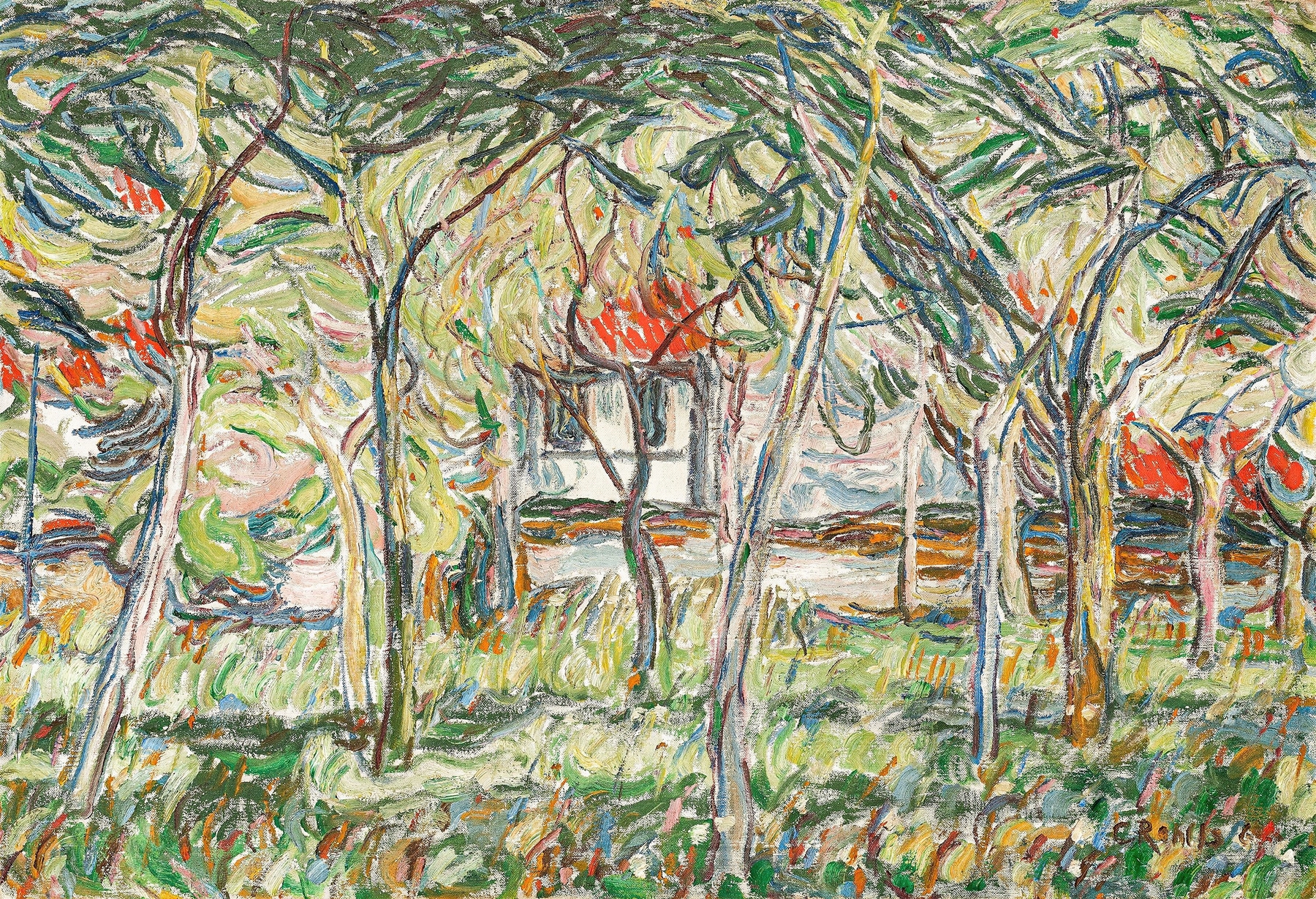
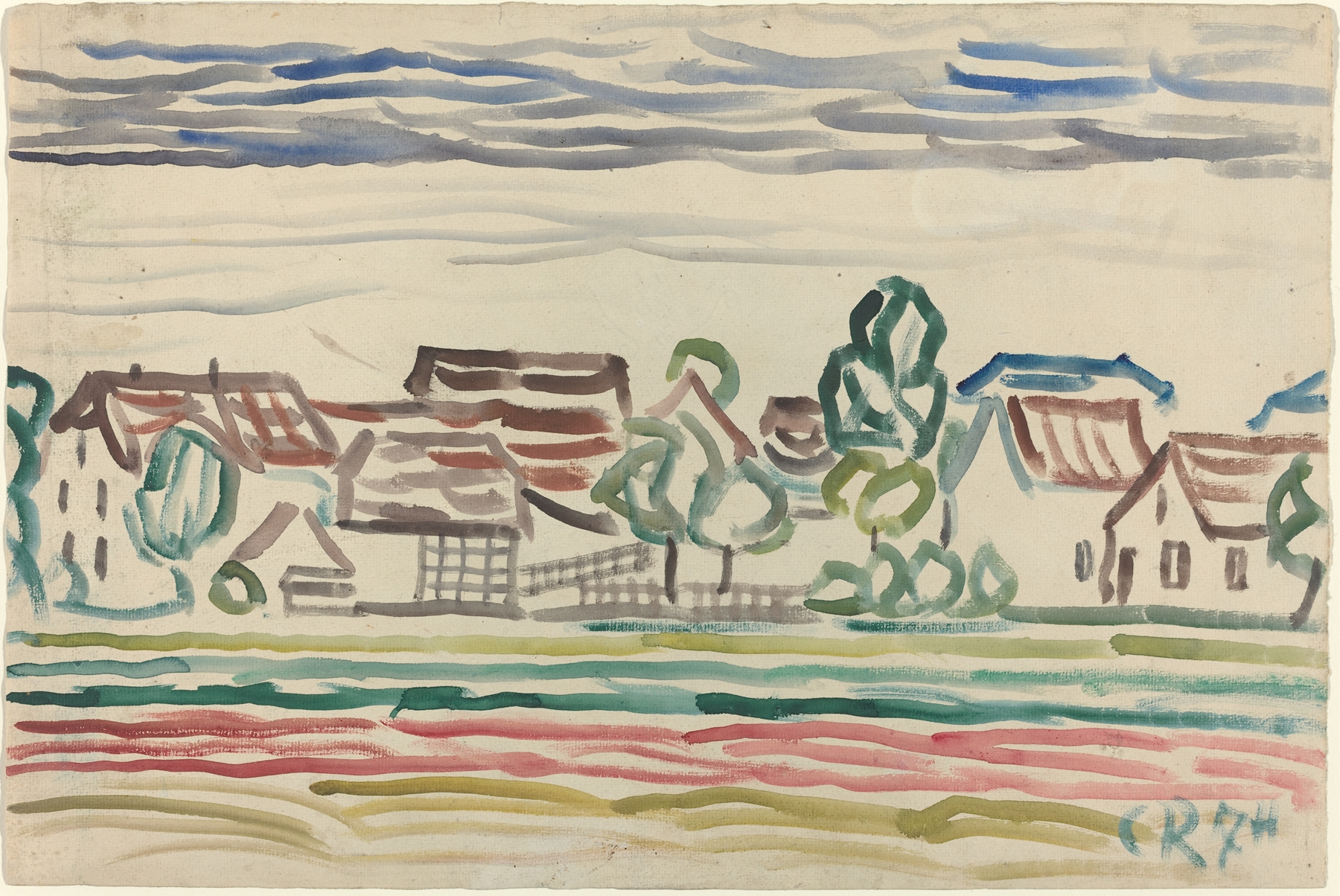
What if beauty was never meant to be finished? The notion lingers, inviting the viewer to explore the ephemeral essence captured within the canvas, where a house stands as both a structure and a symbol of awakening. Look to the center of the painting; the Haus der Familie Andernach emerges with commanding presence, its earthy tones grounding the viewer in reality. The wild strokes of Rohlfs’ brushwork breathe life into the scene, with gestural lines that suggest movement and growth.
Notice how the interplay of sunlight and shadow creates a dynamic rhythm, enhancing the textured façade and inviting the eye to wander over the details of windows and eaves, which stand proudly yet seem to yearn for connection. Within this depiction lies an emotional tension between stability and transience. The sturdy house, seemingly impervious to time, contrasts with the surrounding lushness that embodies nature’s relentless advance. The vibrant greens and blues signal not just life but the possibility of renewal—each stroke a whisper of the untamed beauty that encircles the home.
This duality raises questions about permanence, heritage, and the cyclical nature of existence, suggesting that beauty lies not in completion but in the journey of becoming. In 1905, Rohlfs was firmly embedded in the German Expressionist movement, painting from his hometown of Soest. At this time, he explored new artistic directions that emphasized emotional experience over literal representation, reflecting broader shifts in society and art. His works often leaned towards the spiritual and the personal, mirroring his own introspections during a period of change in both his life and the artistic landscape of Europe.