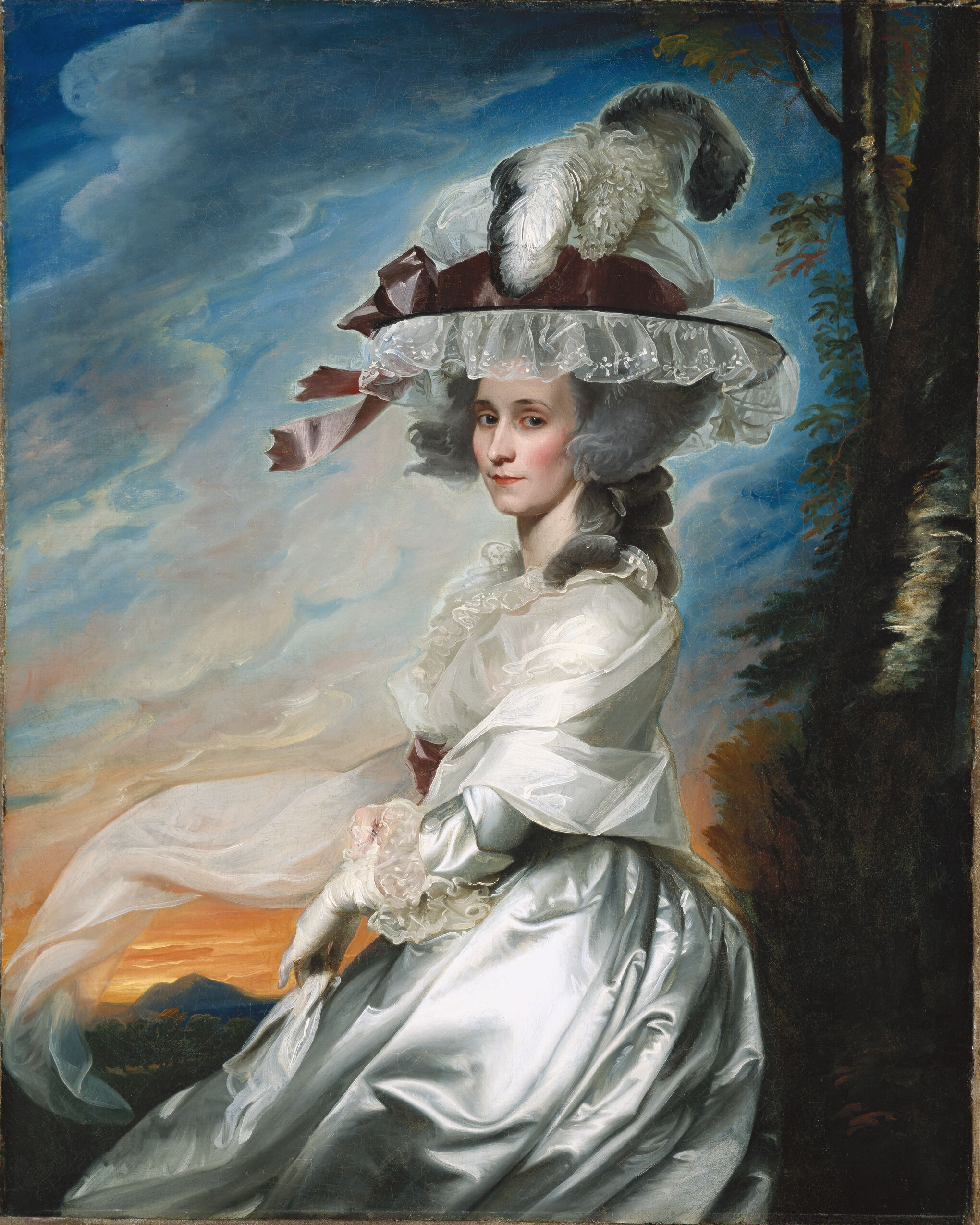
Henry Hill — History & Analysis
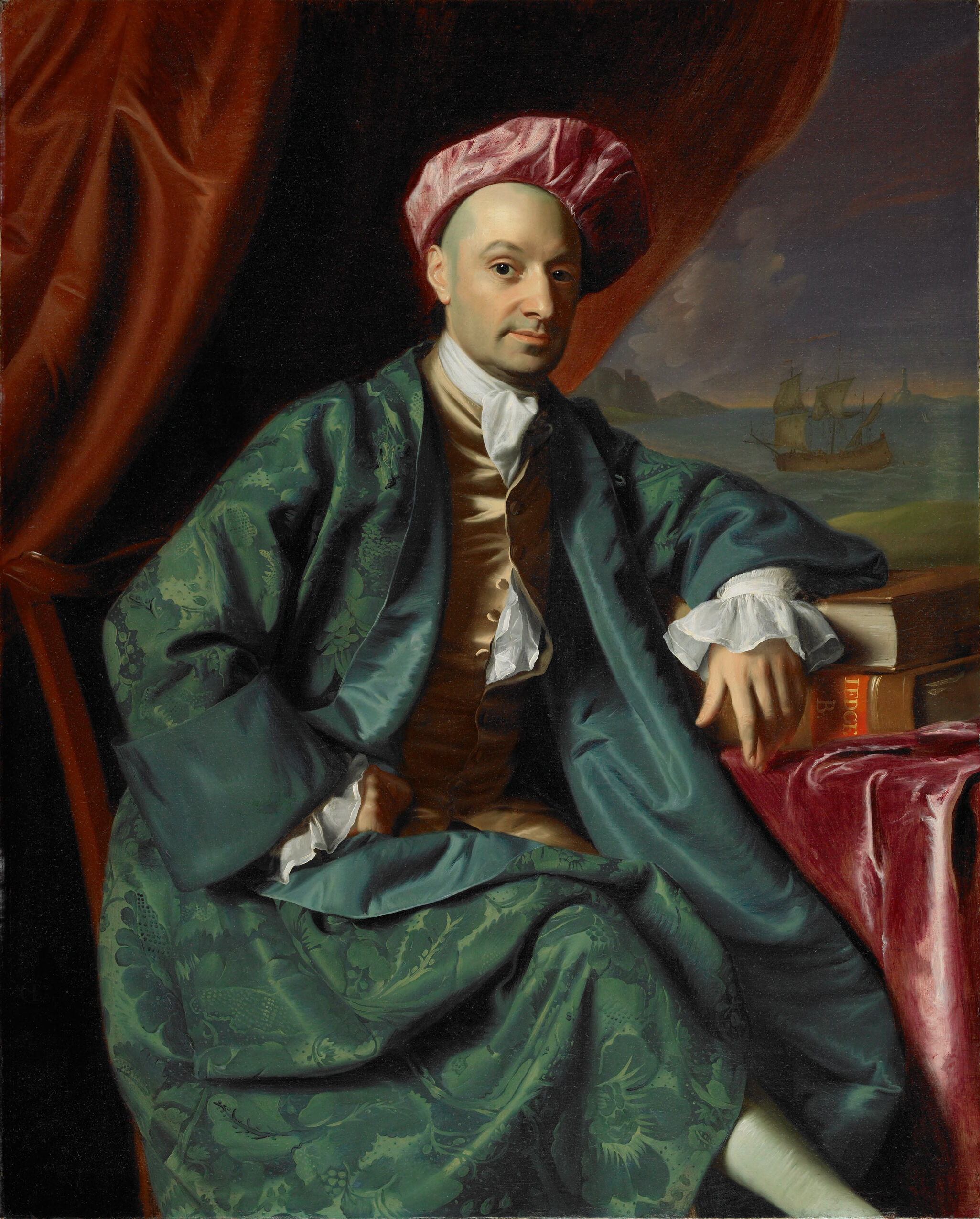
“Every silence here is a confession.” In the quietude of Henry Hill, the weight of unspoken truths hangs palpably, inviting the viewer to explore the layers beneath the surface of creation itself. Look closely at the figure in the foreground, a young man poised thoughtfully, his gaze directed just off canvas. Notice how the gentle lighting caresses his face, casting soft shadows that hint at both contemplation and uncertainty. The rich texture of his clothing, meticulously rendered, speaks of his status, while the muted earth tones create an atmosphere of introspection, underscoring the emotional gravity of the moment.
There is an intriguing contrast between the figure’s serene expression and the dynamic brushwork in the background. The surrounding elements — a tangle of foliage and distant architecture — pulse with life yet remain just out of reach, symbolizing the interplay between the individual's inner world and the external influences that shape it. Each detail, from the delicate rendering of the flowers to the hidden complexities of the landscape, builds a narrative of creation that echoes across time and experience.
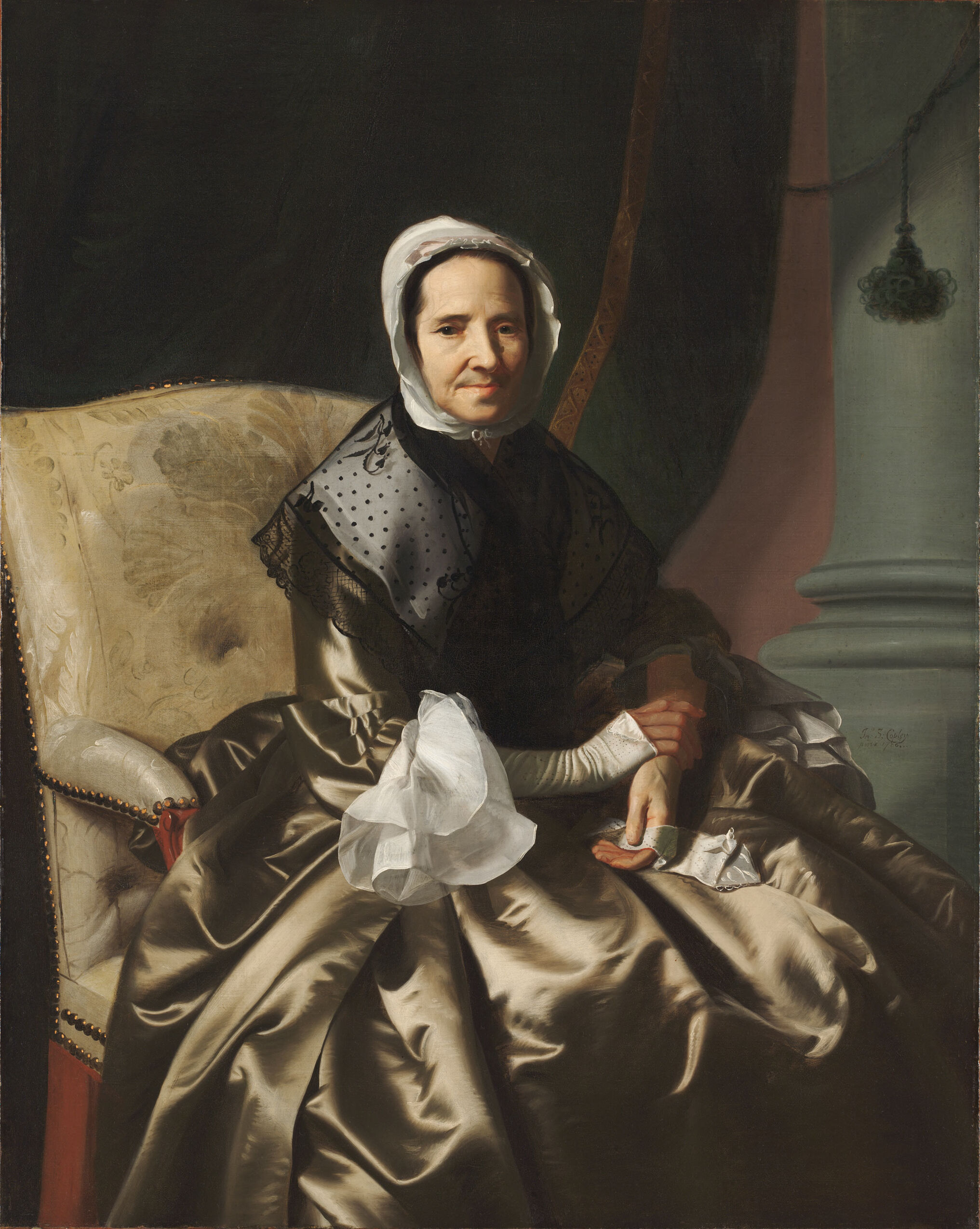
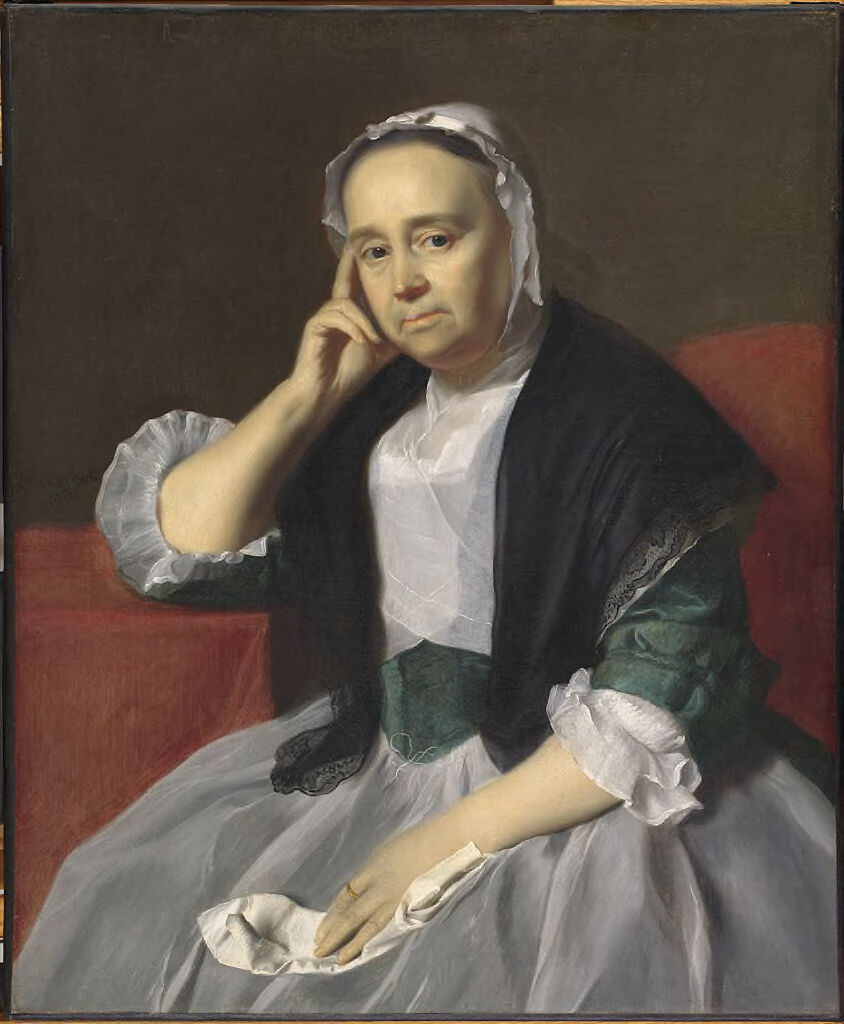
John Singleton Copley painted Henry Hill between 1765 and 1770 in colonial America, a period marked by significant artistic evolution and societal changes. During this time, Copley was establishing himself as a leading portraitist, navigating the emerging tension between European influences and American identity. The painting reflects not only his technical mastery but also the introspective spirit of a young nation grappling with its own emerging narrative.