Herbstlicher Wald — History & Analysis
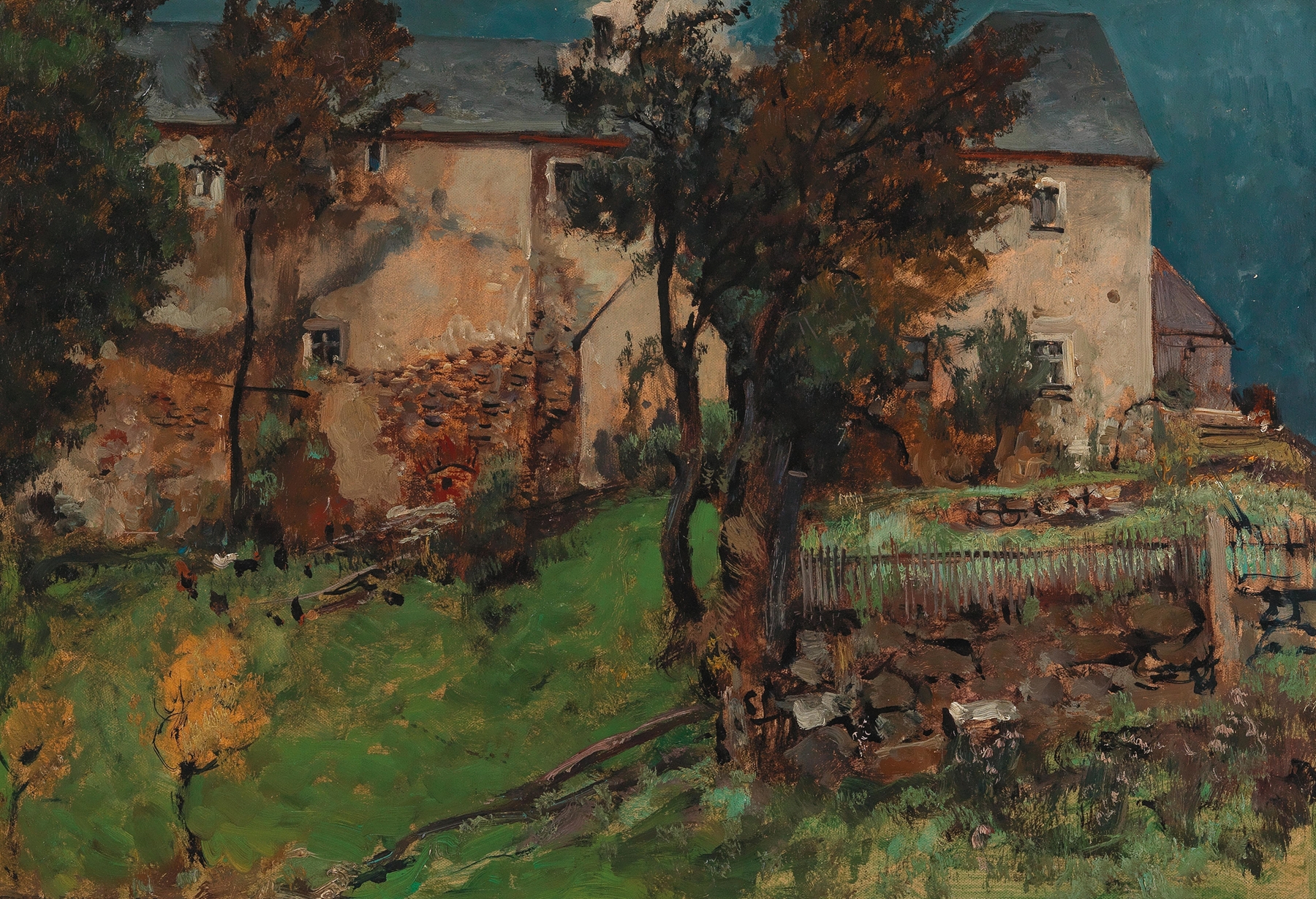
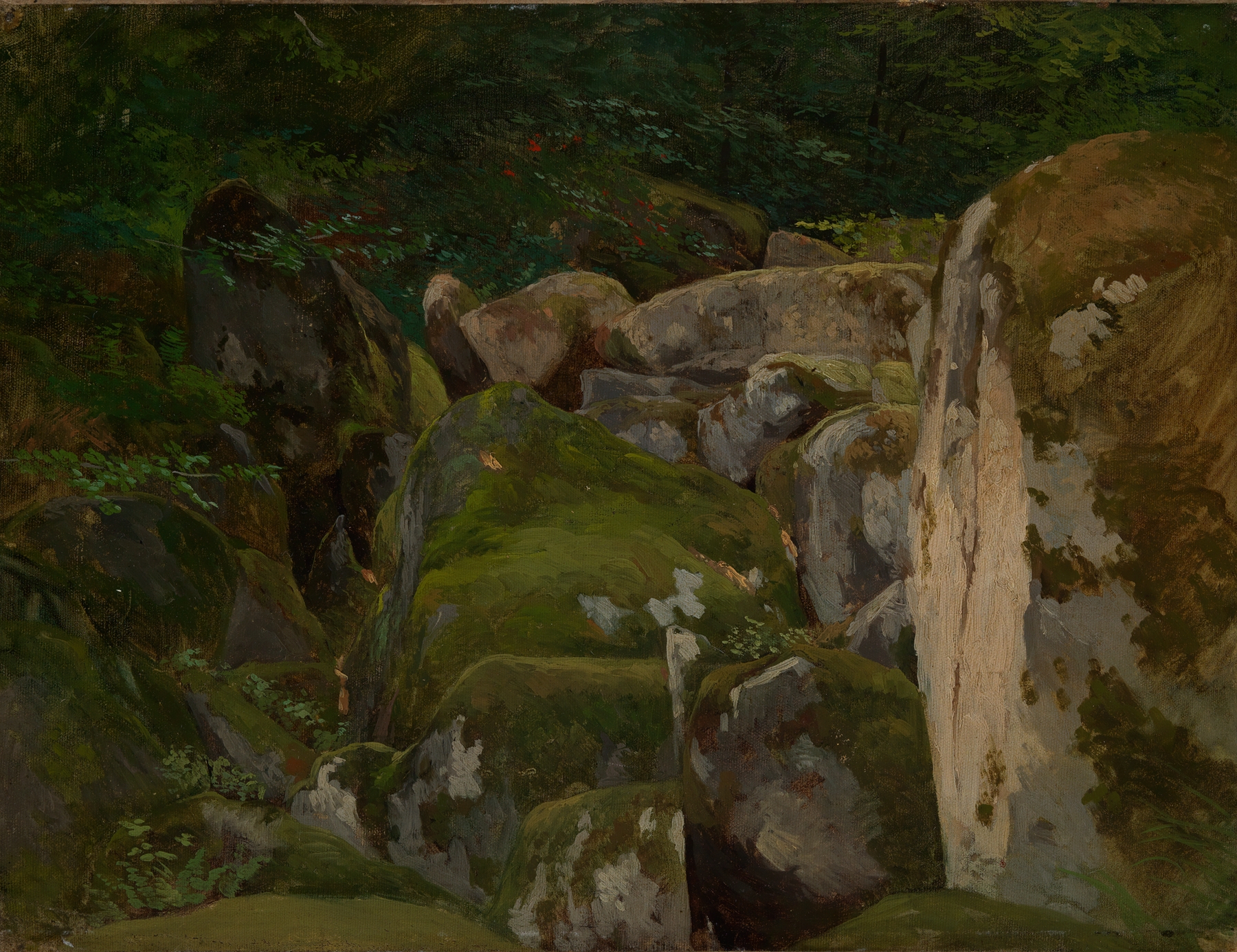
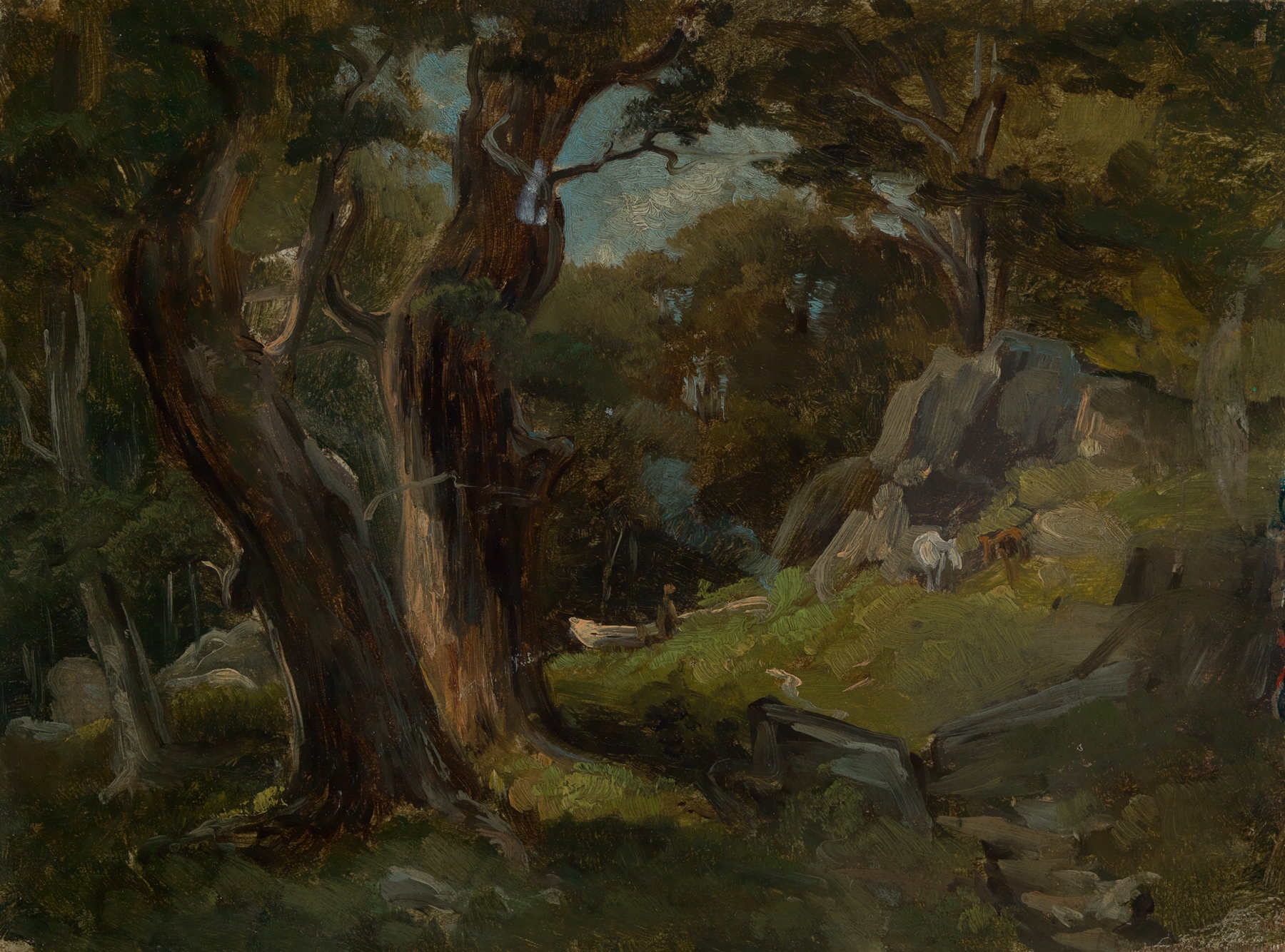
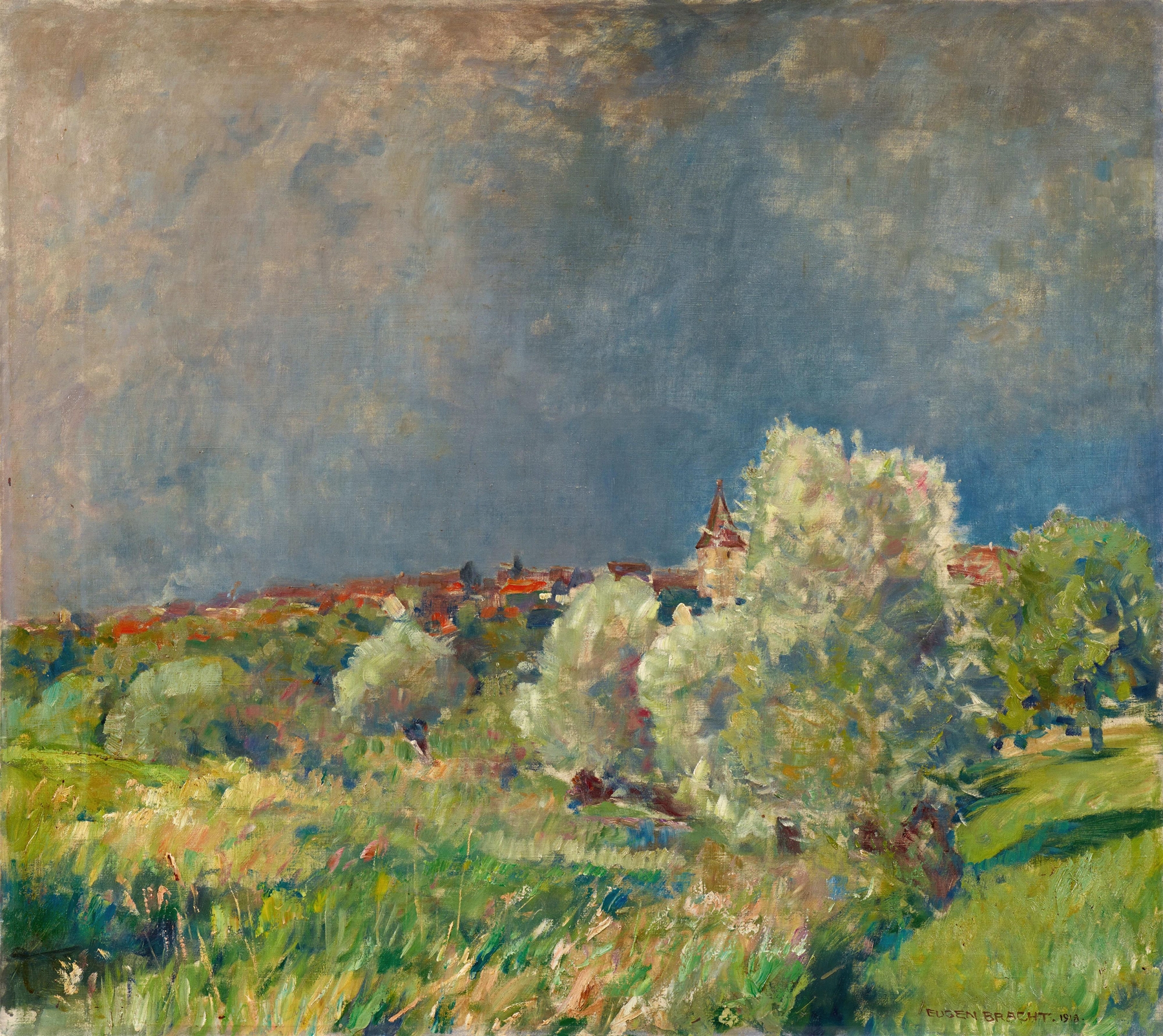
“Every silence here is a confession.” In the stillness of an autumn forest, a legacy unfolds — one of nature’s ephemeral beauty and the whispers of generations that have tread the path before us. Look to the left at the vibrant amber leaves, their edges kissed by the soft light of a waning sun. Notice how the artist captures the delicate interplay between warm ochres and deep russets, creating a tapestry that feels both alive and transient. The composition draws the eye toward a narrow trail that meanders into the depths of the woods, inviting viewers to wander further into its embrace.
Each brushstroke resonates with meticulous detail, evoking the texture of bark and the fragile grace of fallen foliage. Yet, amidst this natural splendor lies a poignant contrast between life and decay. The golden hues proclaim vitality, while the scattered leaves hint at the inevitable passage of time. Each tree stands sentinel, embodying the strength of endurance, yet their thinning crowns foreshadow the quiet surrender of winter.
This duality invites reflection on our relationship with nature, urging us to consider the legacies we inherit and leave behind. In 1913, Eugen Bracht painted this work during a time when the art world was grappling with modernity and the influences of the Impressionist movement. Living in Germany, Bracht found solace in the natural landscapes that surrounded him, reflecting a longing for a connection to a simpler, more genuine existence. As Europe teetered on the brink of upheaval, Herbstlicher Wald serves as both a serene retreat and a reminder of the fleeting beauty of life itself.