Het laatste avondmaal, en het verzamelen van het manna — History & Analysis
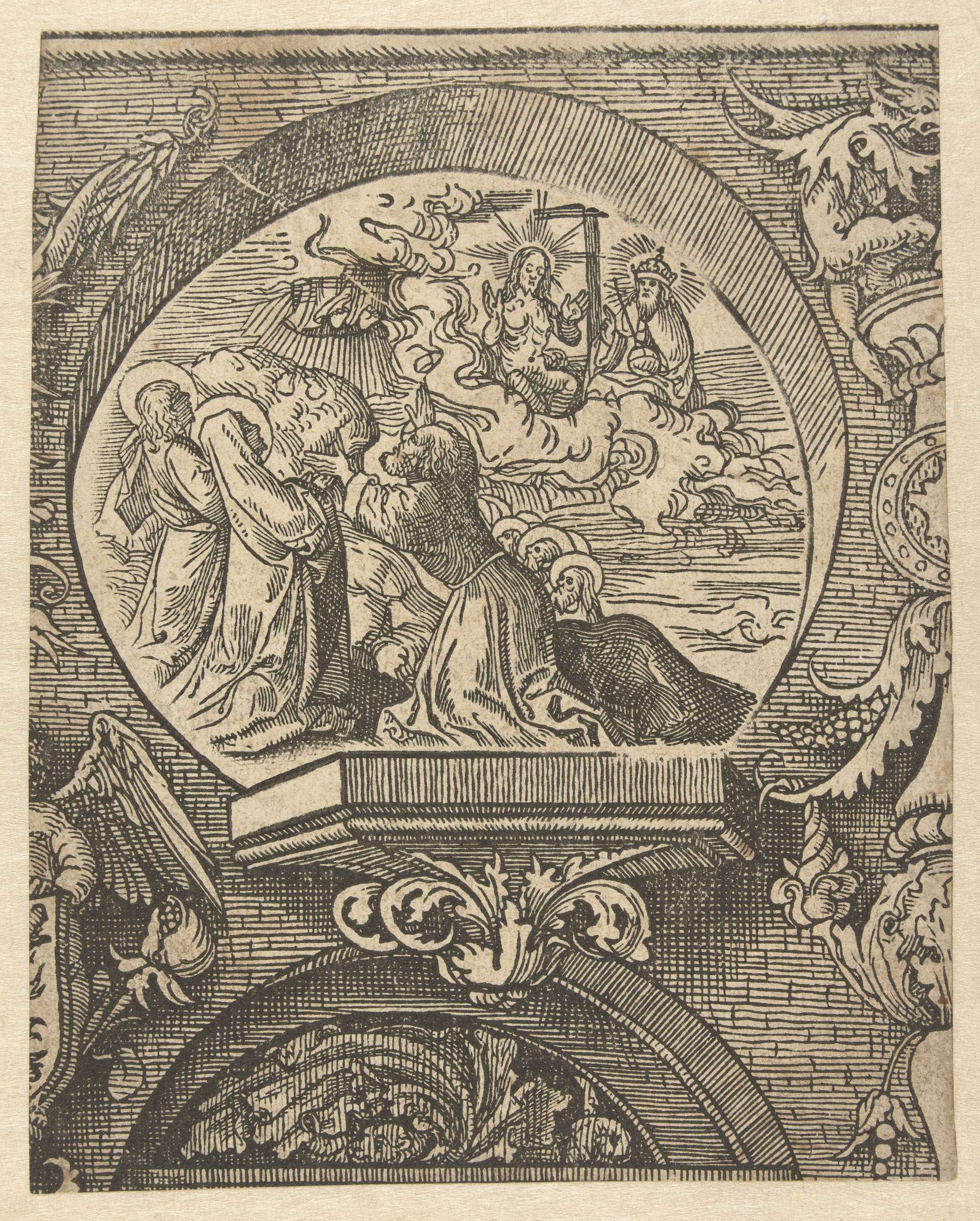
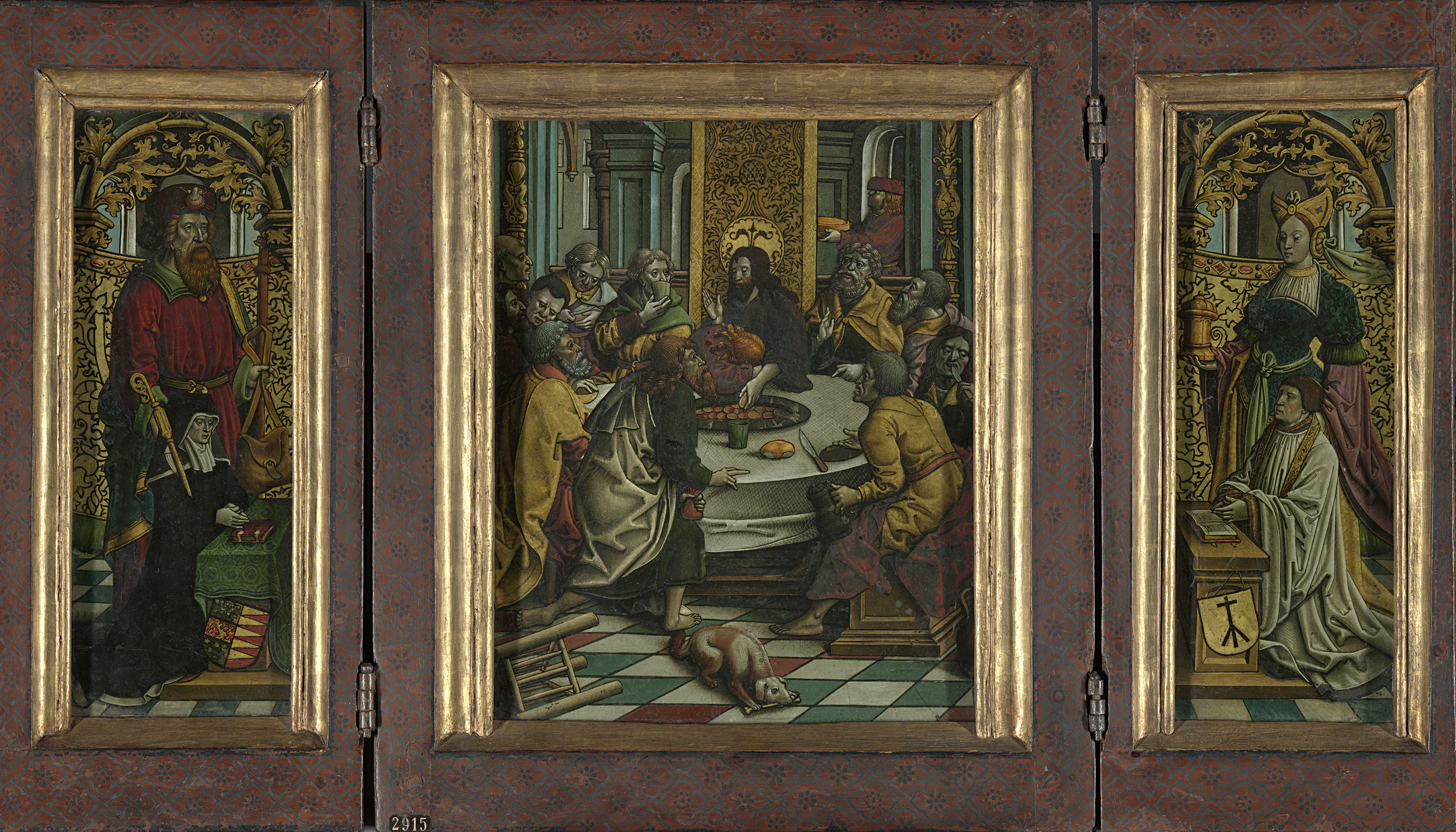
Did the painter know this moment would outlive them? A fleeting encounter with the divine mingles with the passage of time, revealing the weight of eternity hidden within a single act of creation. Focus on the intricate details of the gathering scene. Look to the center, where the figures are depicted in vibrant hues, their emotive expressions a chorus of reverence and wonder. Notice how the light falls upon the bread and wine, illuminating the sacramental symbols that bind them to a shared fate.
The artist's meticulous brushwork captures the delicate interplay of shadows, emphasizing an atmosphere thick with anticipation. Beneath the surface, the painting weaves a tapestry of spiritual and temporal contrasts. The disciples, engaged in solemn communion, grapple with the transience of their earthly lives, foreshadowing their eventual separation from the divine. Each figure's unique gesture holds significance, from the outstretched hands to the contemplative gazes, suggesting an inner turmoil that resonates with viewers across centuries.
The backdrop of the landscape hints at a world continuing beyond this sacred moment, confronting the inevitable march of time. Created between 1525 and 1530, the work emerges from the fertile ground of the Northern Renaissance. Jacob Cornelisz van Oostsanen painted during a period marked by religious upheaval and the blossoming of humanist ideals. As he crafted this masterpiece in a growing artistic community, the interplay of faith and reason shaped his vision, inviting viewers to ponder both the moment captured and the echoes it would create through history.