Hill with the ruins of Montmajour — History & Analysis
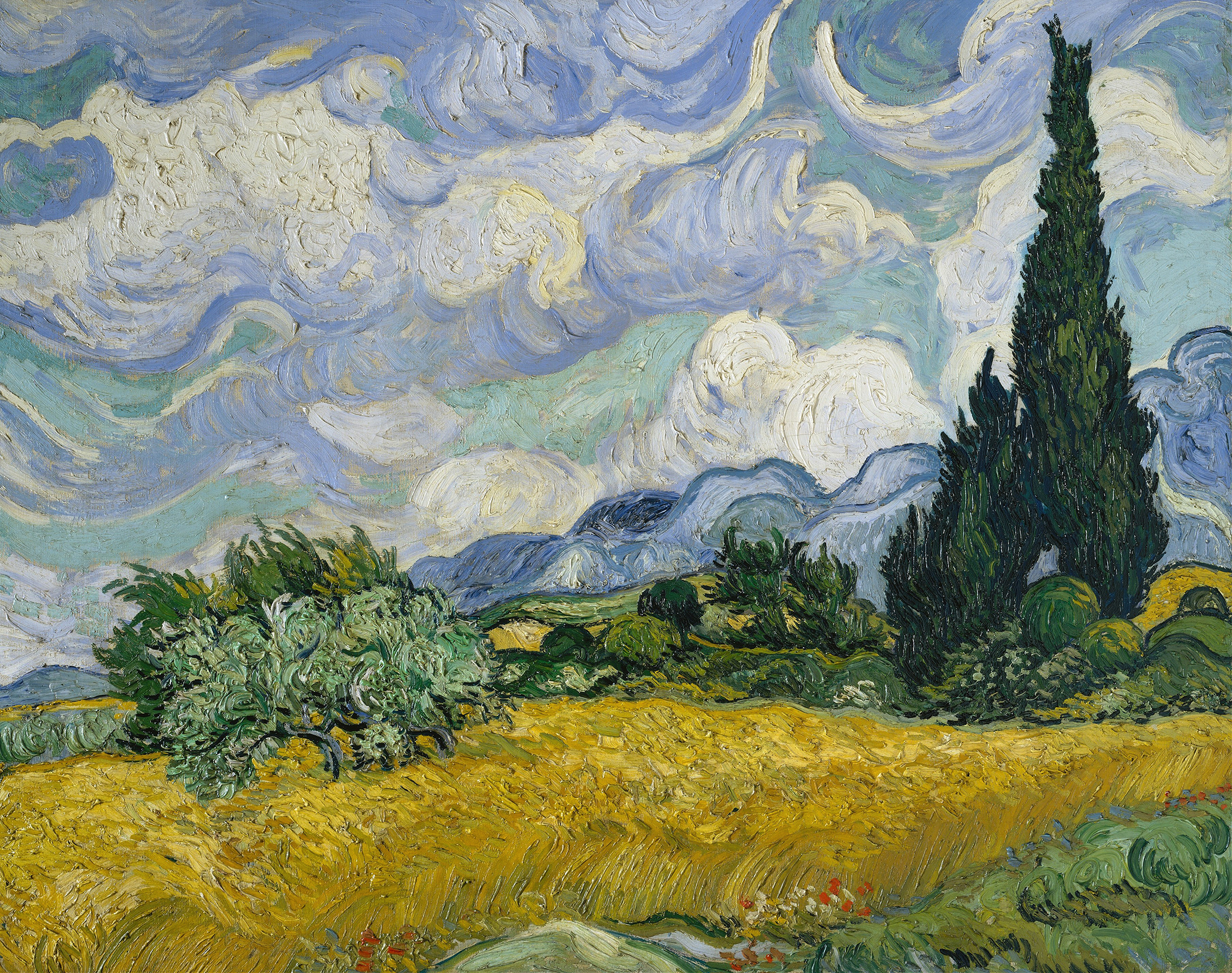
“The canvas doesn’t lie — it simply waits.” In this stillness, grief and beauty intertwine, urging us to confront both past and present. Look to the left at the jagged ruins rising defiantly against the backdrop of a vibrant sky. The brushstrokes pulse with life, the yellows and greens of the hillside contrasting sharply with the muted earth tones of the ancient stone. Notice how the swirling clouds capture the dynamic energy of the scene, suggesting a tempest of emotions just below the surface.
Van Gogh’s technique, with its thick, impasto layers, invites the viewer to touch the essence of the landscape, to feel its weight. Beneath this vibrant exterior lies an emotional landscape filled with tension. The ruins, remnants of a once-glorious past, evoke a profound sense of loss, a poignant reminder of history's fleeting nature. The bright sky, while alive with color, casts a shadow over the scene, suggesting that even in the most beautiful moments, grief lingers.
This juxtaposition of tranquility and turmoil invites contemplation on the relationship between memory and decay. In the summer of 1888, while living in Arles, Van Gogh sought refuge from personal turmoil and illness through his art. It was a period of intense creativity, yet he grappled with feelings of isolation and despair. This work reflects not only his emotional state but also his exploration of the relationship between nature and human existence, a theme he pursued fervently during this time.