Horses in a Paddock — History & Analysis
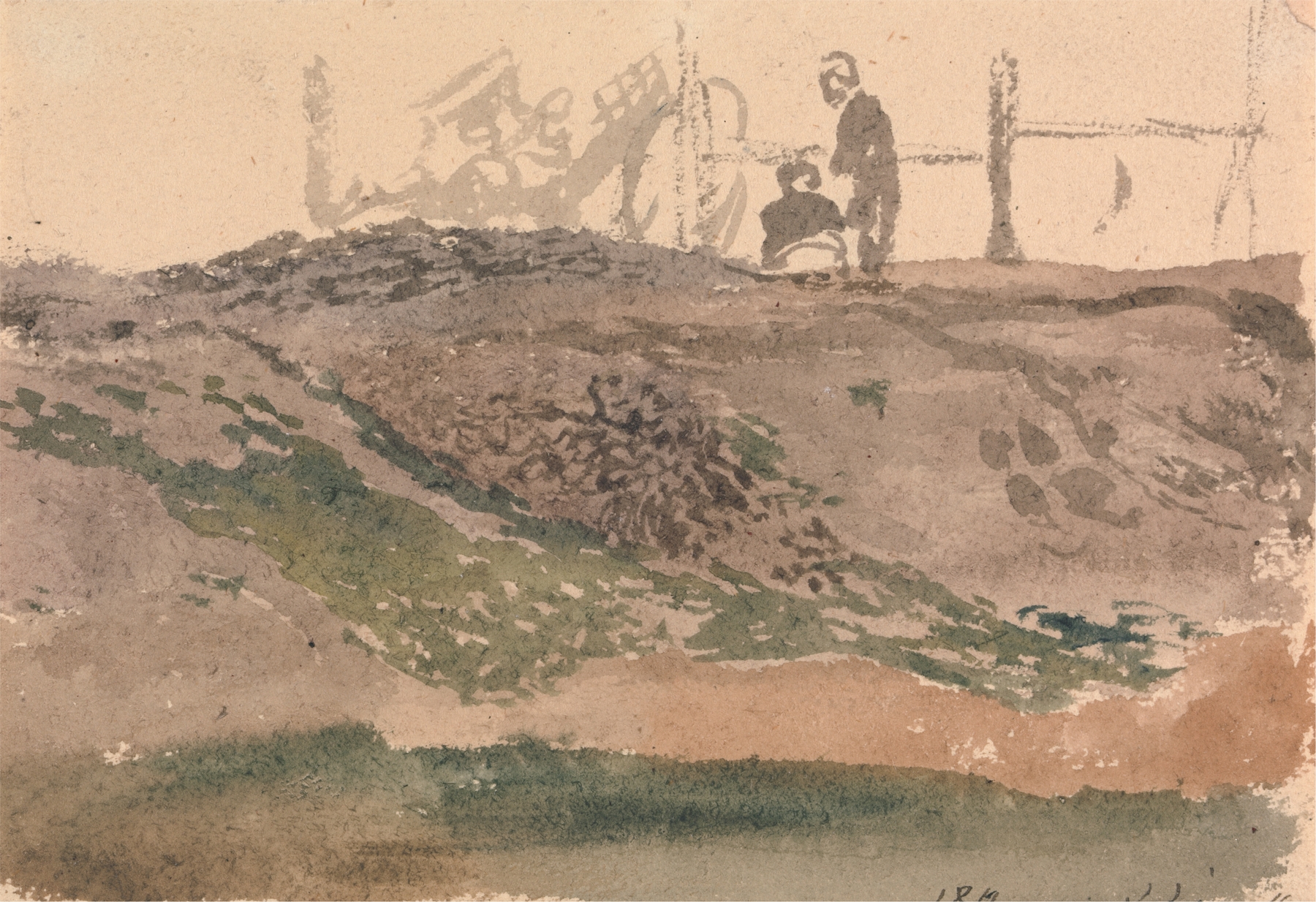
What if silence could speak through light? In Horses in a Paddock, the stillness of the scene envelops the viewer, urging you to listen to the whispers of nature captured in serene beauty. Focus on the gentle sway of the horses grazing, their forms rendered in soft browns and whites against a lush green backdrop. Look closely at the muted earth tones, where each brushstroke conveys the tenderness of the moment.
Notice how the sunlight filters through the trees, creating a dappled effect on the ground that contrasts with the deep shadows playing under the horses' bellies. This delicate interplay of light and shadow serves to elevate the tranquil yet poignant atmosphere of the paddock. Beyond the surface, the tranquil scene evokes a sense of calm amidst a world filled with chaos, serving as a reminder of life’s simplicity. The horses, a symbol of freedom, quietly exist in this pastoral setting, inviting contemplation on the void they inhabit.
Their stillness reflects a yearning — a longing for connection or perhaps an echo of the unspoken thoughts that arise when one stands before nature's grandeur, where the busy world feels light years away. In 1811, while residing in London, a period marked by industrialization and the rapid changes of the modern age, John Linnell painted this piece. His work during this time often celebrated the beauty of rural life, standing in stark contrast to the encroaching urban landscape. This painting not only reflects his love for nature but also serves as a poignant reminder of the world he wished to preserve amidst the sweeping tides of progress.