Hyde Park — History & Analysis
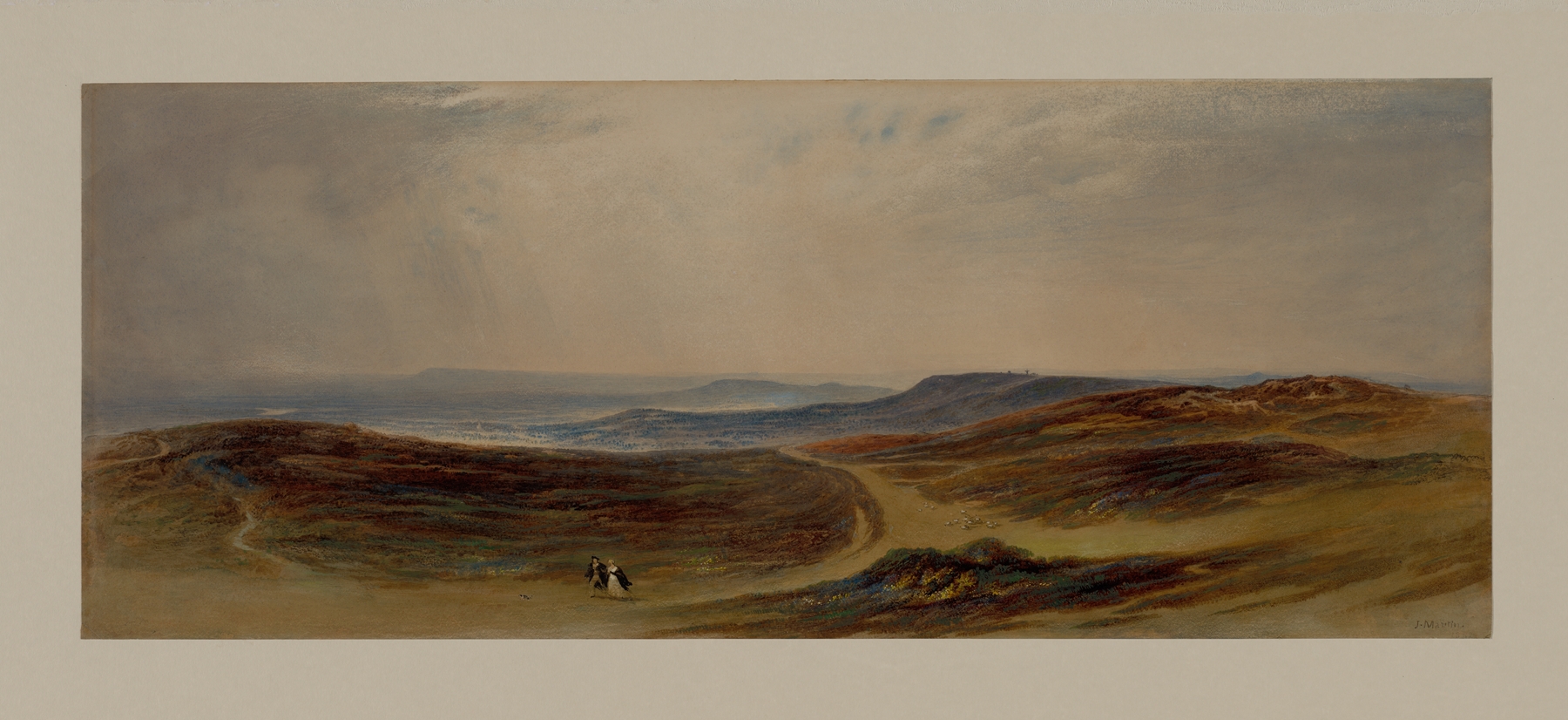
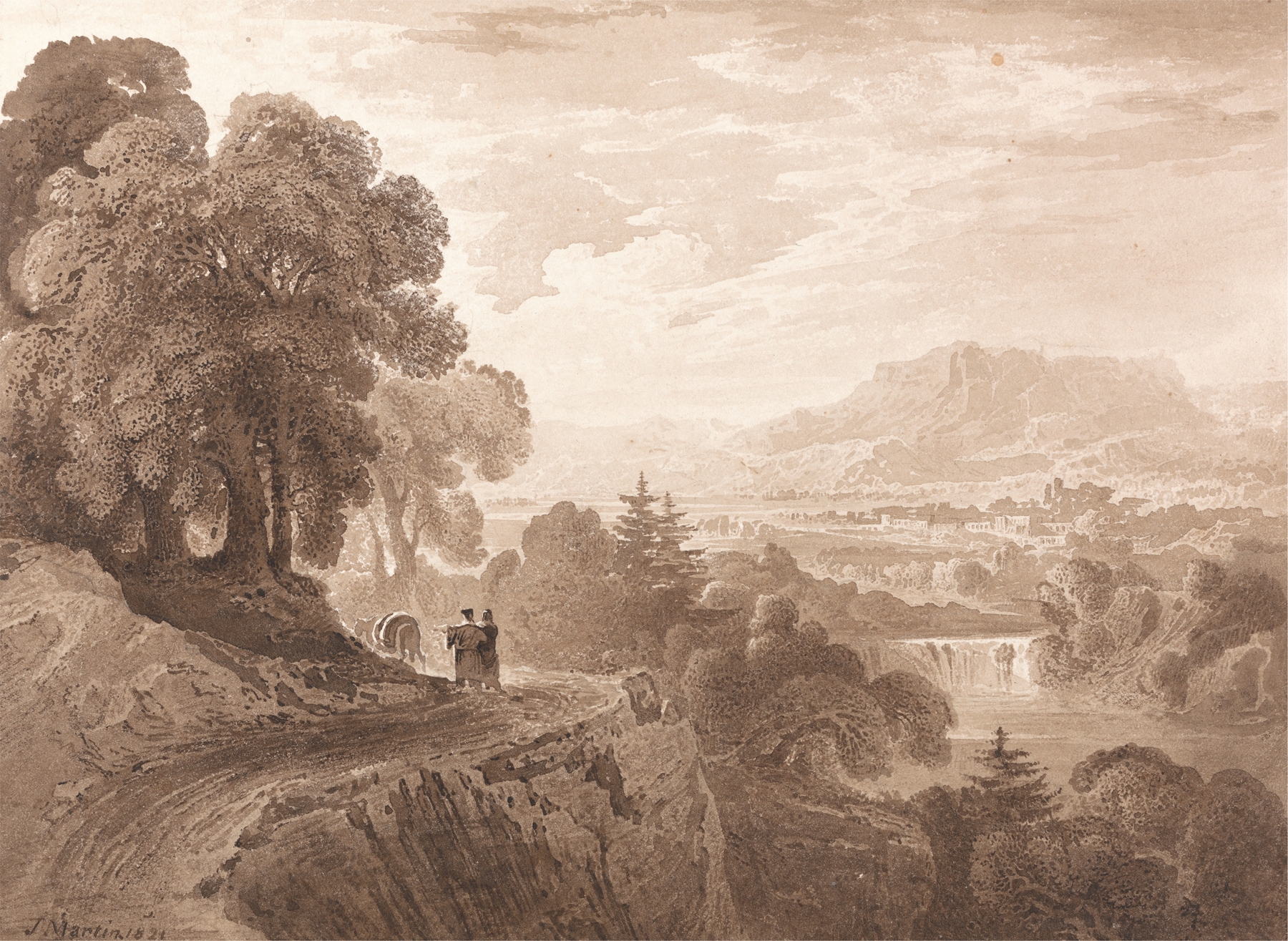
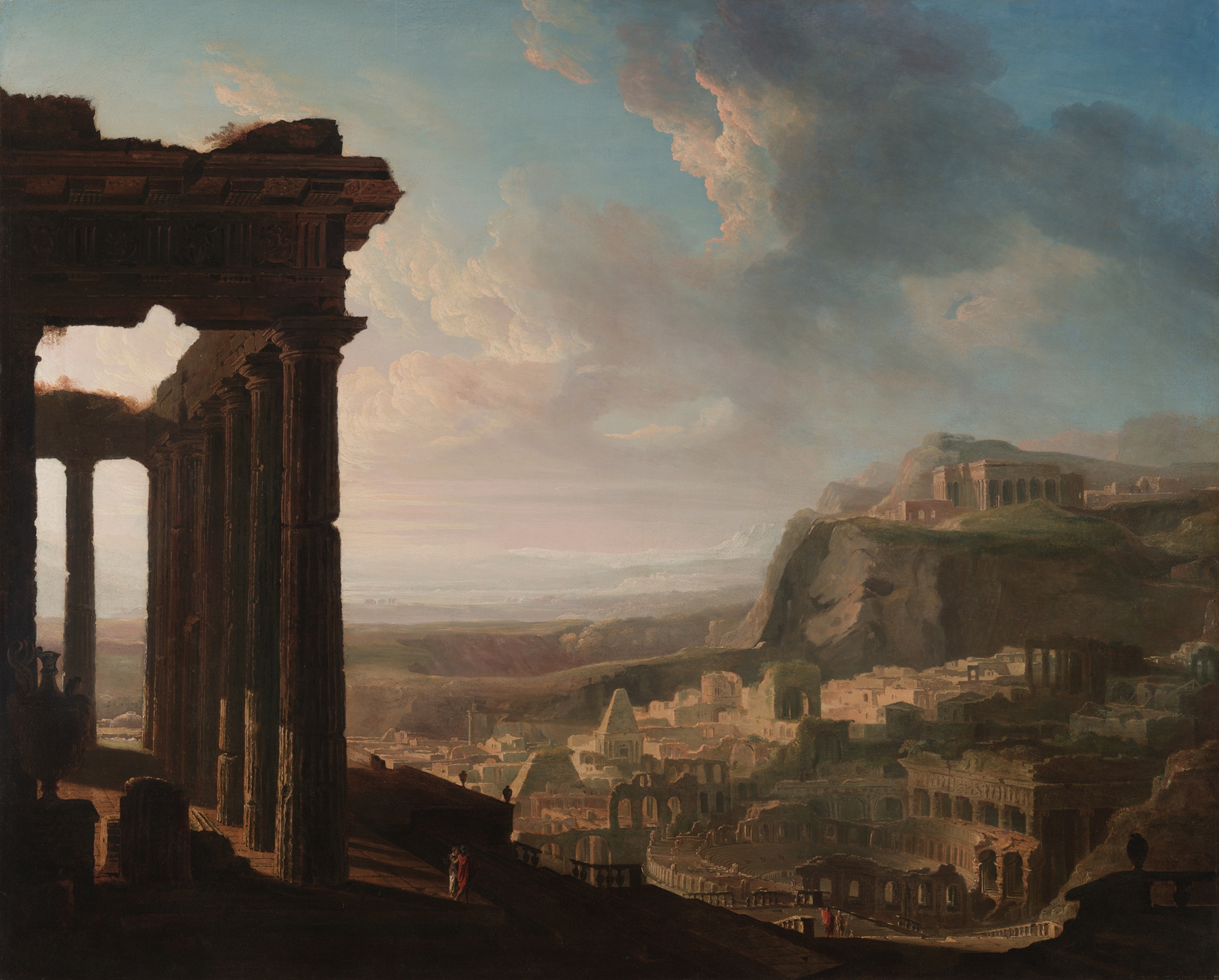
“Between color and silence, truth hides.” In John Martin's Hyde Park, a vivid exploration of fear unfolds beneath layers of lush greenery and shadowy figures. The painting confronts us with a striking awareness of the tension between tranquility and lurking dread, encouraging a profound examination of our surroundings. Look to the left at the tangled, almost chaotic underbrush, where shadows deepen. The interplay of greens and browns evokes a sense of both vibrancy and foreboding. As your gaze shifts toward the sunlit path winding through the park, the light seems to play tricks, casting ephemeral glimpses of joy on the unsuspecting visitors.
The composition expertly captures movement, with figures that dance across the canvas. Yet, the uneasy undertone of the setting hints at an unnoticed peril lurking just beyond the frame. Beneath its serene facade, the painting reveals a juxtaposition of public pleasantries and private anxieties. The figures, though engaged in casual leisure, seem oblivious to an unseen force that may intrude upon their moment. The contrast of bright daylight against the encroaching shadows of the trees suggests a deeper uncertainty—how quickly joy can be overshadowed by fear.
It is this ambivalence that invites viewers to question their own sense of safety in familiar spaces. In 1815, Martin created Hyde Park during a transformative period in British art. The Napoleonic Wars had recently ended, and society was grappling with the consequences of conflict. As a leading figure in the Romantic movement, Martin sought to evoke emotional responses through dramatic landscapes, reflecting the darker aspects of human experience amidst the emerging celebration of nature. In this work, he captures not just a picturesque scene but the whisper of trepidation that stirs beneath the surface.