Imaginary Landscape — History & Analysis
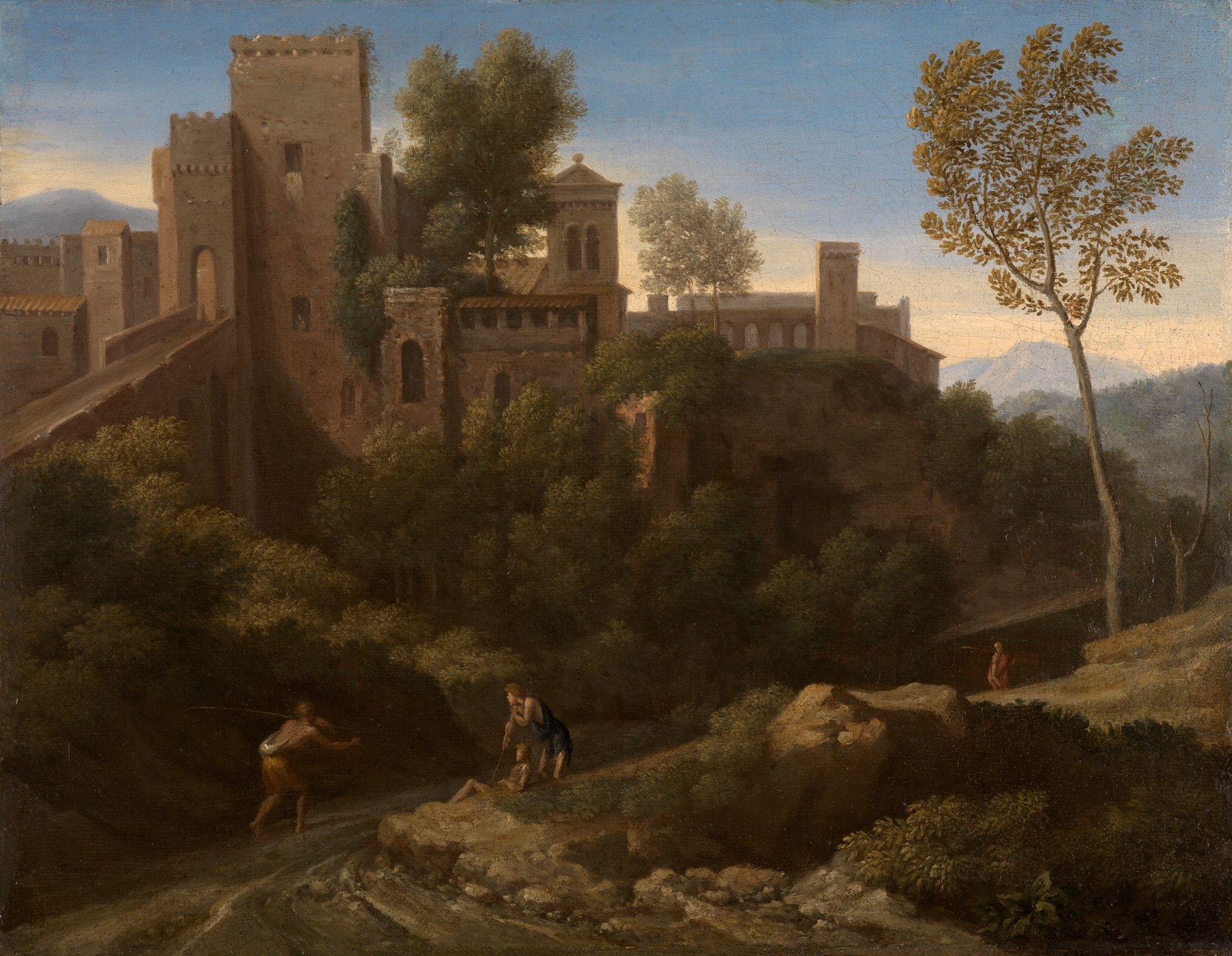
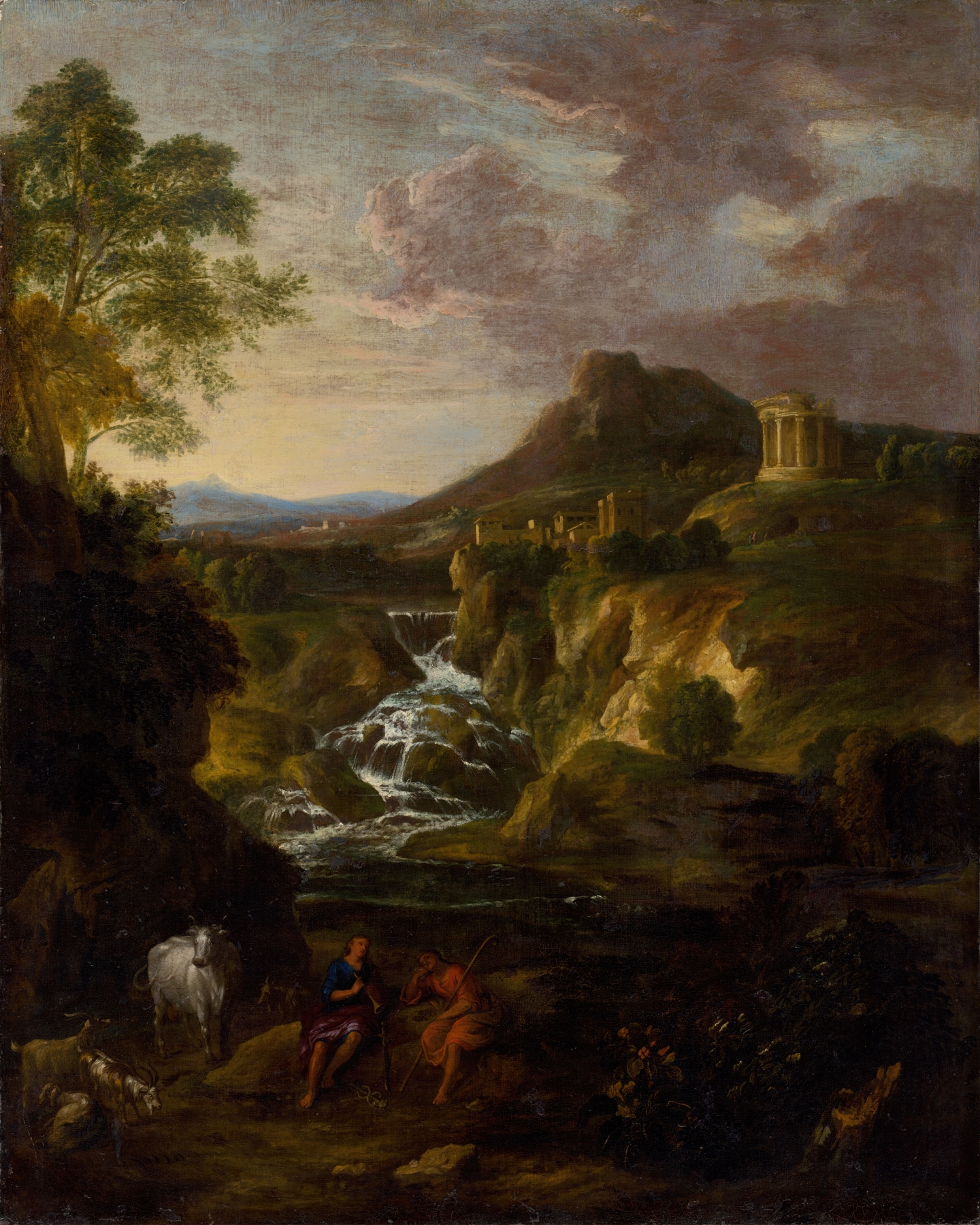
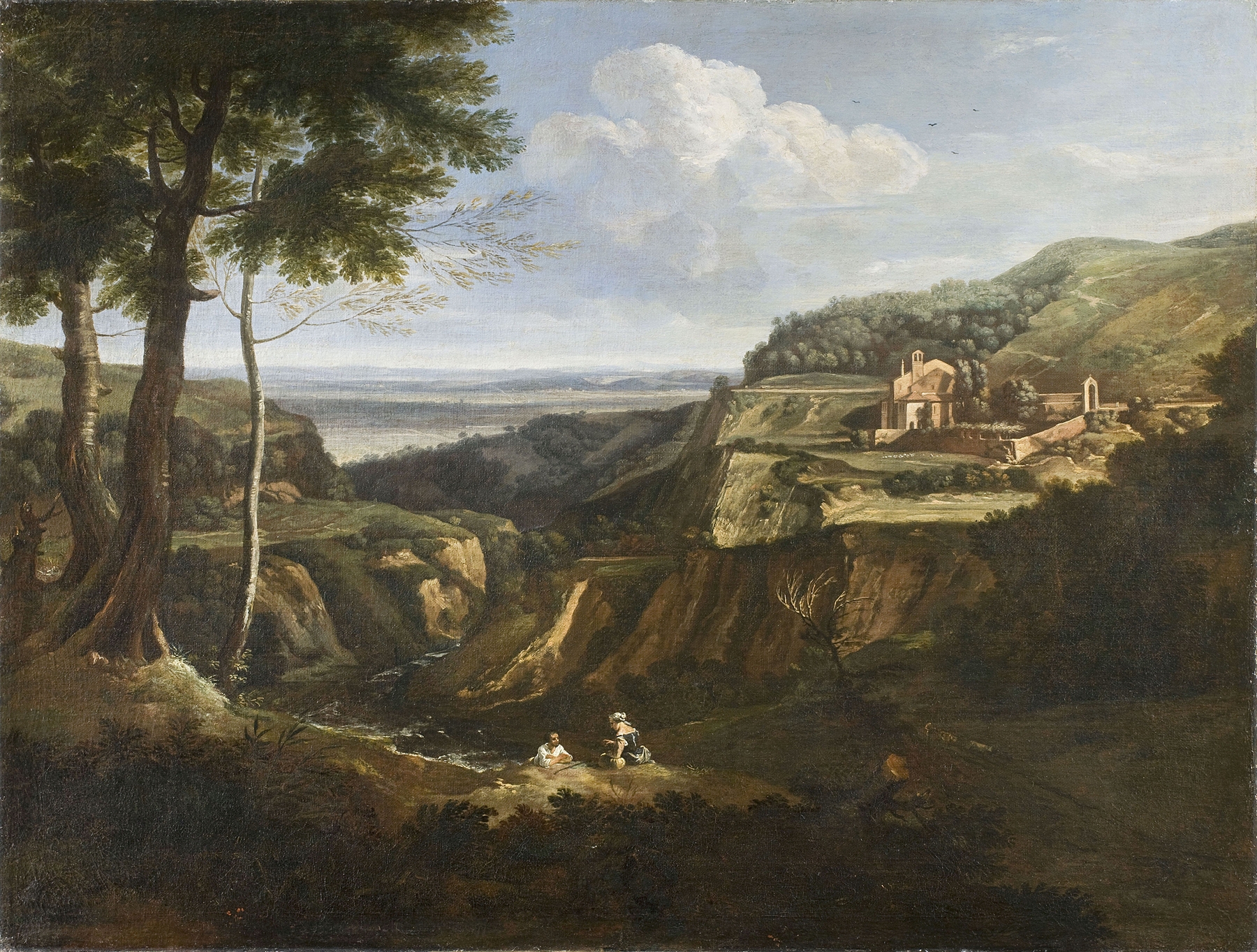
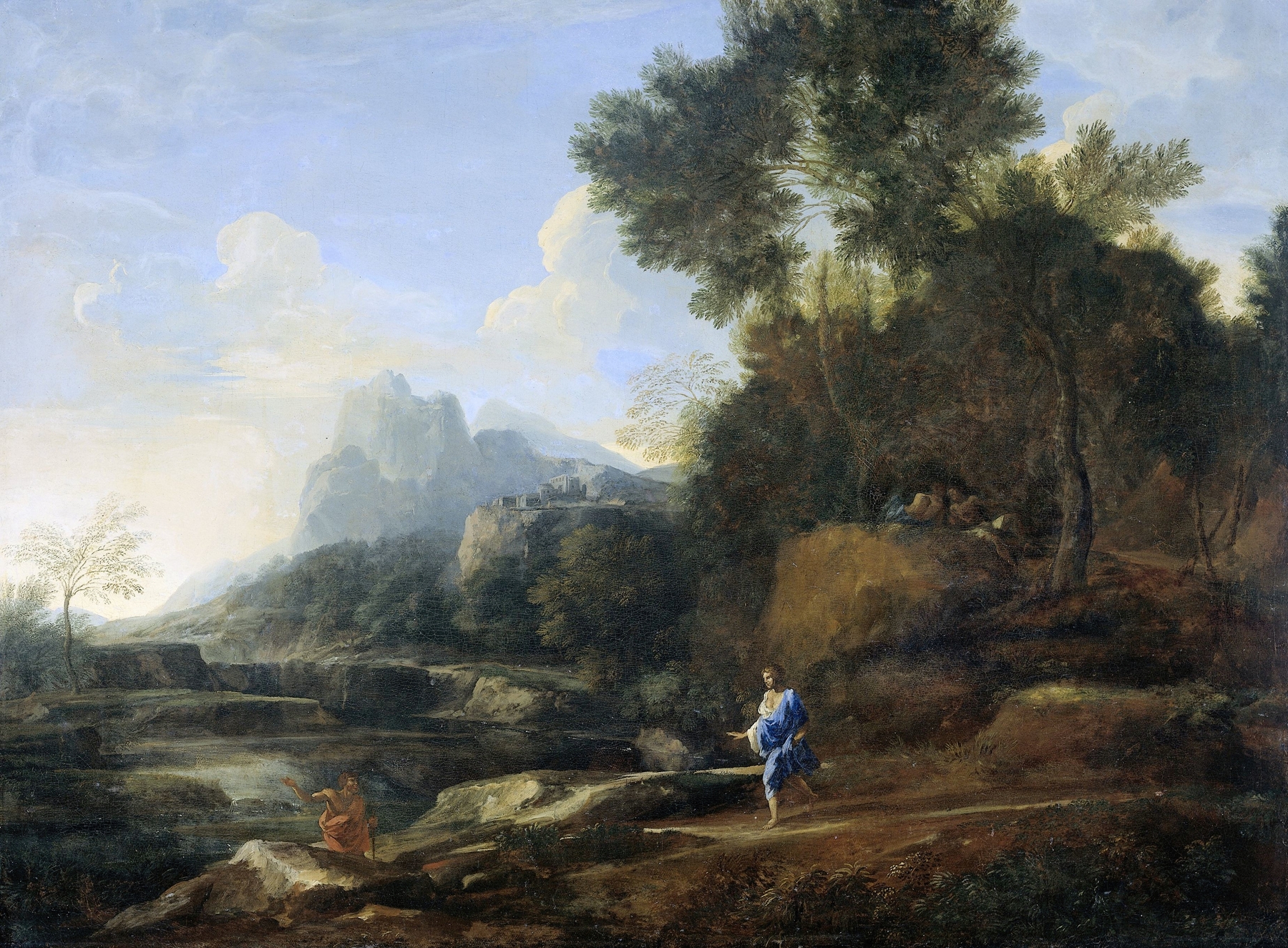
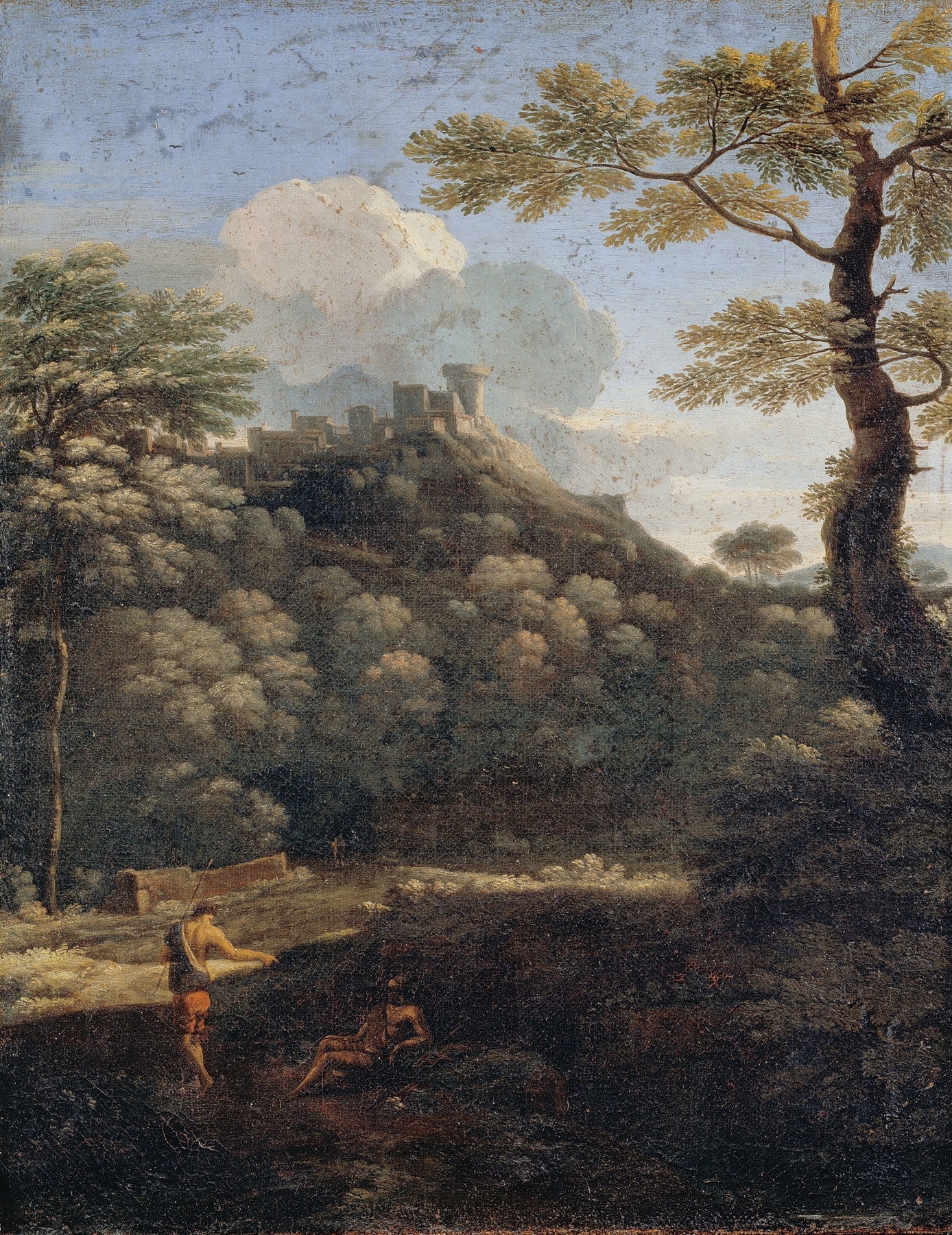
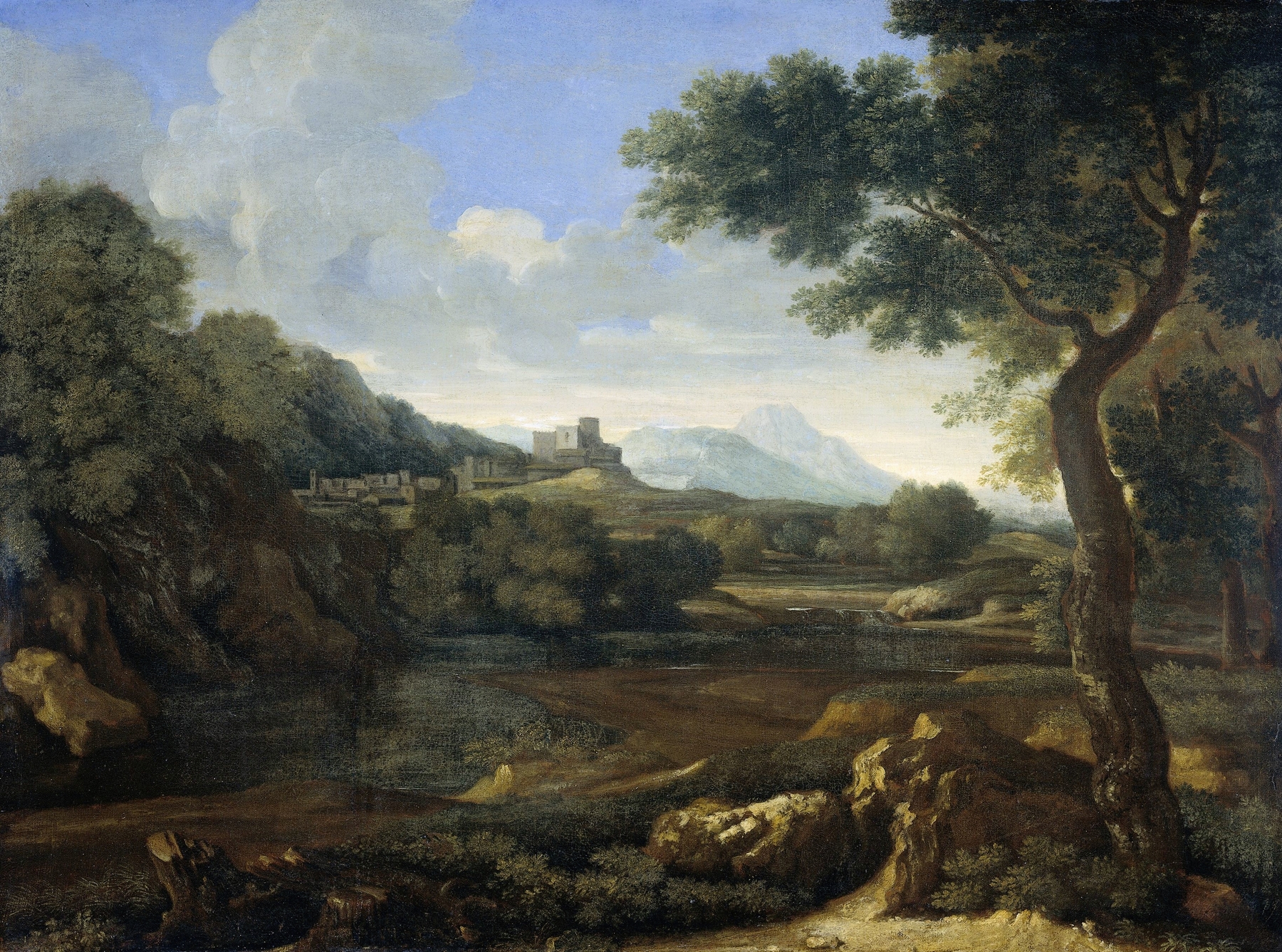
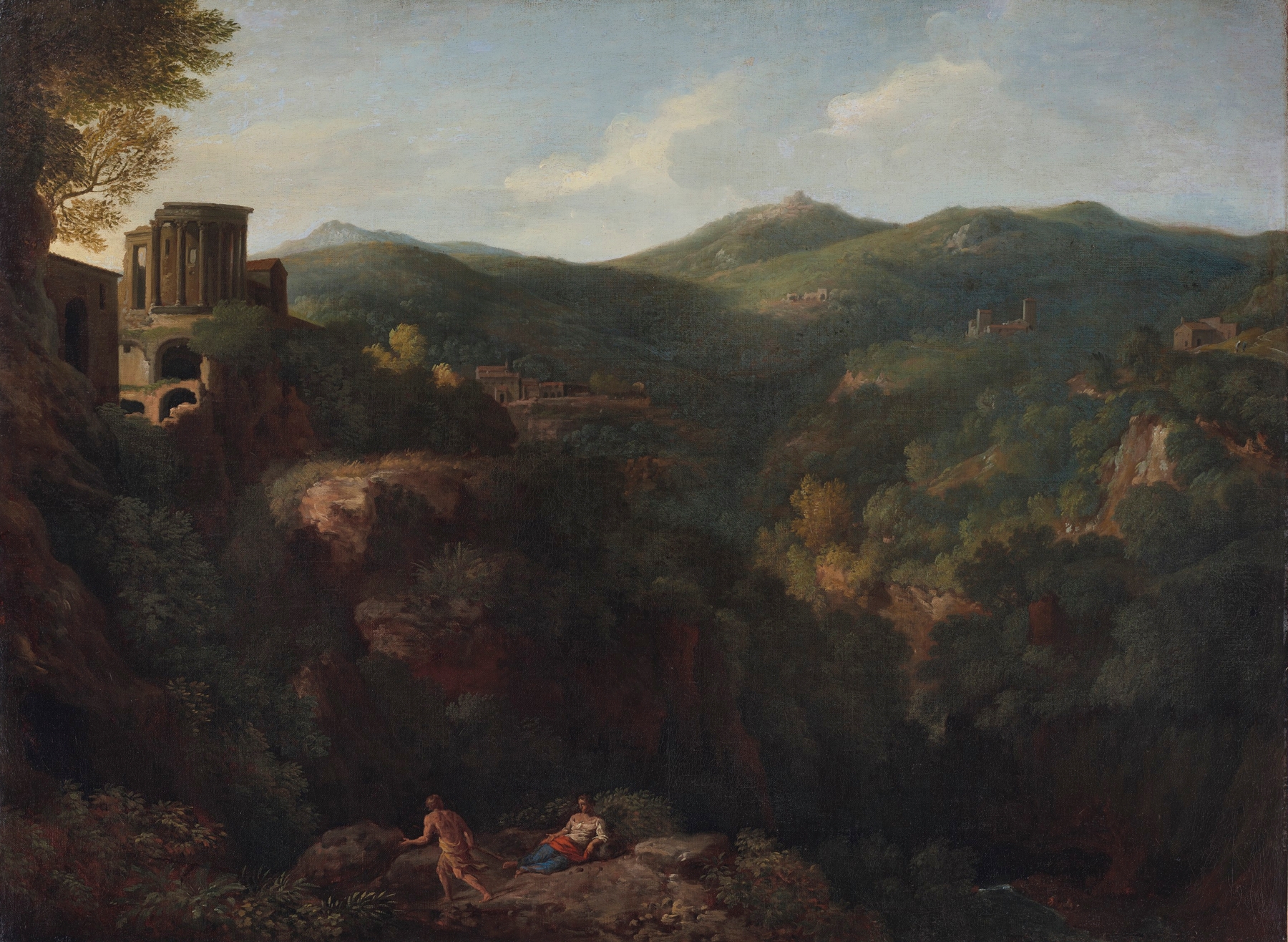
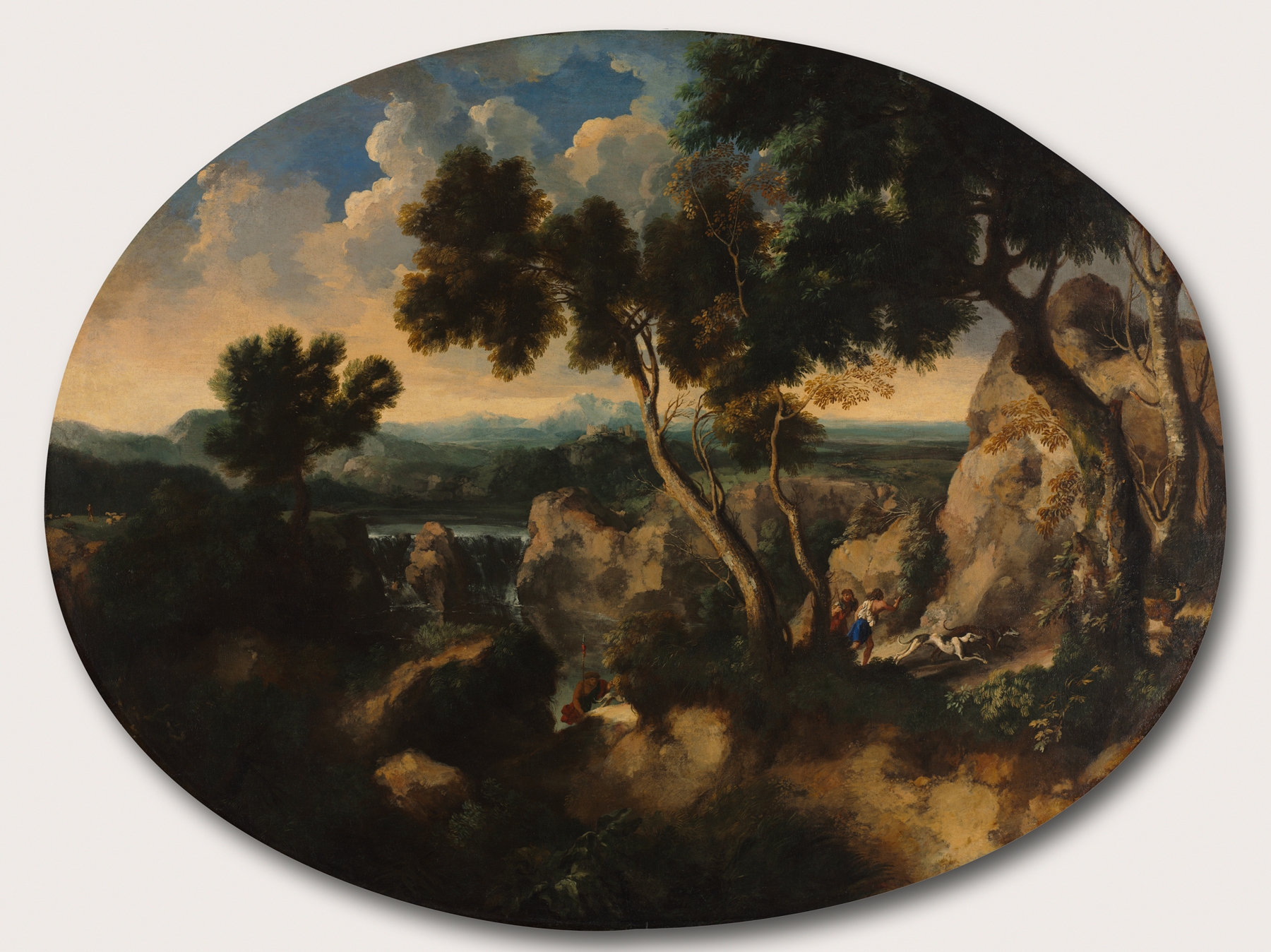
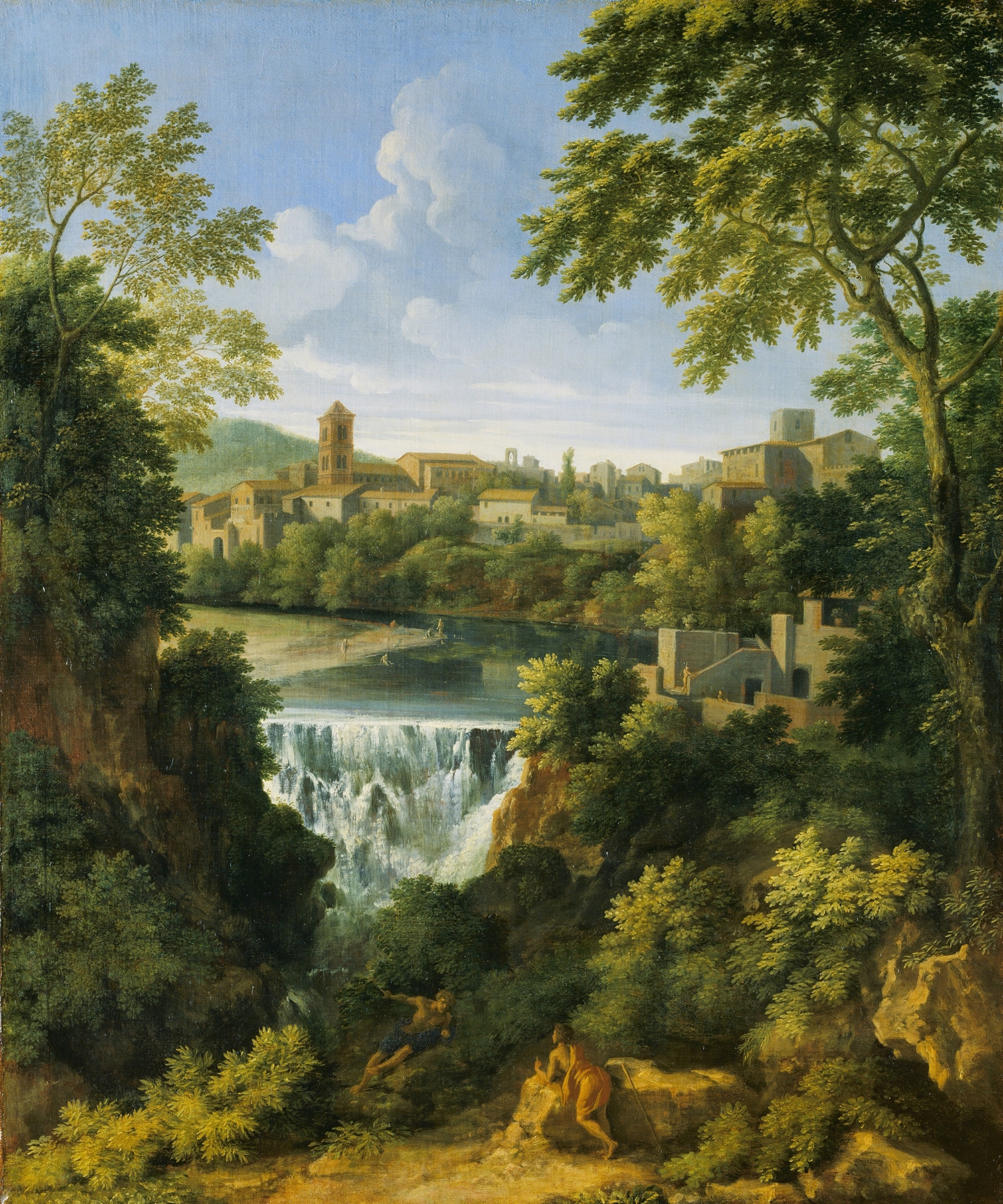
Can beauty exist without sorrow? In Imaginary Landscape, Gaspard Dughet presents a vivid answer, intertwining light and shadow to evoke a profound emotional resonance that transcends mere aesthetics. Focus first on the horizon, where a soft, golden light pours over the undulating hills. The gentle transition from light to shadow plays across the canvas, creating a sense of depth and airiness that draws the viewer in.
Notice how the painted sky reflects varying hues of blue and orange, suggesting either dawn or dusk, a time on the cusp of change. The lush greenery below, detailed with delicate brushstrokes, contrasts with the ethereal quality of the sky, inviting contemplation on the relationship between the earth and the heavens. Hidden within this serene landscape lies a tension between the idyllic scene and the feeling of solitude it conveys. The absence of human figures hints at the quietude of nature, yet the tranquil beauty is tinged with an underlying melancholy.
Each tree stands as a sentinel, their shadows stretching across the land, while the light bathes the scene in warmth, reminding us that beauty often coexists with an awareness of transience and loss. Dughet painted this work during the 17th century, a time when the Baroque movement flourished and artists were deeply concerned with the interplay of light and shadow. Living in Italy, he was influenced by the Roman landscape and the burgeoning interest in capturing the sublime beauty of nature. This painting reflects both his mastery of atmospheric perspective and his contemplative approach to the world around him, embodying the essence of a period marked by a quest for harmony between the natural and the metaphysical.