In the High Sierras — History & Analysis
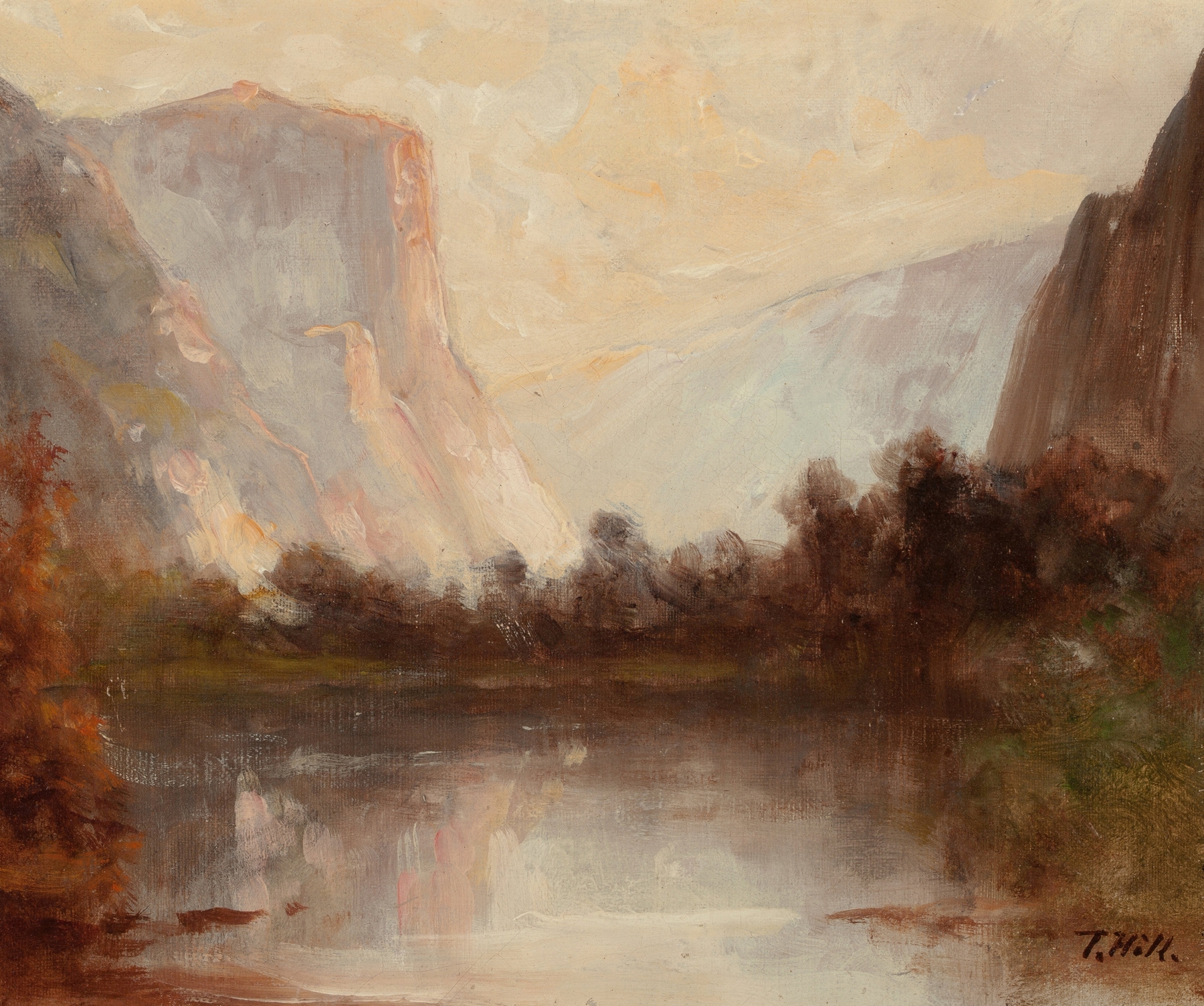
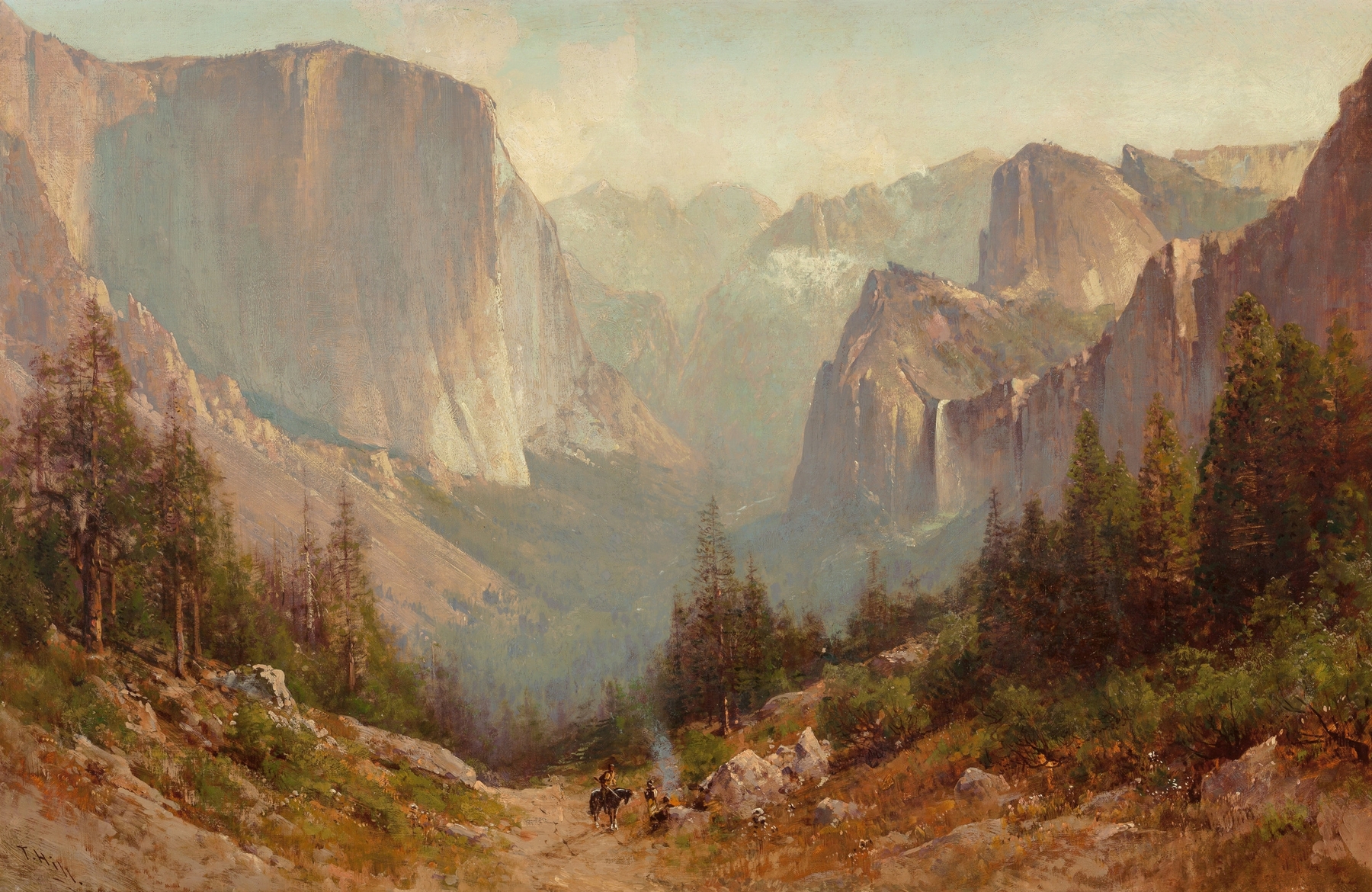
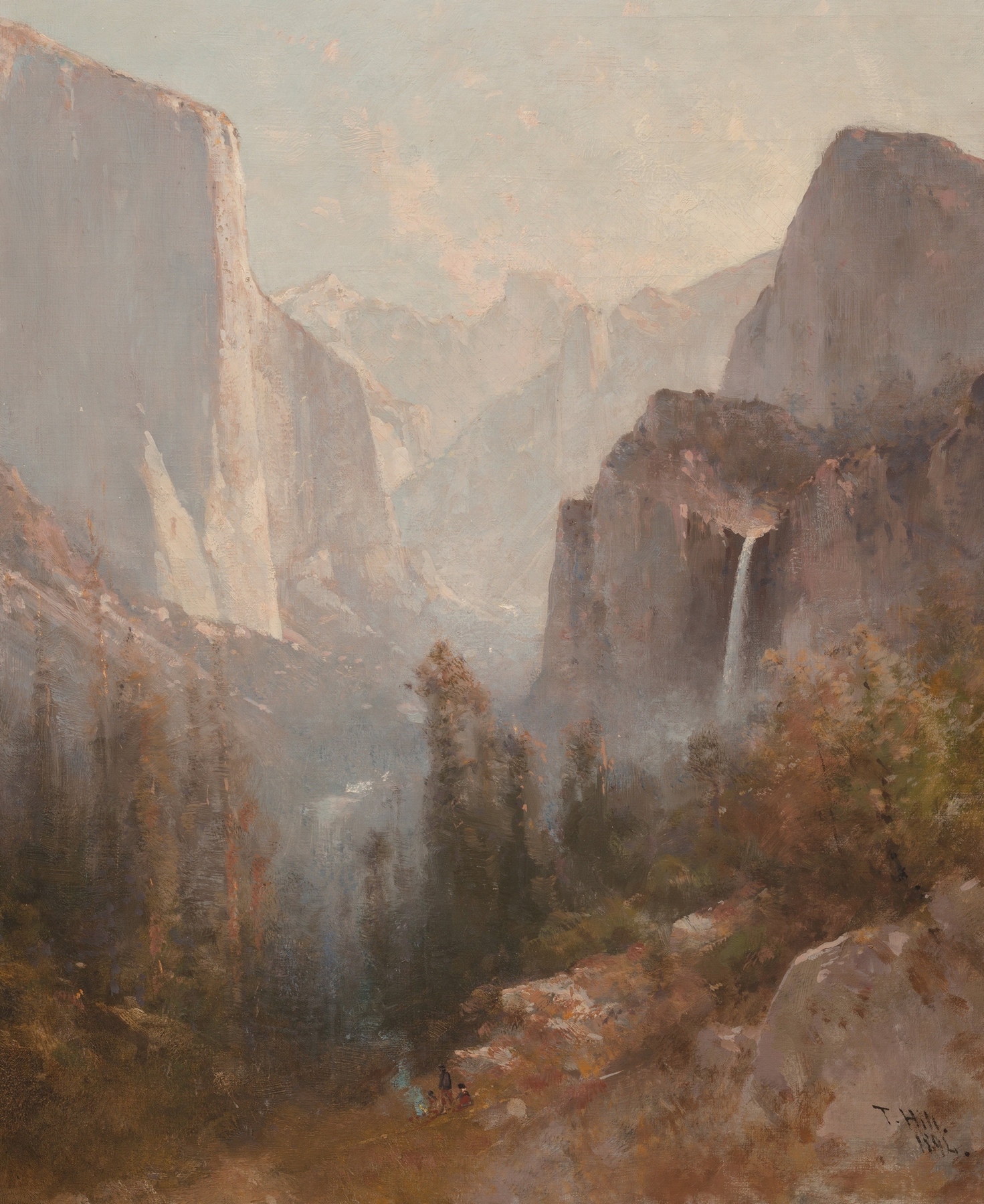
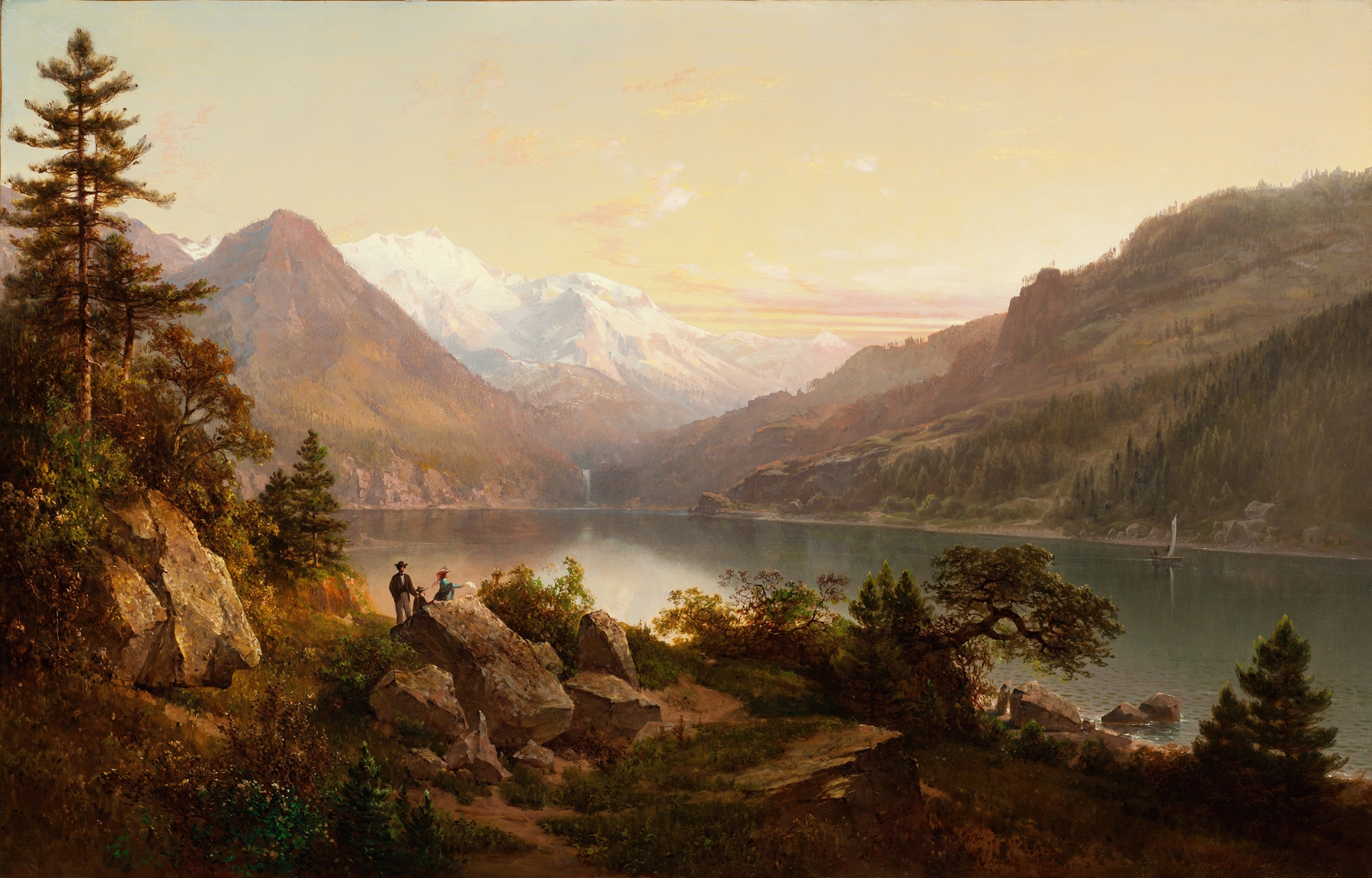
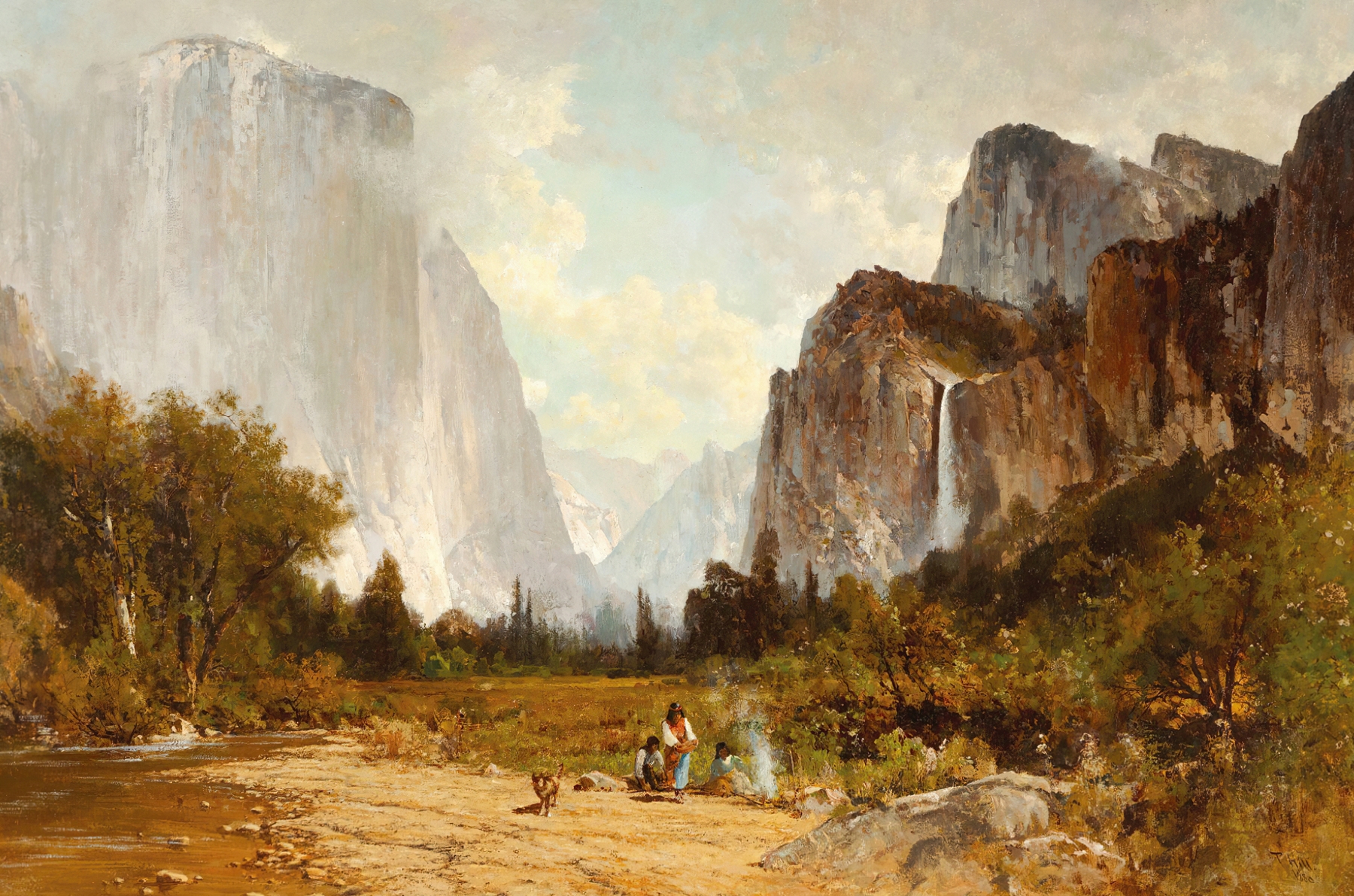
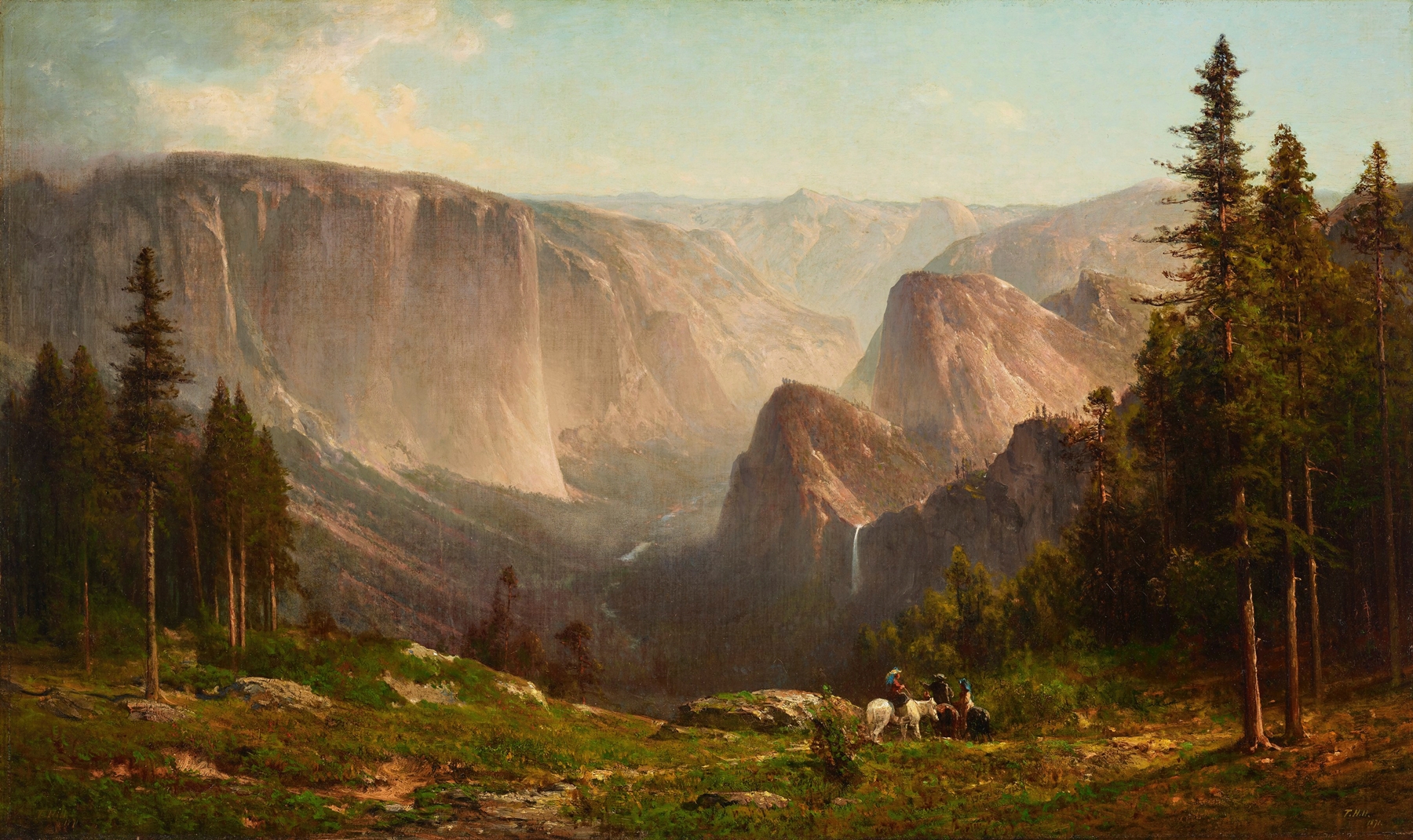
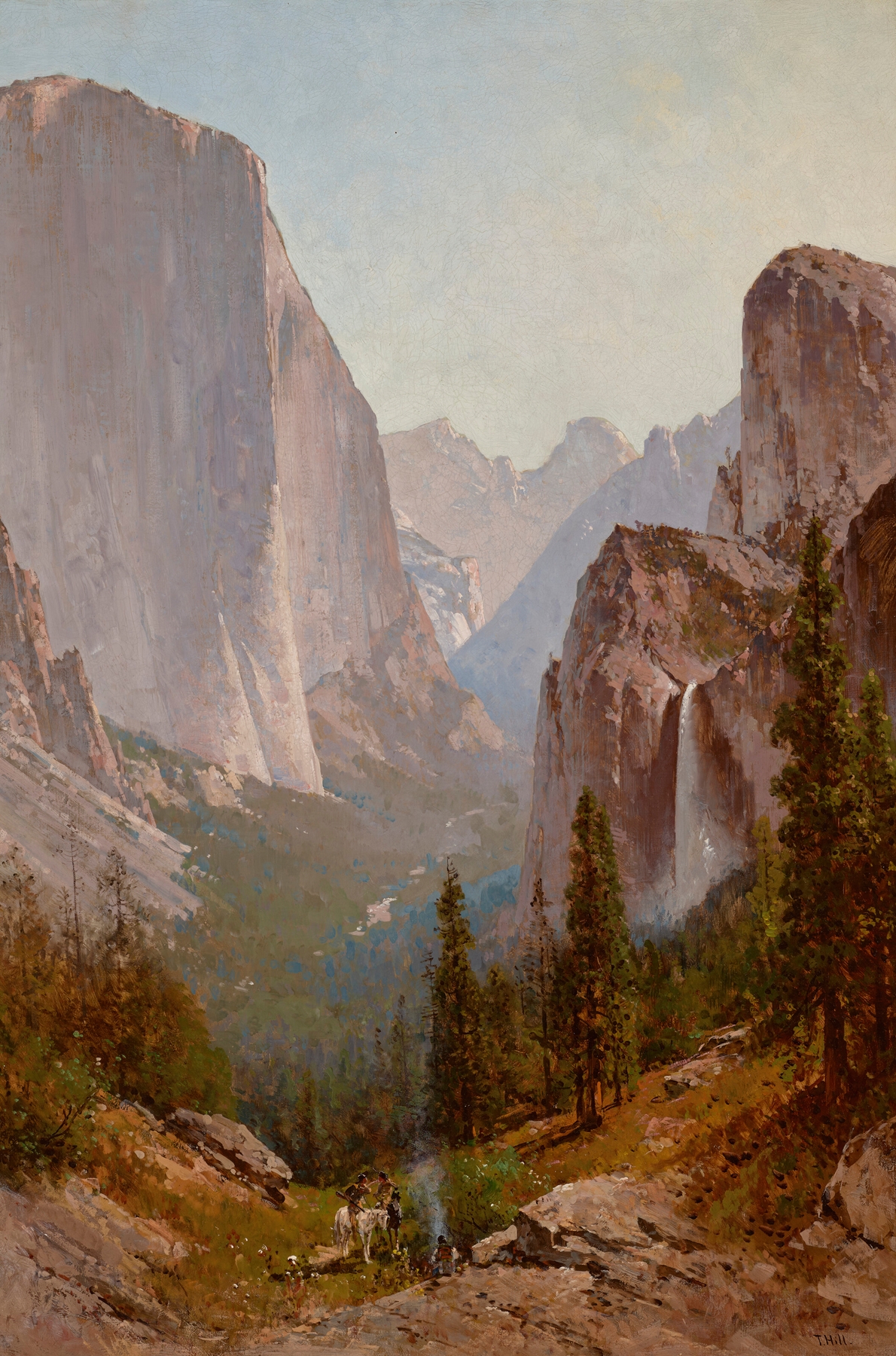
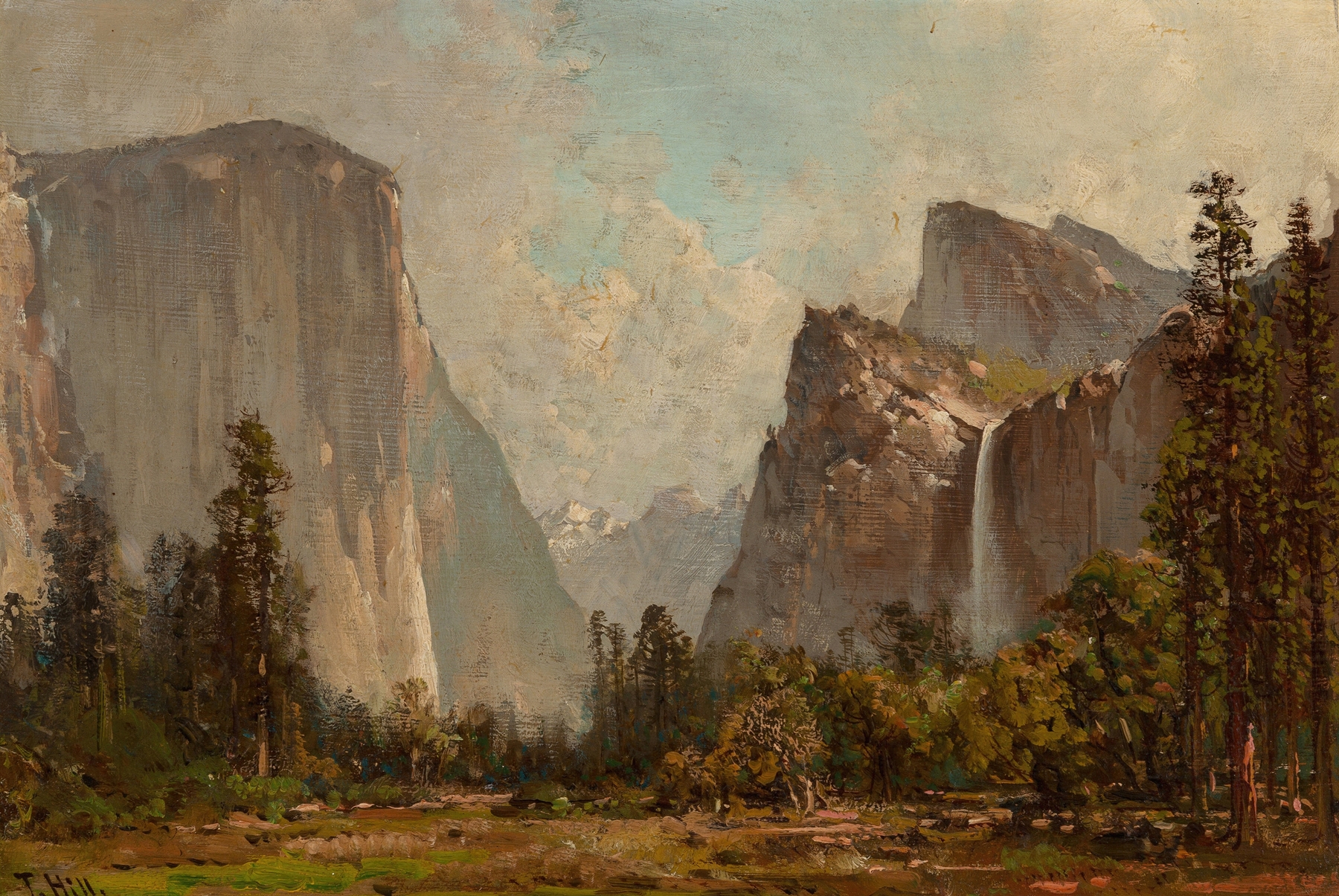
Who listens when art speaks of silence? In the stillness of a majestic landscape, profound faith unfurls in the interplay of nature and spirit. Look to the left at the towering granite peaks, their jagged edges piercing the serene blue sky. Notice how sunlight cascades down, illuminating the verdant pine trees that cradle the rocky slopes.
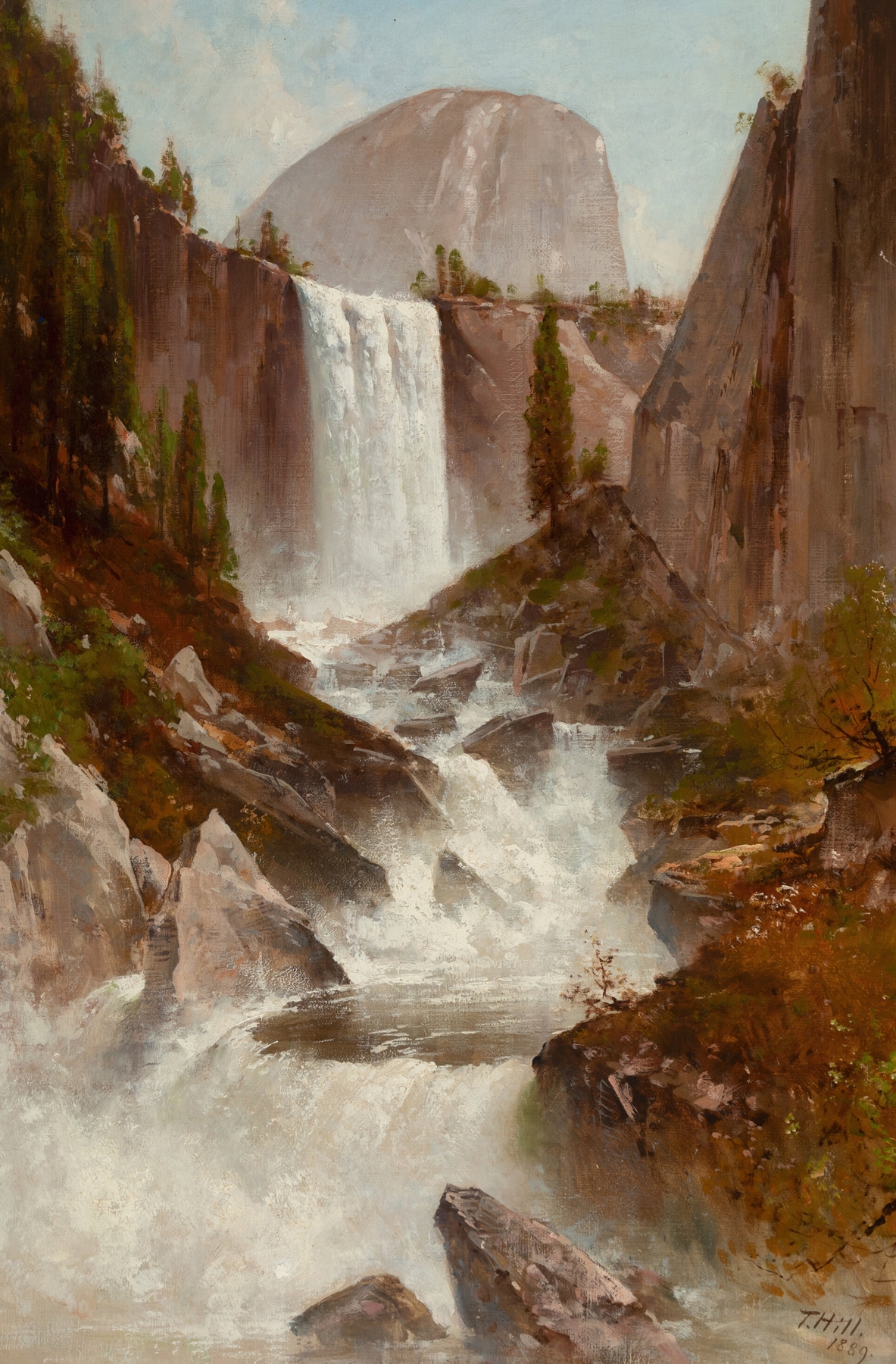
The artist's meticulous brushwork captures the textures of the rugged cliffs, while soft pastels blend harmoniously in the valley below, inviting you to breathe in the crisp mountain air. The composition draws the eye upward, as if urging the viewer to contemplate the transcendence of the scene. In this artwork, the contrast between the imposing mountain range and the tranquil valley below reveals a dialogue between strength and serenity. Each brushstroke carries an emotional weight, suggesting a pilgrimage into the heart of nature, a reflection of faith in the grandeur beyond the earthly realm.
The quietness of the landscape acts as a canvas for introspection, evoking a sense of peace that resonates deeply within the viewer's soul. Created in 1886, this piece was painted during a time when the American landscape movement was gaining momentum, with artists like Thomas Hill finding inspiration in the natural beauty of the Sierra Nevada. Having moved to California, Hill was deeply engaged with both the artistic community and the burgeoning conversation surrounding nature's role in American identity. This painting not only captures the breathtaking scenery but also reflects the era's search for meaning in the sublime landscapes.