Indian Rock, Blue Mountains — History & Analysis
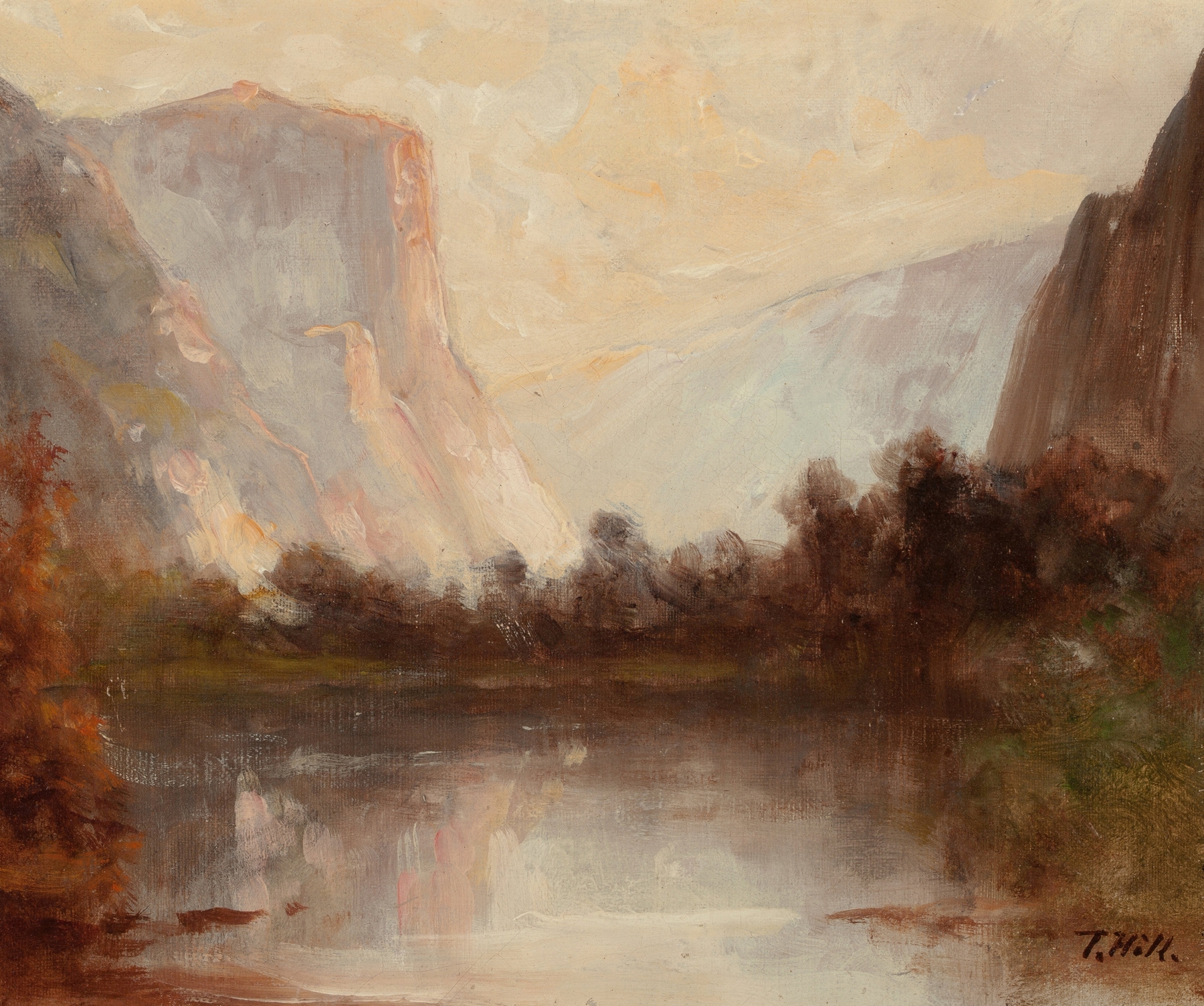
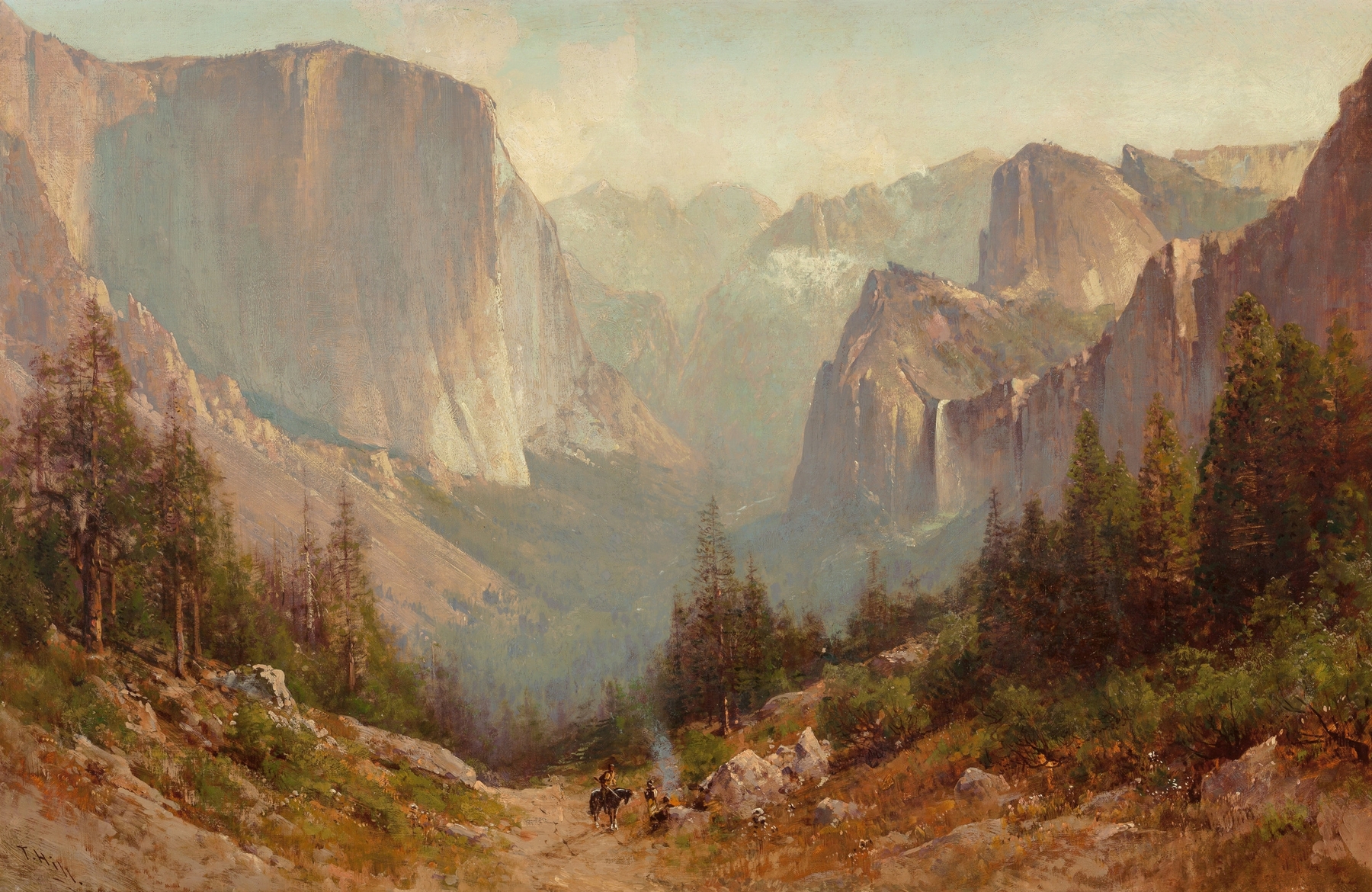
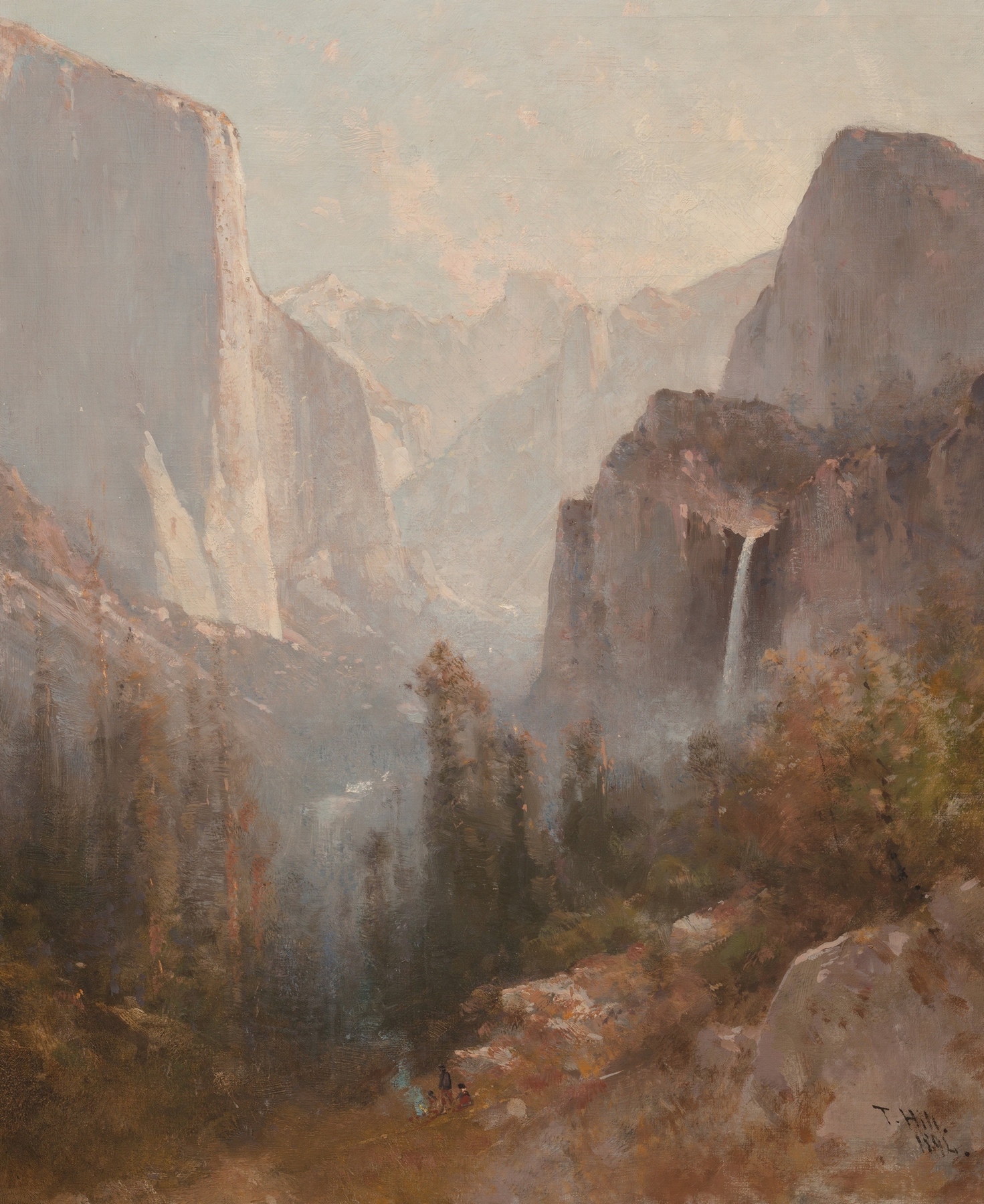
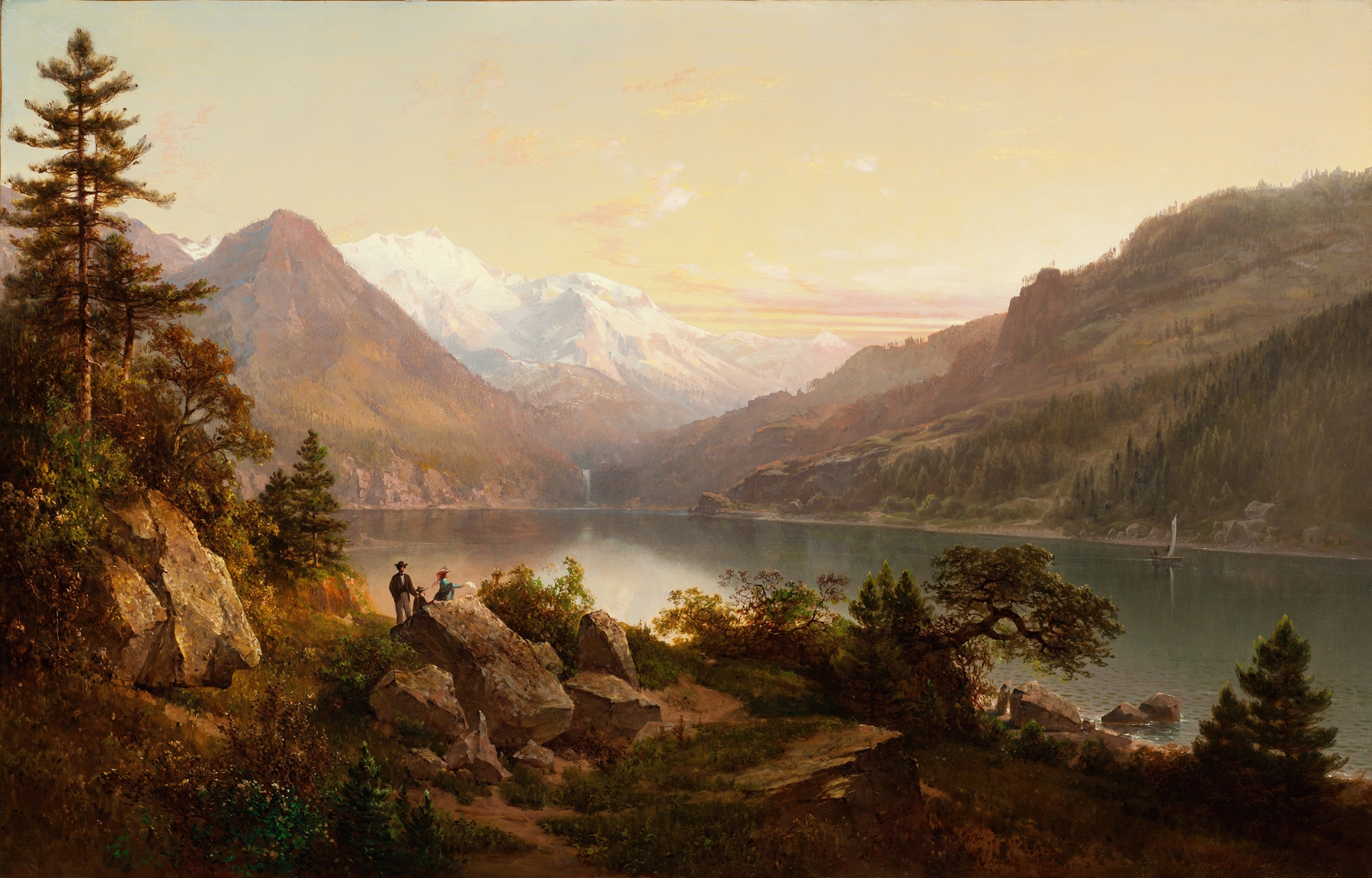
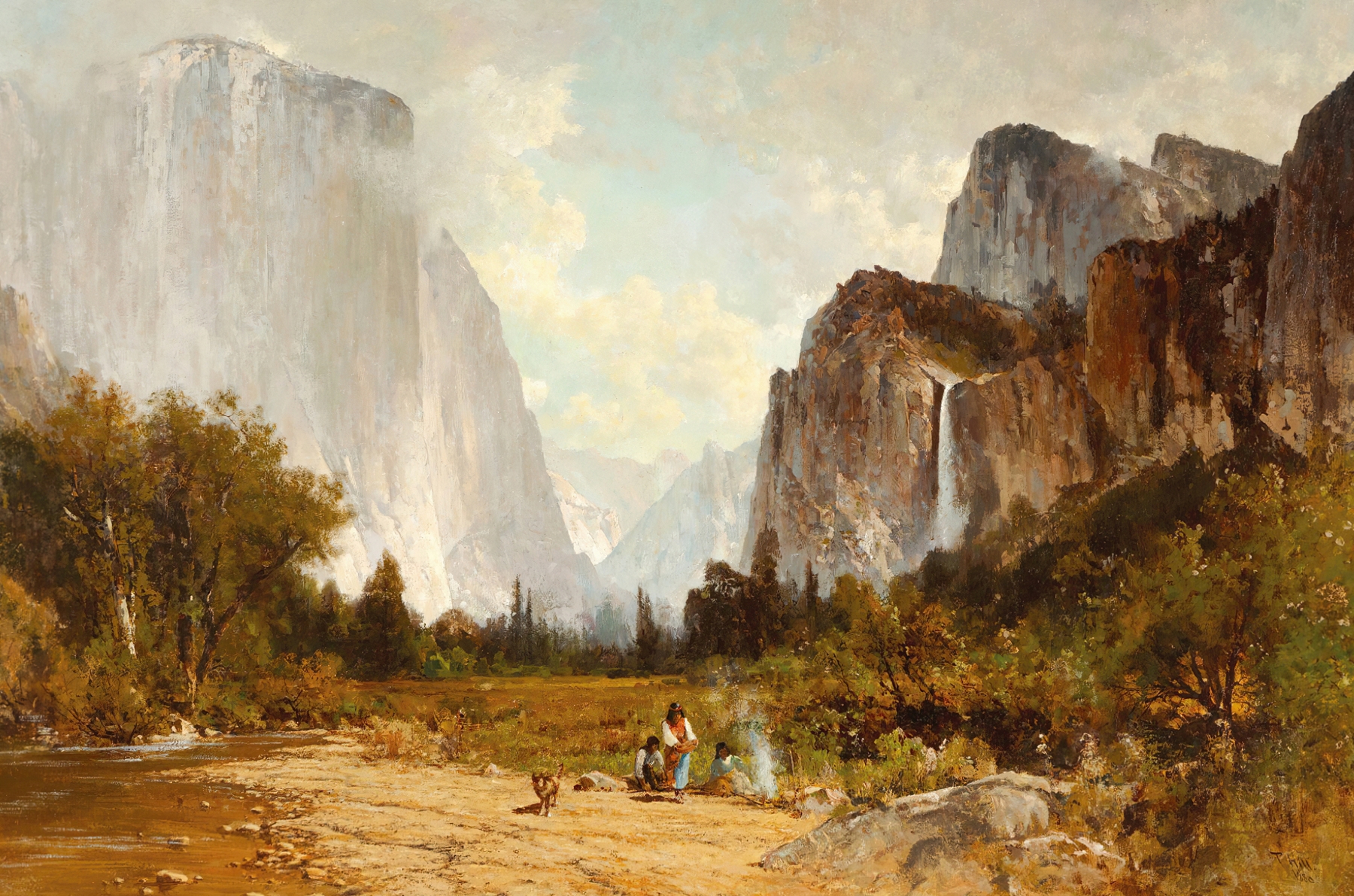
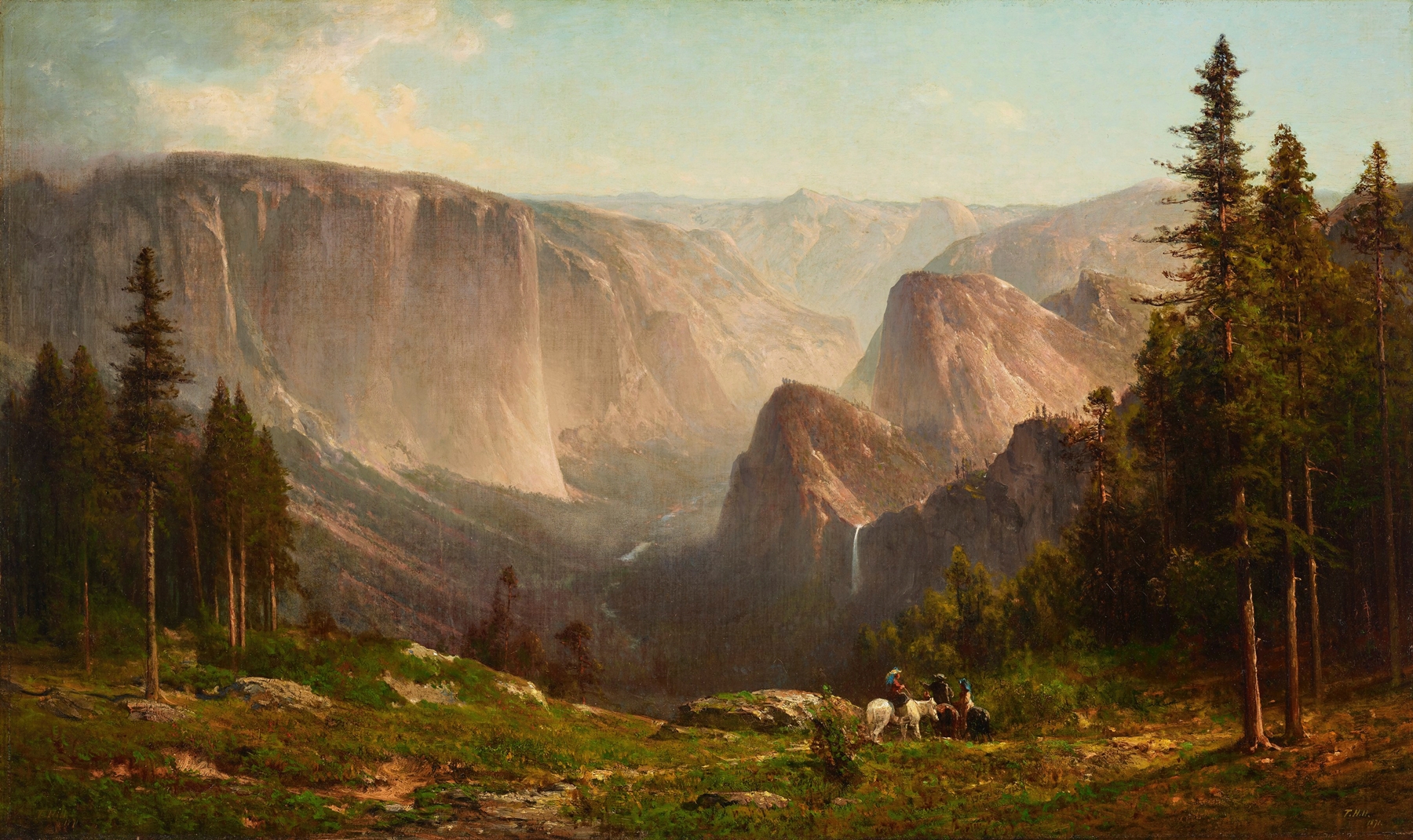
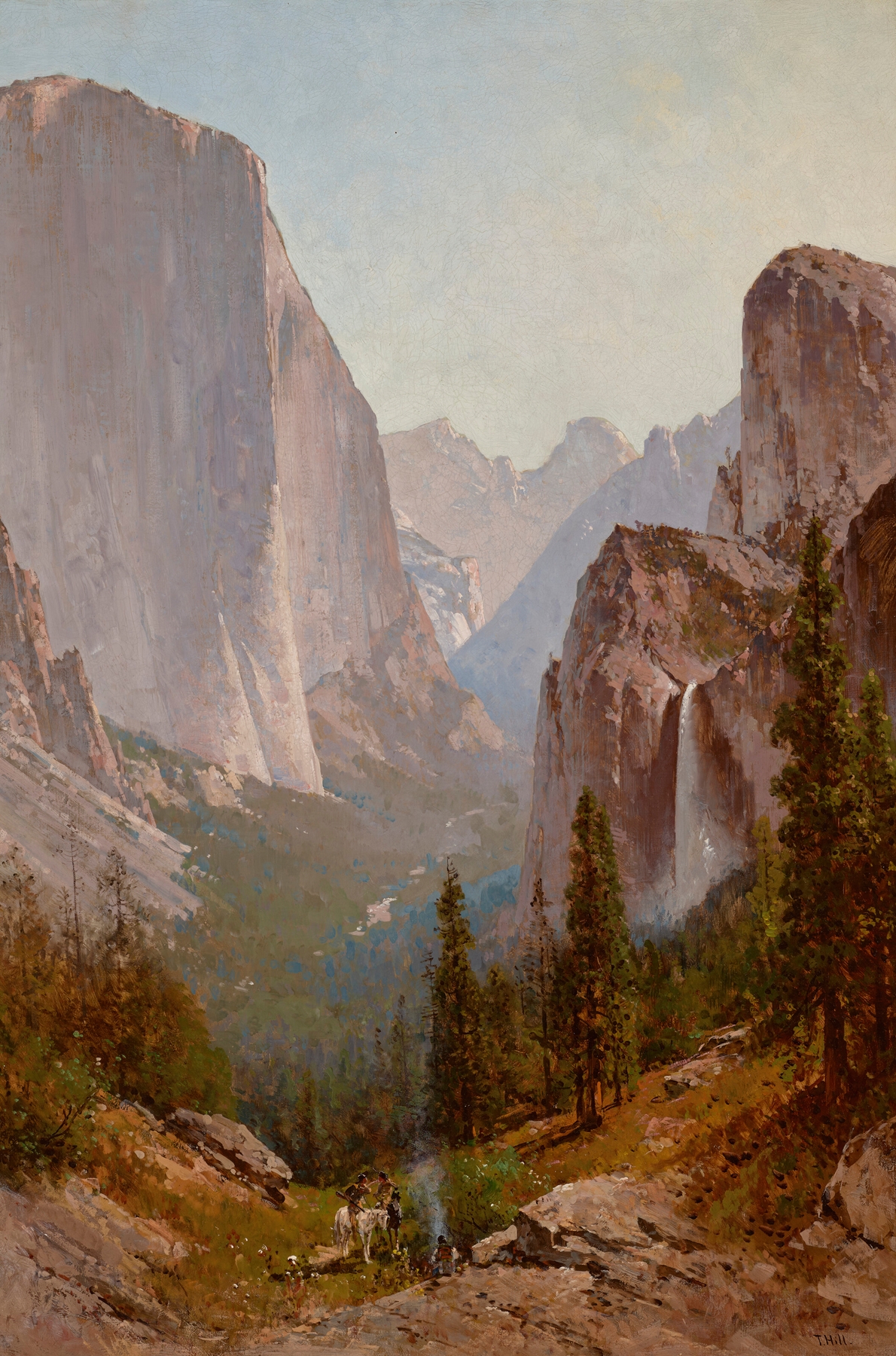
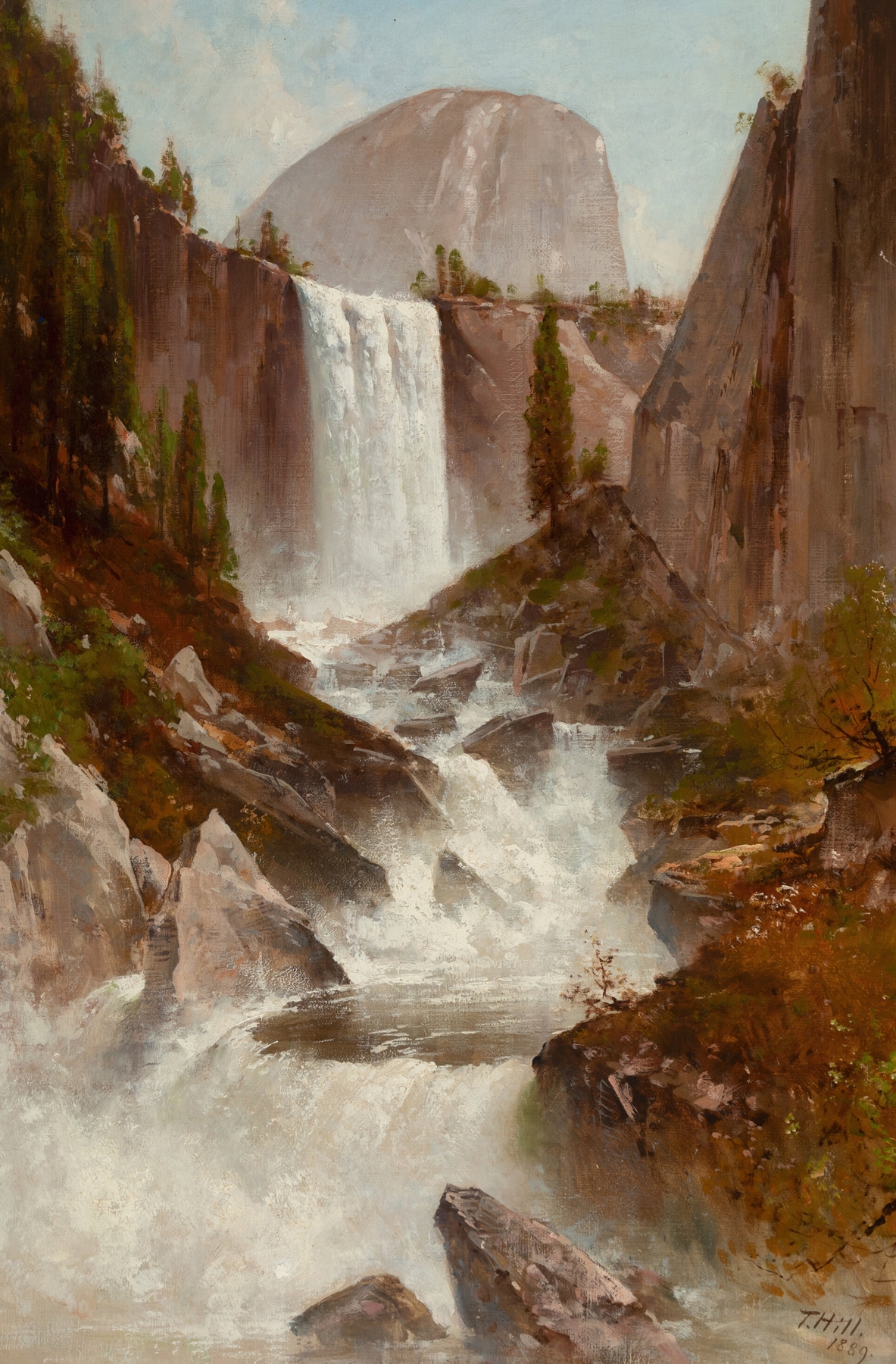
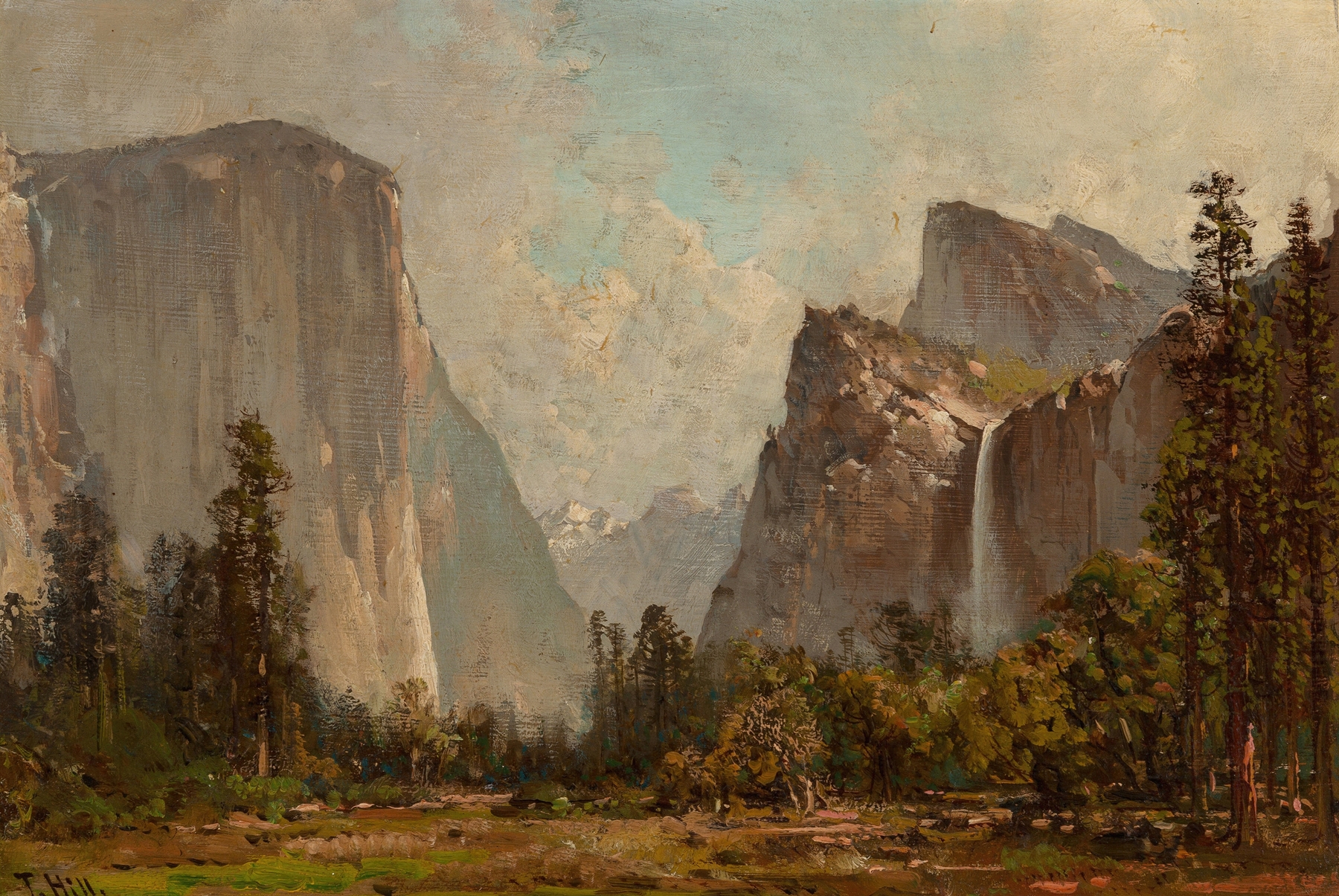
Did the painter know this moment would outlive them? In Indian Rock, Blue Mountains, beauty transcends time, captured in a vibrant tableau that invites endless reflection. Look to the center where the massive rock formation dominates the scene, its rugged texture rendered with precision that evokes both strength and permanence. Notice how the lush greenery embraces its base, contrasting with the deep blues and soft whites of the sky.
The artist's brushwork reveals a harmonious blend of colors, with delicate strokes that breathe life into the foliage, while the clouds seem to whisper secrets of the mountain's past. In this painting, a profound dialogue unfolds between nature and the viewer. The interplay of light and shadow creates a sense of movement and tranquility, suggesting that this landscape, though seemingly static, is alive with history. The subtle variations in hues convey the changing moods of the environment, hinting at the impermanence of beauty against the backdrop of enduring geography.
It evokes a quiet reverence for the natural world, reminding us that even amidst chaos, there is serenity to be found. Thomas Hill painted this piece during a time of great exploration and appreciation for the American landscape, likely in the latter half of the 19th century. Working in California, Hill was part of the Hudson River School movement, which emphasized the majesty of nature. His works often reflected the awe and wonder of the American wilderness, contributing to a broader cultural shift that celebrated the untouched beauty of the country’s landscapes.