Interior of an Eastern House — History & Analysis
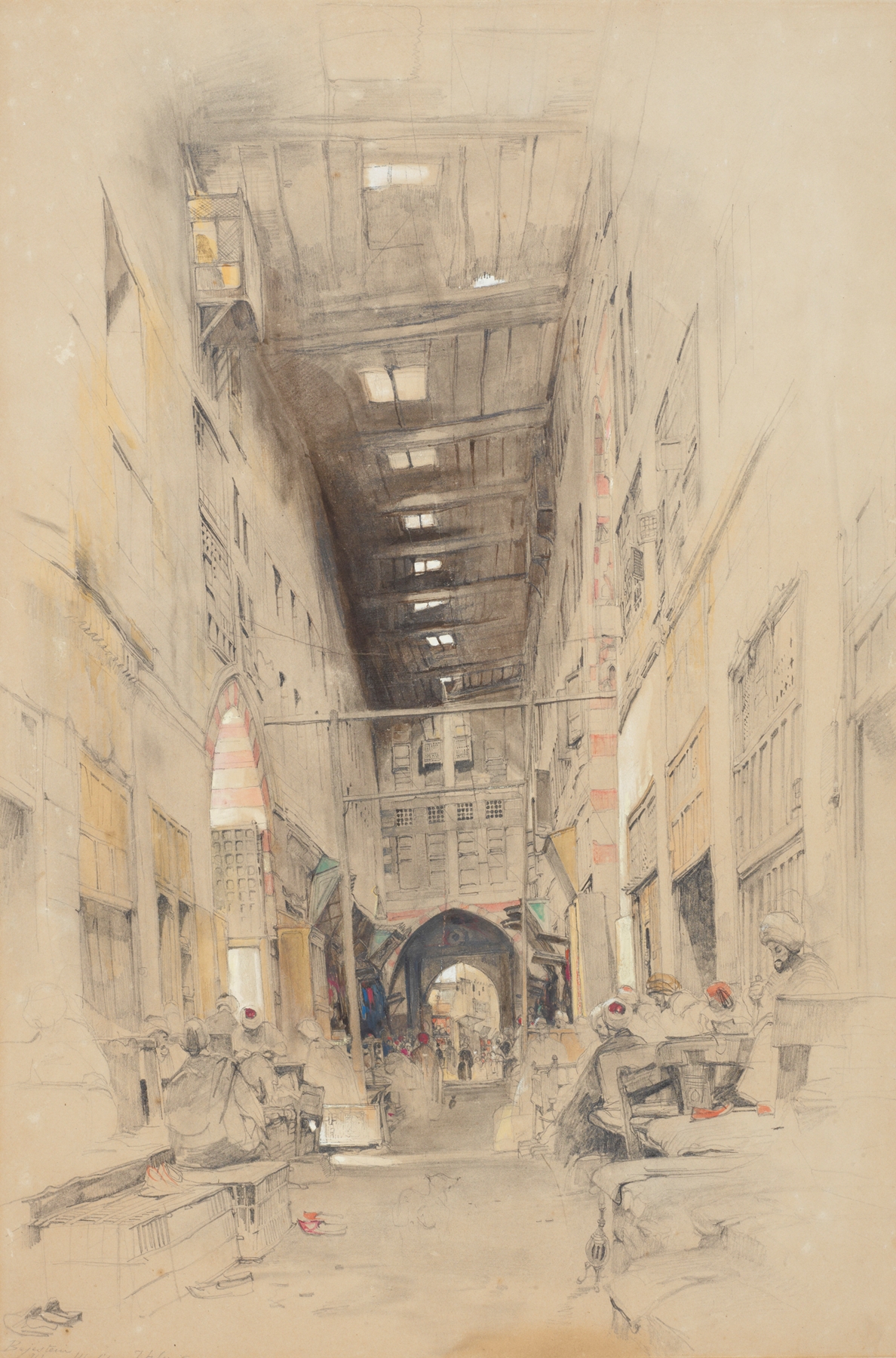
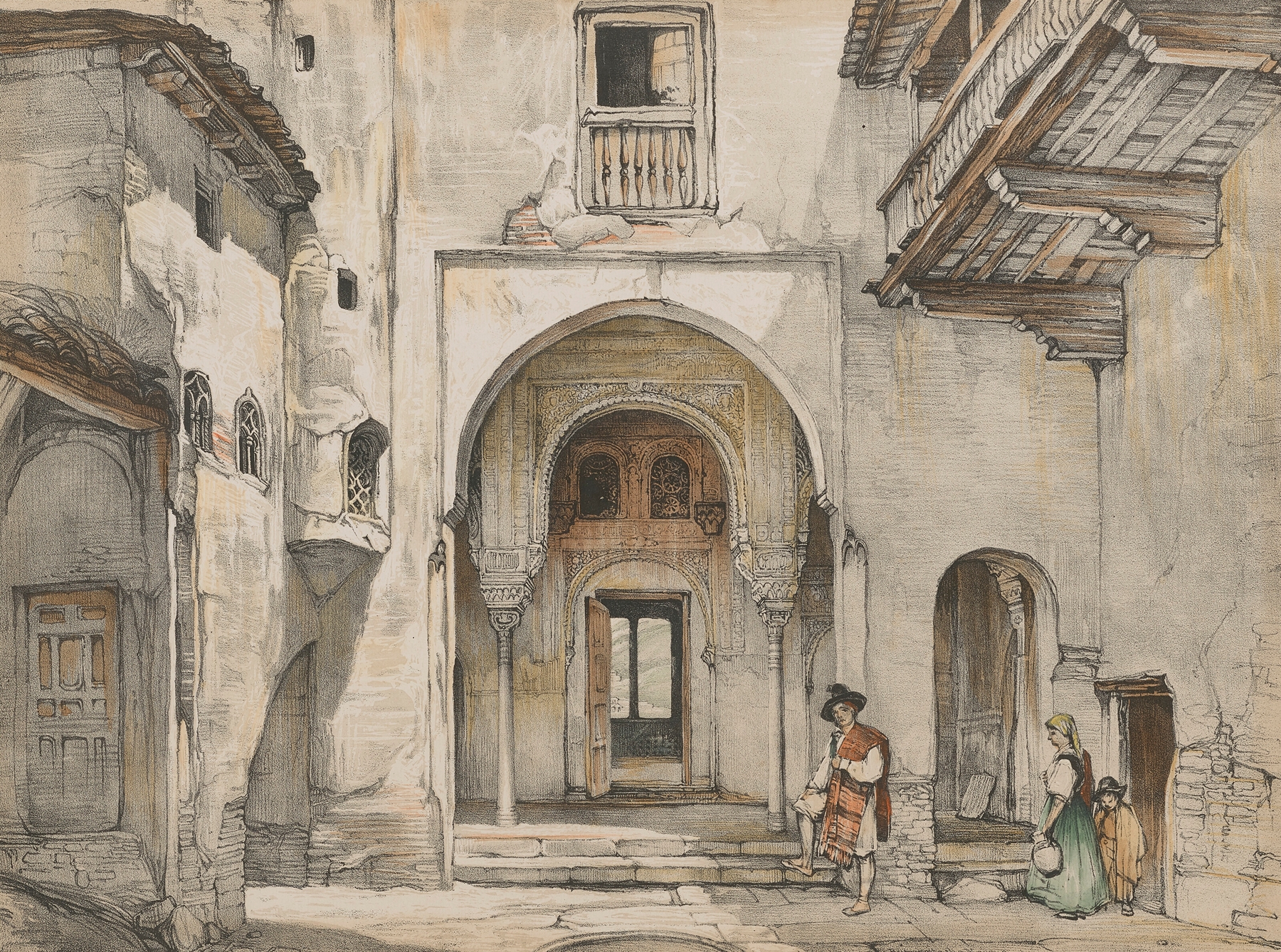
What secret hides in the quiet of the canvas? Time seems to stand still in this captivating glimpse into a serene space, inviting us to ponder the stories etched within its walls. Look to the left at the intricately patterned tiles that lead the eye into the heart of the room. The warm, golden light cascades through a series of beautifully carved arches, illuminating the lavish textiles draping from the ceiling.
Each detail, from the delicate shadow cast by the hanging lantern to the subtle variations in hue across the walls, speaks to Lewis's meticulous technique, creating an atmosphere alive with both opulence and tranquility. Notice the contrasts that breathe life into this scene: the stillness of the interiors set against hints of a vibrant world outside, barely visible through the latticework. The ornate furnishings, rich in color and texture, juxtapose the simple, almost meditative ambiance of the space. This duality suggests a deeper narrative of cultural exchange and the passage of time, reminiscent of an era when East met West, filled with untold stories waiting to be uncovered.
In the years between 1840 and 1851, the artist captured this scene during a transformative period in his life. Having traveled extensively in the Middle East, Lewis was deeply influenced by the landscapes and cultures he encountered. His work emerged amidst the growing fascination with Orientalism in European art, a trend that sought to romanticize and explore the exotic, reflecting both curiosity and complexity in a rapidly changing world.