The Ramesseum at Thebes — History & Analysis
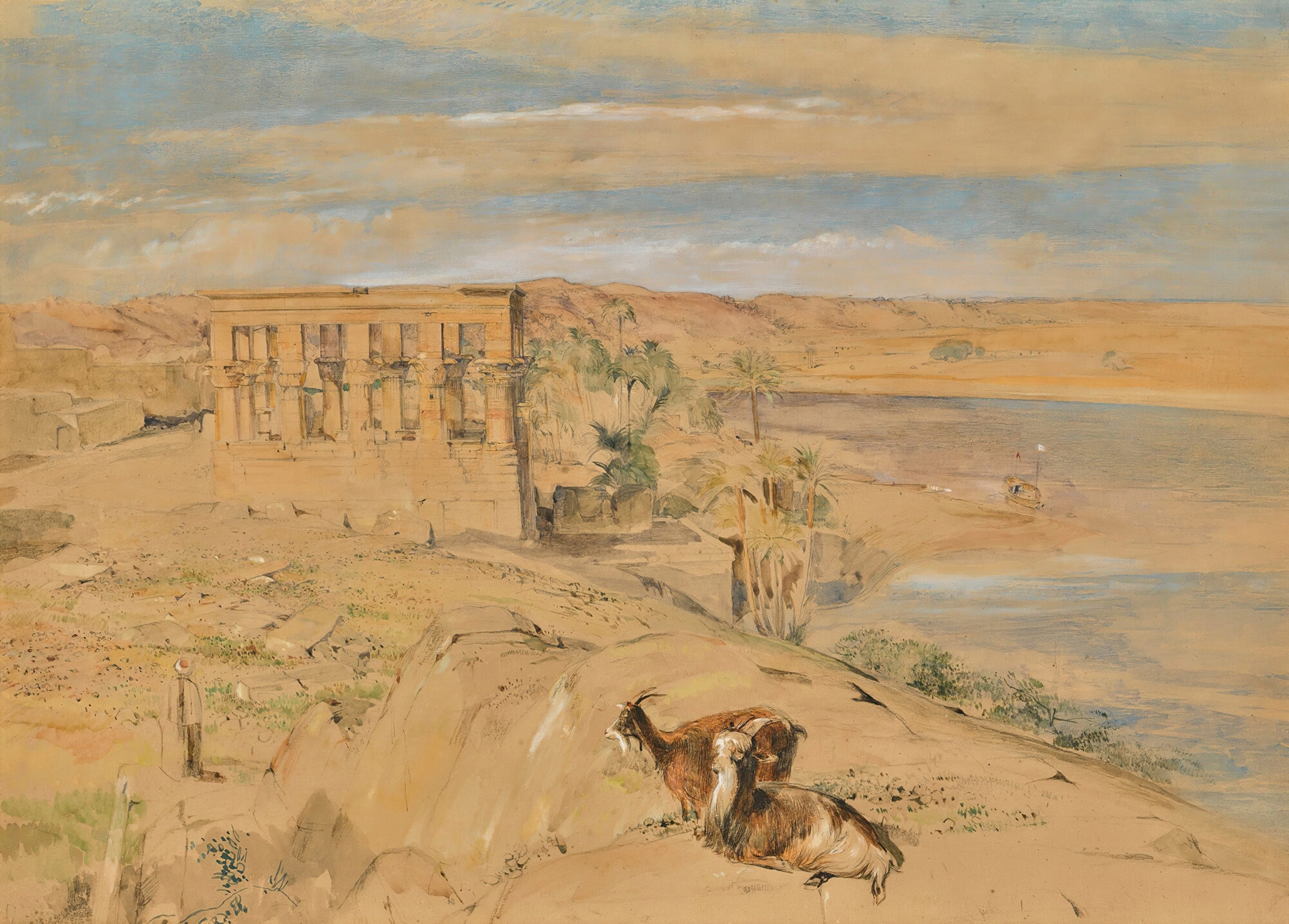
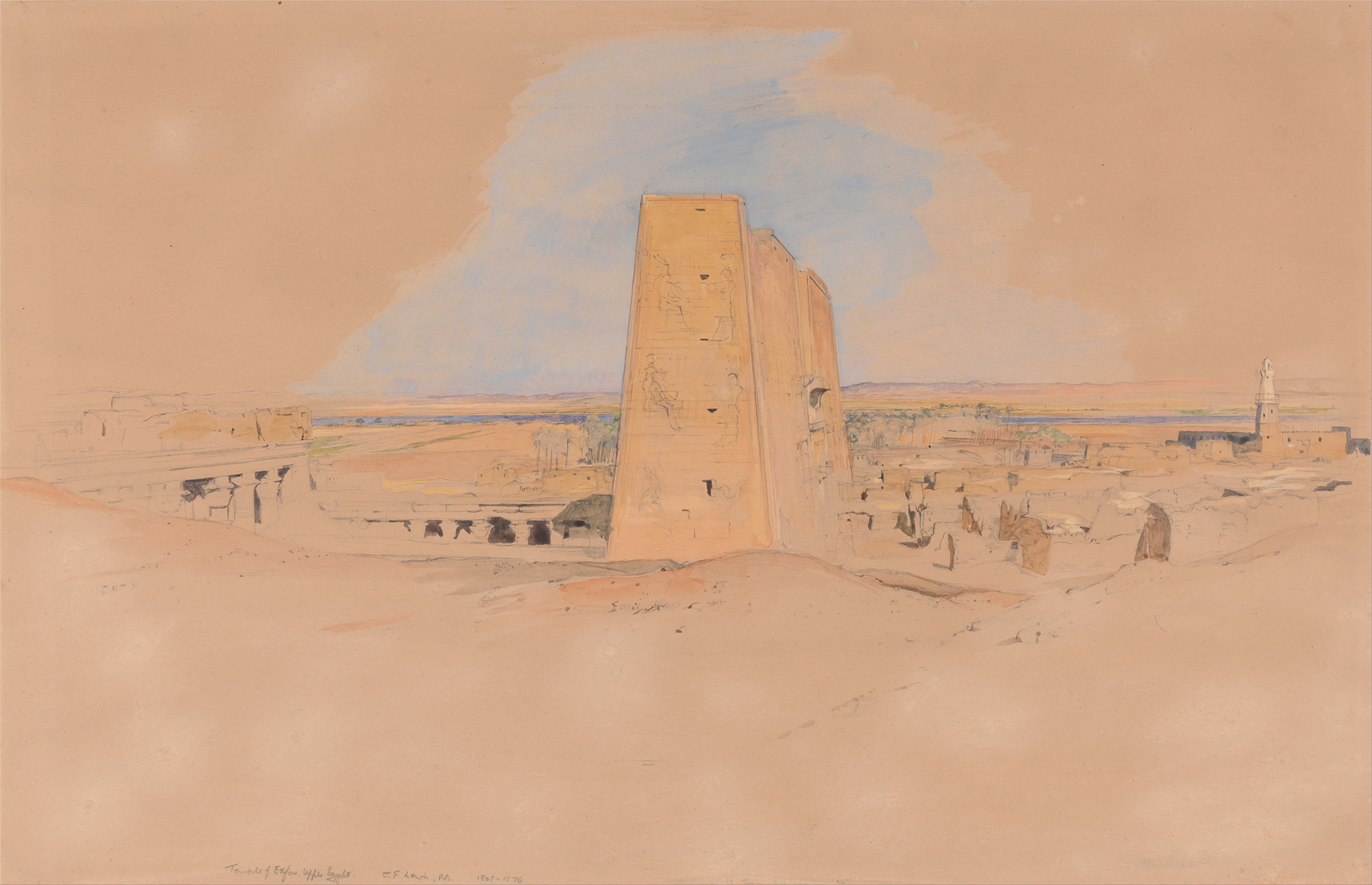
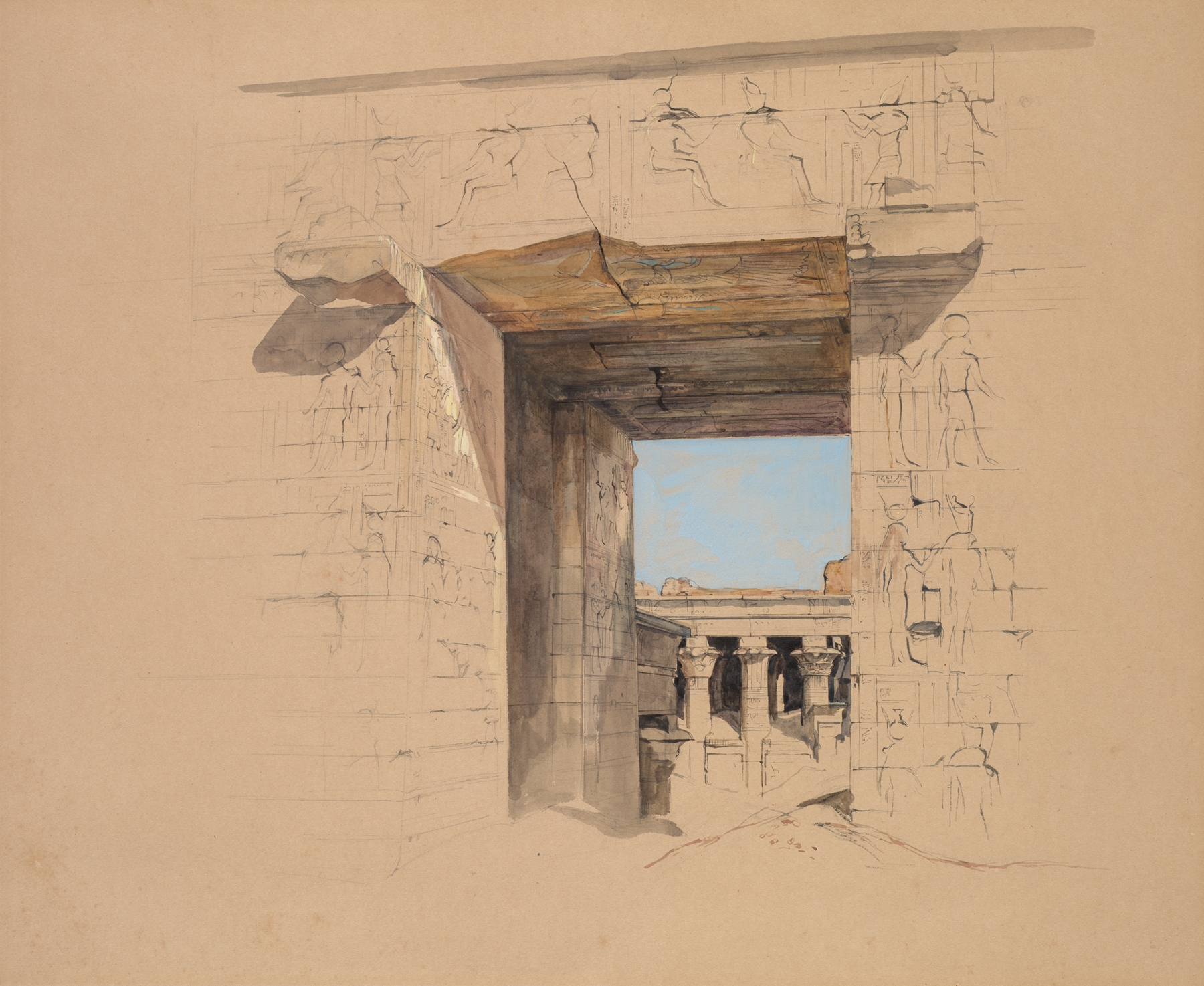
Can paint confess what words never could? In the quiet grandeur of the past, a moment is captured where every brushstroke whispers tales of ancient marvels—an awe that transcends time. Look to the center, where towering columns stretch upward, their intricate hieroglyphics imbued with a golden hue that dances in the sunlight. Surrounding them, the remnants of statues lie partially obscured by shadows, inviting the viewer to probe the stories hidden in their timeworn faces.
The play of light and shade, so skillfully rendered, reveals the texture of stone against the smoothness of the desert sky, grounding the viewer in a world both familiar and distant. As your eyes wander, you’ll notice the rugged terrain at the base of the pillars—each crack and crevice a testament to the passage of time, embodying a fragile beauty that mirrors the impermanence of human endeavors. The vibrant blues and earthy tones evoke a sense of nostalgia, suggesting a harmony between nature and architecture, while simultaneously hinting at the inevitable decay that awaits even the grandest monuments. This delicate balance stirs complex emotions, drawing forth reverence and melancholy in equal measure.
During a period rife with exploration and admiration for the ancient world, the artist created this work as he sought to capture the essence of Egypt's storied past. Working in the mid-19th century, he immersed himself in the culture and history, navigating both personal artistic aspirations and the broader currents of Orientalism that defined his contemporaries. Through his brush, he invited viewers to travel to a time where history and beauty intertwined, echoing the sublime awe that the Ramesseum once inspired.