Sheikh el Belled; Kom Ombo — History & Analysis
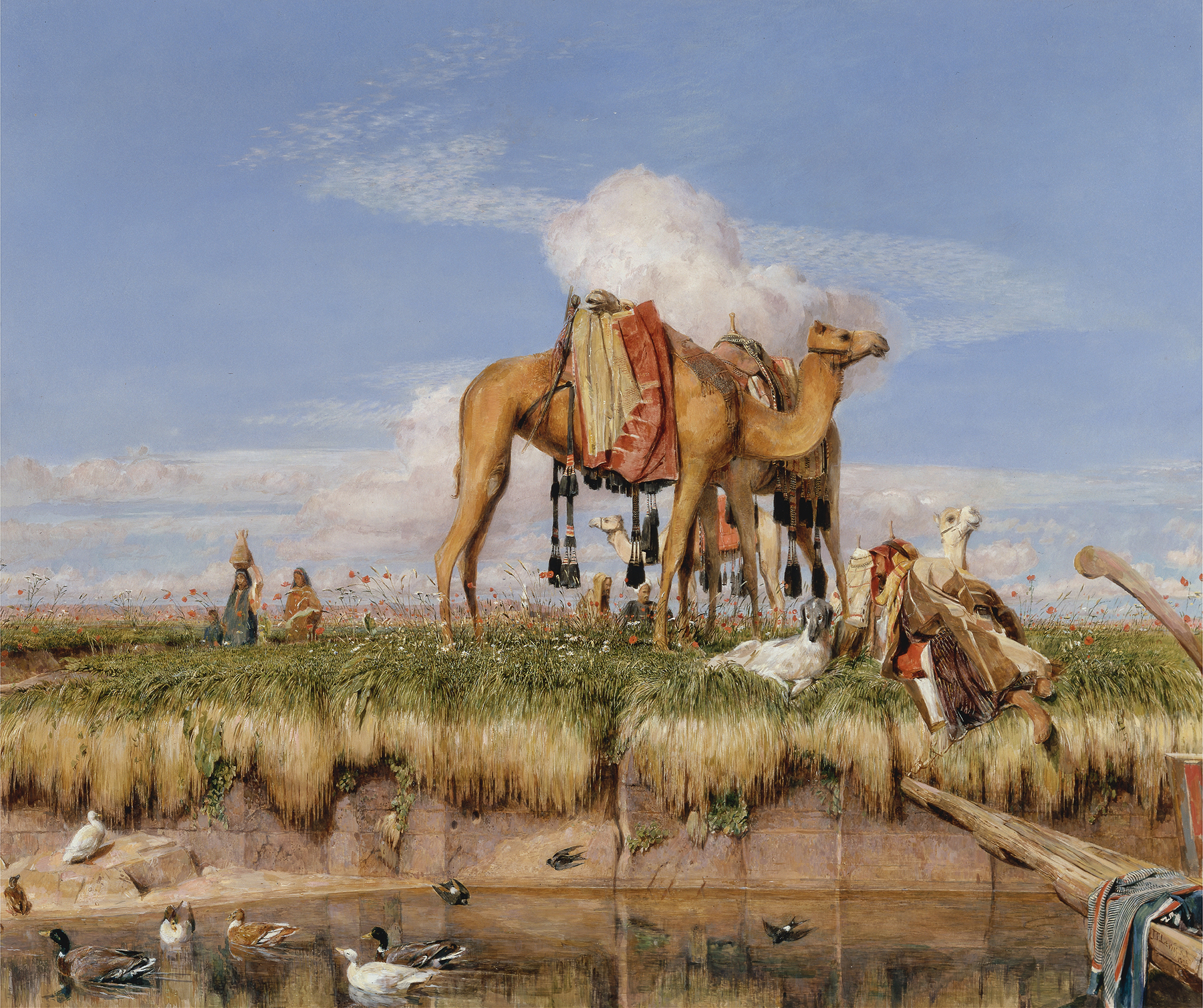
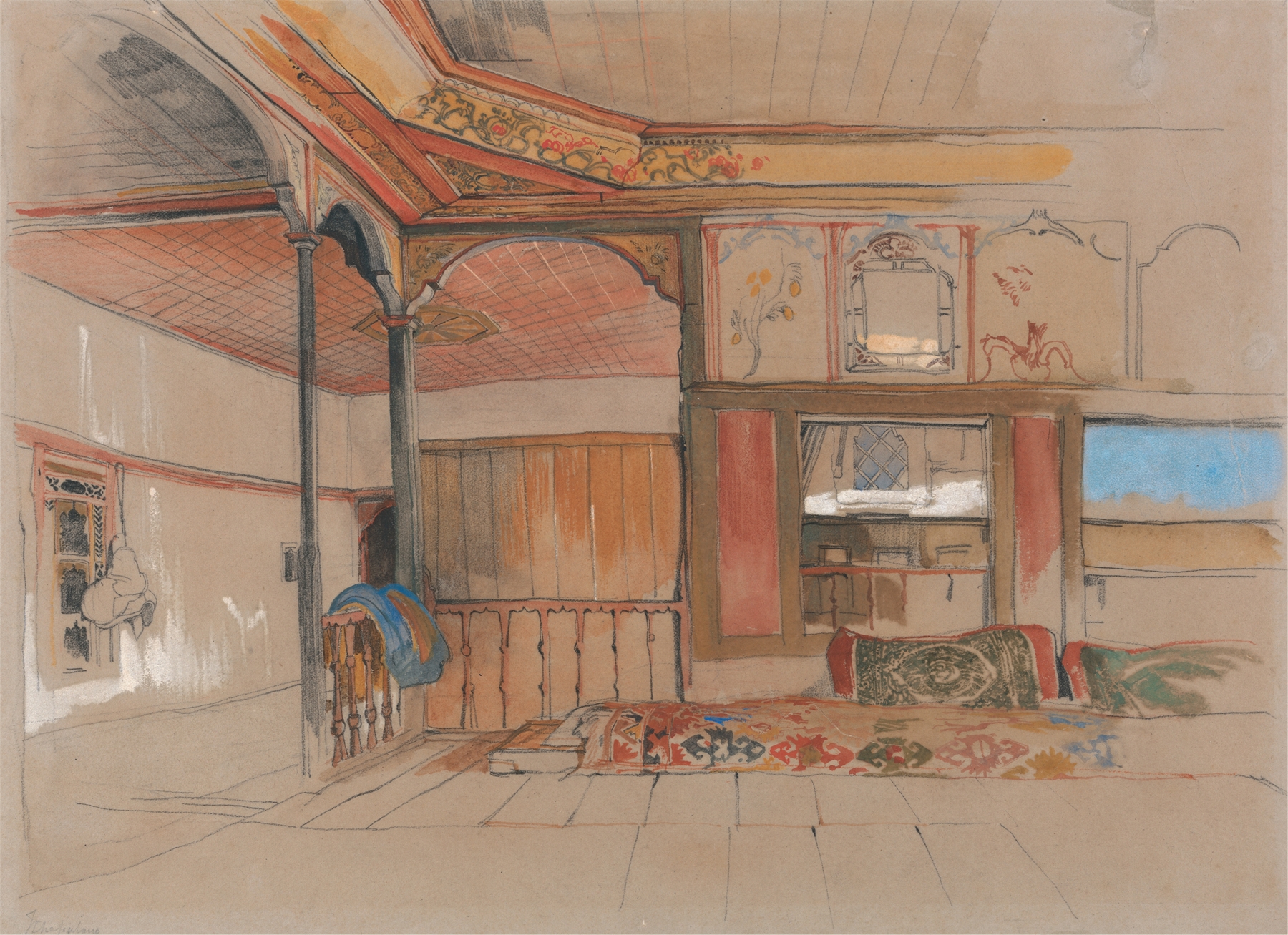
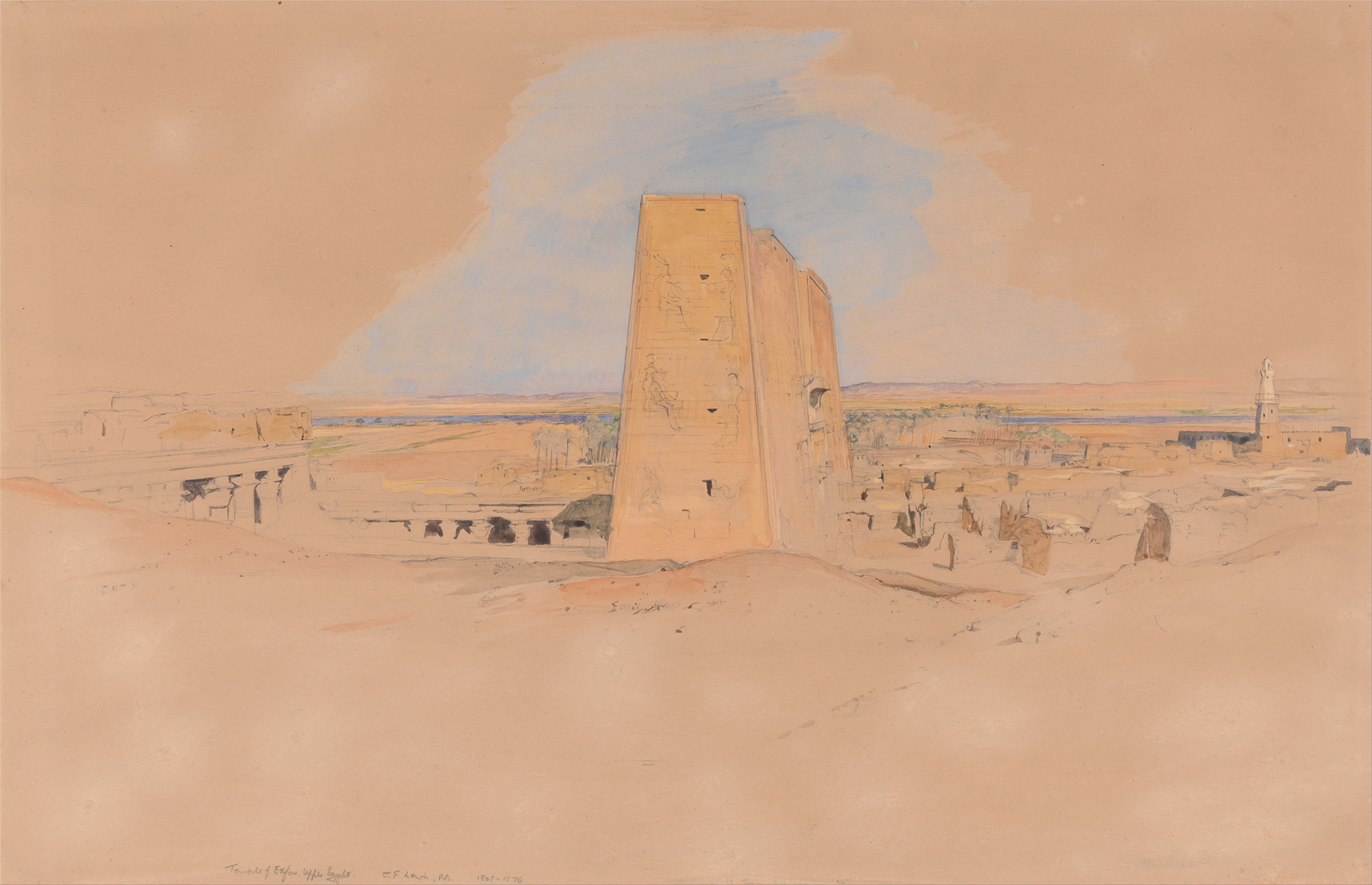
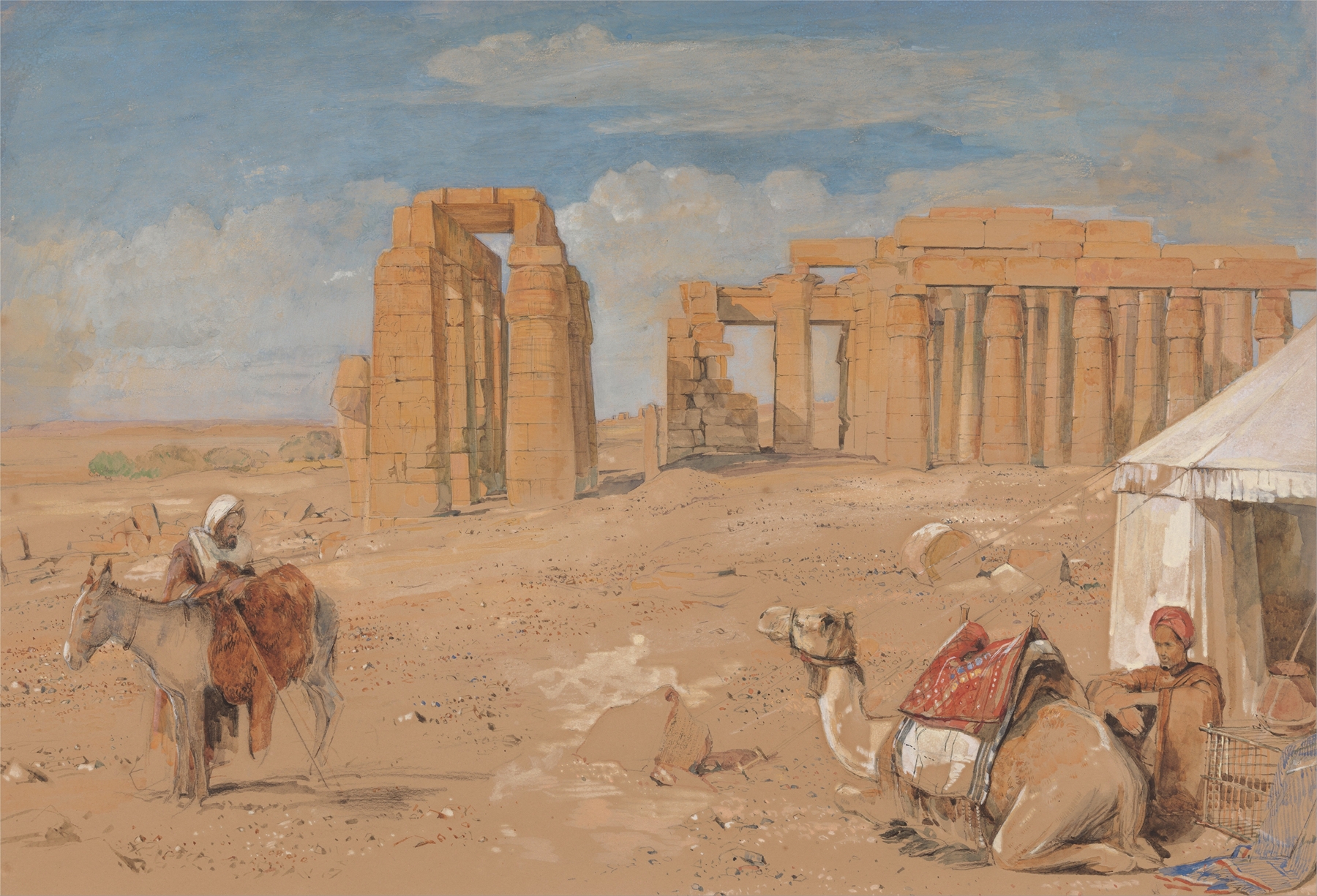
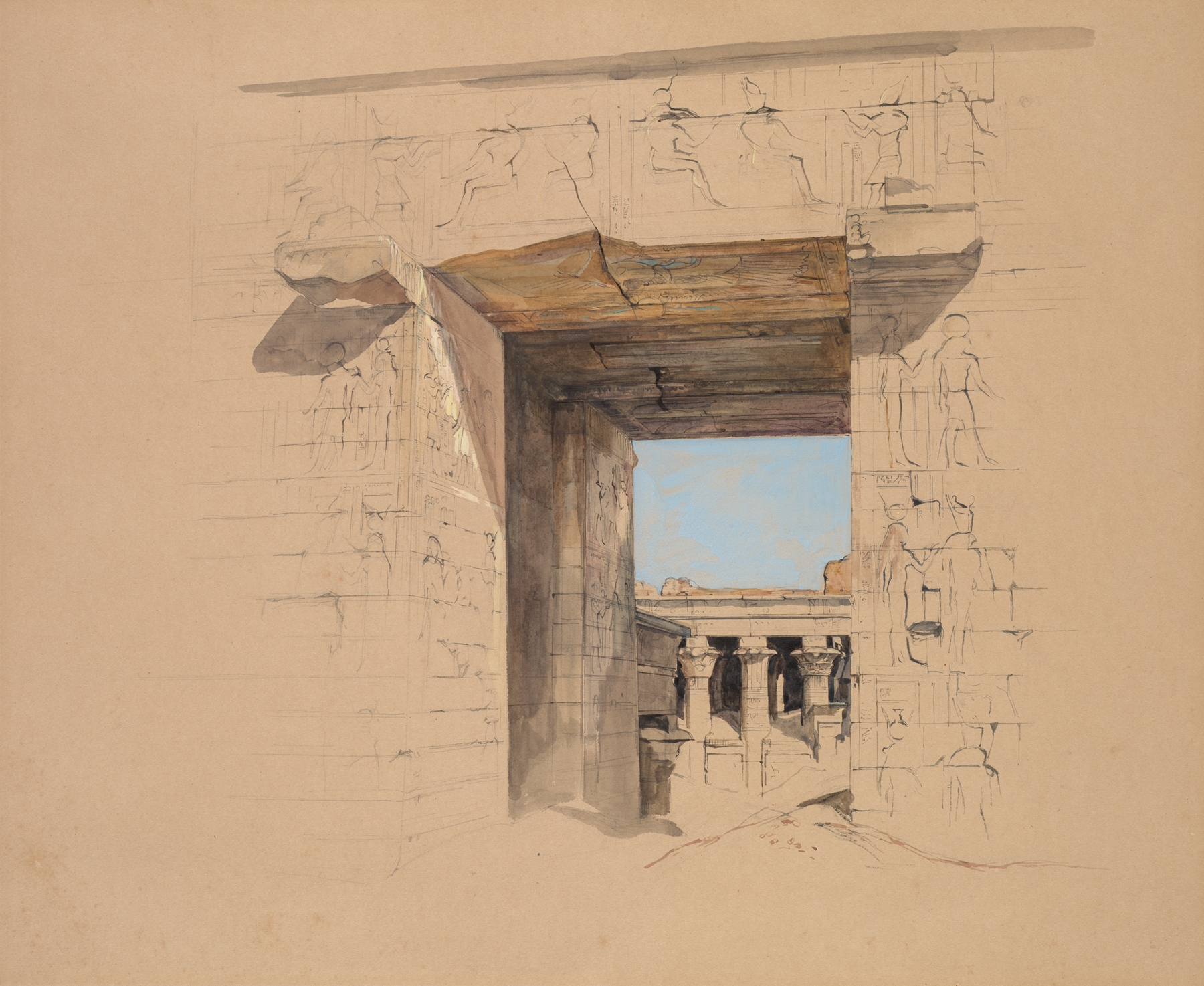
Where does light end, and longing begin? In John Frederick Lewis’s Sheikh el Belled; Kom Ombo, a palpable void resonates between the vibrancy of color and the stillness of the scene. Look to the left, where the sun spills over the ochre stone walls, casting intricate shadows that dance across the earthen floor. The delicate brushwork reveals the textures of the fabrics worn by the figures, each fold an echo of their stories.
Notice the rich blues and greens, interwoven with flashes of gold, drawing your gaze to the central figure, who seems both powerful and vulnerable, caught in a moment of contemplation. The interplay of light and shadow creates a rhythm that invites the viewer deeper into this captivating world. Hidden within the canvas are layers of emotional tension — the contrast of the warm, inviting colors against the stark emptiness of the background speaks to longing and solitude. The way the figures are arranged suggests a community, yet they stand apart, symbolizing the ephemeral connections of humanity.
This juxtaposition of richness against a void alludes to a deeper search for meaning, the yearning for connection amidst the vastness. In 1850, Lewis painted this work while residing in Egypt, immersing himself in the culture and landscape of the region. His time there was marked by a fascination with orientalism, reflecting both his artistic aspirations and the broader European interest in the exotic. The painting encapsulates this moment of discovery and translates it into a powerful visual narrative, bridging the artist's experiences with the viewer's imagination.