The Bezestein Bazaar, El Khan Khalil, Cairo — History & Analysis
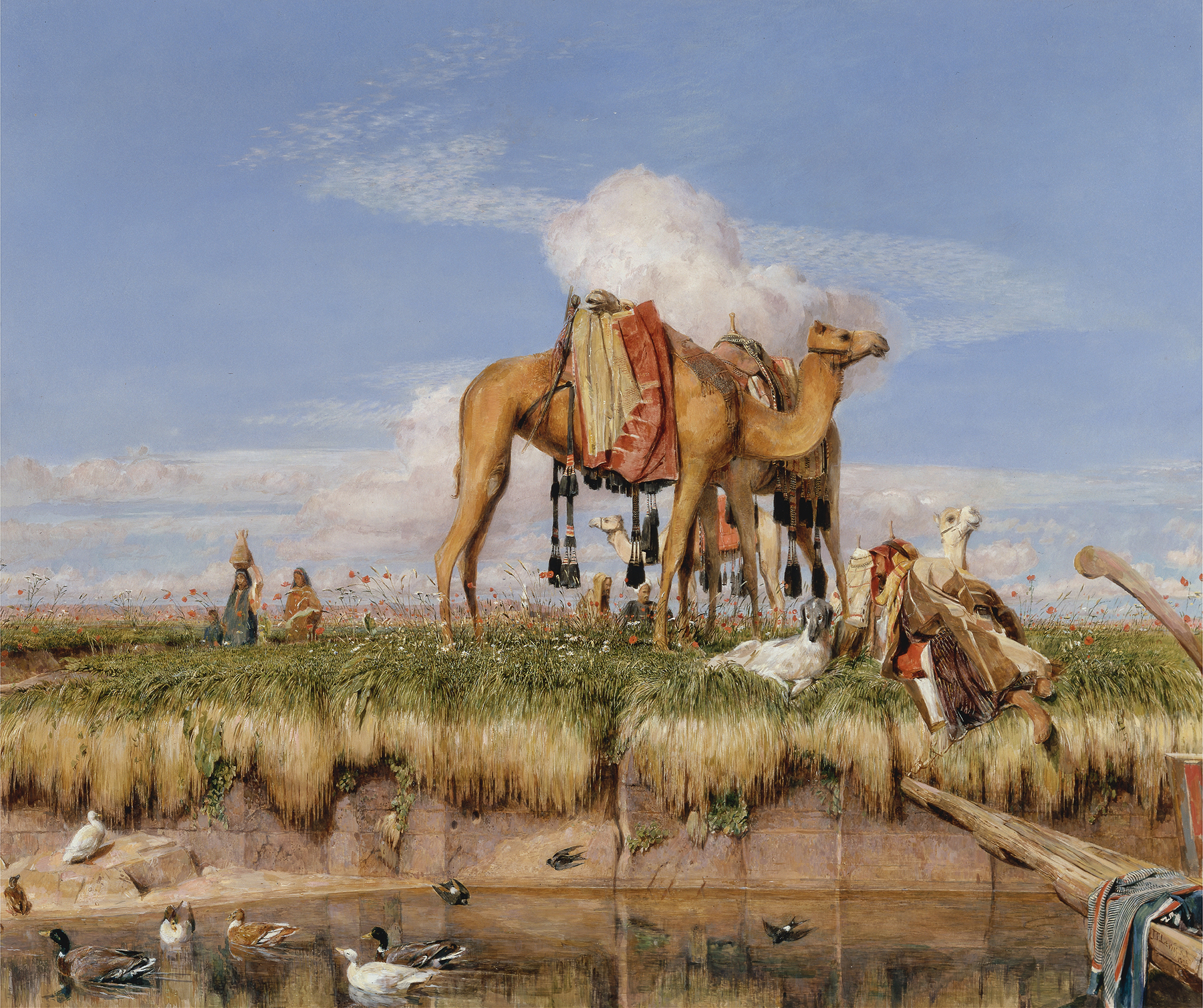
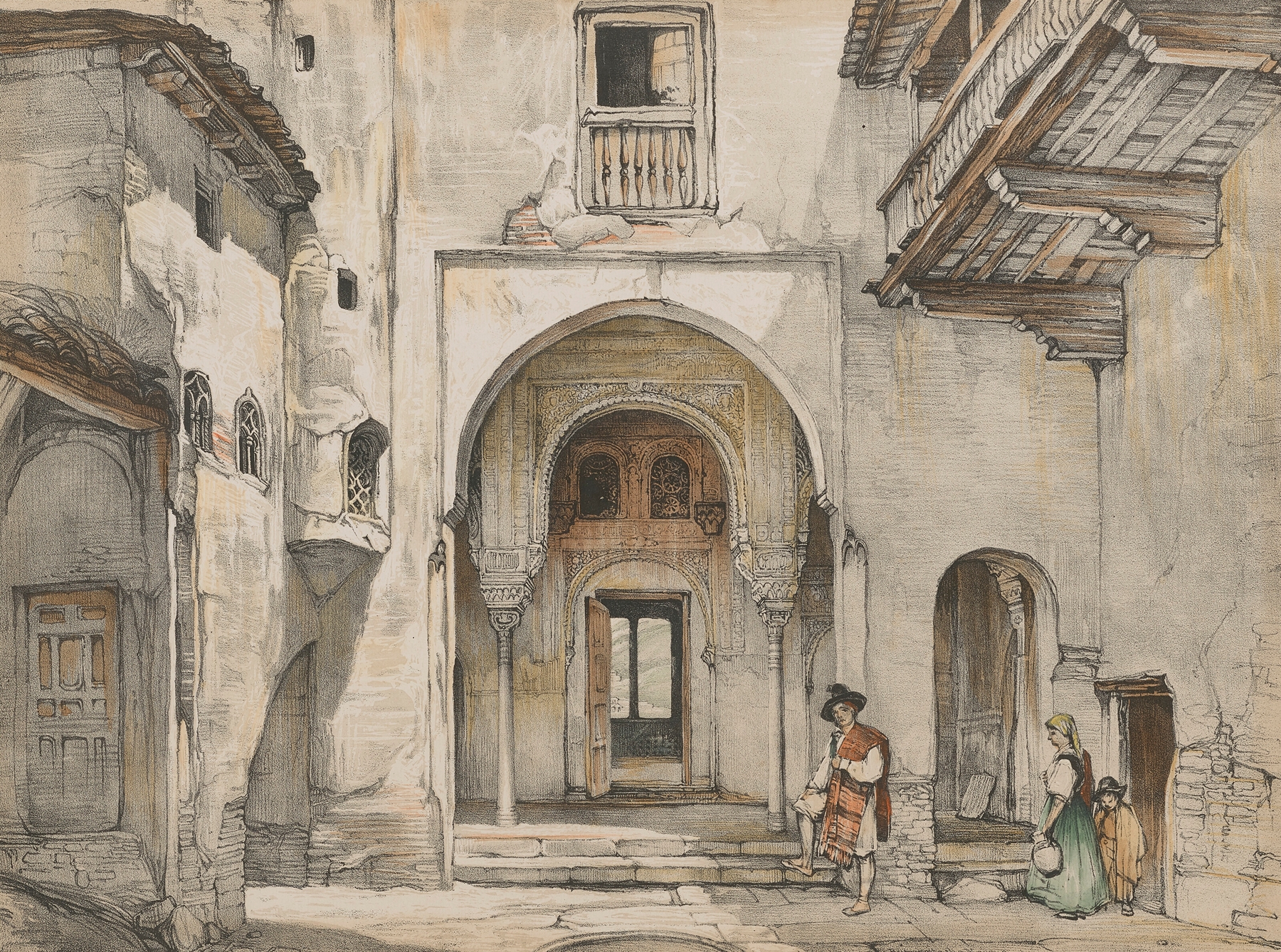
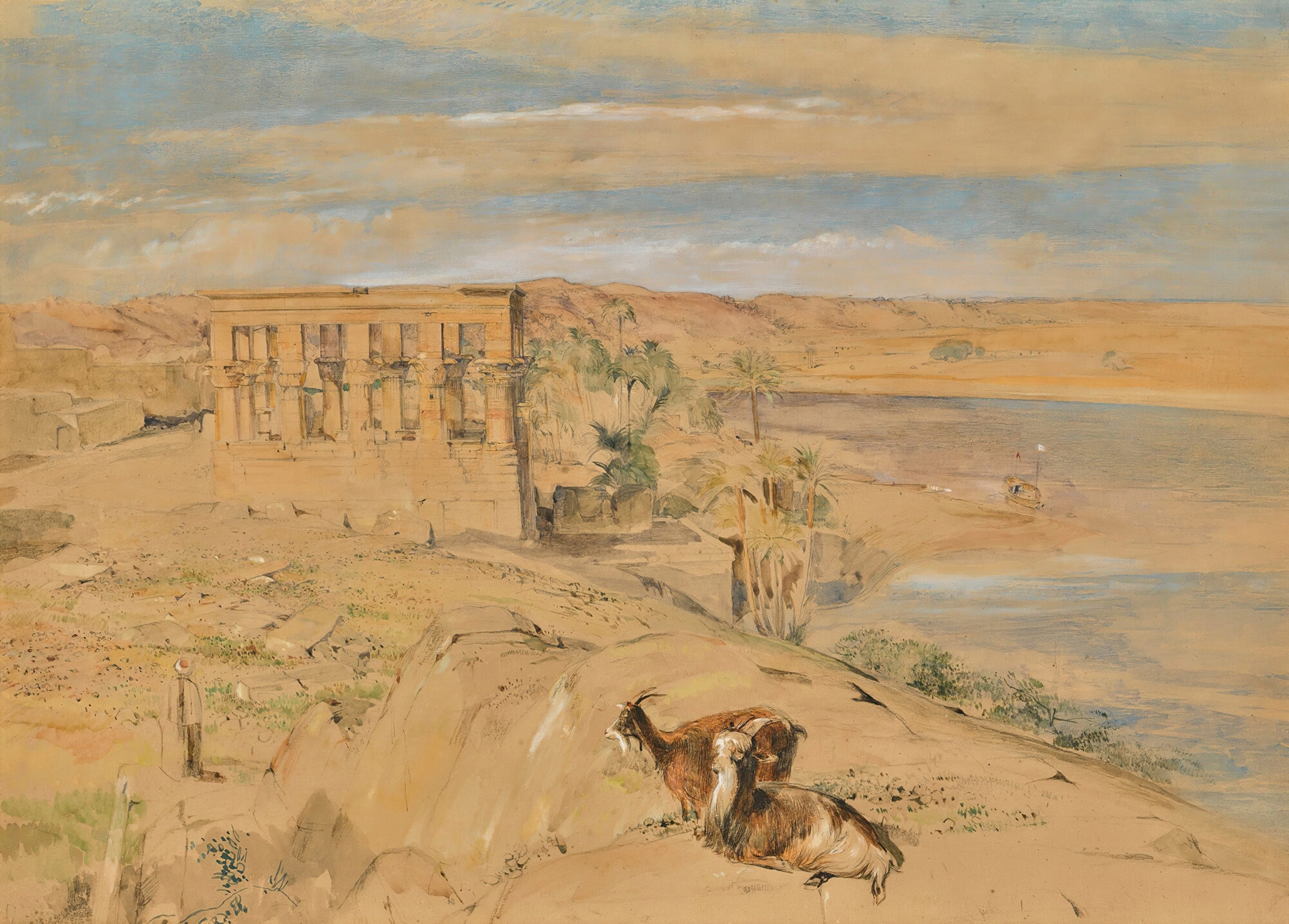
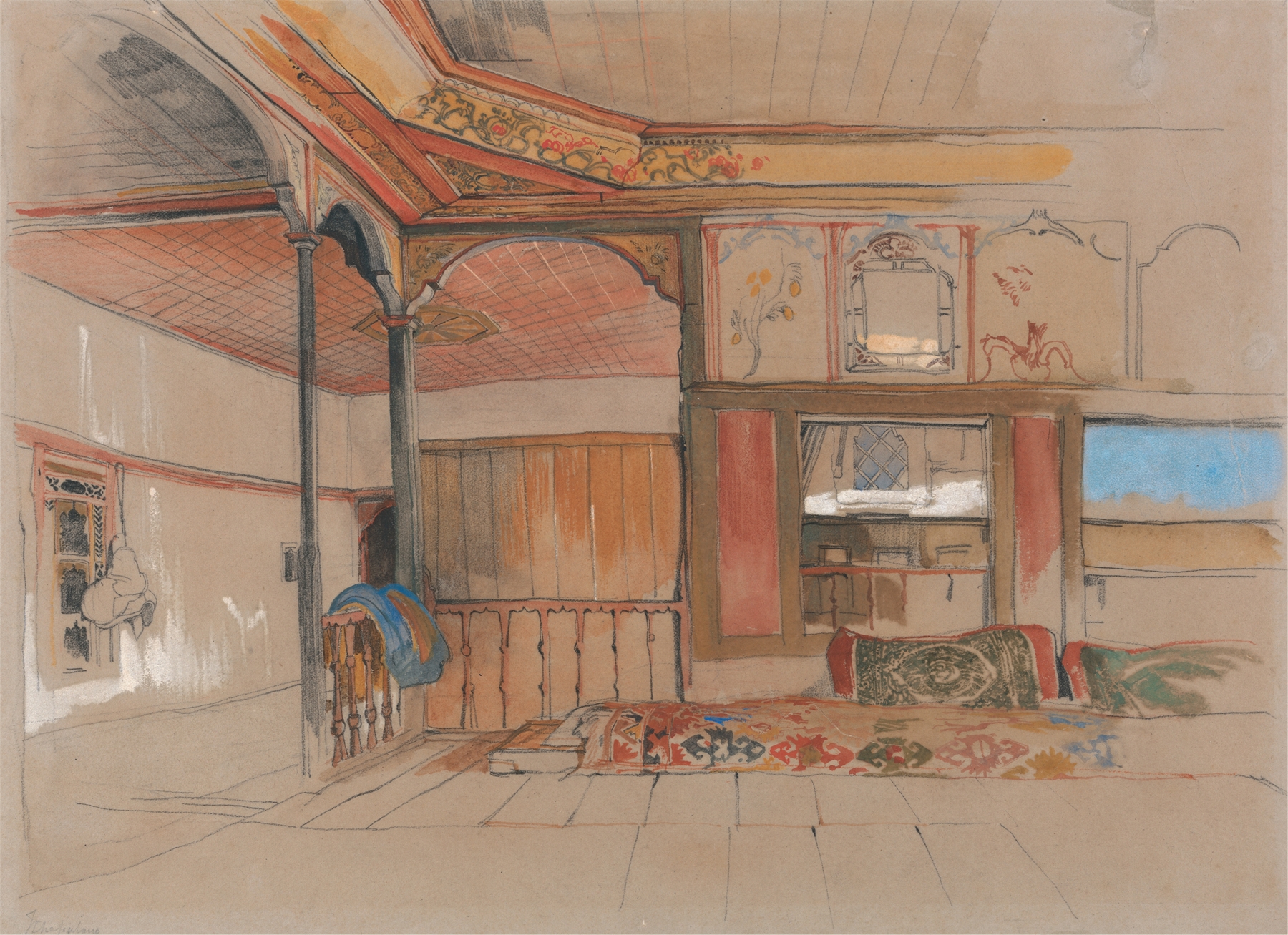
Is this a mirror — or a memory? The vibrant chaos of the Bezestein Bazaar envelops the viewer, a snapshot of a bustling market where past and present intertwine in the rich tapestry of life. Each figure, every trinket and fabric, speaks of stories lost, of moments that linger like whispers in the air. Look to the right at the intricately detailed stalls, where sumptuous fabrics drape like the veils of time itself. Notice how the light dances across the warm hues of the sand and the cool blues of the market wares, creating a vivid contrast that brings the scene to life.
The artist’s meticulous attention to texture and shadow invites the eye to wander, revealing a world teeming with life yet tinged with nostalgia. The figures, both active and contemplative, seem caught between commerce and reflection, their gestures hinting at deeper tales. Yet beneath the surface bustle lies a poignant introspection. The juxtaposition of the vibrant marketplace against the shadowy corners suggests an ever-present sense of impermanence. The delicate expressions of the market-goers capture the fragile beauty of everyday moments, hinting at unvoiced longing and the weight of memories borne silently on their shoulders.
Each vibrant color and every carefully placed object resonates with a sense of loss, as if the bazaar itself is a living testament to fleeting time. In 1843-44, while Lewis painted this work in Cairo, he was deeply immersed in the cultural exchange of the East and West. A traveler and observer, he sought to capture the essence of life in Egypt during a time when Europe was fascinated by Orientalism. The energy of the bazaar would reflect both his internal explorations and the external dynamics of colonialism and cultural identity, marking an important moment in his artistic journey.