Temple of Edfou, Upper Egypt — History & Analysis
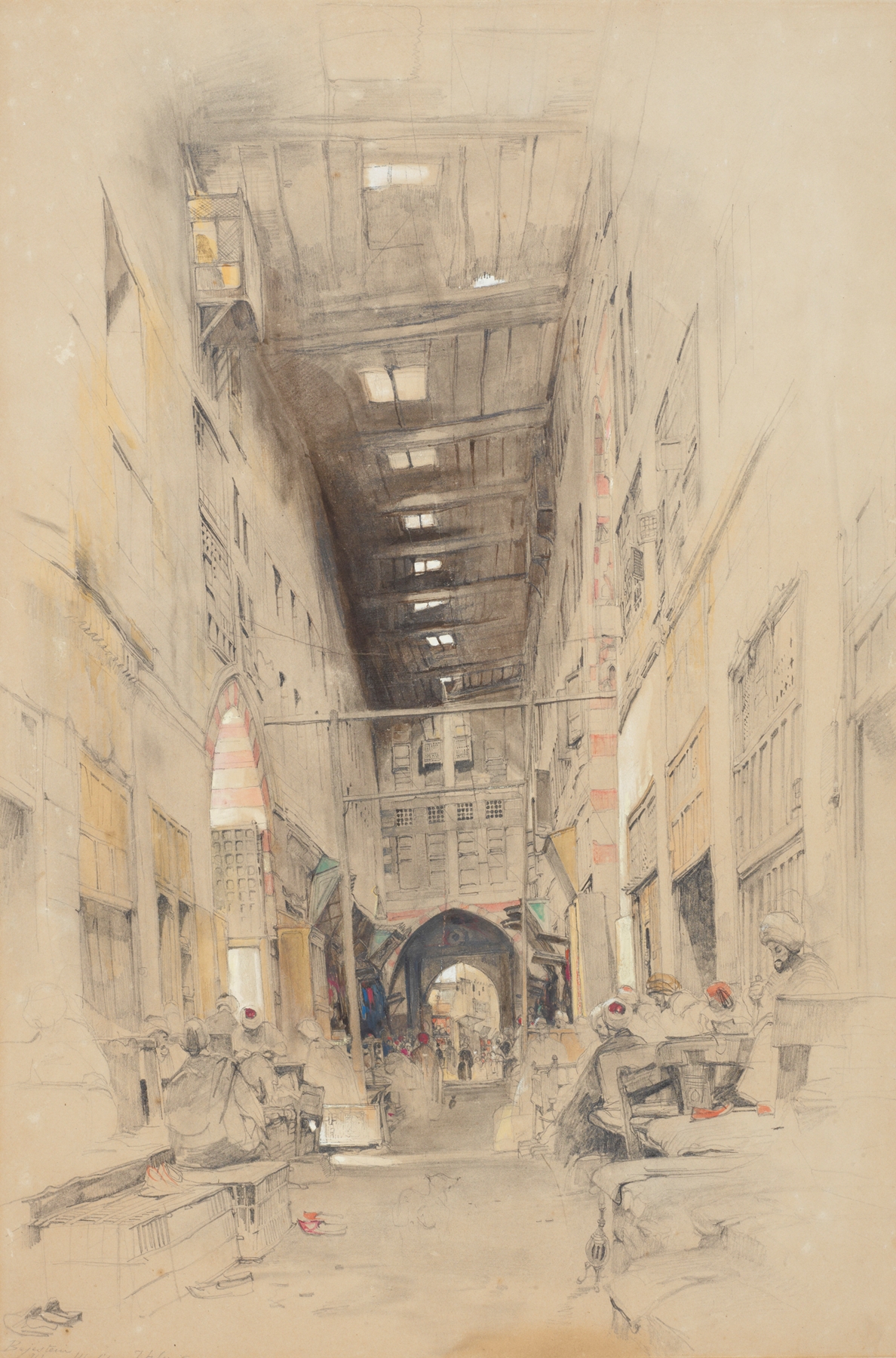
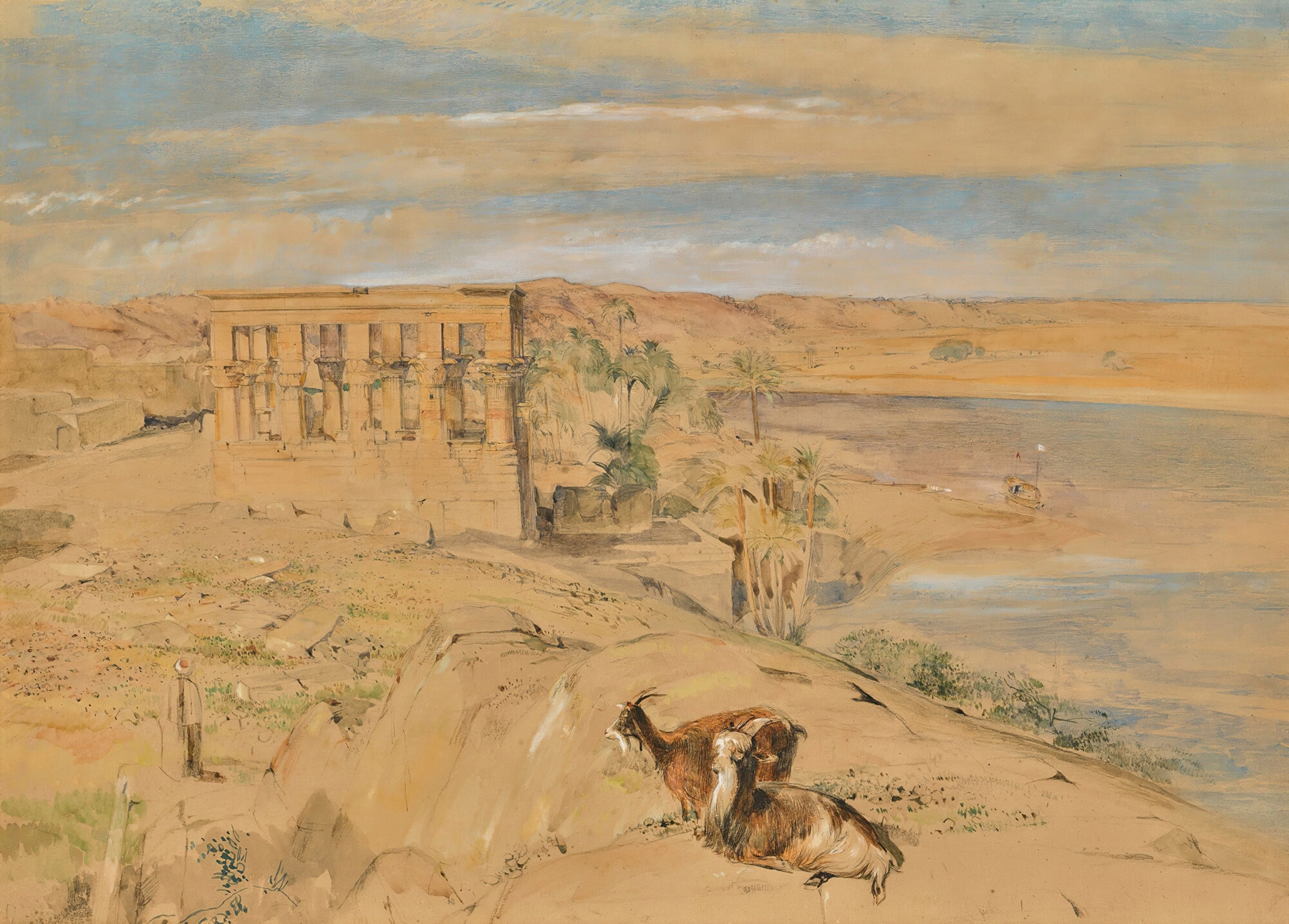
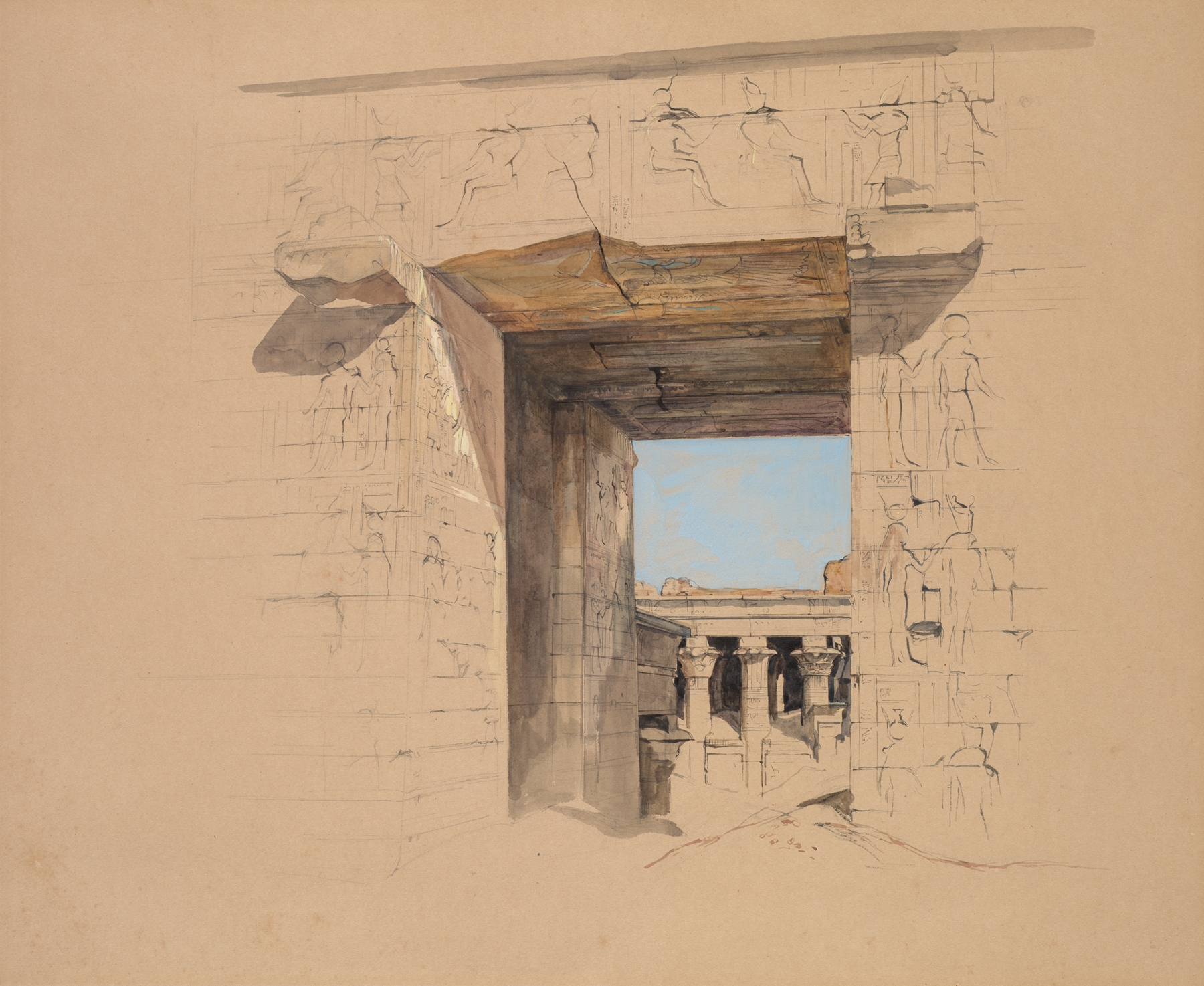
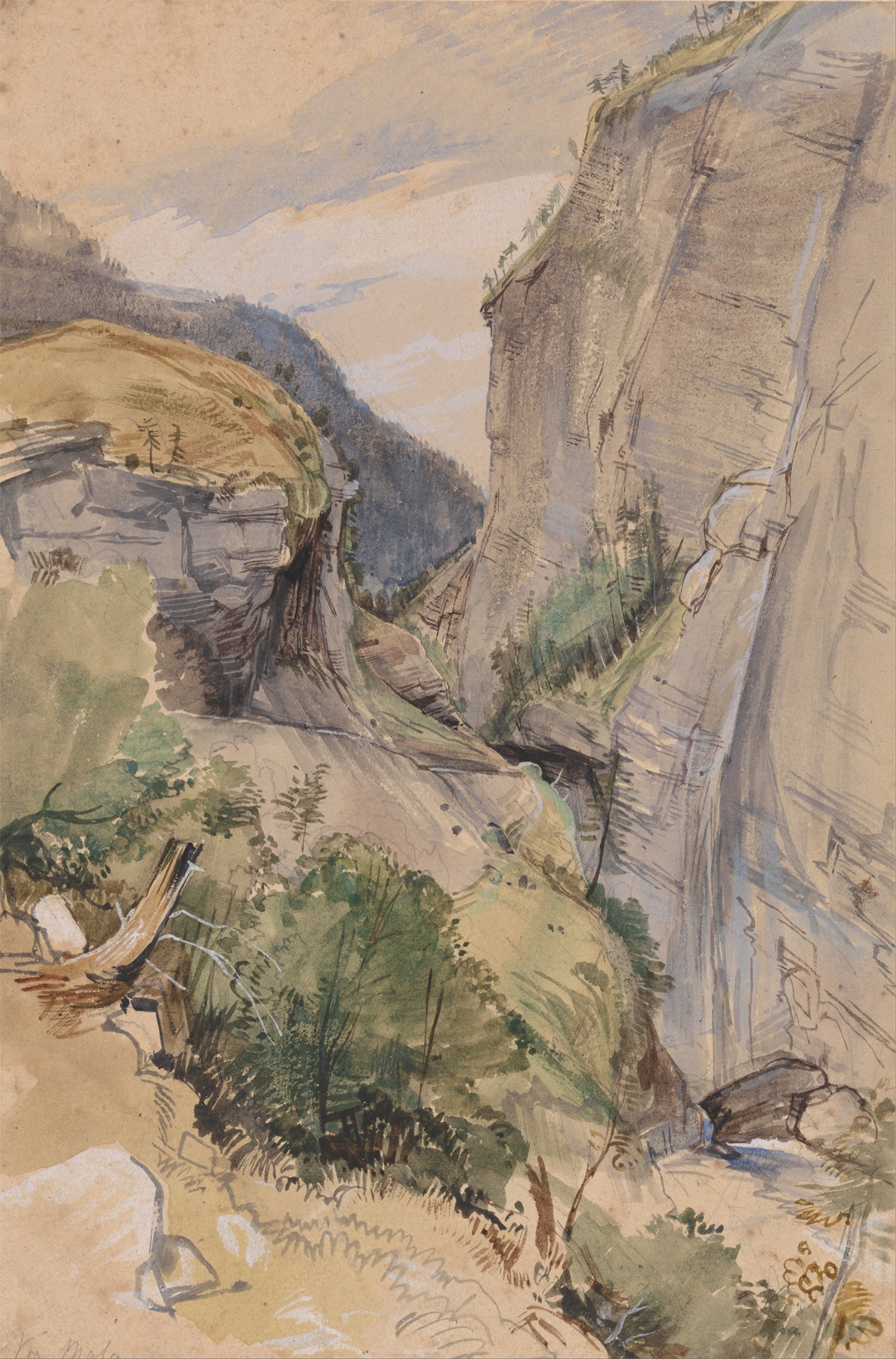
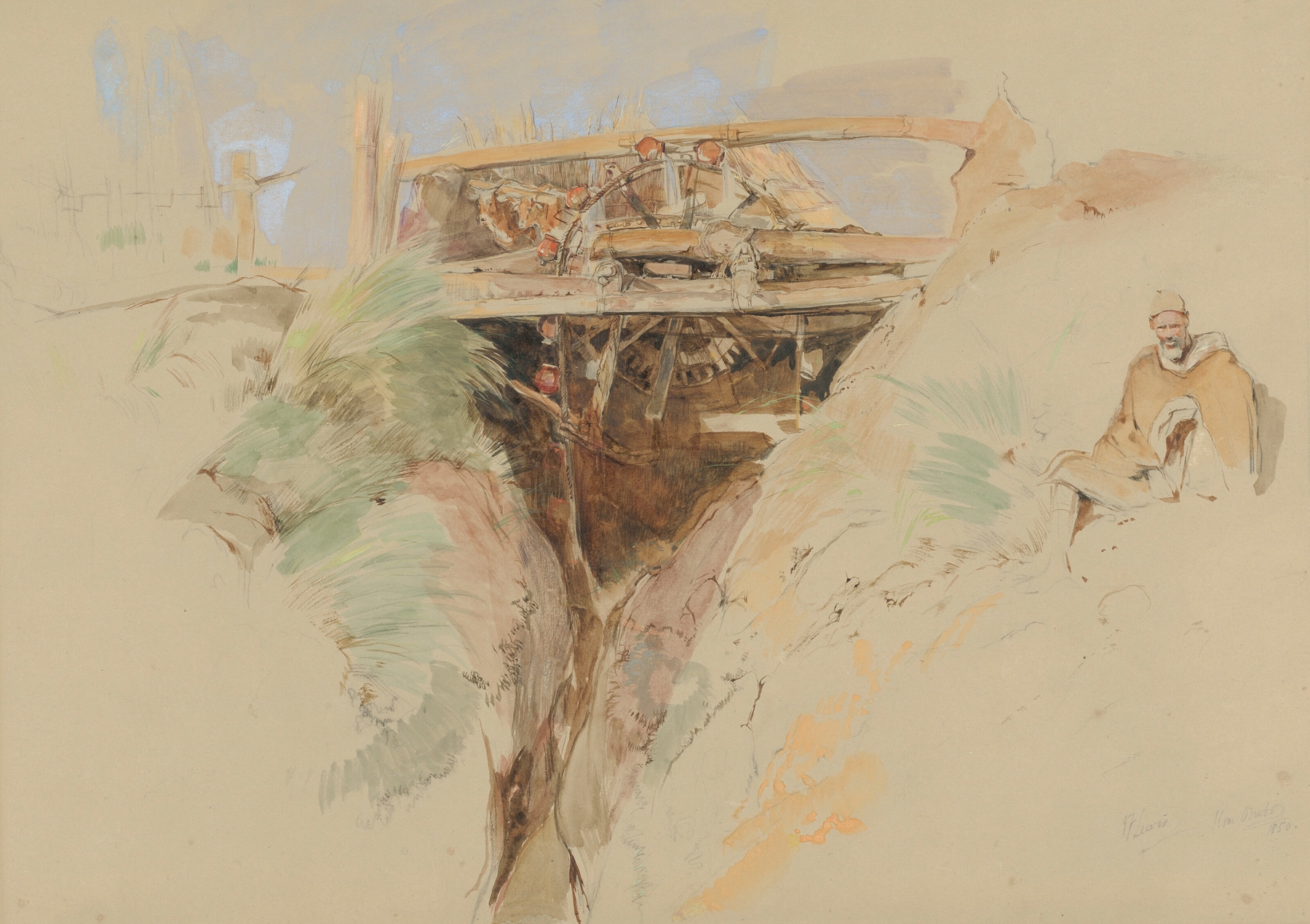
Could a single brushstroke hold eternity? In the silence of the Temple of Edfou, time stretches infinitely, revealing layers of emptiness that resonate within the viewer. Look closely at the intricate architectural details that adorn the temple walls; the meticulous lines and delicate textures draw your gaze deeper into the scene. The warm ochres and deep browns create a sense of warmth, while the contrasting cool shadows invite contemplation. Notice how the light dances gently across the surfaces, illuminating the carvings yet leaving some areas in quiet obscurity.
This play of light and shadow evokes a serene yet haunting atmosphere, suggesting the passage of centuries. As you explore further, consider the juxtaposition of grandeur and desolation. The grandeur of the temple stands as a testament to human ambition, yet the emptiness surrounding it hints at the inevitable decline of civilizations. Small figures in the foreground appear dwarfed by the towering structure, emphasizing humanity's fleeting presence against the backdrop of eternity.
The painting captures not only the beauty of the architecture but also the poignant reminder of impermanence. John Frederick Lewis painted this work during a time of artistic exploration in the mid-19th century, specifically in the heart of Victorian England. Influenced by his travels to the Middle East and North Africa, he sought to capture the exotic landscapes and architectural marvels that inspired him. The era was marked by a fascination with ancient cultures and a burgeoning interest in realism, as artists like Lewis strived to bring their experiences to life on canvas, bridging the gap between the past and the viewer's present.