The Hypaethral Temple At Philae, Upper Egypt — History & Analysis
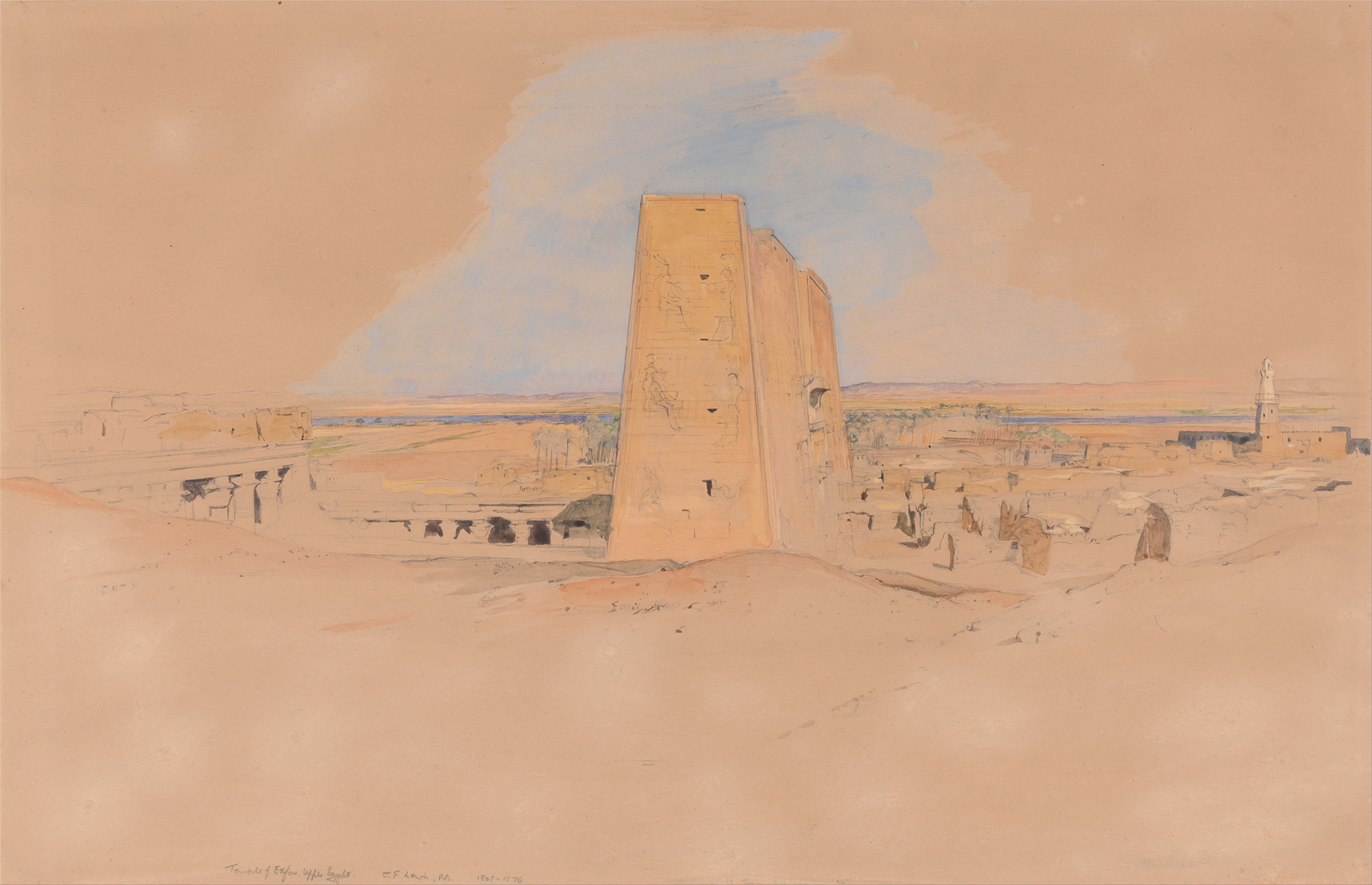
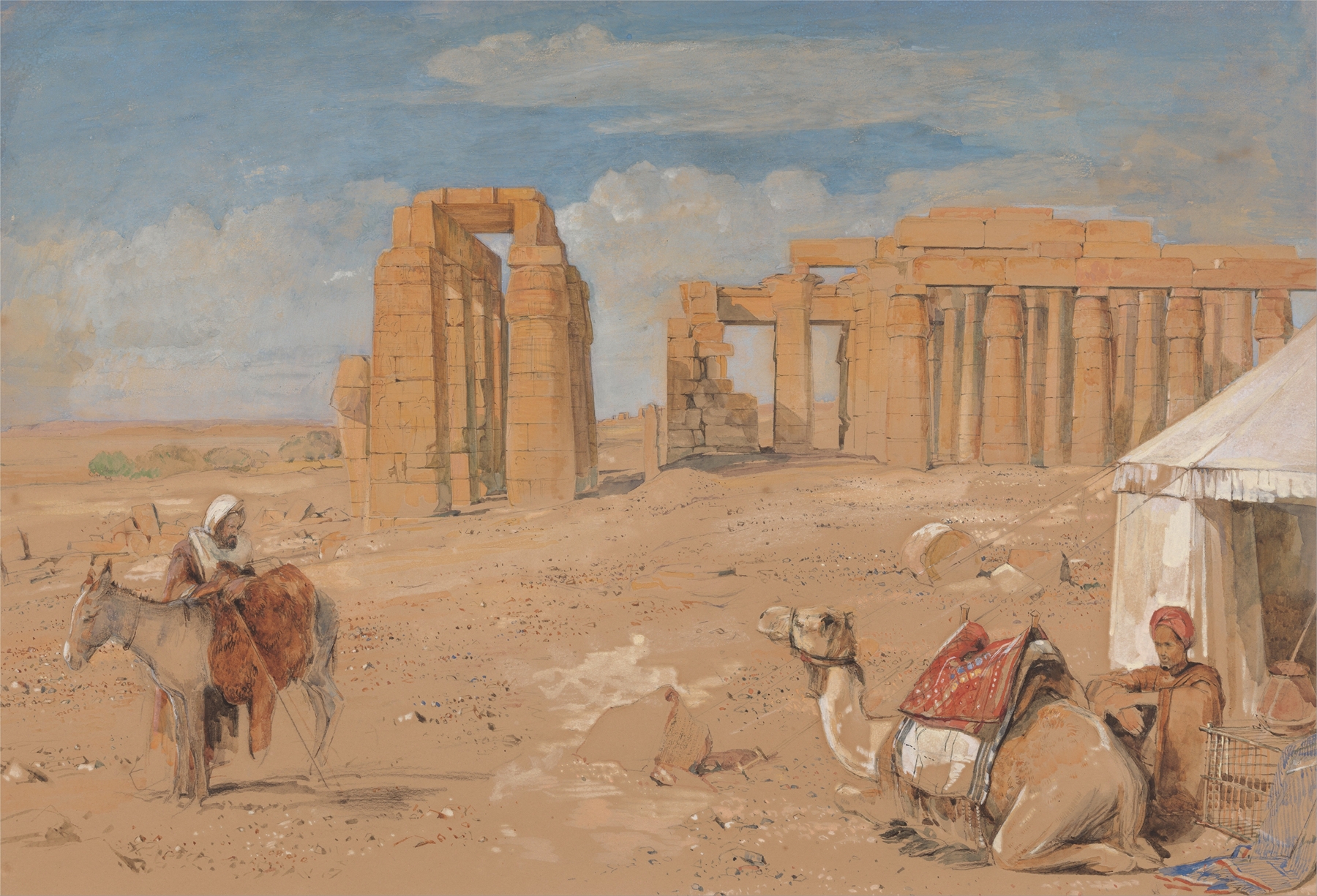
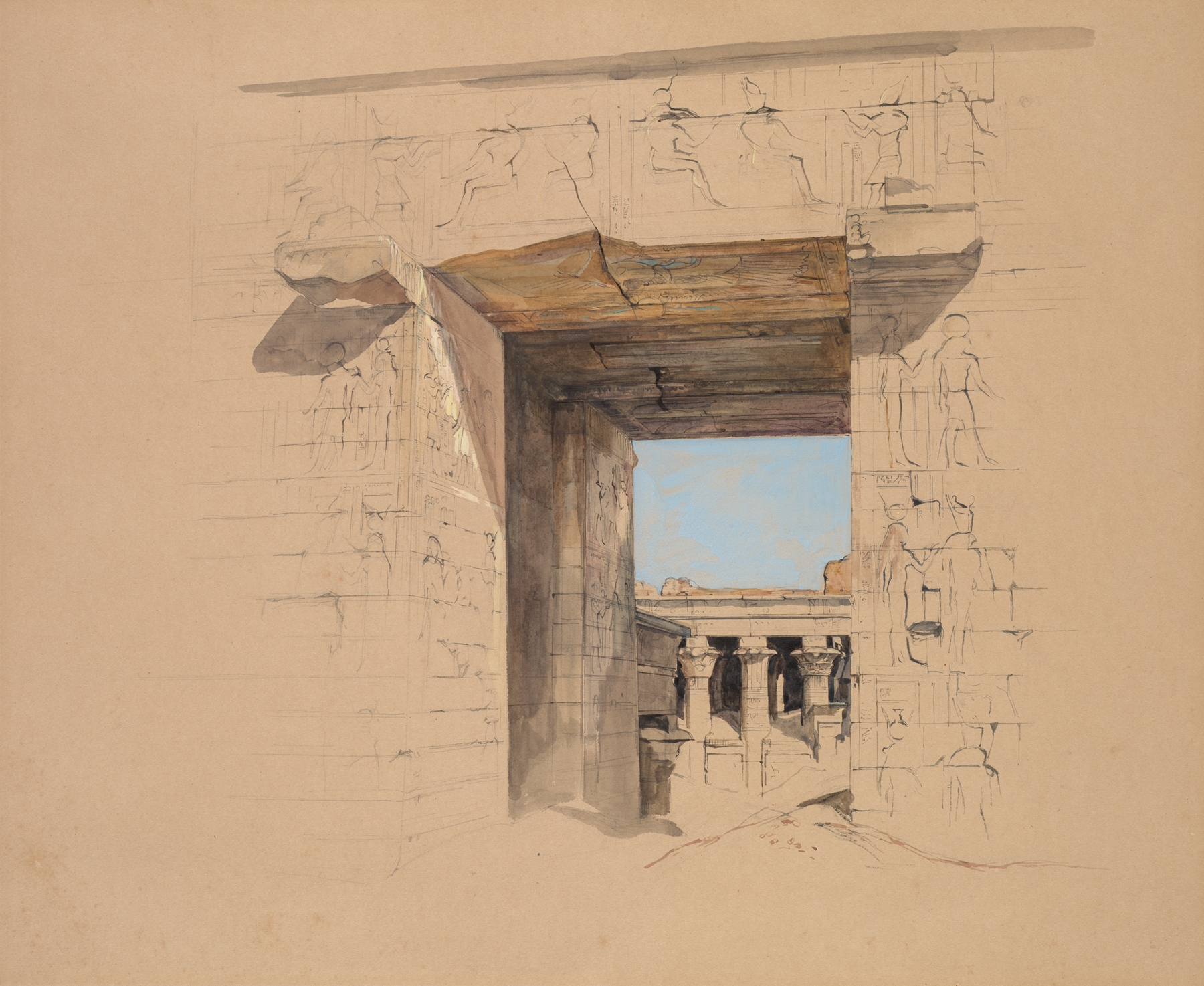
“Every brushstroke is a heartbeat remembered.” In the quiet aftermath of loss, we find ourselves yearning for the echoes of what once was, a sentiment that reverberates through the canvas. Look to the center at the grand temple, its ancient stones bathed in an ethereal glow that seems to transcend time. The delicate interplay of light and shadow highlights the intricate carvings and hieroglyphs, inviting you to trace the narratives of a forgotten era. The muted palette of ochres and earthy tones evokes a sense of nostalgia, while the surrounding lush greenery whispers tales of life amidst ruins, merging the vitality of nature with the solemnity of human achievement.
Within the composition, contrasts emerge — the permanence of stone against the ephemeral nature of human endeavors. The vibrant foliage encroaching on the temple suggests the relentless passage of time, where nature reclaims its dominion over human artistry. There’s a palpable tension between decay and resilience, as the temple stands as a monument to both grandeur and mortality, insinuating an unspoken story of reverence and loss that resonates with every detail.
John Frederick Lewis created this evocative piece in the mid-19th century, during a period of great fascination with Egypt among Western artists. His travels and experiences in the region fueled a longing for the exotic, yet his work also reflected a profound respect for the cultural heritage he encountered. In this time of colonial exploration, he sought to capture the beauty and significance of ancient sites, immortalizing them in paint while the world around them rapidly changed.