The Via Mala — History & Analysis
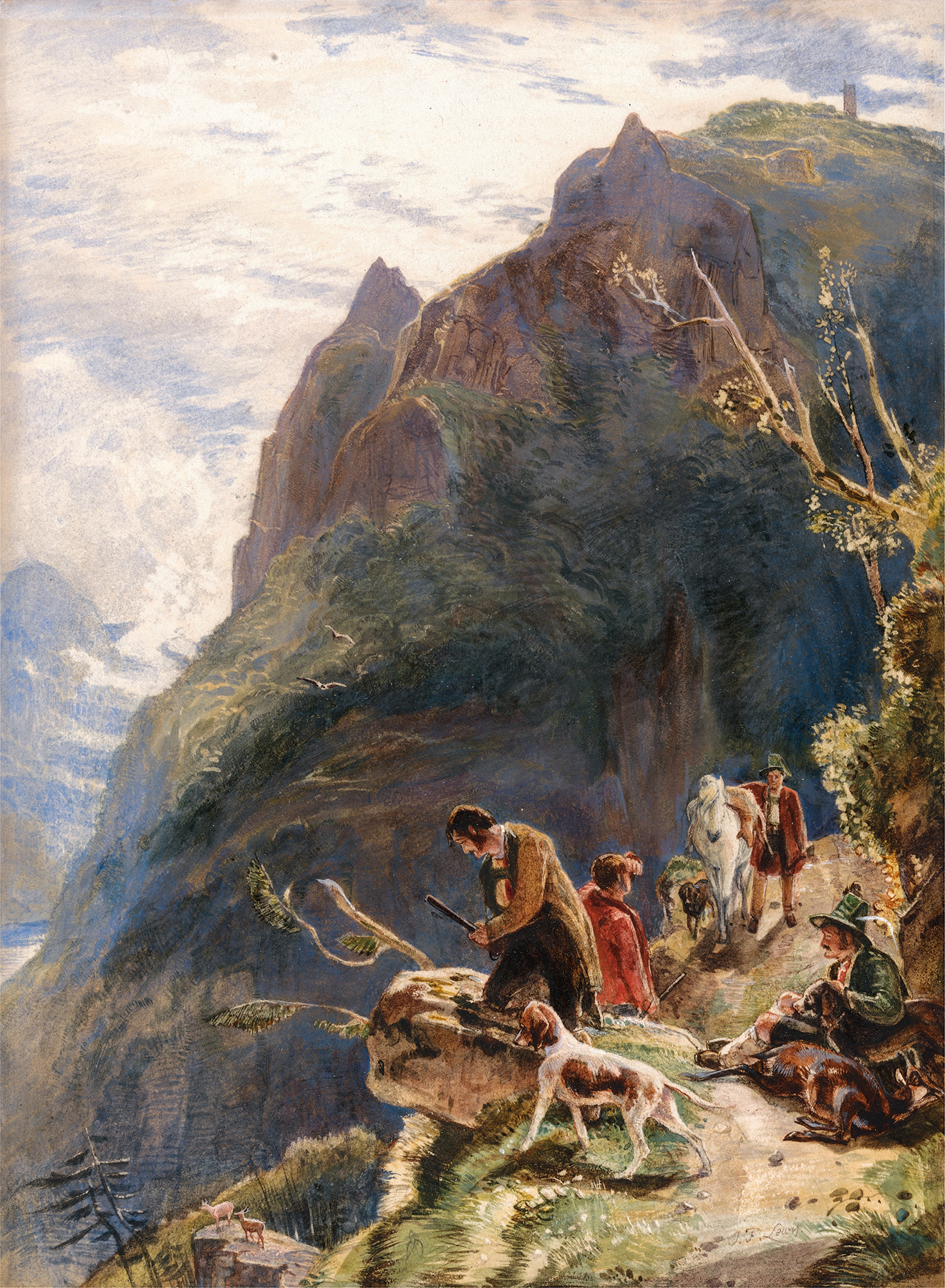
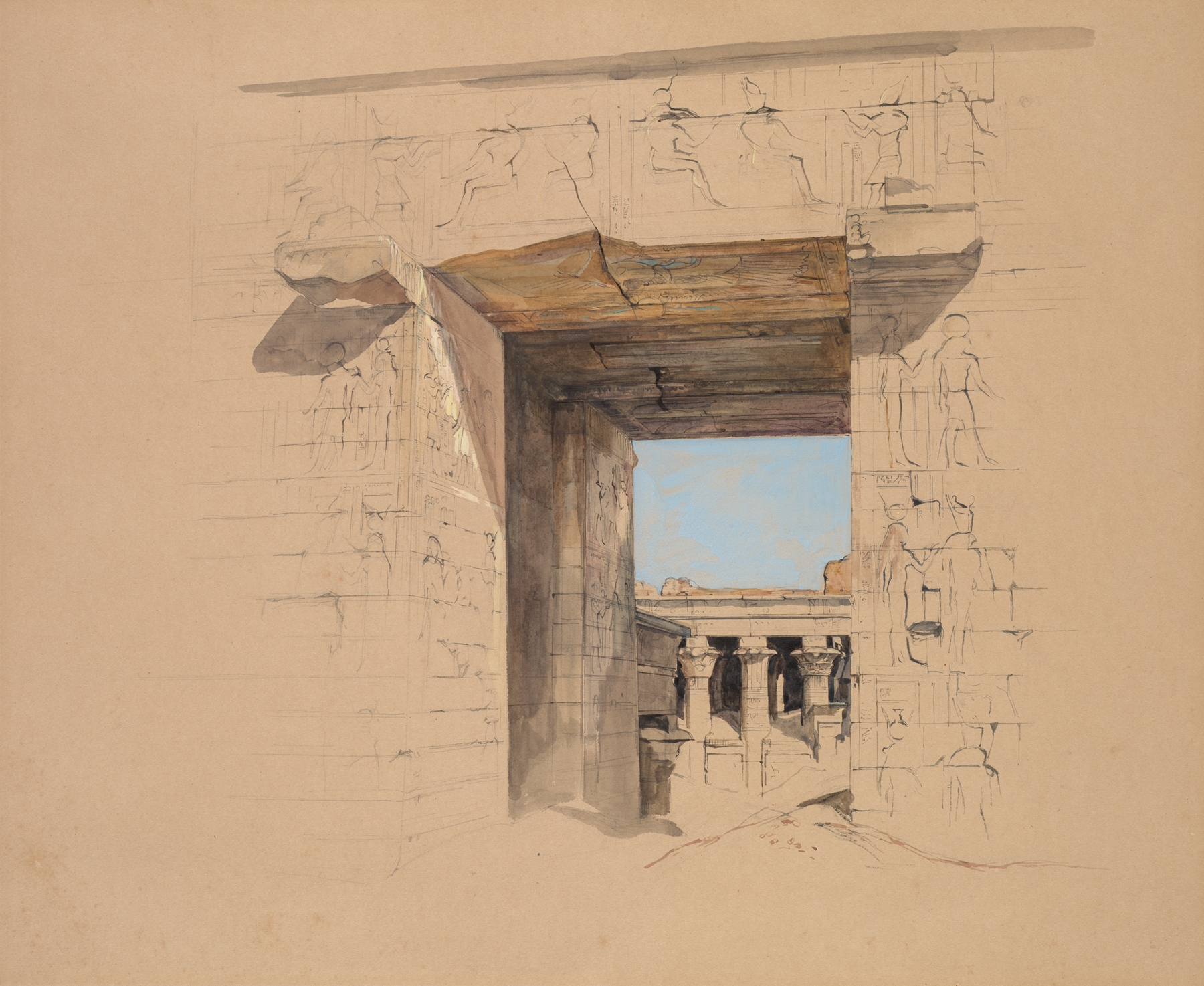
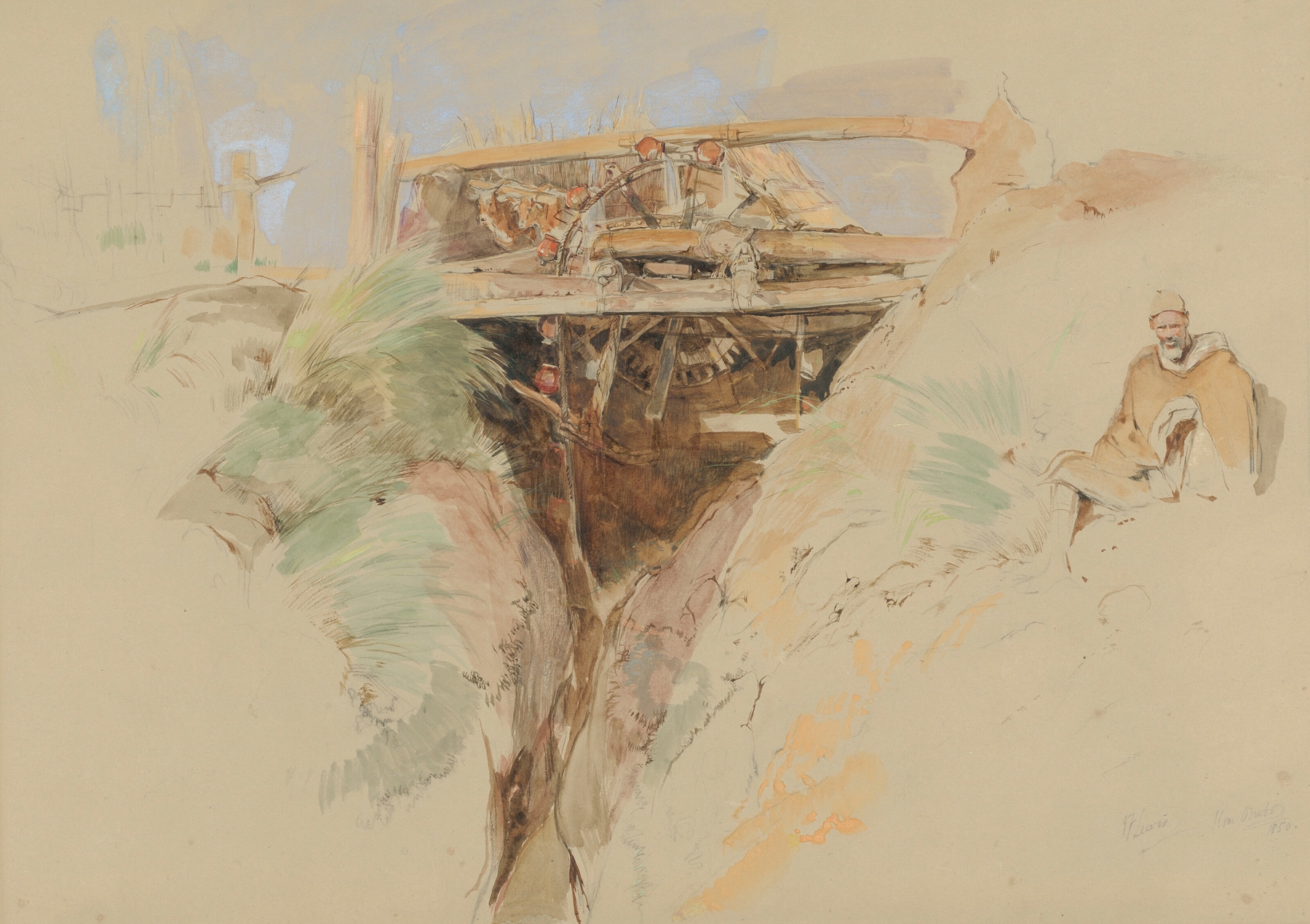
“Sometimes beauty is just pain, disguised in gold.” The allure of nostalgia often masks the bittersweet twinge of longing that accompanies it. In The Via Mala, this concept resonates deeply, inviting the viewer to confront their own experiences of beauty intertwined with sorrow. Look to the center of the painting, where a winding path cuts through a rugged landscape, framed by steep cliffs. The artist’s meticulous attention to detail breathes life into every brushstroke; the shimmering gold tones of the sunlight filter through the narrow valley, casting soft shadows that dance across the rocky terrain.
Observe the figures journeying along the treacherous trail, their presence both fragile and resilient against the backdrop of nature’s majestic yet menacing embrace. The contrasts in this work are striking: the harshness of the cliffs juxtaposed with the warmth of the sun creates an emotional tension that invites reflection. Each figure seems to carry their own burden, suggesting that their passage through this daunting landscape mirrors an internal, perhaps emotional struggle. The winding path echoes the complexities of memory, where moments of beauty often coexist with the weight of past experiences, hinting at the nostalgia that lingers in the human experience.
John Frederick Lewis painted The Via Mala during a period marked by his fascination with travel and foreign cultures, likely in the mid-19th century. Living in London after extensive travels in the Middle East, he sought to capture the essence of exotic landscapes, while also grappling with the changing world of Victorian art. His work emerged during a time when artists began to explore deeper emotional themes, melding romanticism with a desire for realism, and leaving a lasting impact on the narrative of landscape painting.