The Temple of Edfu; The Door of the Pylon — History & Analysis
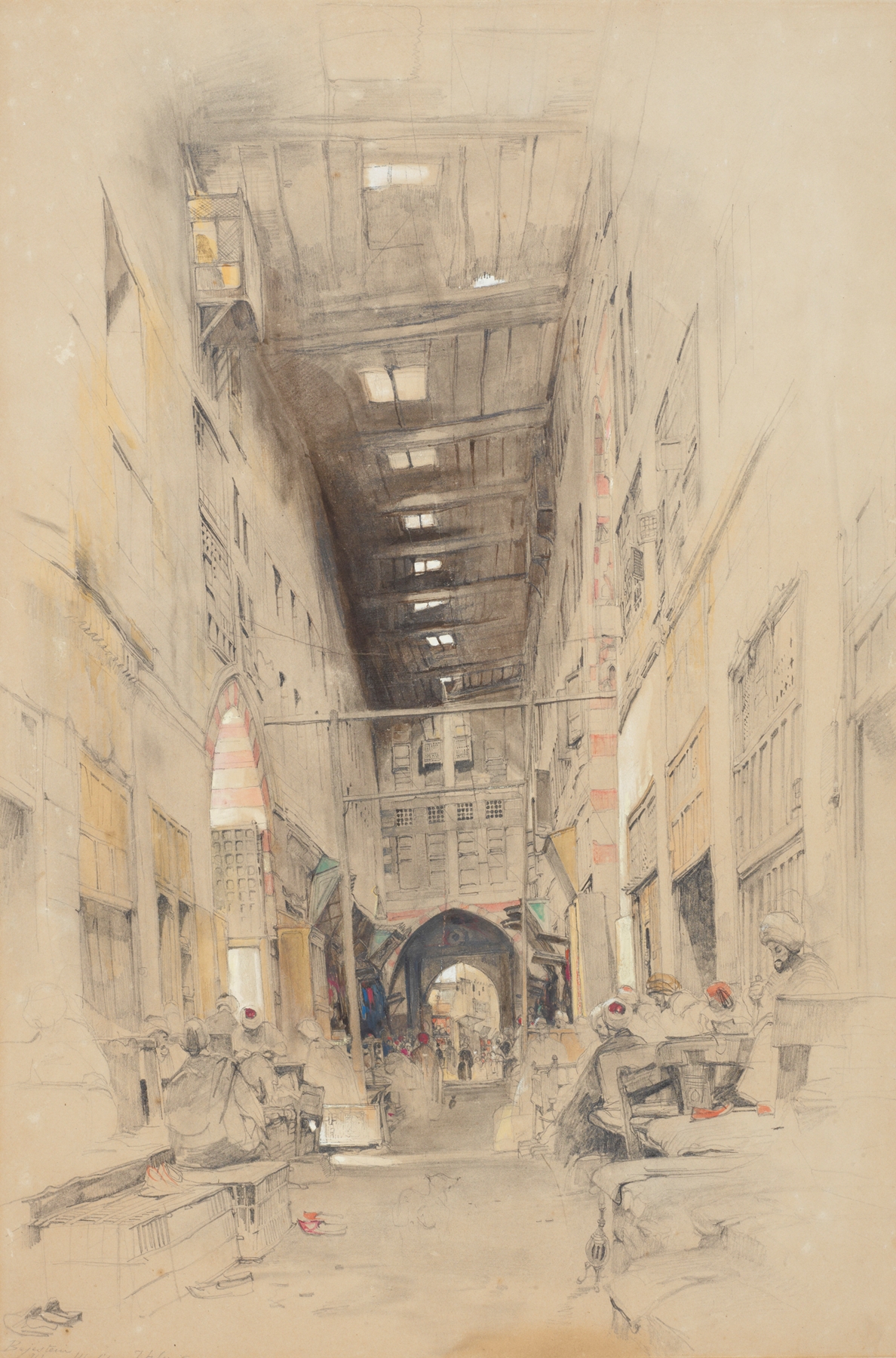
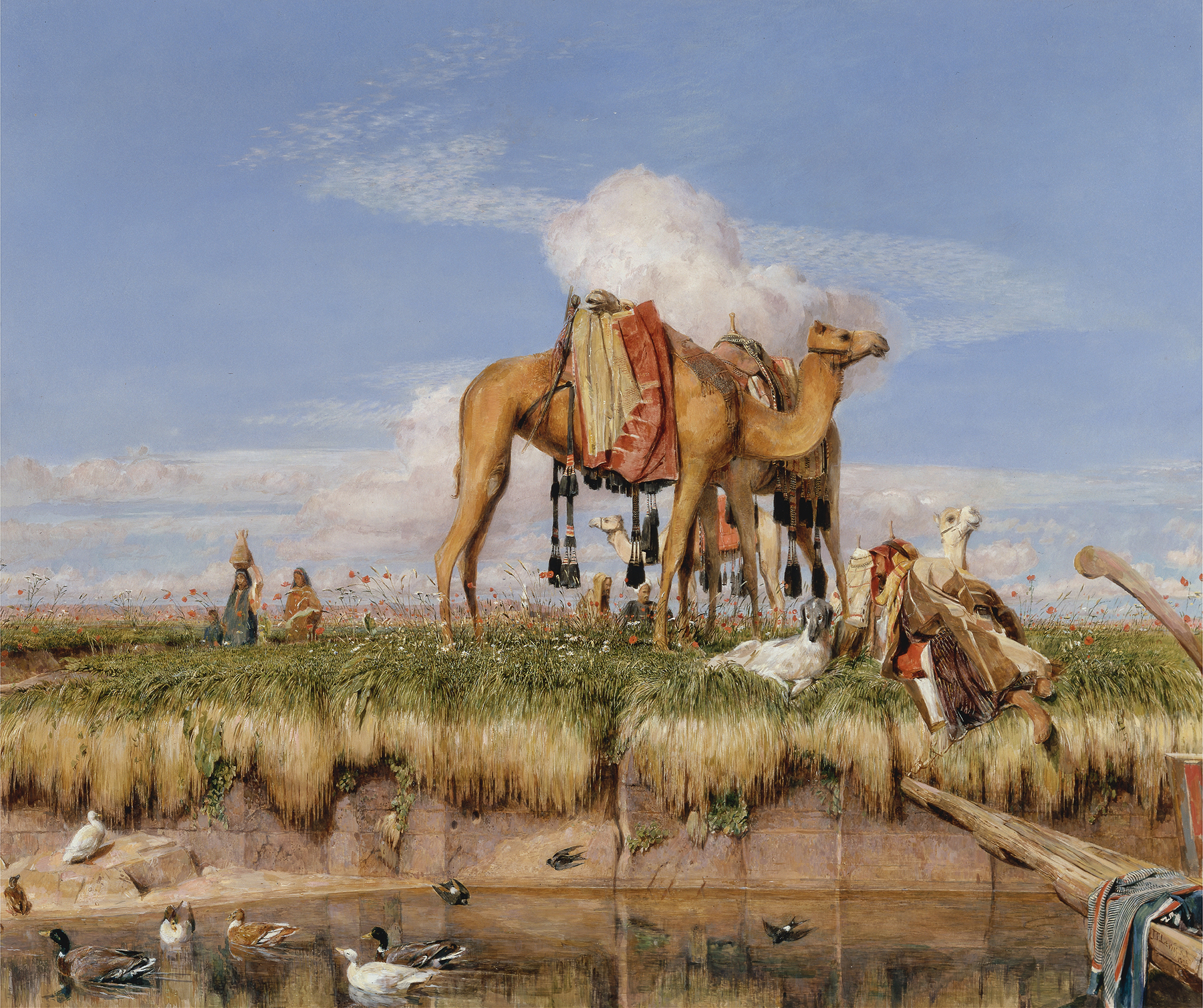
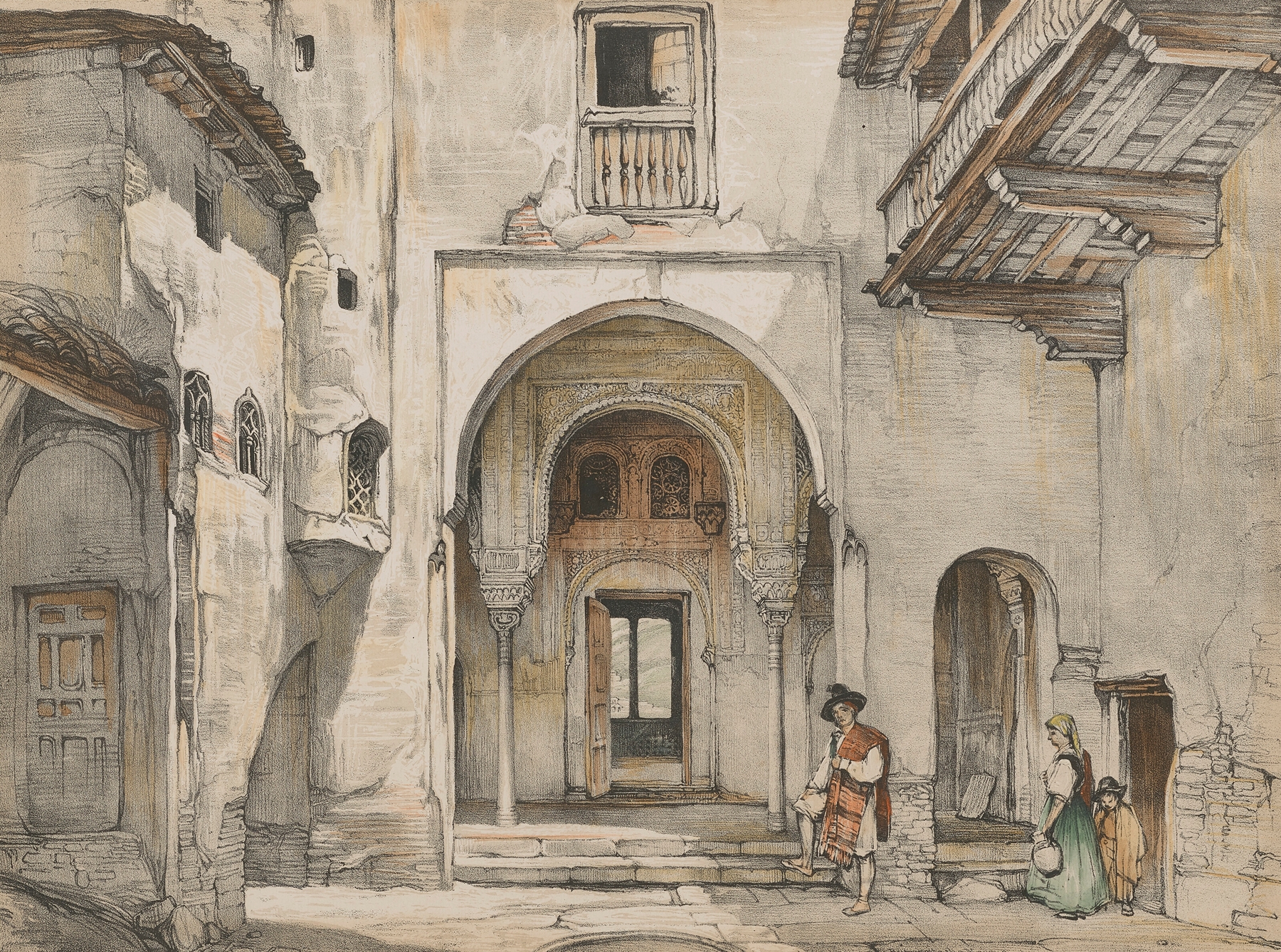
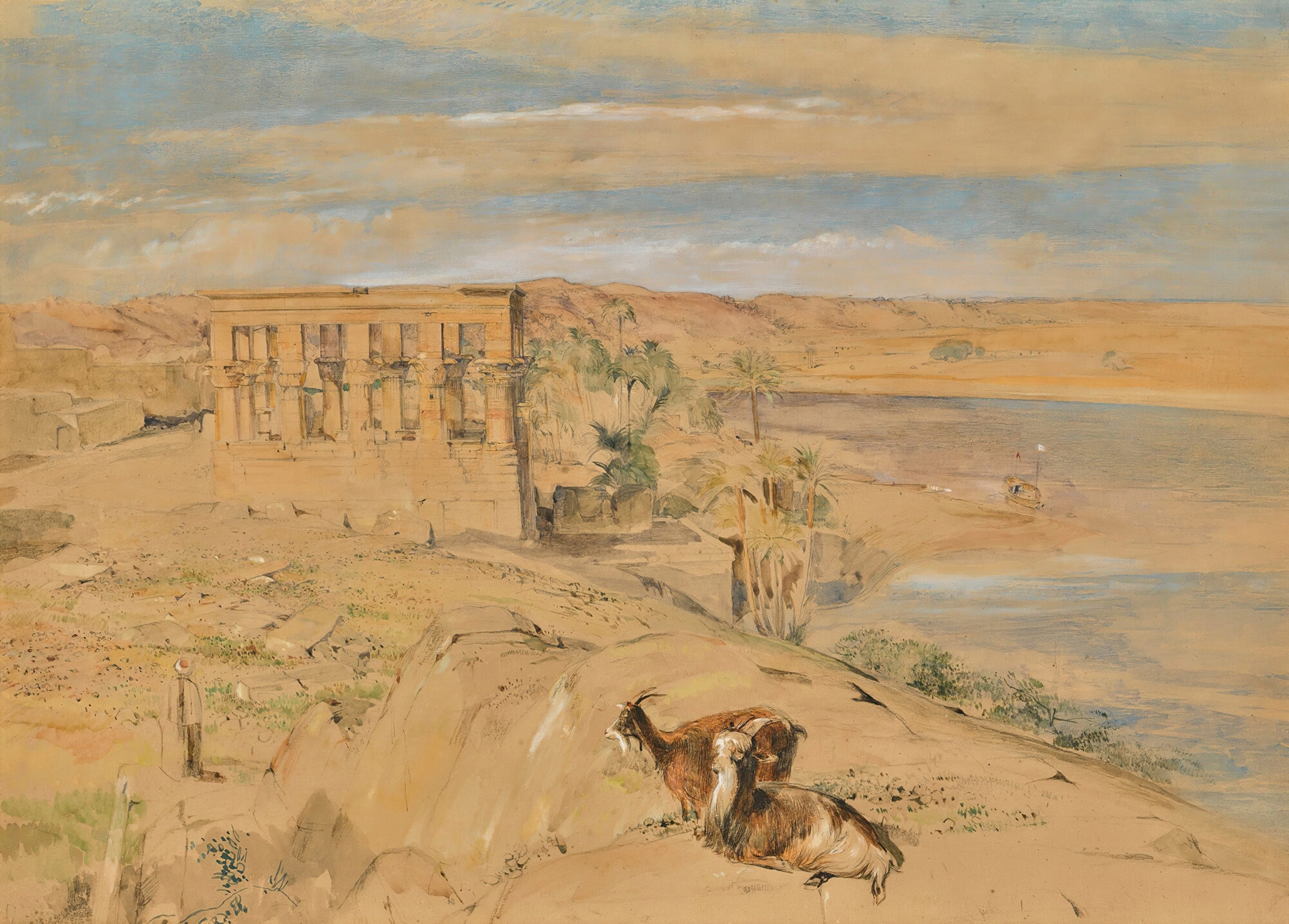
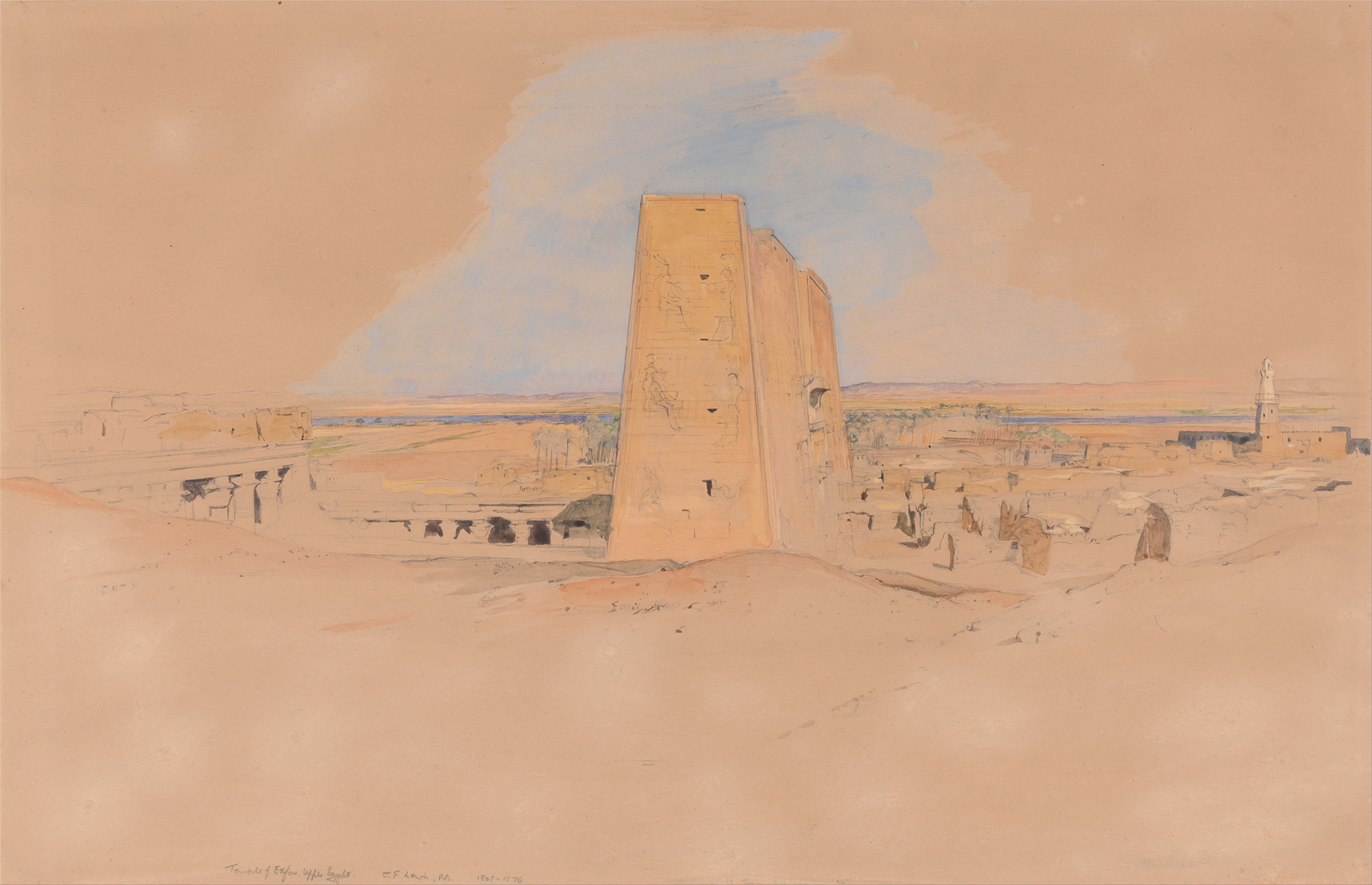
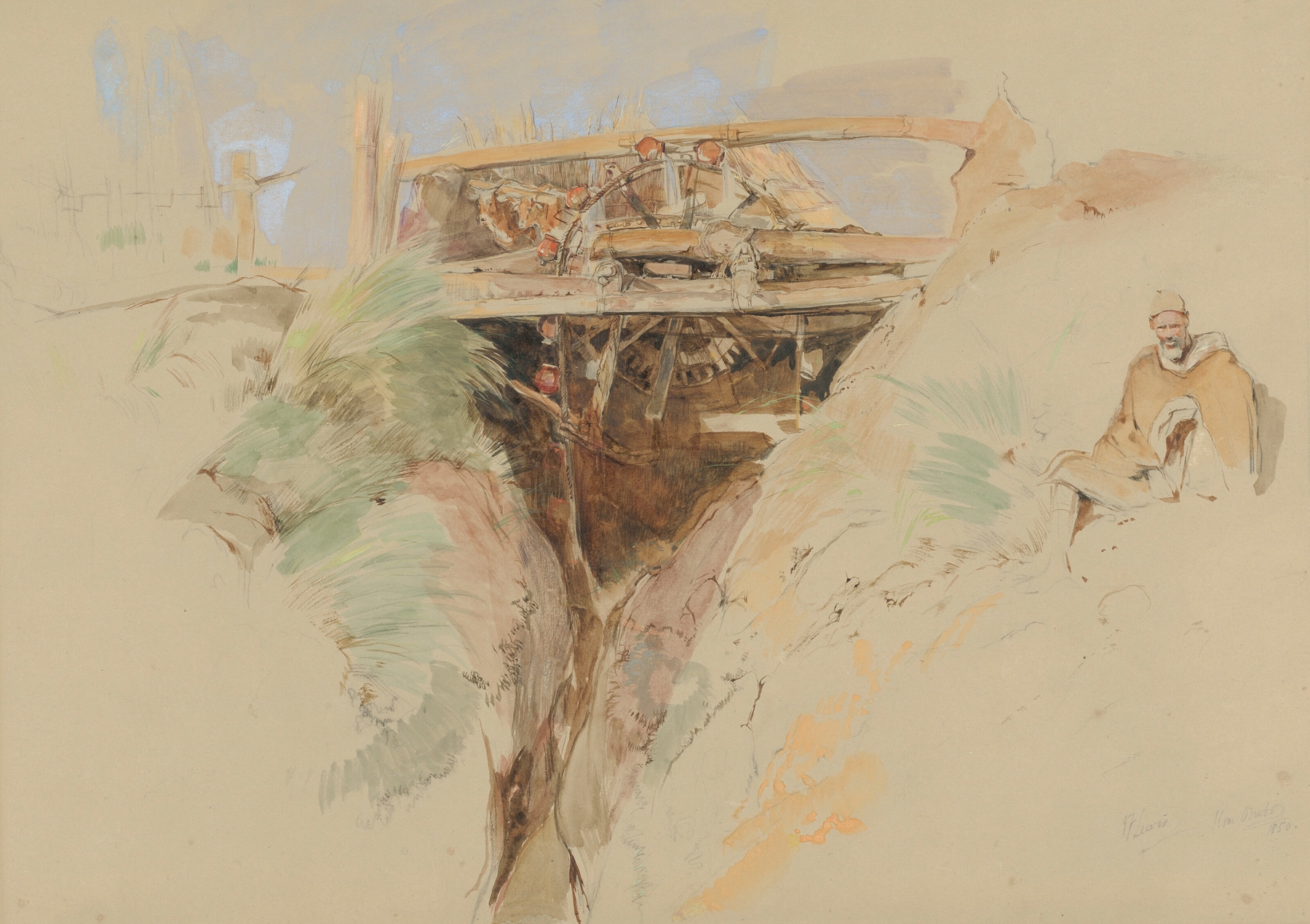
“Art reveals the soul when the world turns away.” In the quiet embrace of nostalgia, one finds echoes of history woven into the very fabric of existence, inviting an exploration of what once was. Focus first on the stark contrast between light and shadow in The Temple of Edfu; The Door of the Pylon. The artist masterfully captures the sun-drenched surfaces of the temple, their warm ochres and golds radiating a sense of timelessness and grandeur. As you move your gaze, notice the meticulous detail in the hieroglyphics etched into the doorway, each symbol whispering ancient stories of reverence and belief. The delicate interplay of texture within the stone invites you to run your fingers along its surface, feeling the weight of history beneath your fingertips.
Delve deeper into the emotional landscape of the work. The towering pylon stands not only as an architectural marvel but also as a metaphor for barriers—between the sacred and the mortal, the past and the present. The vibrant colors evoke a deep sense of longing, reminding the viewer of the fleeting nature of time. The silent presence of the doorway hints at the untold stories held within, echoing the tensions of exploration and discovery.
It is a portal, both literal and figurative, beckoning the observer to step into a world rich with memory and emotion. Painted in 1850, Lewis created this piece during his time in Egypt, a period marked by a burgeoning fascination with Orientalism among Western artists. Captivated by the landscapes and cultures he encountered, he sought to bridge the divides between East and West through his art. This painting emerged amid a growing interest in Egyptology, reflecting both personal and collective narratives of exploration, as well as an era in which the ancient world was increasingly romanticized.