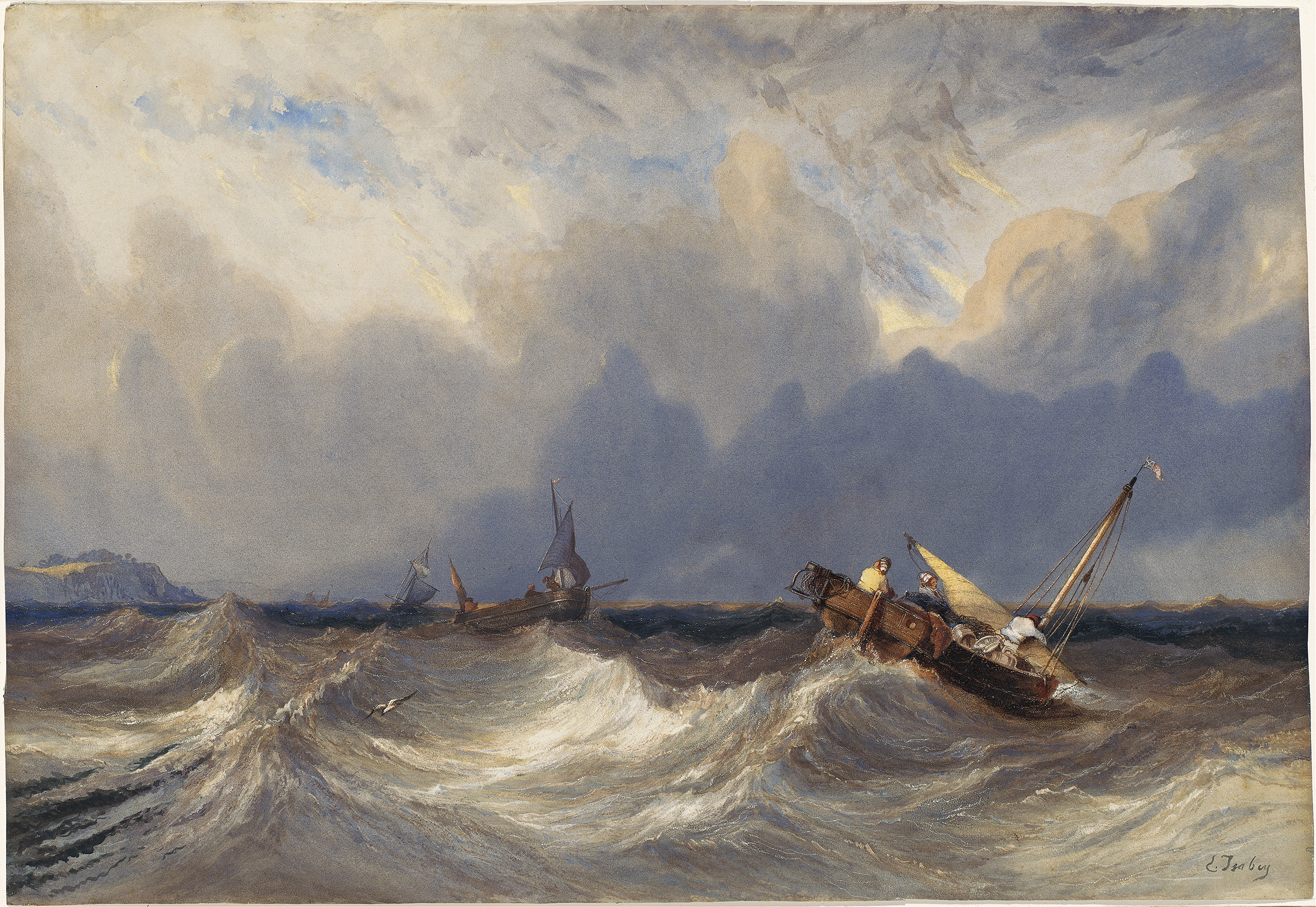
Intérieur d’un Port (Waterfront Market) — History & Analysis
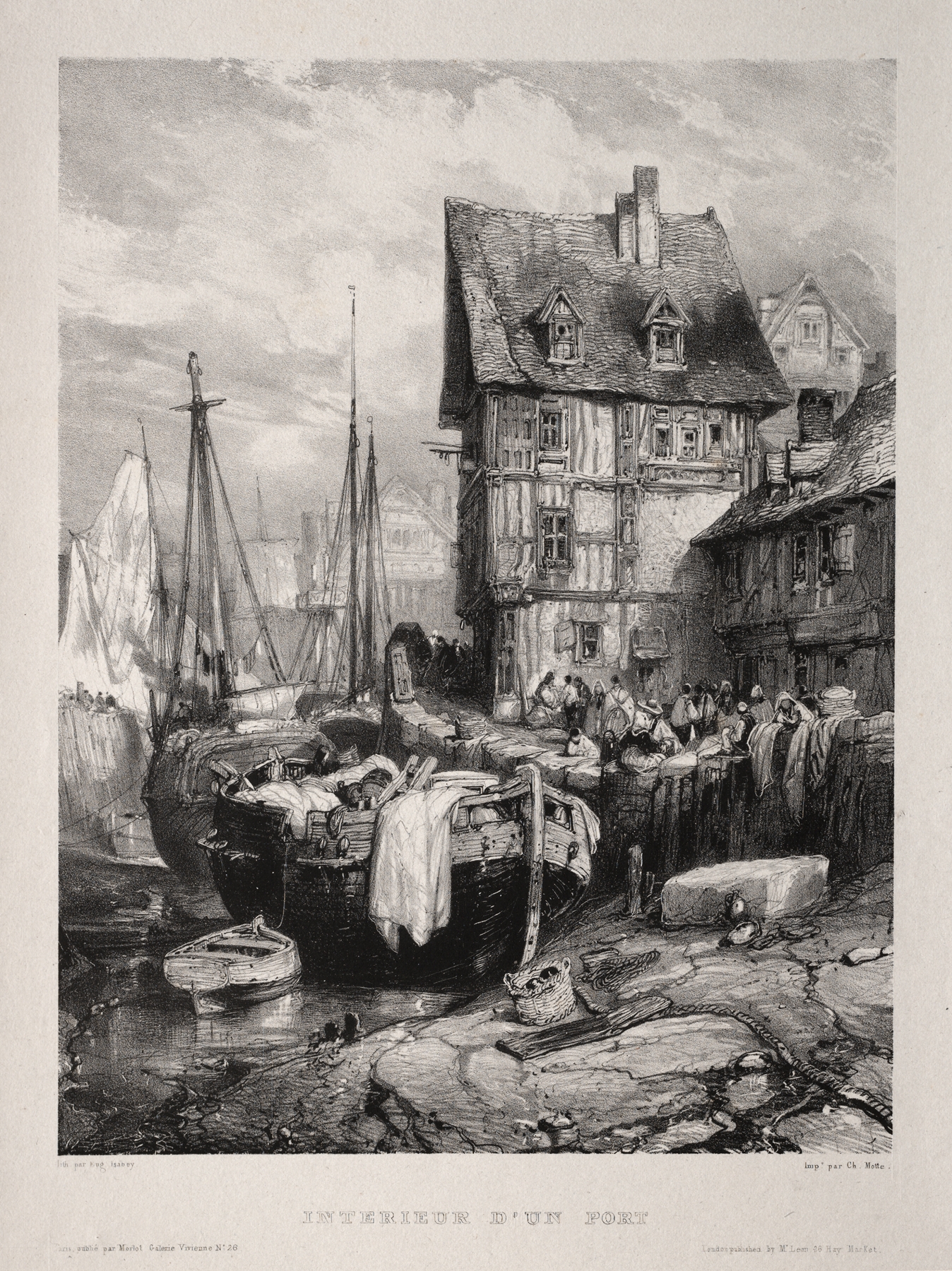
“Sometimes beauty is just pain, disguised in gold.” The bustling energy of a market can often cloak deeper truths, hinting at losses hidden beneath the surface. Focus on the warm hues that envelop the scene, drawing your eyes to the central figure engaged in animated conversation. Notice how the light filters through the canvas, illuminating the vendors and their goods. The juxtaposition of vibrant colors against shadowy corners creates a dynamic tension, inviting you to consider what lies just outside the frame — the stories of those not represented.
Amidst the lively exchanges and the rich spectacle of produce, observe the weariness etched into the faces of the sellers. Their smiles, while genuine, seem to mask a haunting solitude, suggesting that even in a crowd, one can feel profoundly alone. The delicate brushwork captures not just the vibrancy of the market, but a subtle sense of loss, as if each item sold carries with it a fragment of dreams unfulfilled or memories long cherished.
Eugène Isabey painted this piece between 1825 and 1850, during a period marked by significant social and political change in France. It emerged amidst a burgeoning art scene that was embracing romanticism, where artists began to explore deeper emotional landscapes. Isabey's work reflected the vibrant chaos of the waterfront market, while also hinting at the quieter, often unspoken, tragedies of daily life, a reflection of both his personal experiences and the collective heartache of the era.