Jäger und Mädchen — History & Analysis
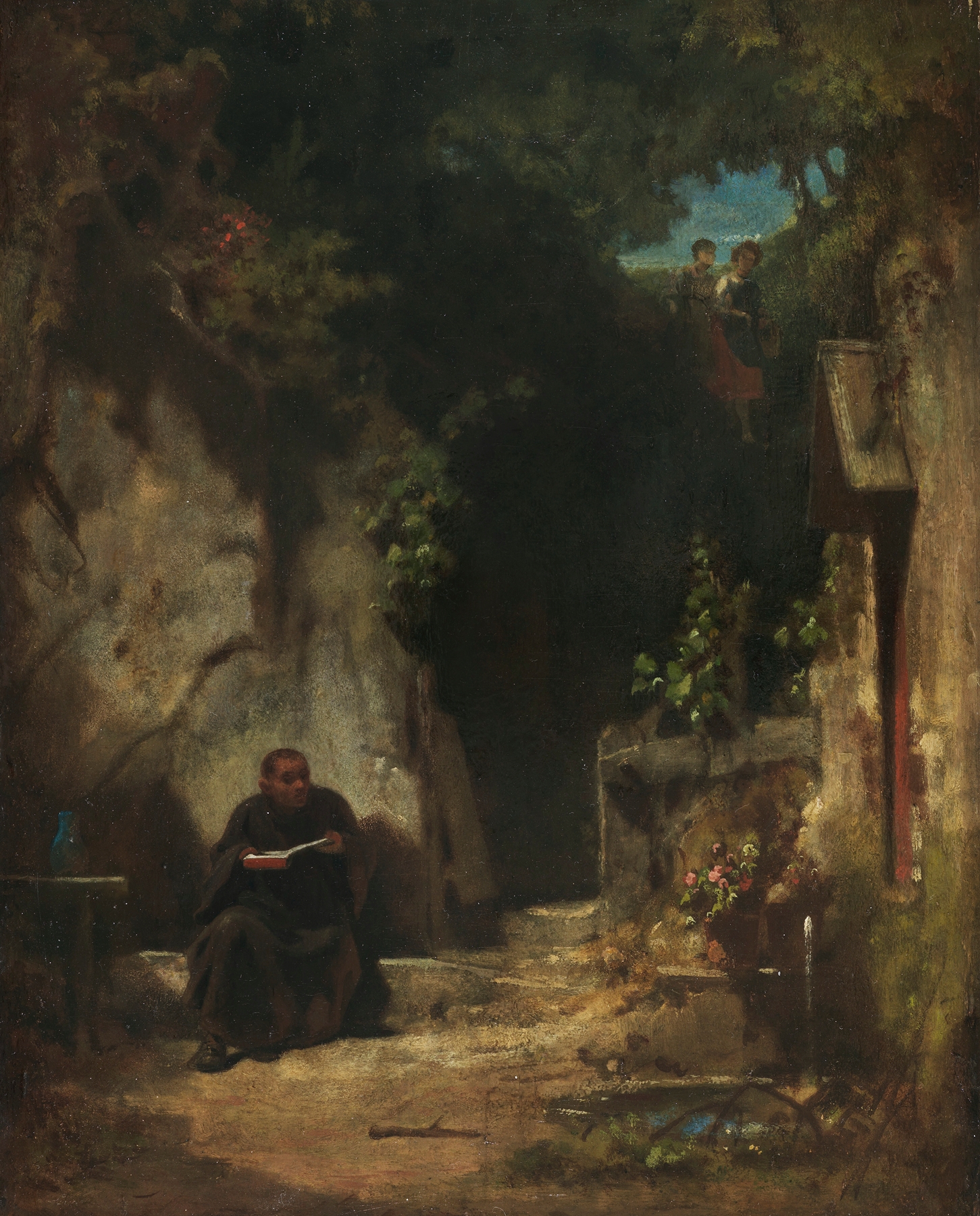
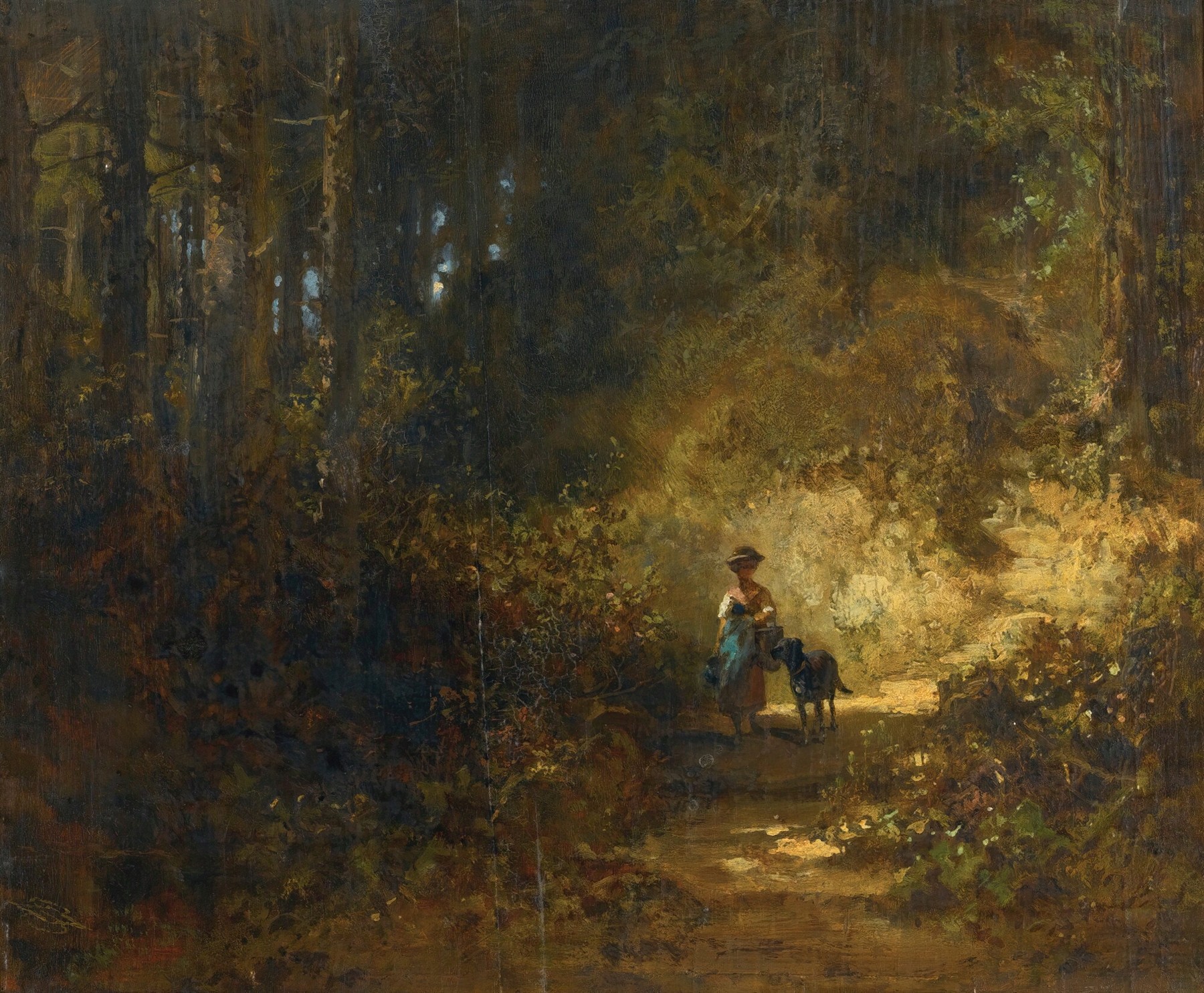
“To paint is to remember what time wants us to forget.” In the gentle embrace of nostalgia, loss weaves itself into the fabric of memory, a theme that resonates with profound emotion. Look closely at the figures depicted in this work; the hunter stands poised in the shadows, a palpable tension radiating from his stance. His gaze is drawn towards the girl, who remains blissfully unaware, her innocence contrasting sharply with the weight of his hidden intentions. Notice how the muted earth tones envelop the landscape, while dappled light breaks through the trees, casting delicate patterns that speak to both promise and peril.
The juxtaposition of youth and experience creates an unsettling dialogue between the two figures. The hunter embodies the shadows of desire and predation, while the girl symbolizes purity and freedom. This tension is accentuated by the flora surrounding them, vibrant yet fragile, mirroring the delicate balance between safety and danger. Each detail is infused with emotional gravity, suggesting the fleeting nature of innocence as time inexorably moves forward.
In the late 1830s, Spitzweg was immersed in the Romantic movement, a period where art was deeply reflective of personal and societal narratives. He painted Jäger und Mädchen in a time marked by a burgeoning interest in the human psyche and the complexities of emotion. Amidst the everyday life unfolding around him, he captured this poignant moment, using his brush to reflect both a world filled with longing and the inevitable passage of time.