Joseph Gerrish — History & Analysis
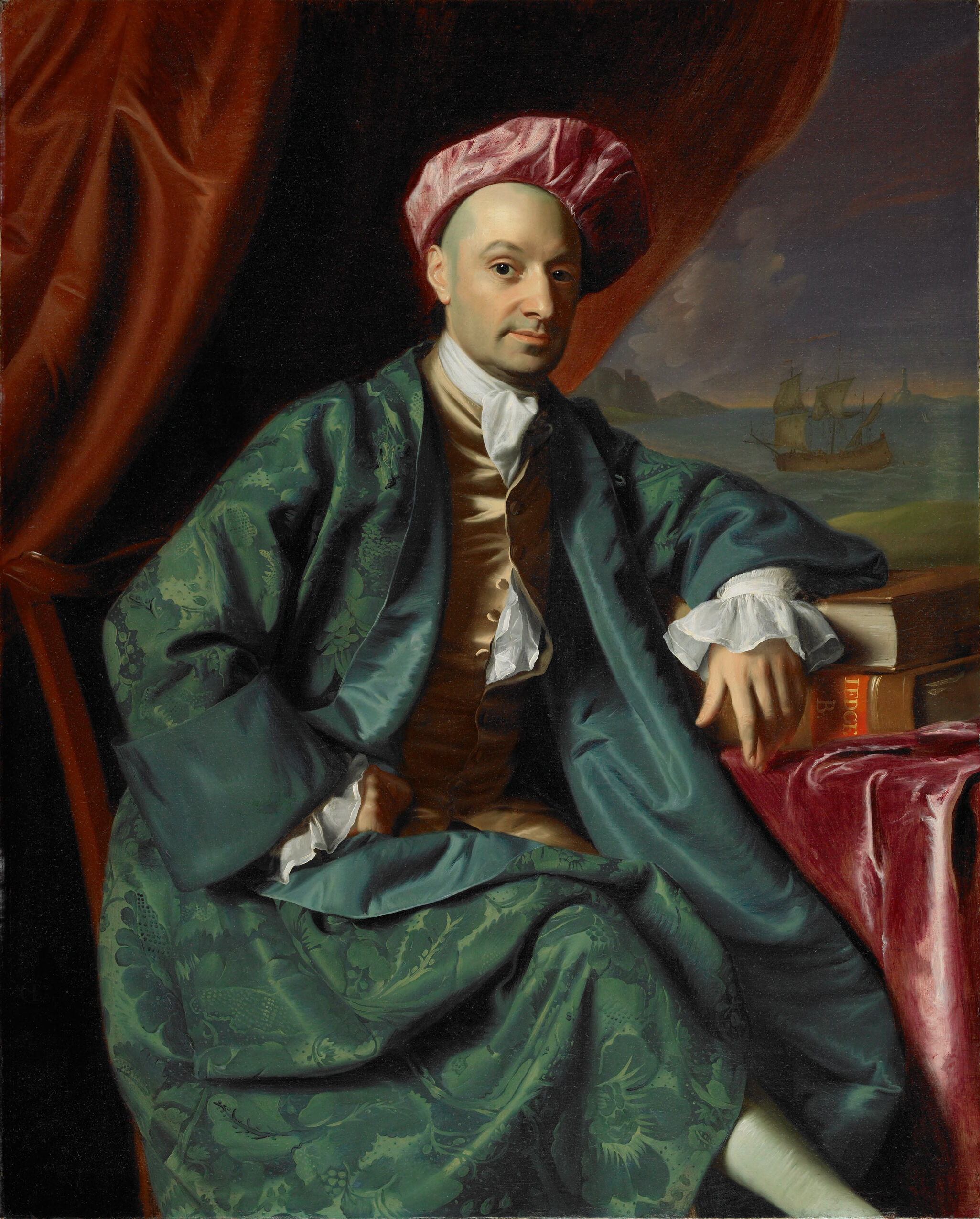
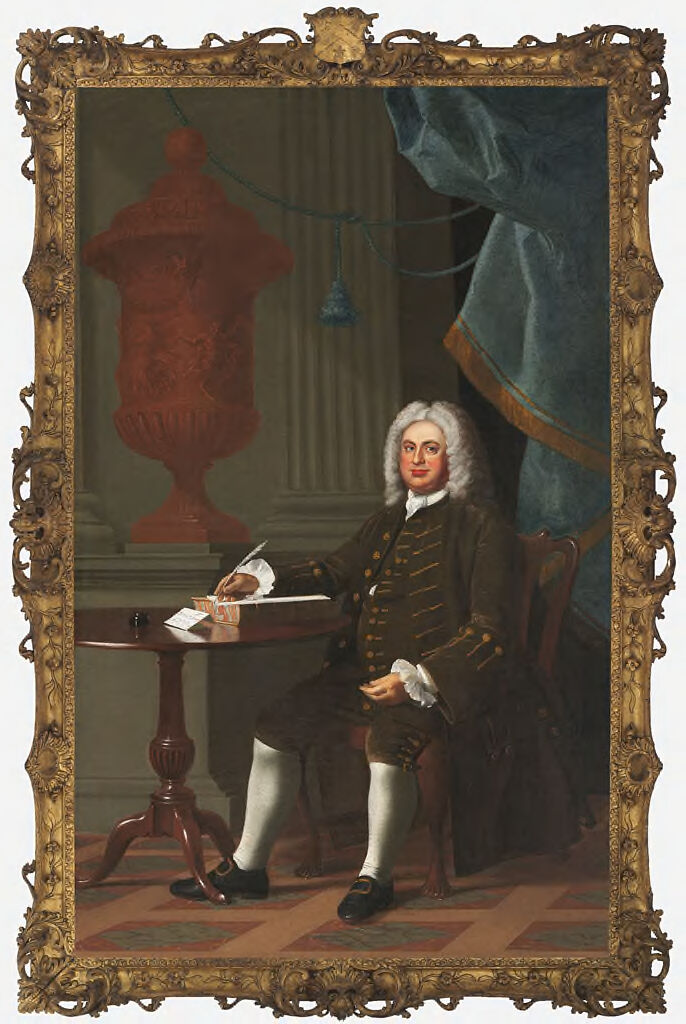
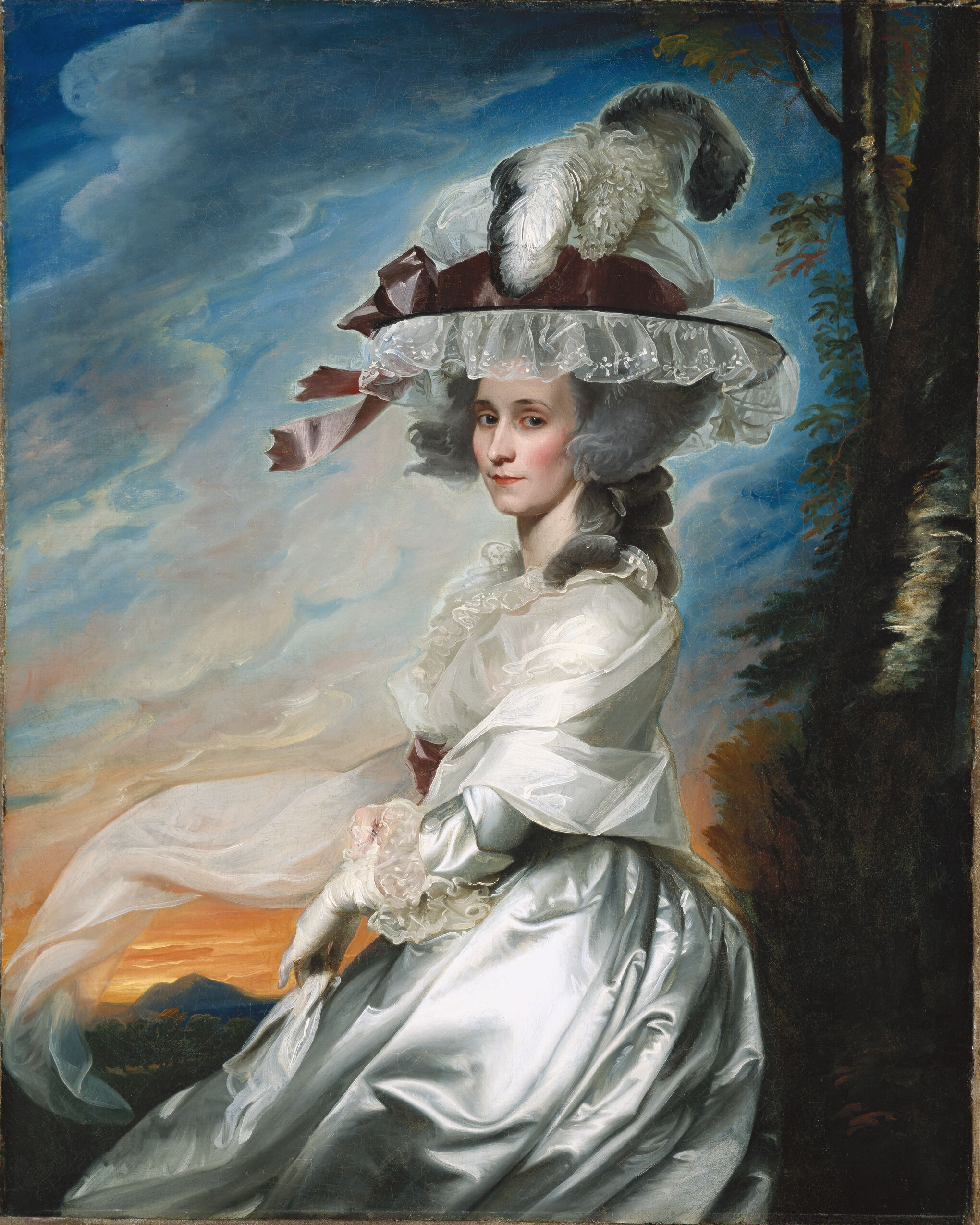
What if beauty was never meant to be finished? In the realm of art, there exists a profound tension between the moment captured and the essence that lies beyond the canvas, inviting us to glimpse the infinite. Focus on the figure at the center, Joseph Gerrish, poised with an air of quiet confidence. His attire, rich in color and texture, draws the eye immediately, while the subtle play of light accentuates the folds of his clothing, suggesting a complexity beneath the surface. Notice how the deep blues and browns intermingle with warmer tones, creating an aura that feels both inviting and introspective.
The background, gently blurred yet defined, creates a depth that enhances Gerrish's stature, making him the focal point of this intimate portrait. Beneath the surface of this meticulously crafted image lies a narrative of transcendence. The artist captures not merely the likeness of Gerrish but hints at his character and aspirations, suggesting a man who has risen above his circumstances. The delicate balance between realism and idealization speaks to the human condition, evoking themes of ambition and the pursuit of greatness.
The way Gerrish meets our gaze, steady yet contemplative, hints at the weight of expectation carried by those who seek to elevate themselves in society. In 1770, John Singleton Copley was establishing his reputation in colonial America, creating a body of work that combined European techniques with unique American subjects. Living in Boston, Copley found himself at the forefront of the American portraiture movement, capturing the aspirations and identities of emerging figures in a changing world. This piece reflects not only his artistic prowess but also the burgeoning sense of self that characterized the American spirit at the time.