Kapelle im Tessin — History & Analysis
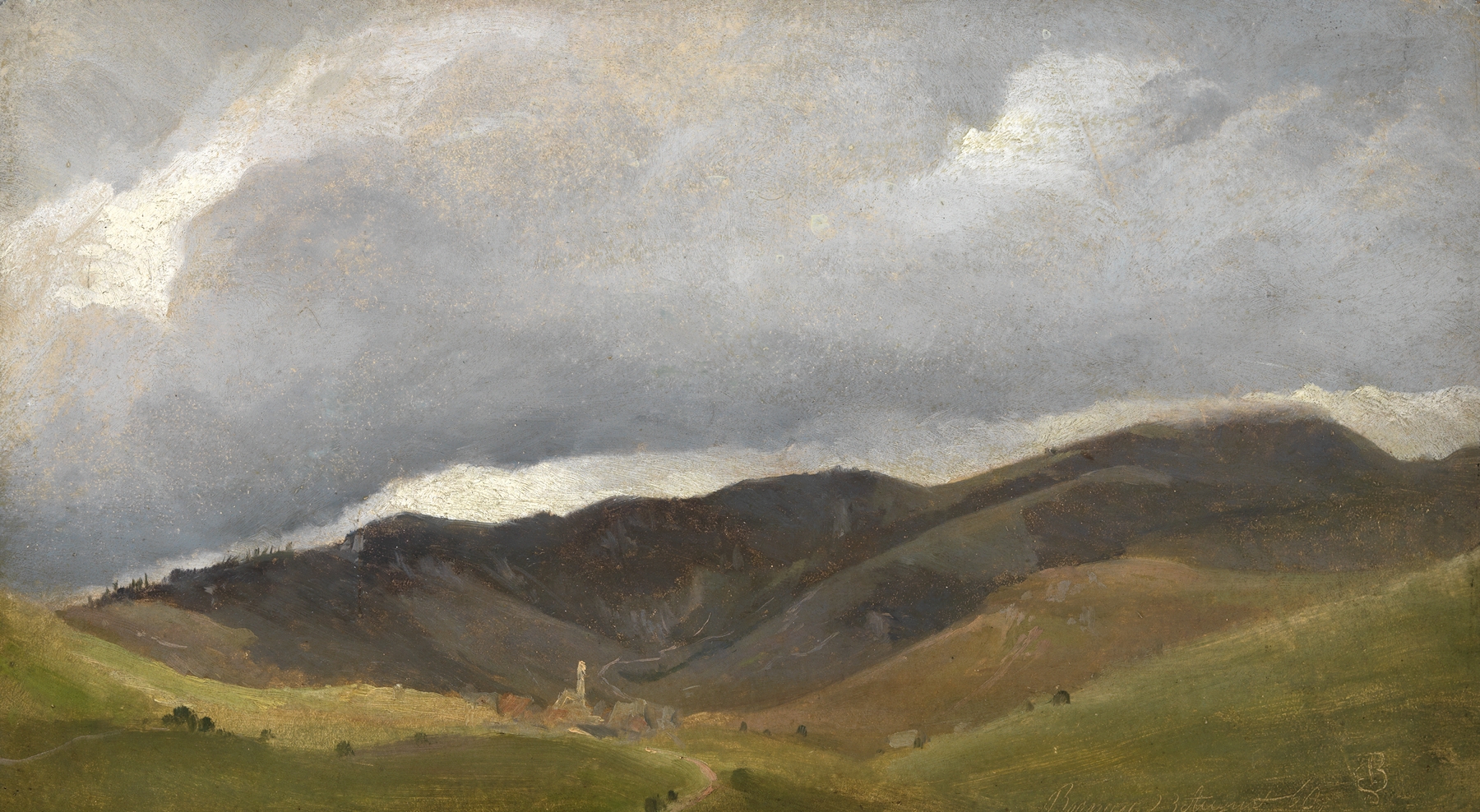
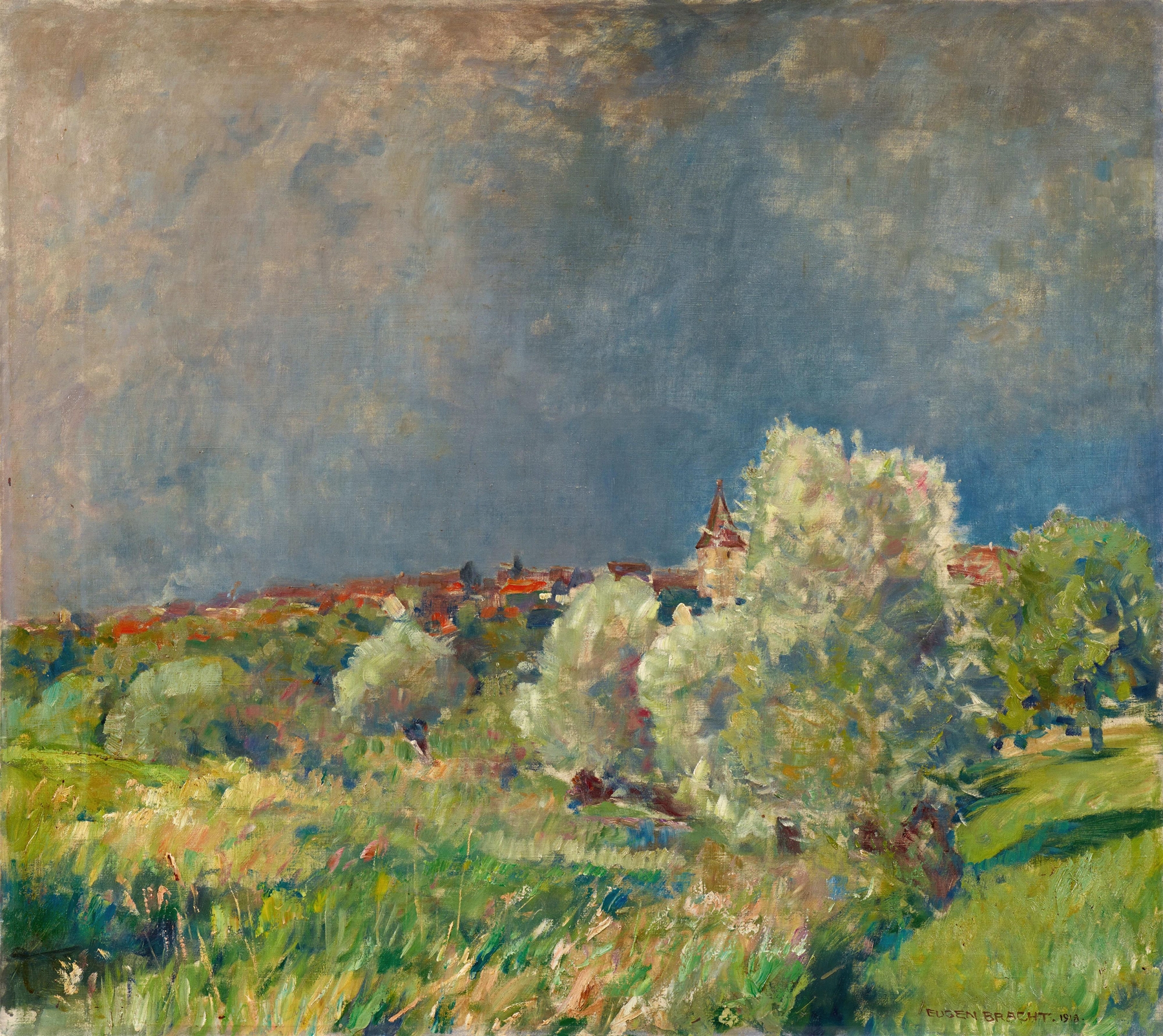
“Under the brush, chaos becomes grace.” This sentiment encapsulates the transformative power of art, where the ordinary can evolve into the extraordinary. In Kapelle im Tessin, the viewer is invited to witness a serene moment steeped in stillness and reverence. Focus on the chapel nestled against the dramatic backdrop of the Swiss landscape. Notice how the warm hues of sunlight cascade over the roof, illuminating the delicate details of its architecture. The artist’s careful brushwork reveals the interplay of light and shadow, enhancing the textures of the rocks and the lush greenery surrounding the sacred structure.
The composition draws the eye towards the chapel as a beacon of tranquility amidst nature's grandeur. There's an exquisite tension in the juxtaposition of man-made versus natural beauty. The chapel, a symbol of faith, stands resilient against the backdrop of towering mountains, echoing themes of permanence and transience. The gentle curves of the foliage contrast with the rigid lines of the building, suggesting an ongoing dialogue between spirituality and nature.
This duality evokes a sense of awe, inviting contemplation of our place within the world. Eugen Bracht painted Kapelle im Tessin in 1863 while deeply immersed in the Romantic movement that emphasized nature's sublime aspects. At this time, he was exploring the intersections of landscape and architecture, seeking to capture the ethereal beauty of the Swiss countryside. The mid-19th century was a period of growing interest in representing the emotional resonance of nature, and this work exemplifies his commitment to portraying both awe and serenity through evocative scenery.