Kensington Gardens — History & Analysis
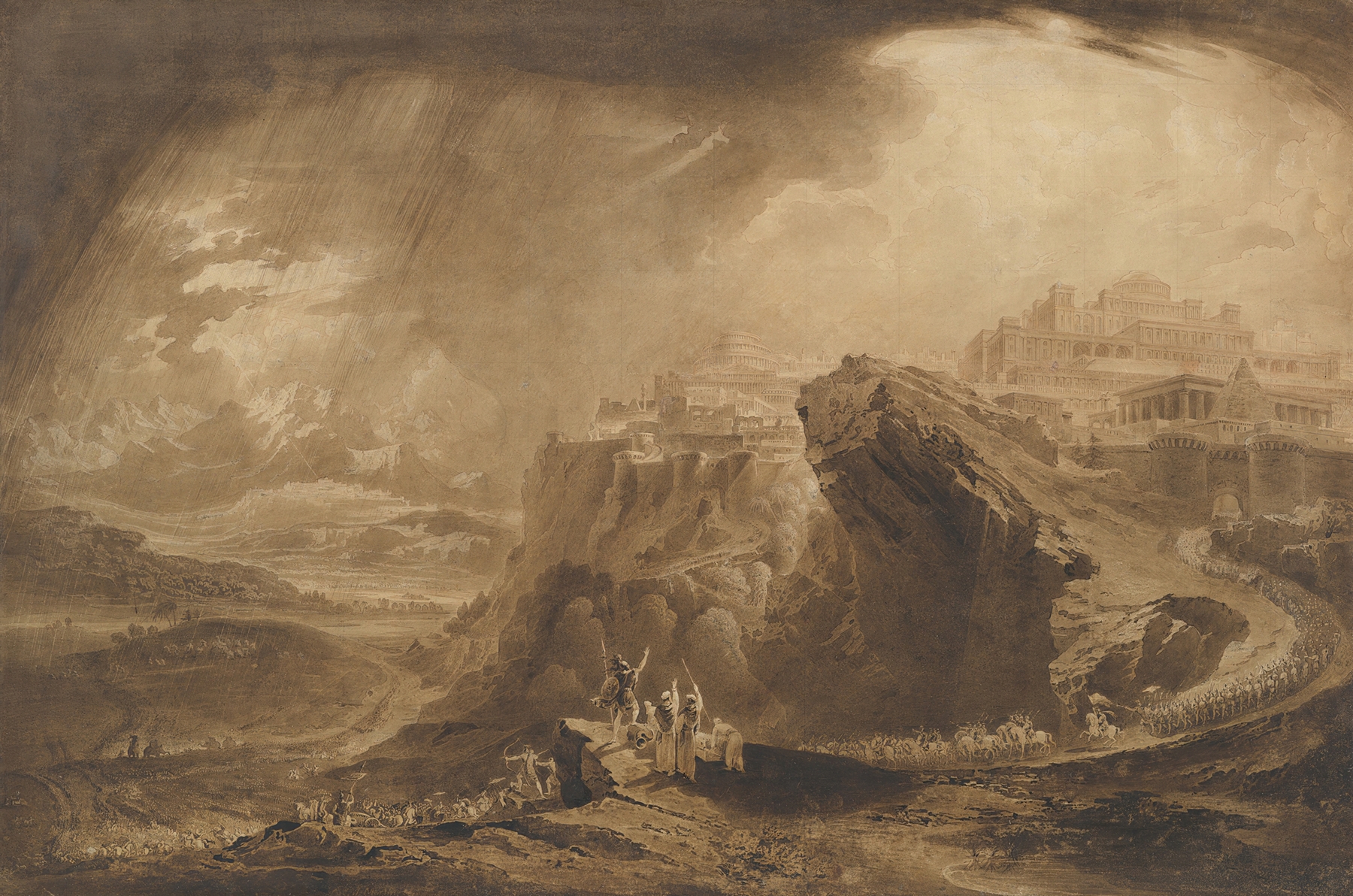
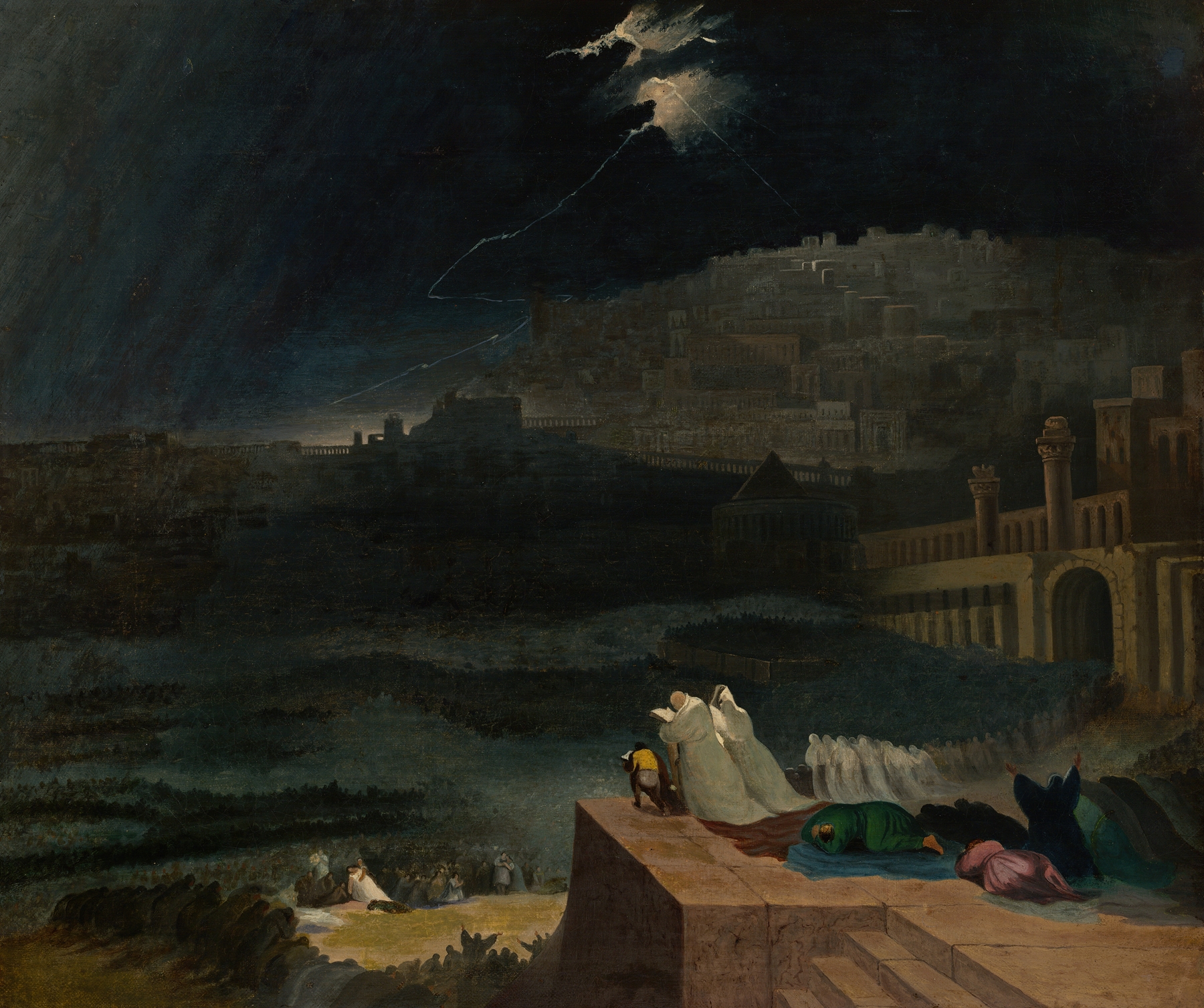
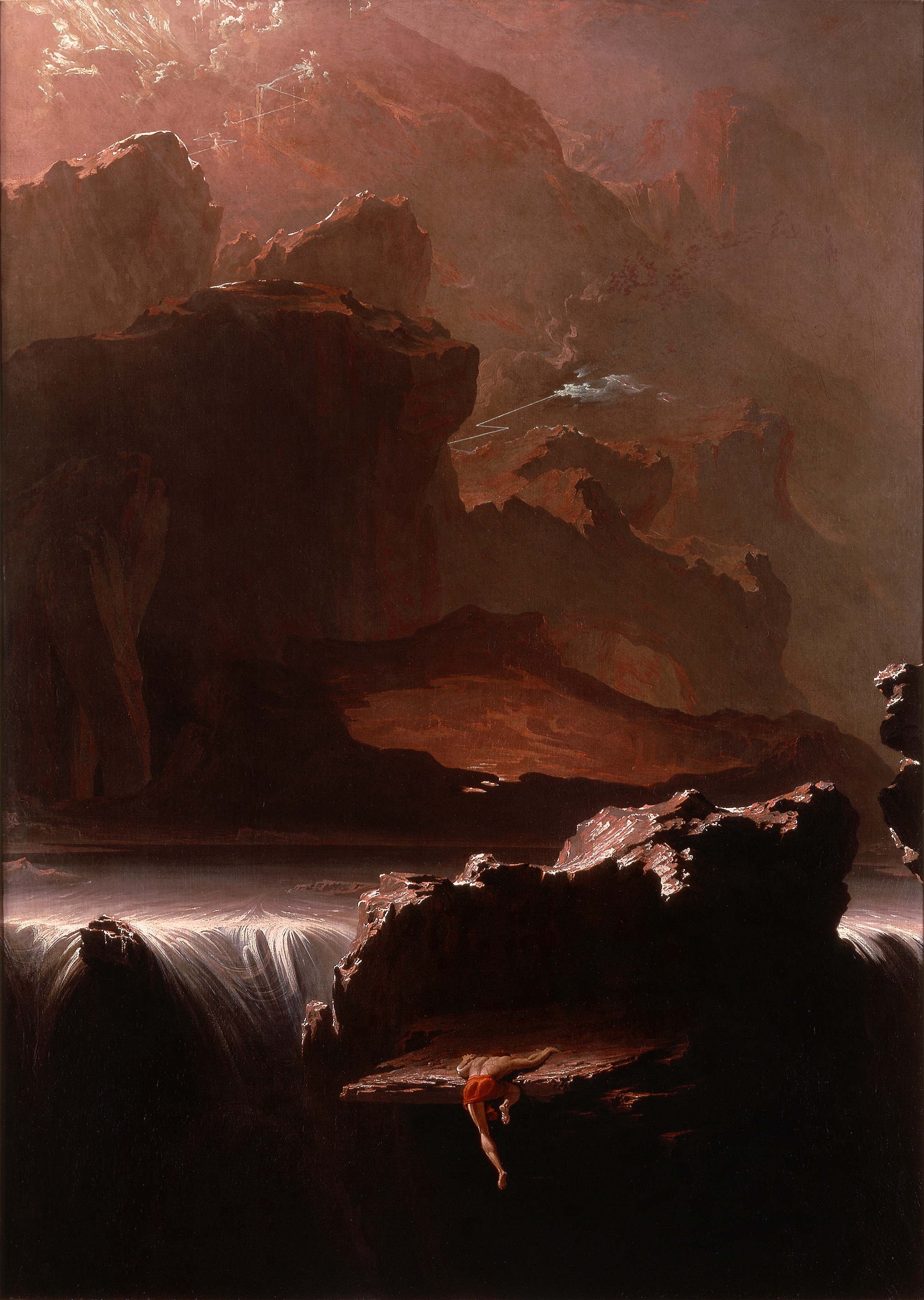
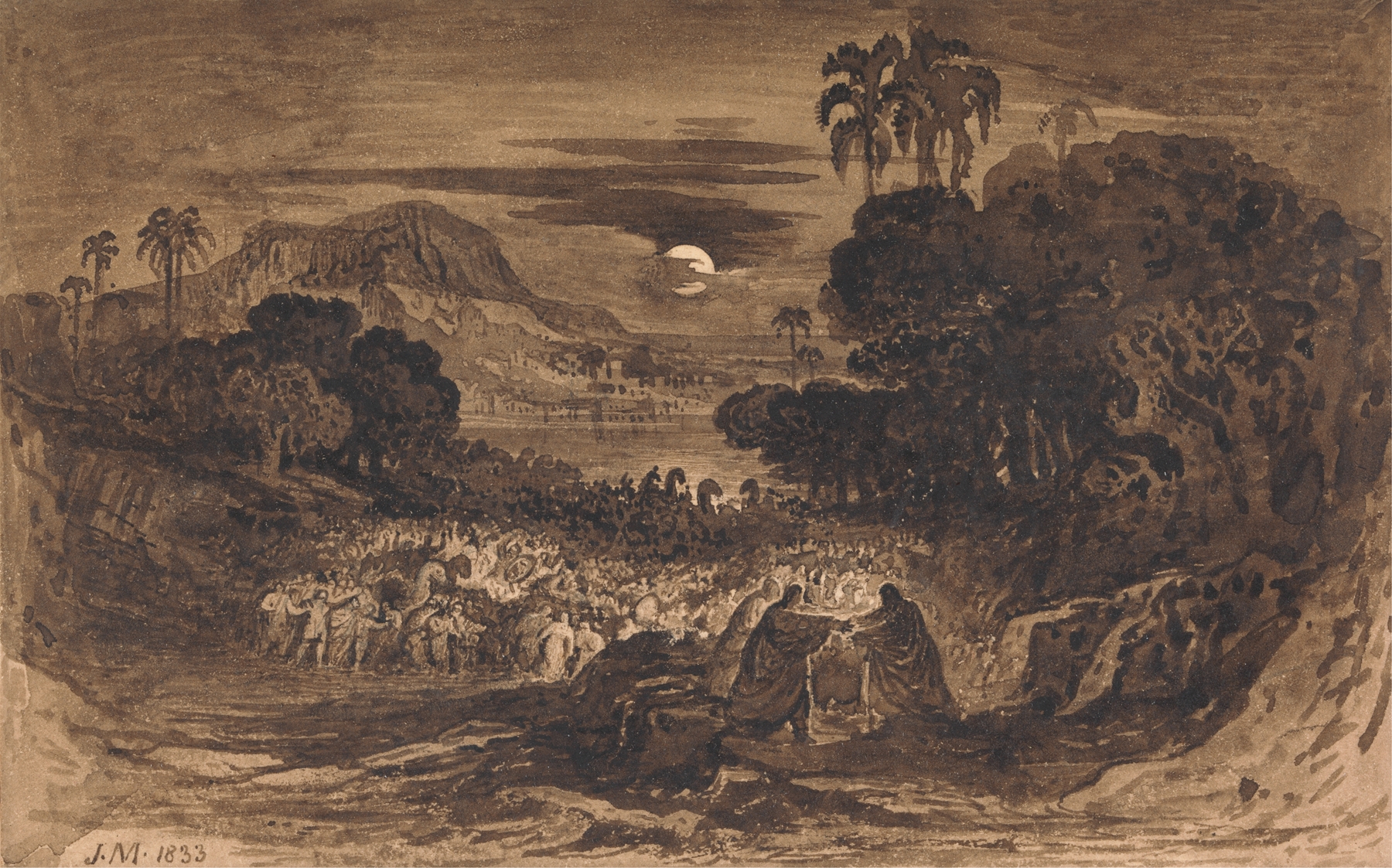
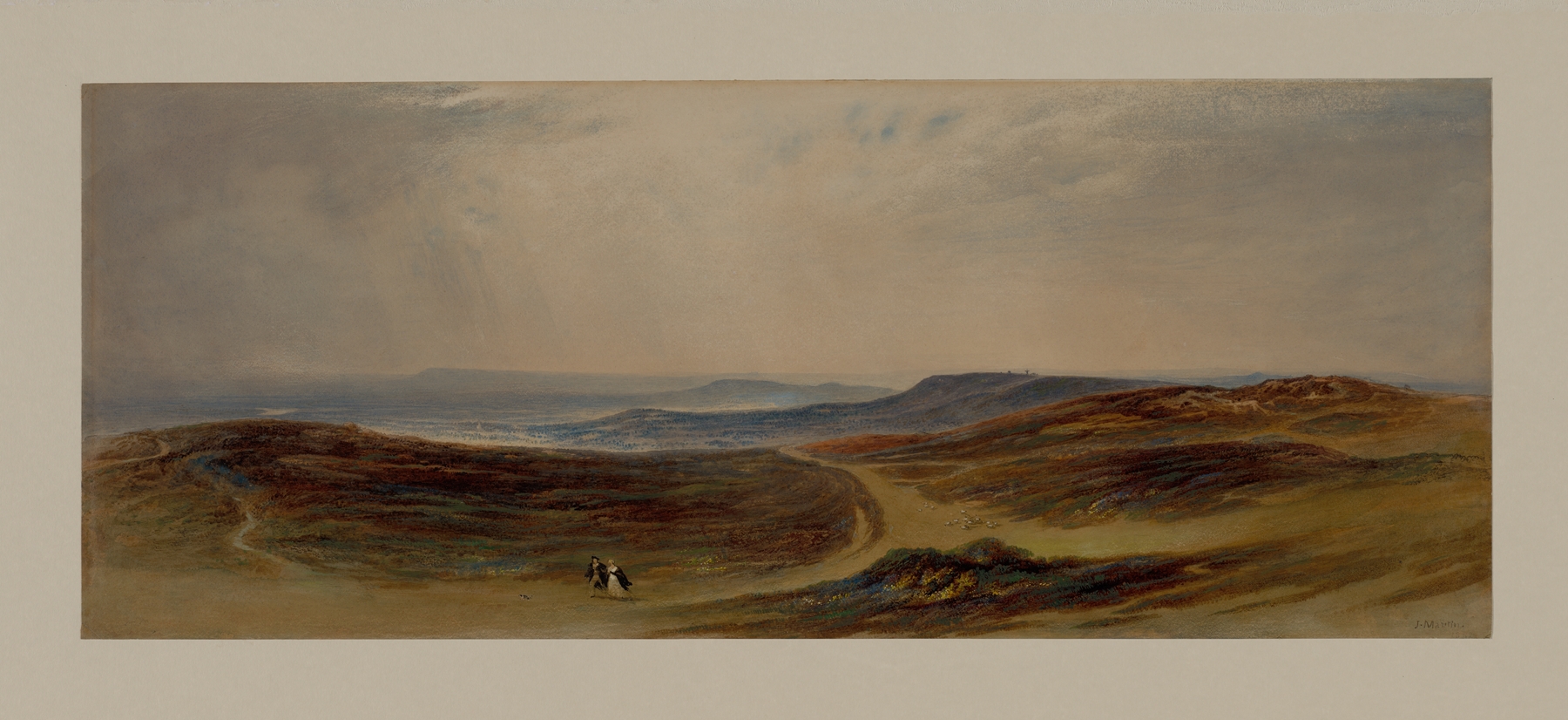
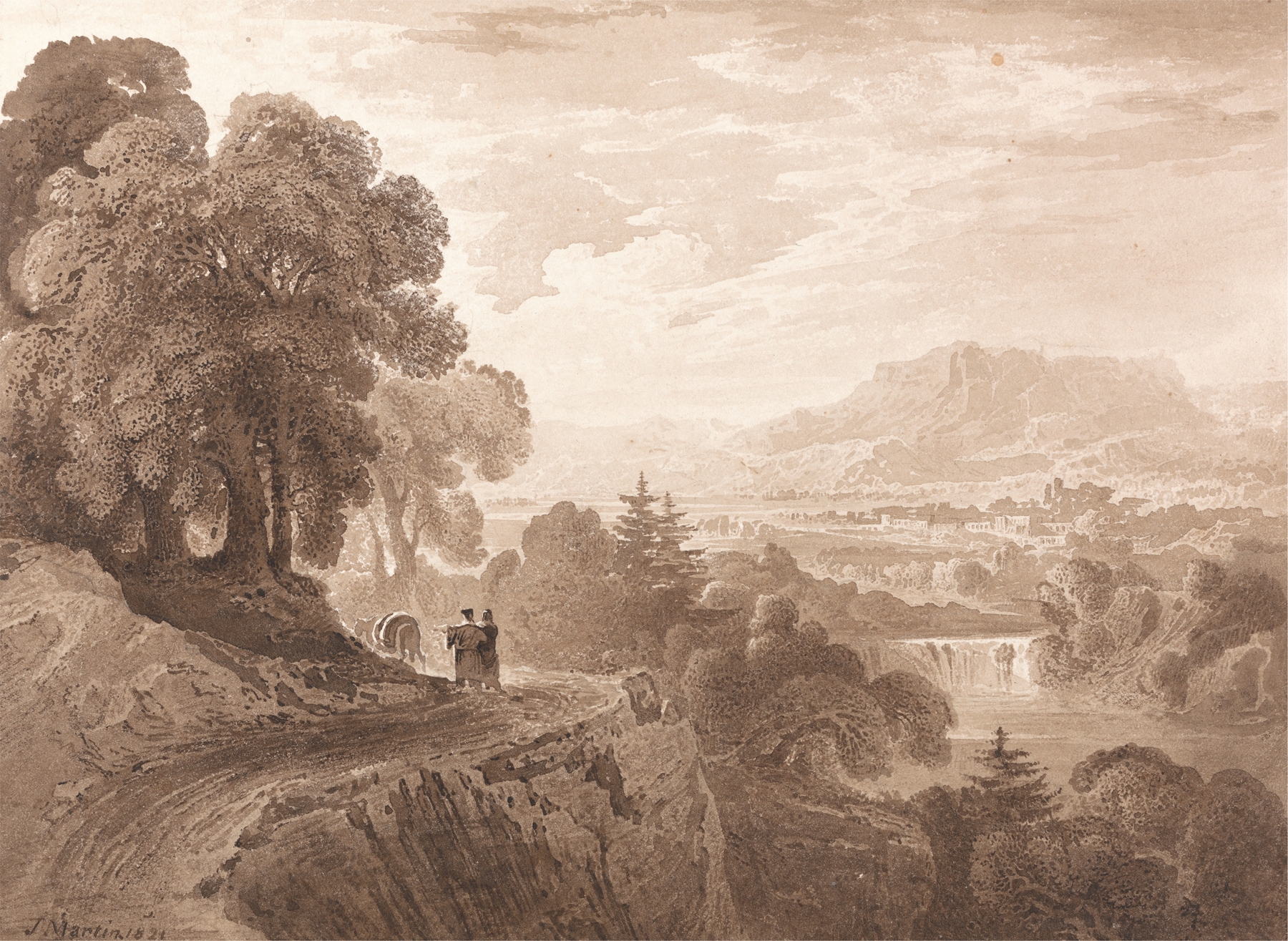
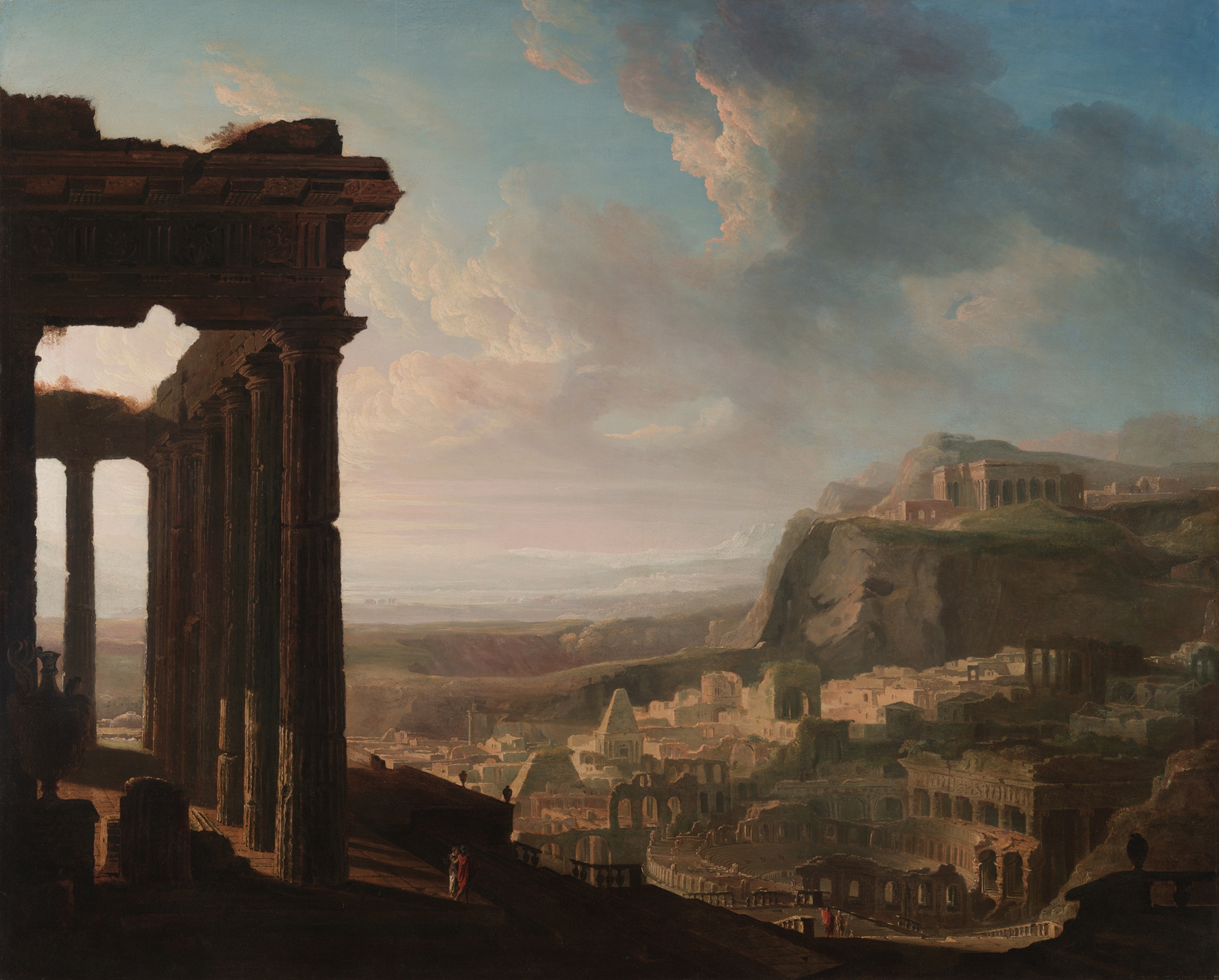
A tumultuous sky rages above the verdant expanse of Kensington Gardens, where a group of figures stands frozen in a moment of peril. The air crackles with tension as a storm brews, dark clouds swirling ominously, casting dramatic shadows over the lush greenery. A fragile peace is shattered by the impending threat of nature’s wrath, leaving onlookers both awestruck and terrified. Look to the left at the towering trees, their branches twisting and contorting in the wind, as if mirroring the fear that grips those below. The figures, small and vulnerable, are arranged in a way that directs your gaze towards the darkening horizon.
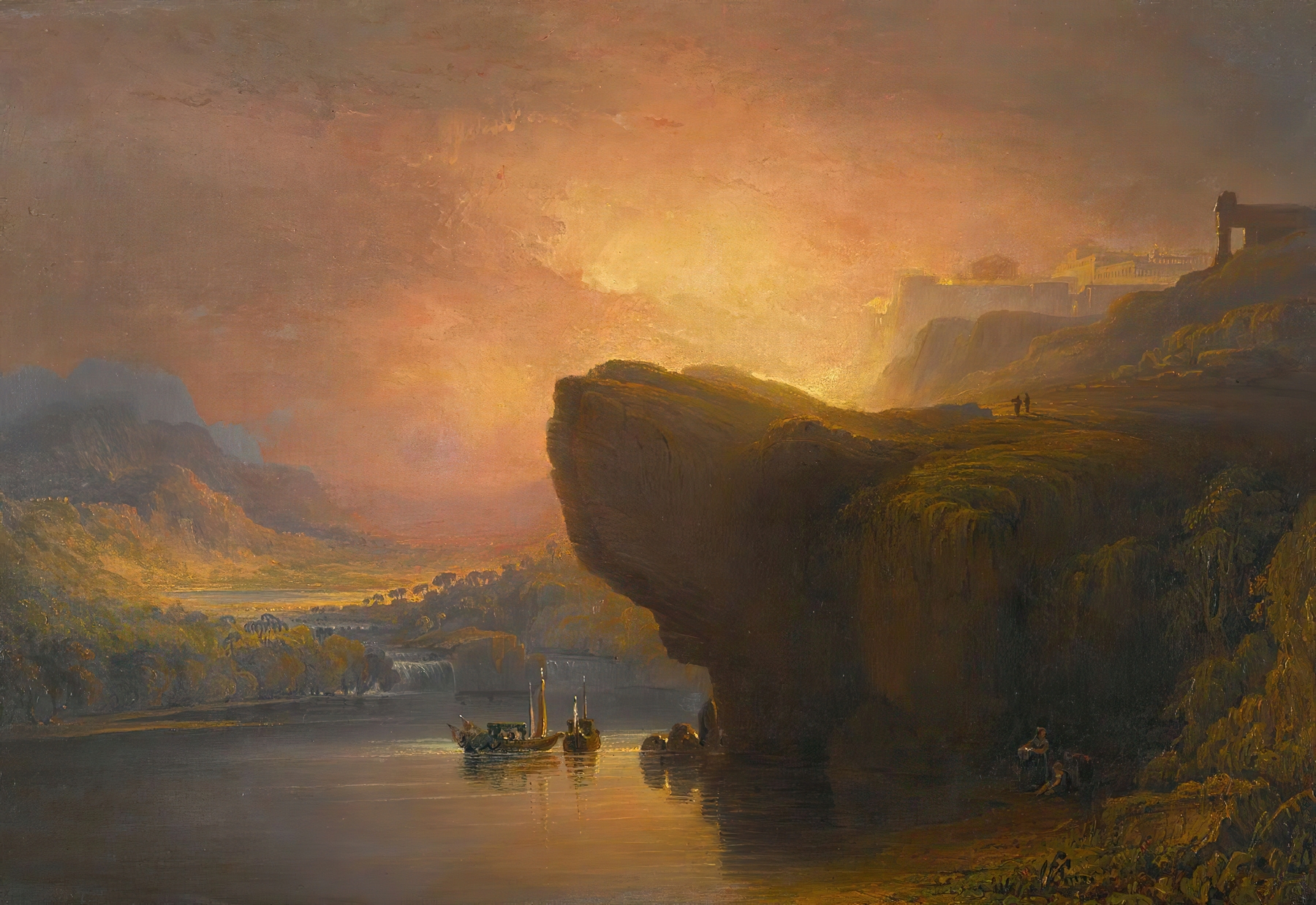
The chiaroscuro technique accentuates the contrast between light and shadow, with the sun’s last rays hinting at beauty amidst the chaos, imbuing the scene with an unsettling vibrancy. Each brushstroke contributes to a palpable sense of urgency, emphasizing the emotional weight of the gathering storm. Hidden within this landscape lies a poignant commentary on the conflict between humanity and nature. The delicate flowers at the forefront, symbols of fragility, juxtapose the looming disaster above, suggesting that beauty can be vanquished by violence at any moment. The figures’ varied expressions capture a spectrum of fear, wonder, and resignation, revealing a shared vulnerability in the face of uncontrollable forces.
This interplay of light and dark, life and destruction, encourages the viewer to consider our place within the tumult of existence. John Martin created Kensington Gardens between 1815 and 1816, during a time when Romanticism was gaining traction in the art world. Emerging from a background steeped in the sublime, he sought to capture the emotional intensity of nature’s power and human fragility. At this juncture in his career, Martin was exploring themes of destruction and awe, influenced by the rising interest in the dramatic portrayal of landscapes that reflected humanity’s tumultuous relationship with the world around them.