Kiefern auf dem Ettersberg — History & Analysis
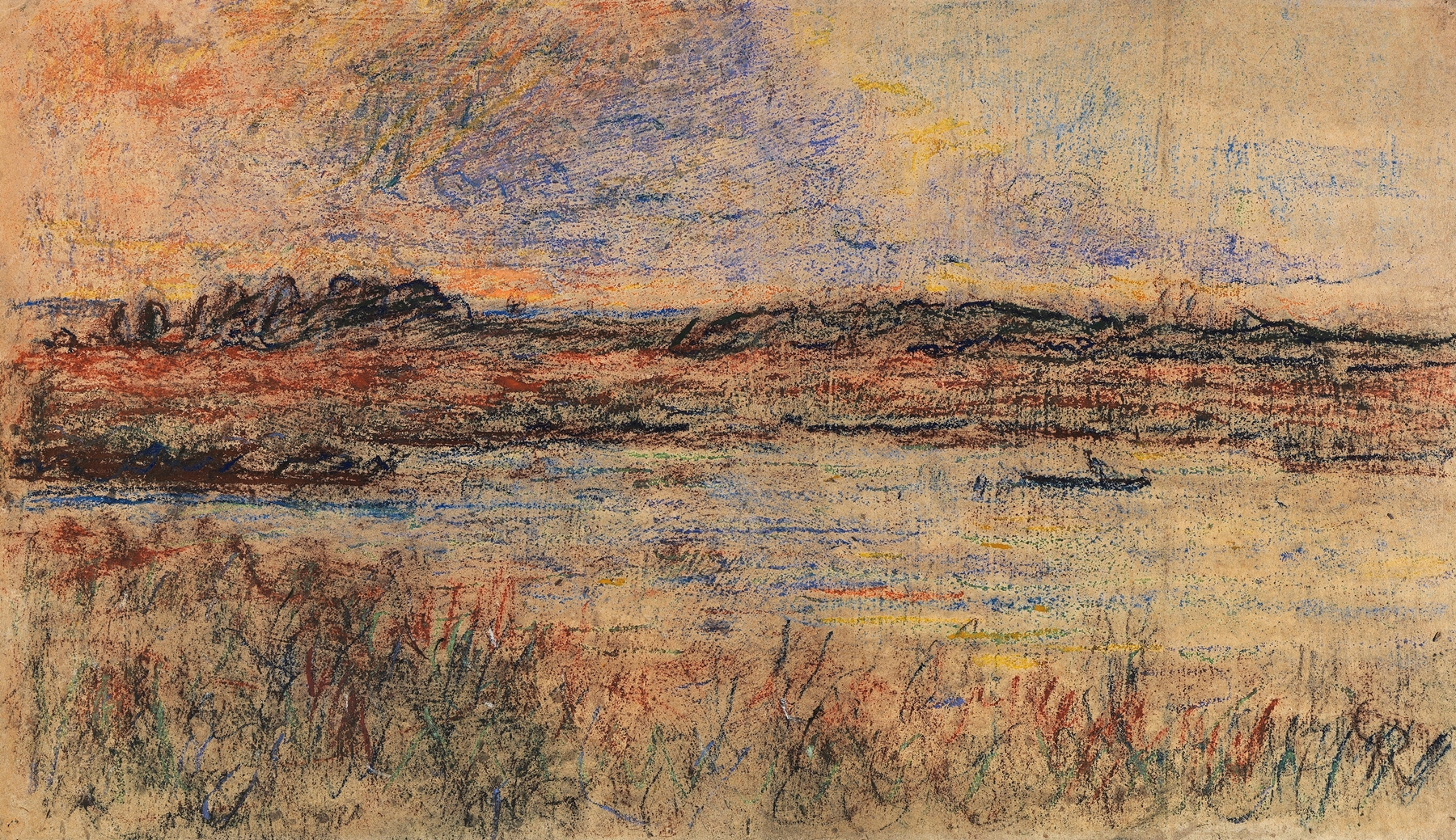
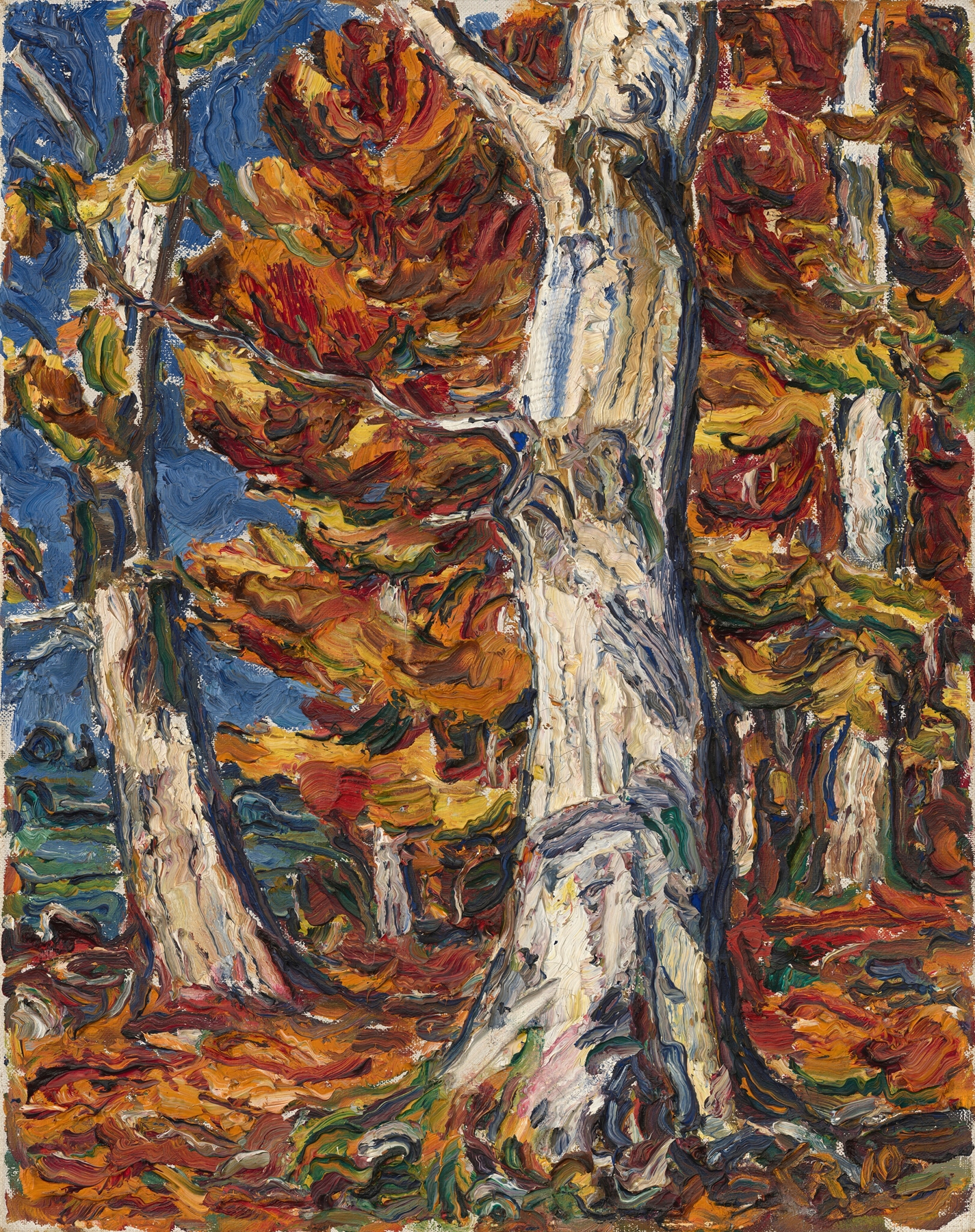
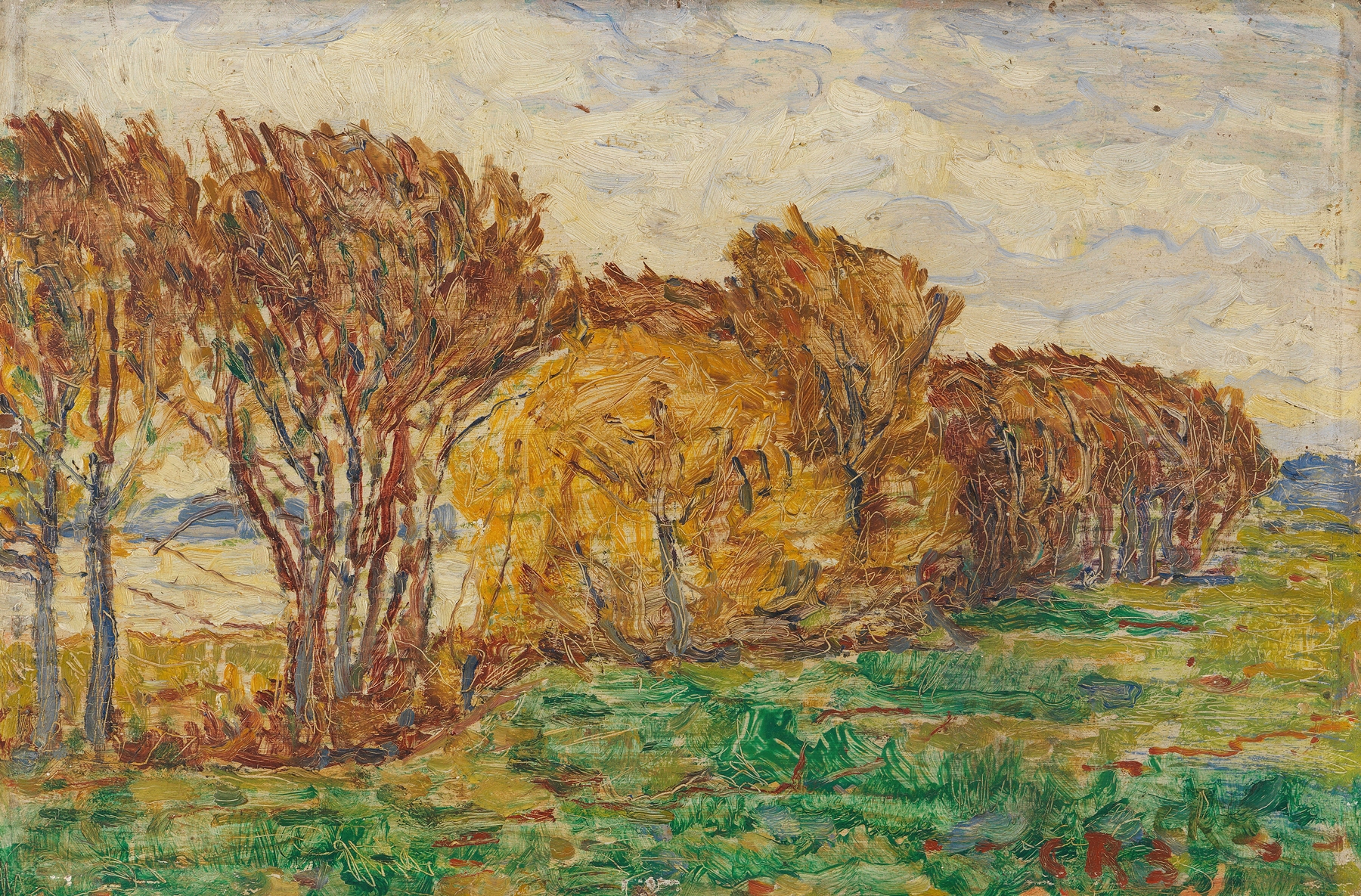
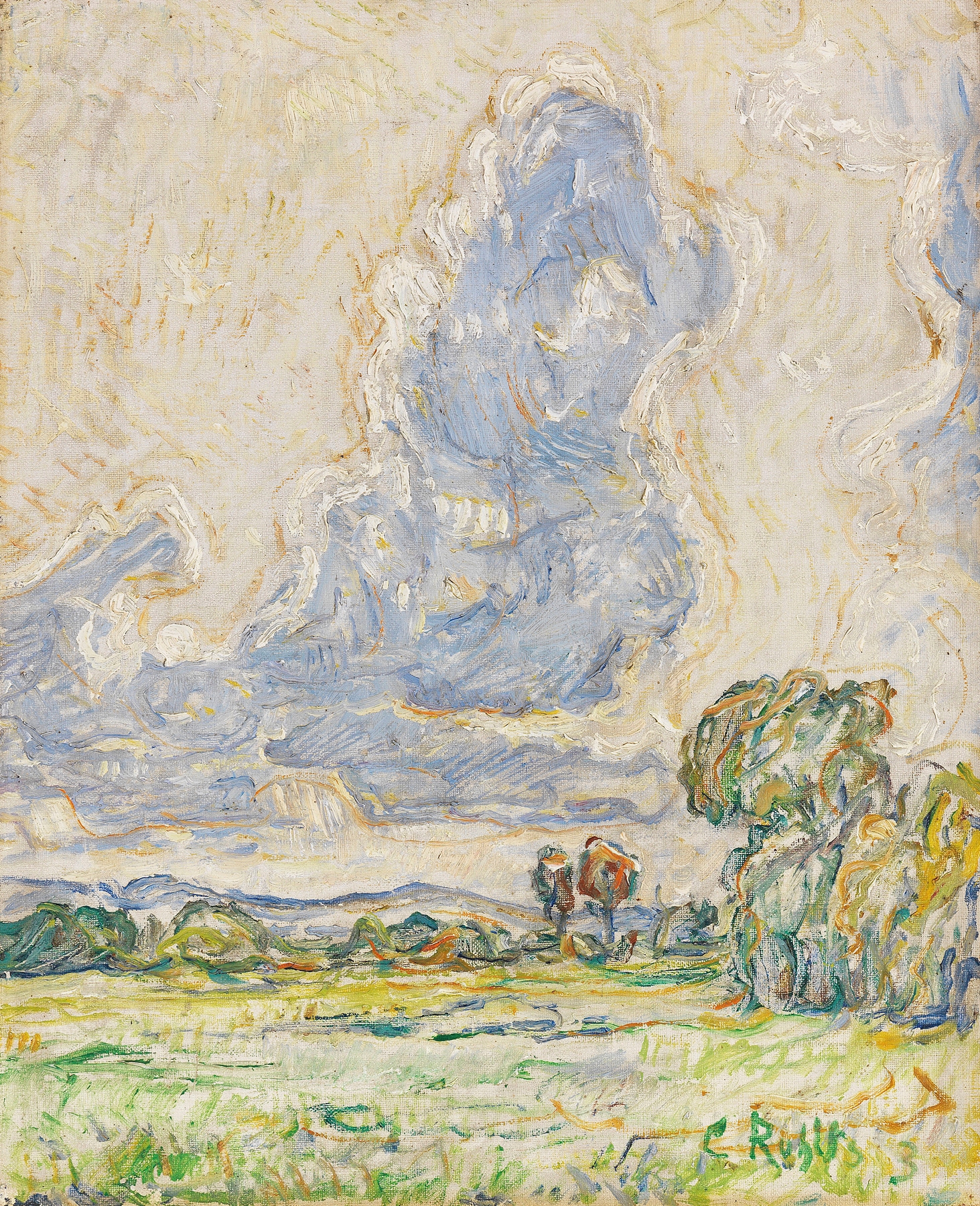
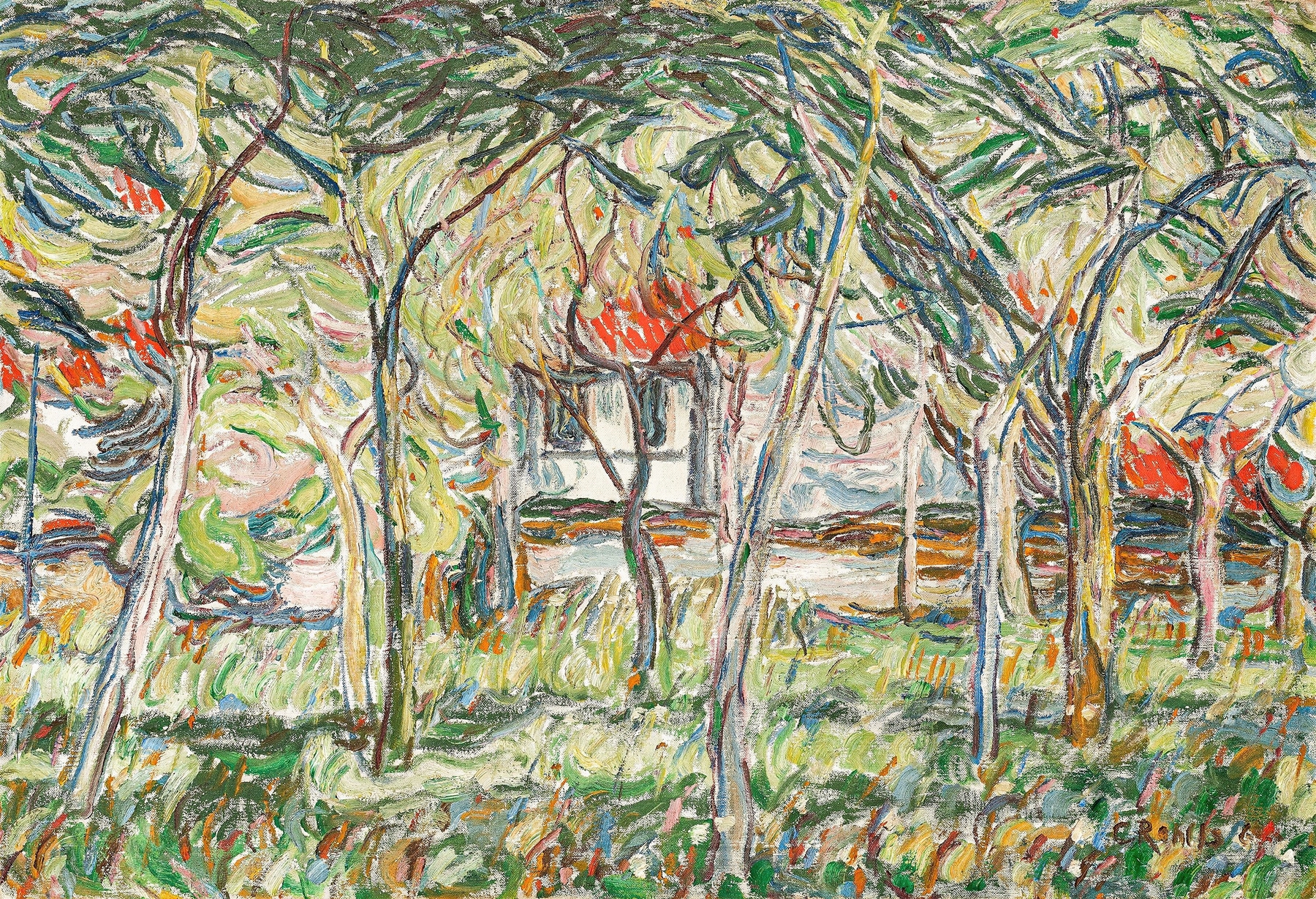
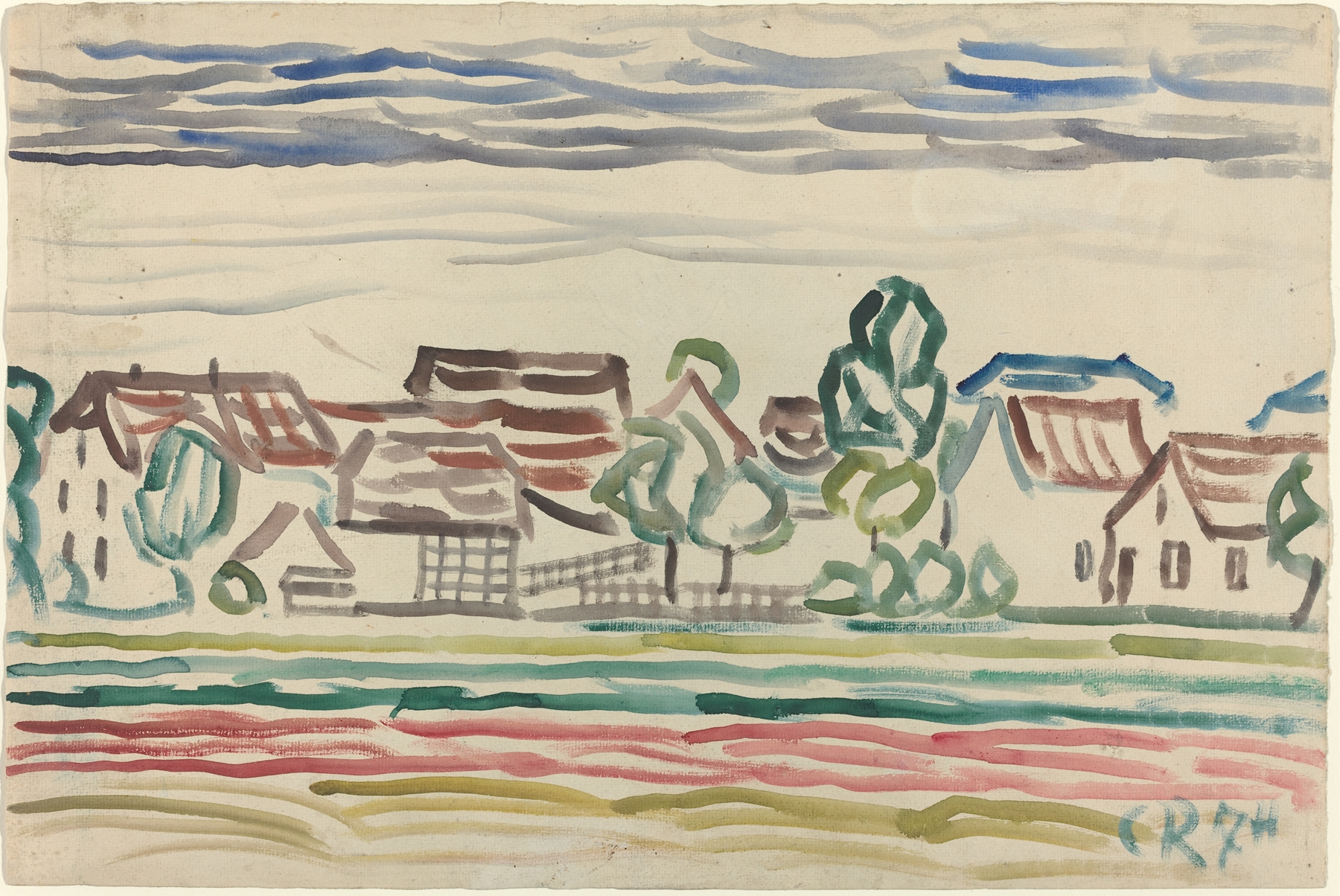
Is this a mirror — or a memory? The canvas invites you to wander into a realm where nature breathes a hypnotic rhythm, blurring the lines between reality and the tumult of the mind. Focus first on the towering pines that dominate the composition. Their jagged silhouettes rise steeply against a backdrop of swirling greens and deep blues. Notice how the brushstrokes pulse with energy, each stroke seemingly alive, conveying a sense of movement, almost as if the trees themselves are whispering secrets from the depths of the forest.
The interplay of light and shadow casts an otherworldly glow, revealing hidden depths that draw the viewer deeper into this woodland sanctuary. Within this mesmerizing scene lies a tension between tranquility and chaos. The vivid colors clash and harmonize, reflecting the duality of nature’s beauty and the turbulence of human emotion. The thick, swirling application of paint captures an essence of madness, hinting at the artist's own inner struggles and the wildness that can lurk beneath the serene exterior of the woods.
Each element, from the vibrant greens to the tumultuous brushwork, echoes a deeper narrative of longing, isolation, and the universal quest for self-identity amidst nature’s grandeur. Created in 1899, this work emerged during a transformative period in the artist’s life, marked by personal upheaval and an evolving artistic vision. Rohlfs was exploring the depths of expressionism, stepping away from realism as he sought to express the emotional resonance of landscapes. At this time, he was deeply influenced by the burgeoning art movements in Germany, making Kiefern auf dem Ettersberg a pivotal piece that encapsulates his innovative spirit and the darker, more complex aspects of human experience.