Kolditz an der Mulde im Schnee — History & Analysis
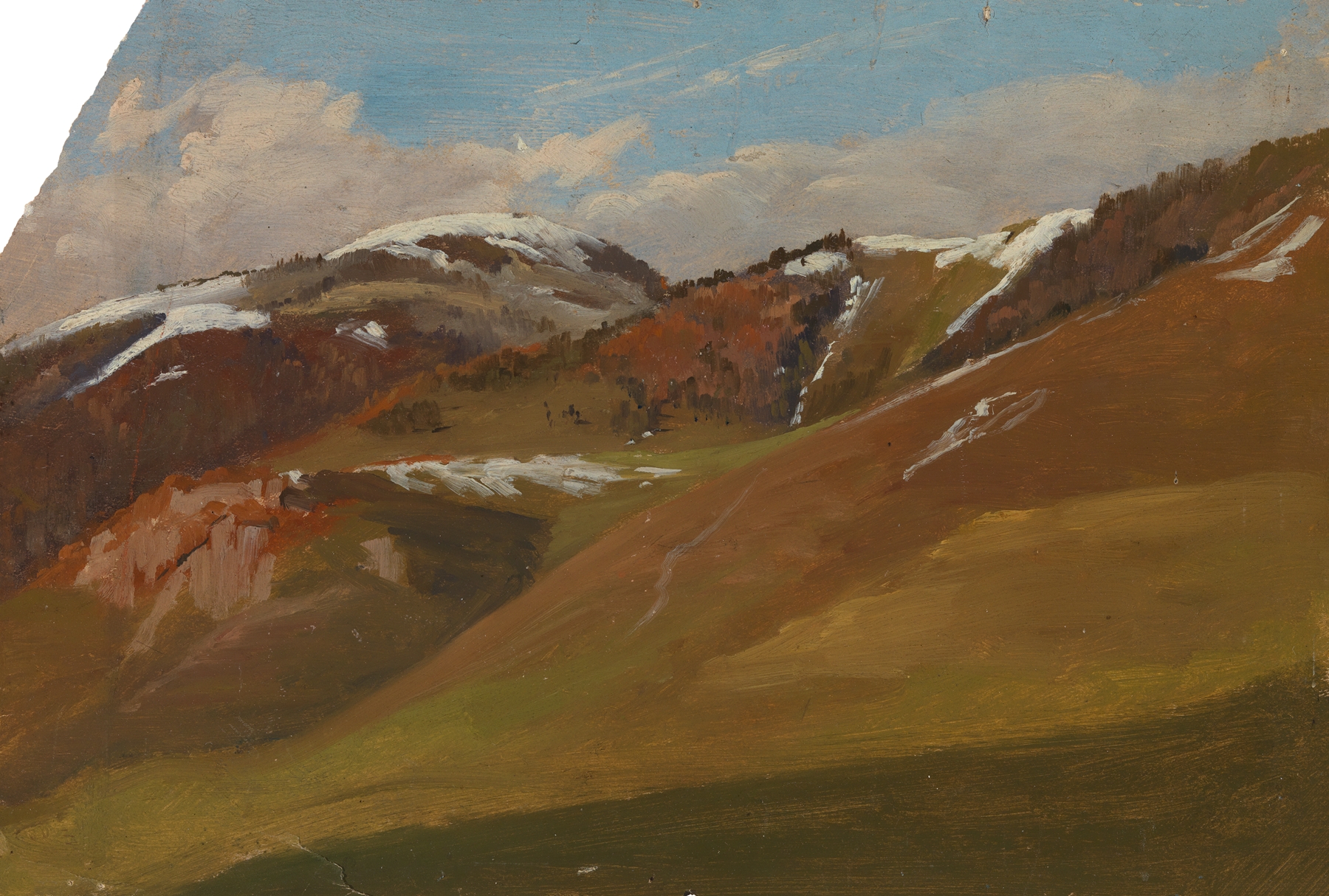
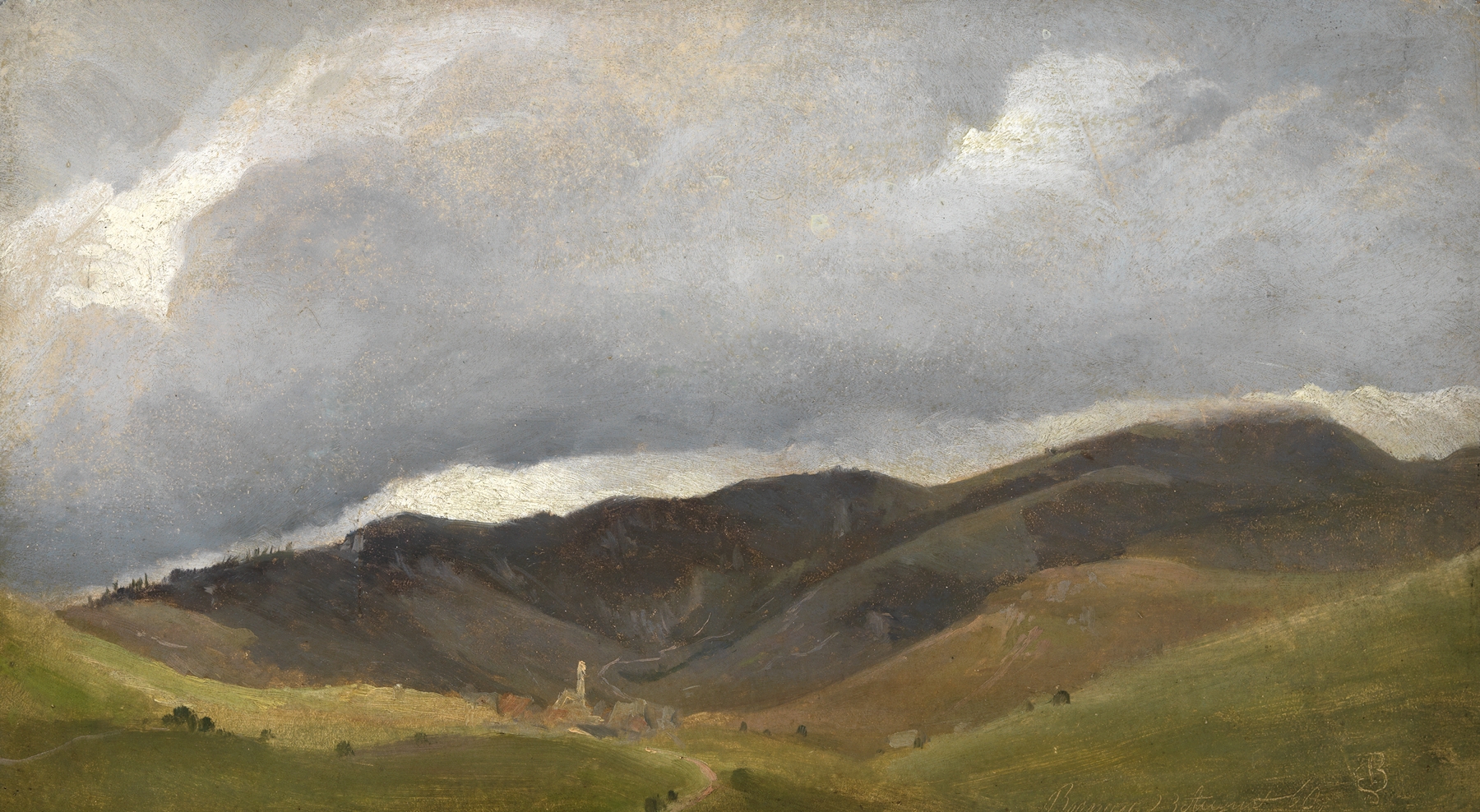
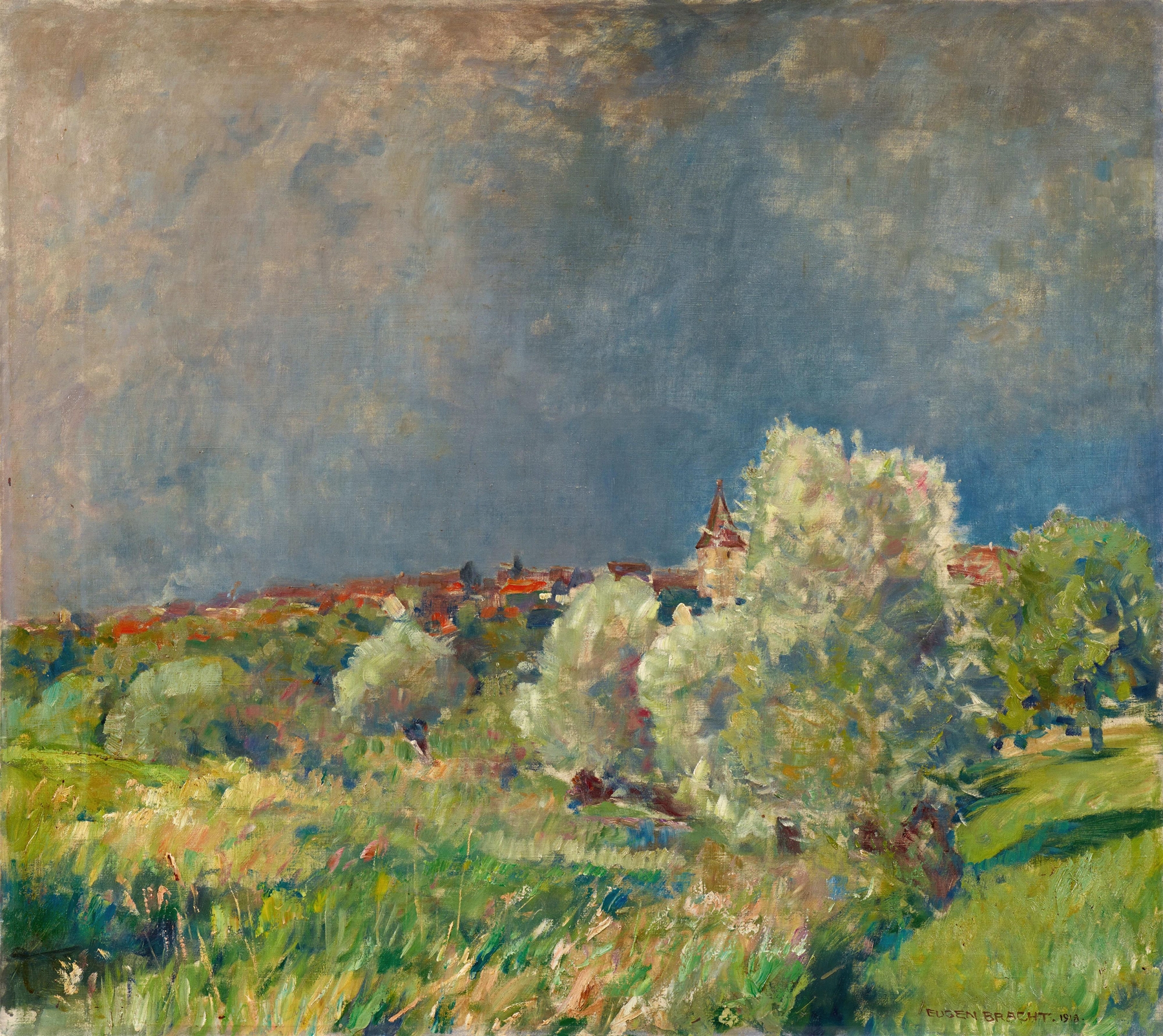
Who listens when art speaks of silence? In the quietude of winter, a landscape beckons us to explore the fears buried beneath its serene facade. Look to the foreground, where a thick blanket of snow envelopes Kolditz, softening the sharp angles of rooftops and trees. The muted palette of whites and grays draws your gaze into the distance, where the horizon blurs with a misty, cold light.
Notice how Bracht skillfully captures the interplay between the soft shadows and the subtle highlights on the snow, creating a sense of depth and inviting contemplation. Beneath the tranquil surface lies an undercurrent of tension. The calm winter scene contrasts sharply with the isolating chill of the environment, evoking a feeling of solitude that resonates deeply. The stark absence of figures suggests a narrative of abandonment or the lingering aftermath of a forgotten joy, amplifying the sensation of silence, almost as if the village itself is holding its breath in fear of the winter’s grasp.
In 1906, Bracht painted this work during a period of artistic exploration, where he immersed himself in the depiction of landscapes that reflected emotional truths. Living in Germany, he was influenced by the rising Symbolist movement, which sought to delve deeper into the psyche and the human experience. This painting embodies that quest, illustrating not just a physical place, but an emotional landscape laden with the weight of unspoken fears.