La ville de Bergen — History & Analysis
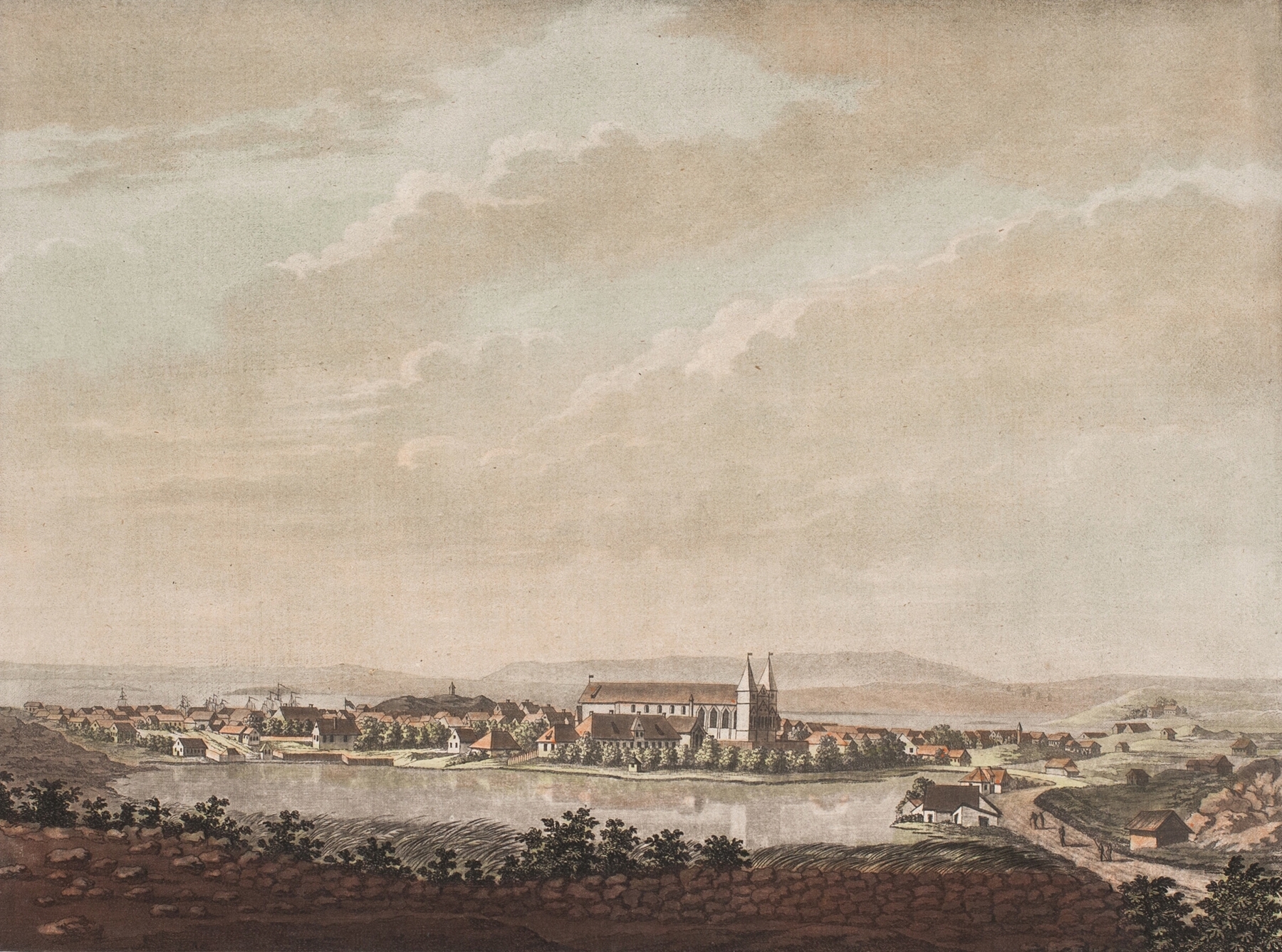
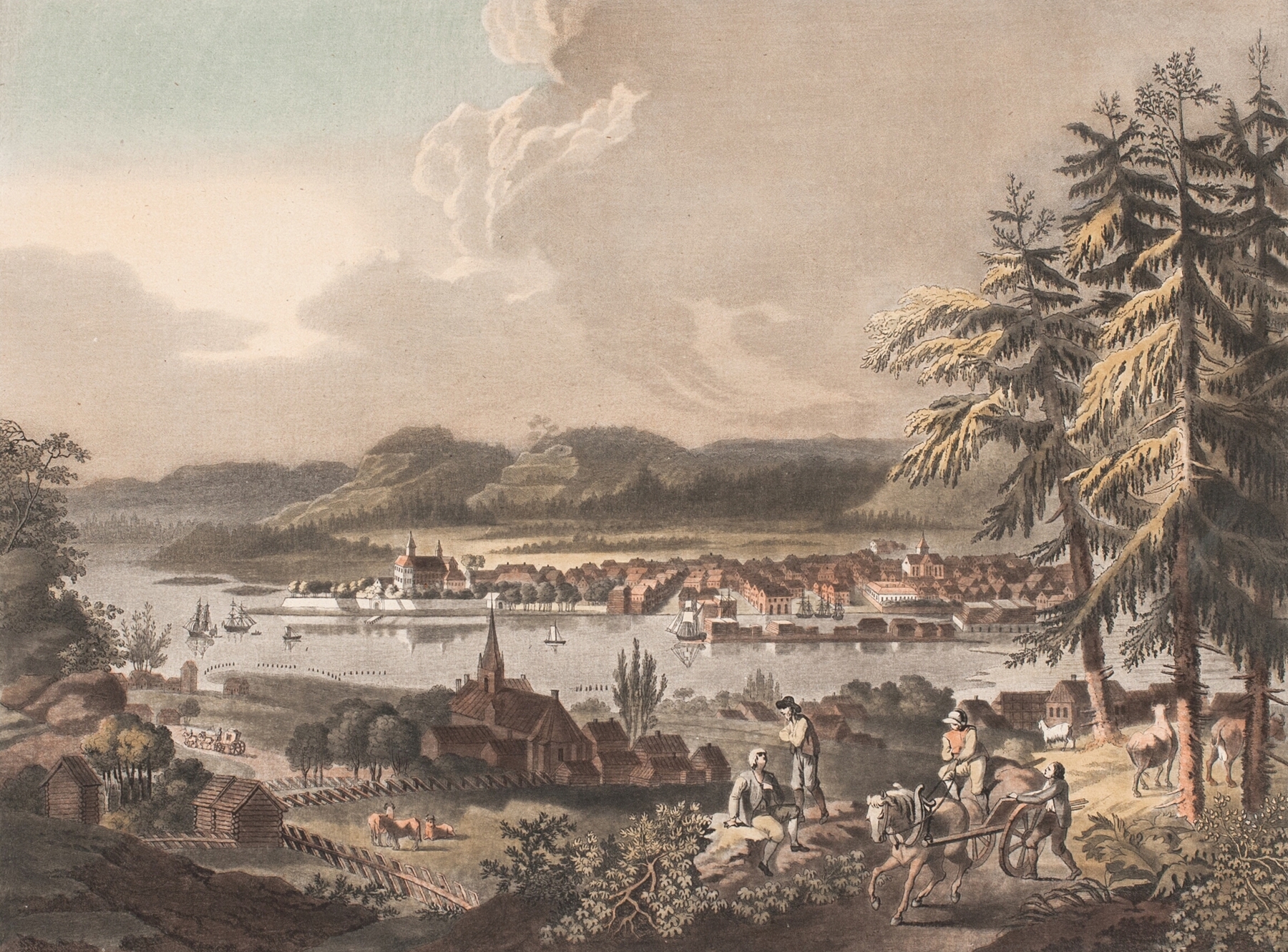
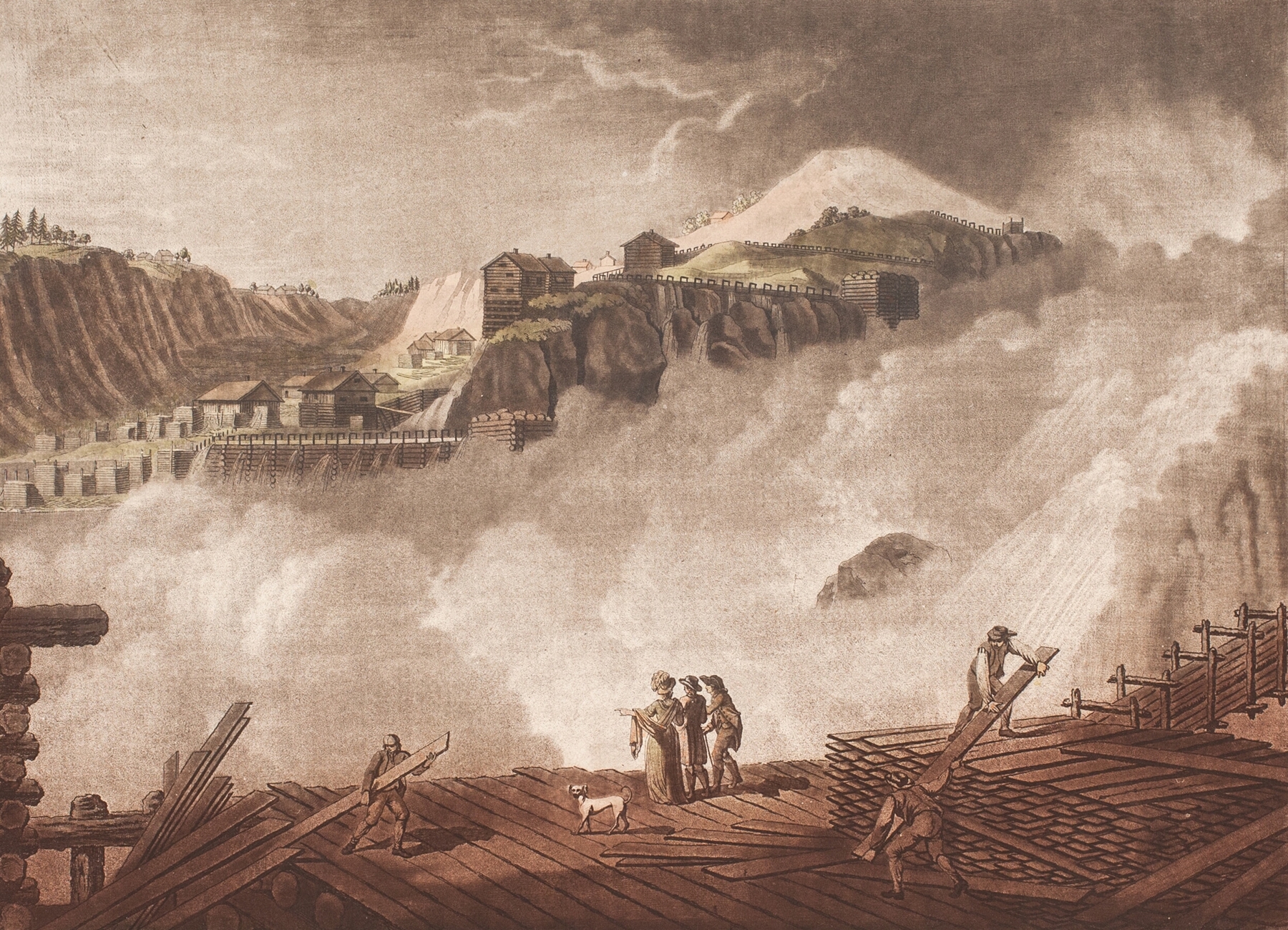
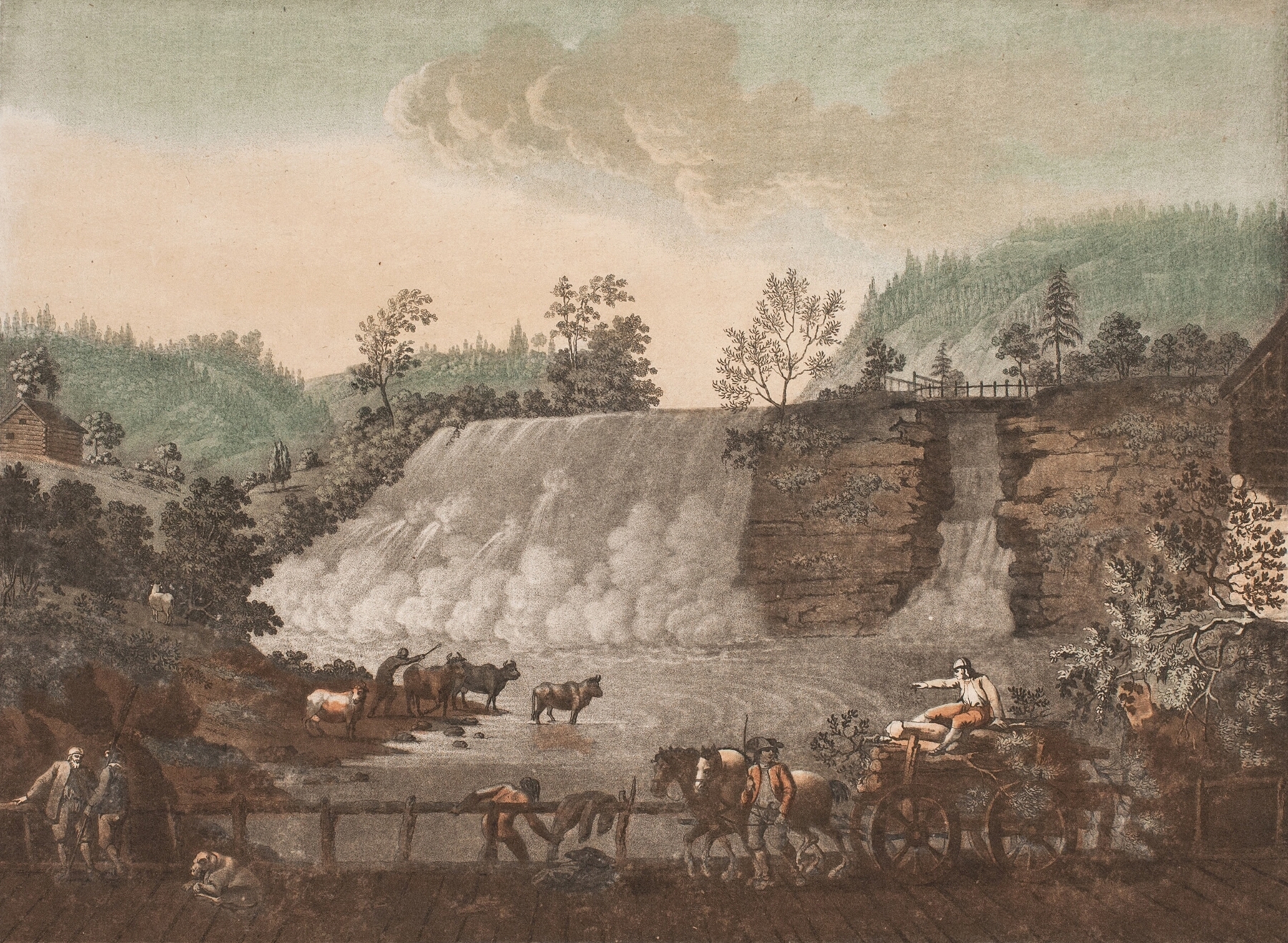
“To paint is to remember what time wants us to forget.” In the poignant act of creation, we encounter echoes of grief that linger like shadows in the heart. Look to the center, where the delicate architecture of Bergen rises against the horizon, each building a testament to both resilience and loss. The muted palette speaks of a world steeped in nostalgia, with gentle blues and greens blending seamlessly into soft grays. Notice how the light envelops the city, casting elongated shadows that suggest the passage of time and the memories suspended within its embrace.
Here, the juxtaposition of serenity and melancholy becomes palpable. The calm waters reflect not just the city but also the weight of remembrance—an invitation to reflect on what has been lost. Small details, like the solitary figure wandering along the shore, amplify the sense of solitude, hinting at stories untold and histories intertwined with grief. The artist captures the essence of a place that holds both beauty and sorrow in its embrace, reminding us that every scene bears layers of untold emotion.
Created between 1787 and 1791, this work emerged during a transformative period for Georg Haas, who was navigating the complexities of personal loss while exploring the burgeoning Romantic movement in art. The late 18th century was marked by an increasing interest in depicting emotional depth and the sublime, as artists began to challenge the rigid structures of Neoclassicism. In this context, Haas's portrayal of Bergen resonates powerfully, bridging a moment of personal confrontation with collective memories of a changing world.