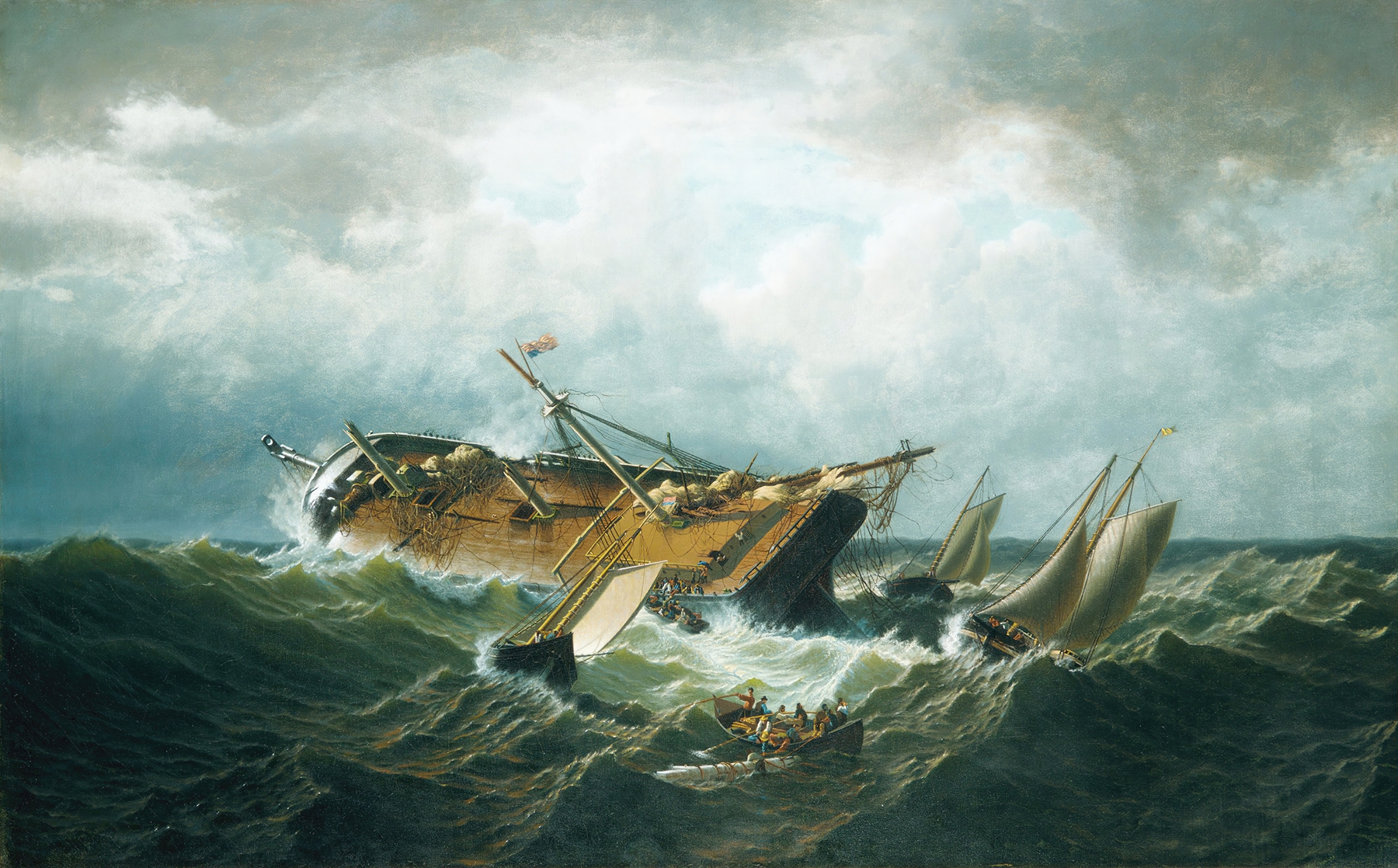
Labrador Coast — History & Analysis
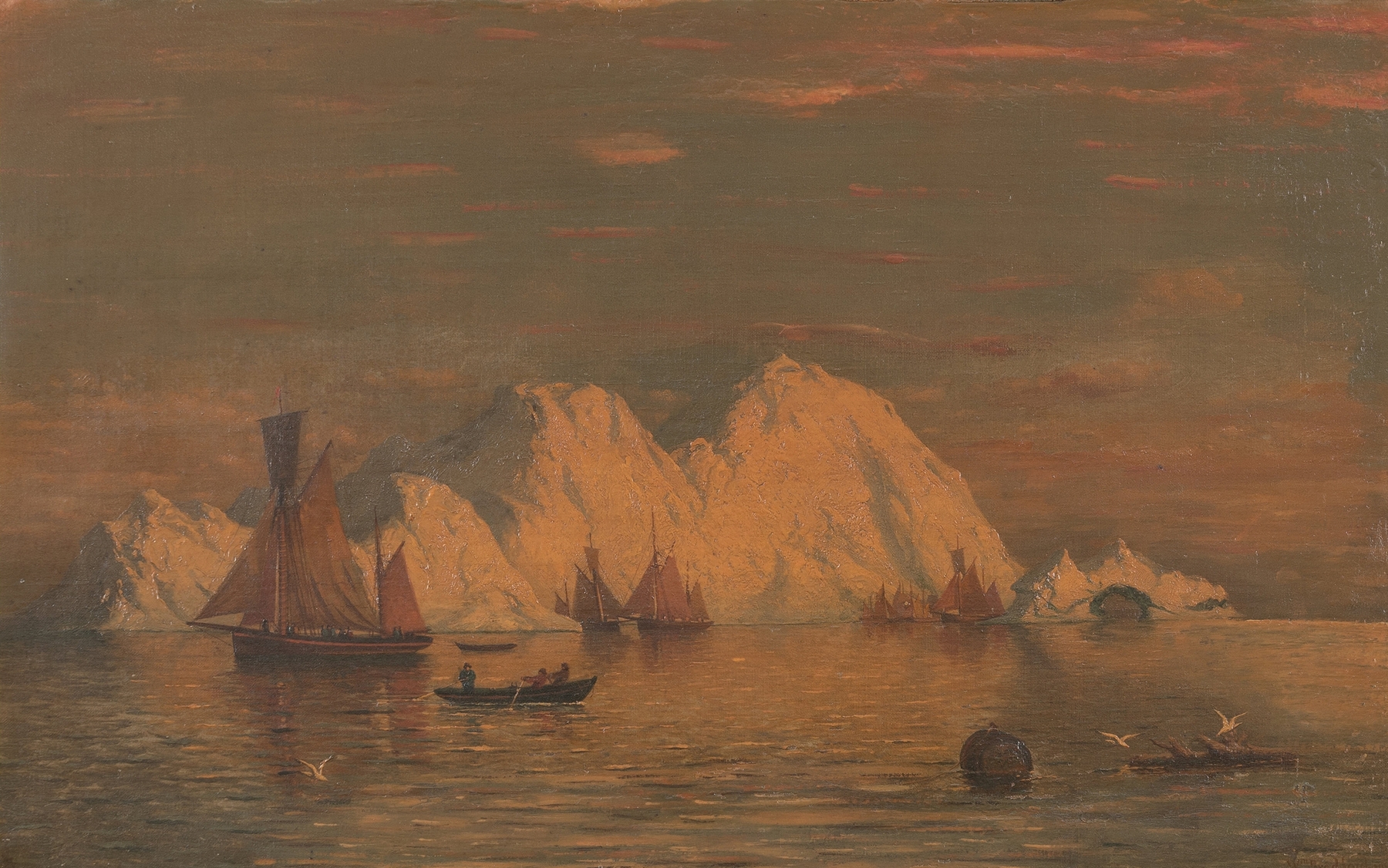
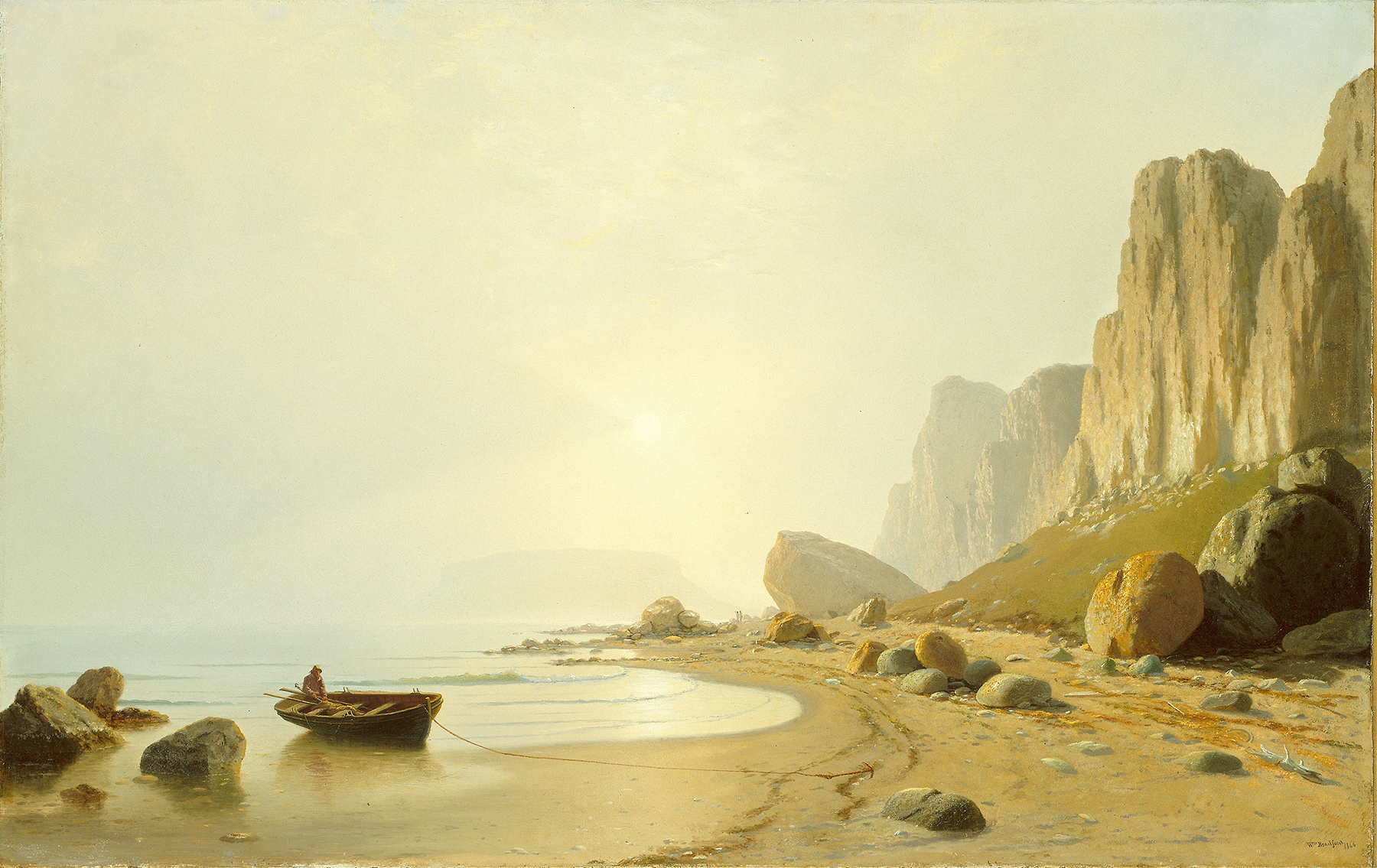
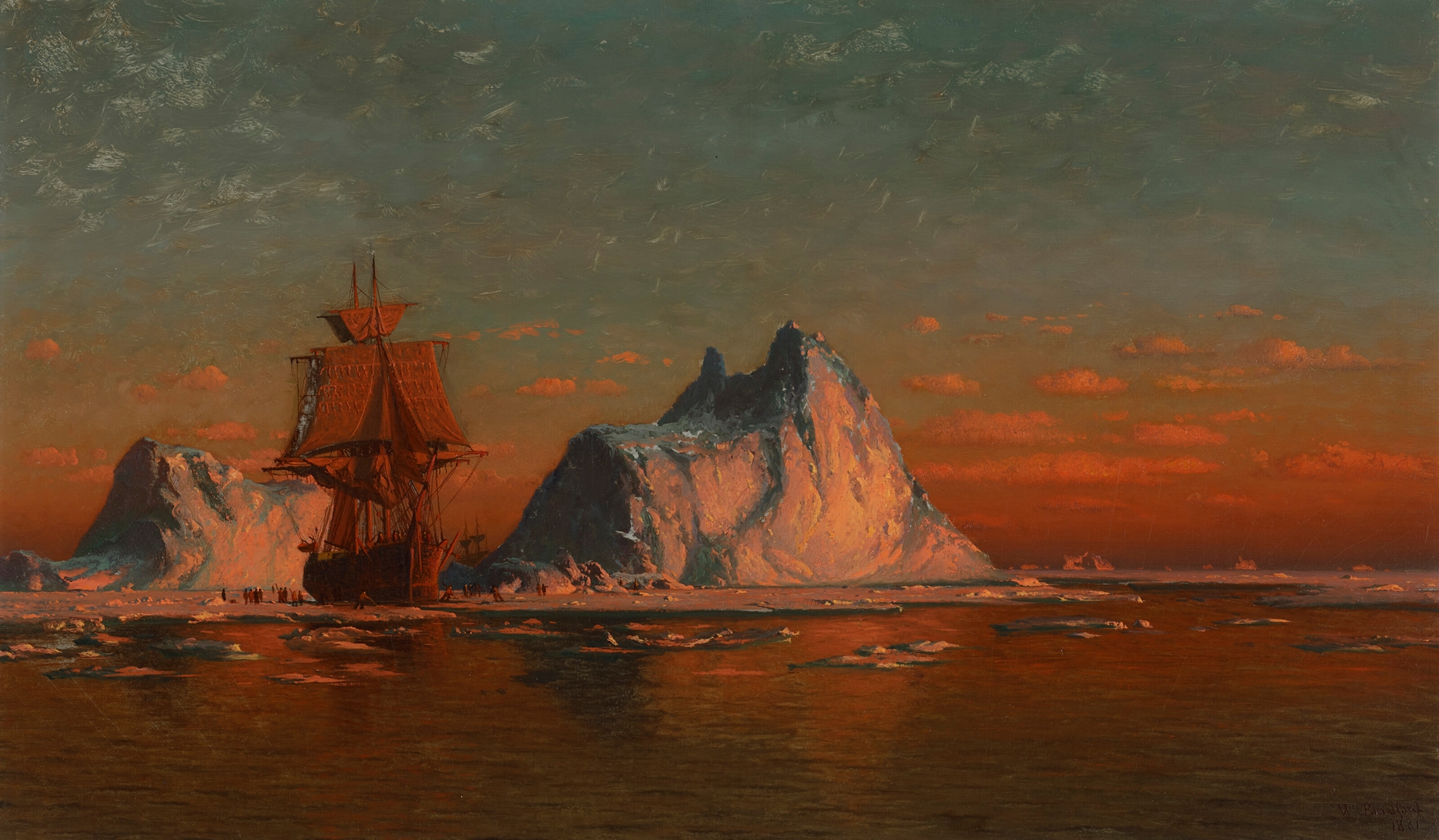
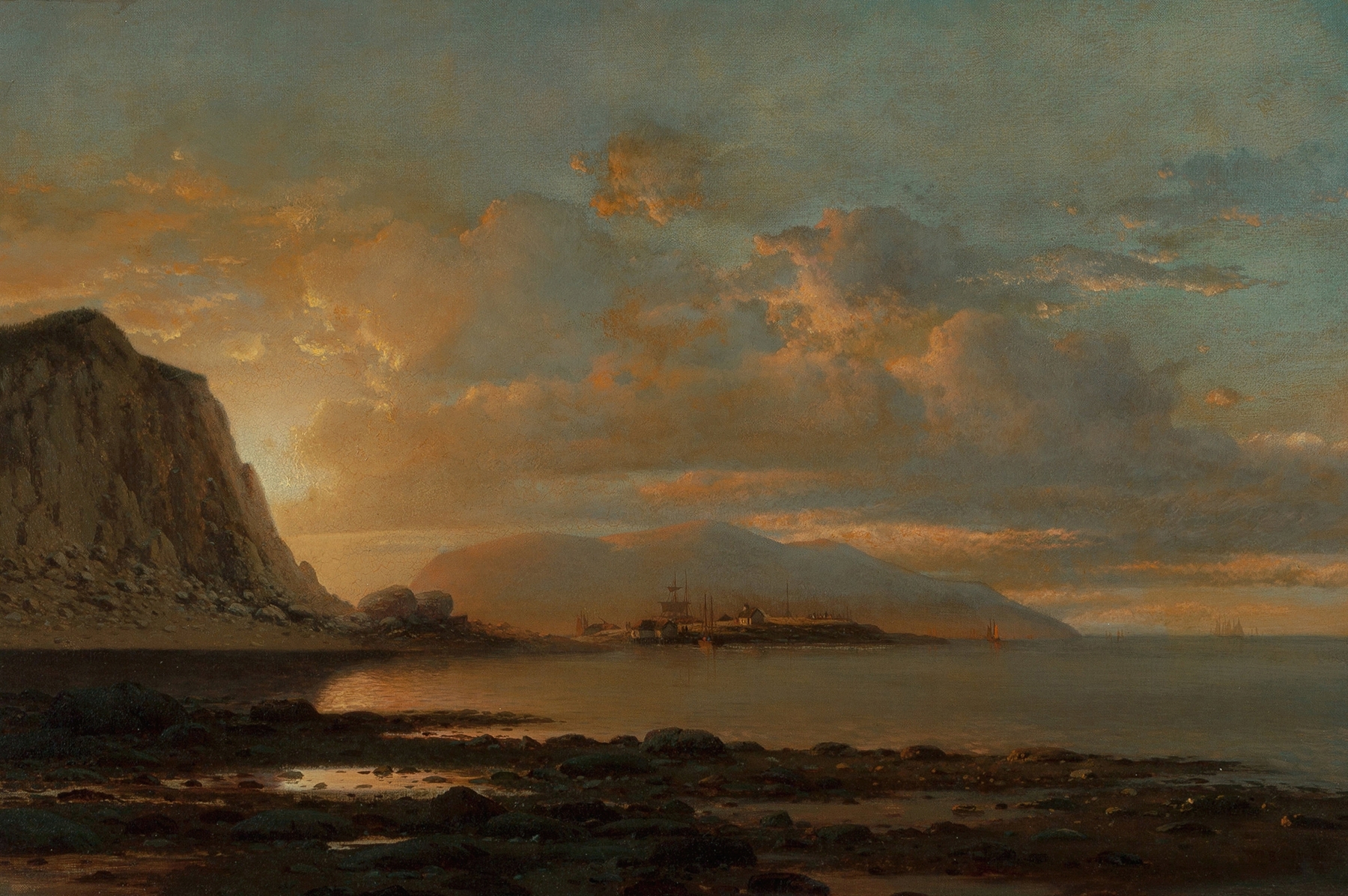
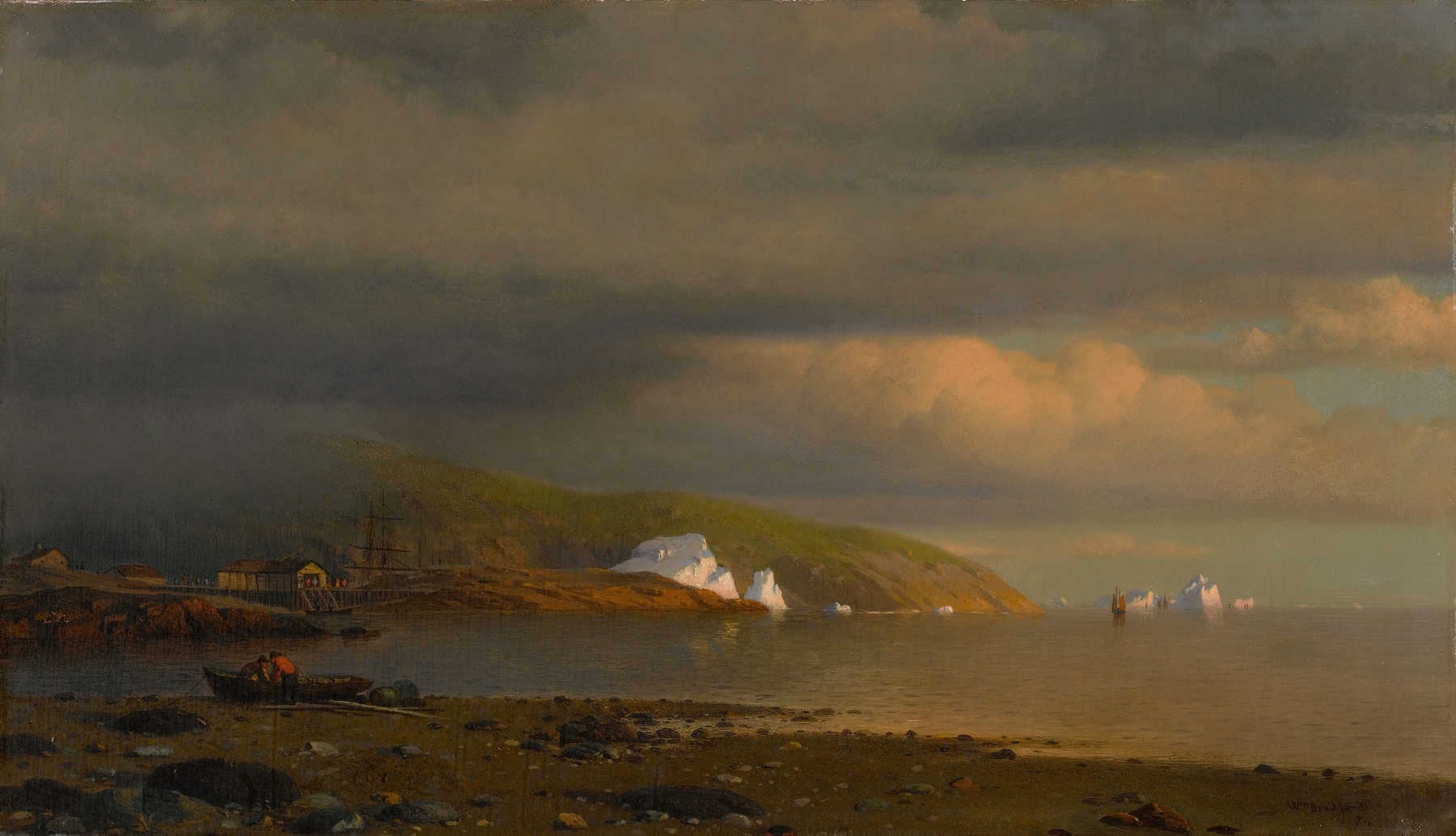
Is this a mirror — or a memory? The vast, shimmering expanse of water beckons, a canvas of longing that blurs the lines between reality and imagination. Look to the bottom of the painting, where the rugged coastline meets the tranquil sea. The interplay of light dances across the waves, each brushstroke capturing the movement of the tide. Notice how the deep greens and blues contrast with the warm ochres of the land, creating a dialogue between the earth and the water.
The subtle gradations of light suggest a time of day just before dusk, where the world is caught in a moment of quiet beauty. Yet, beneath the surface lies a tension between solitude and adventure. The jagged rocks, weathered by time, seem to whisper stories of the past, while the distant ship evokes a yearning for exploration. This duality speaks to human desire, reflecting our restless spirit and the allure of the unknown.
The fog that hovers over the horizon adds an air of mystery; it is a reminder that some journeys remain unfinished, forever lingering in the heart. In the early 1860s, William Bradford painted this work during his explorations of the Labrador coast in Canada. At that time, he was deeply influenced by the themes of nature and solitude, responding to the growing interest in the American wilderness. His focus on the sublime beauty of untouched landscapes mirrored the larger artistic movement of Romanticism, which sought to capture the profound connection between man and the natural world.