Landscape — History & Analysis
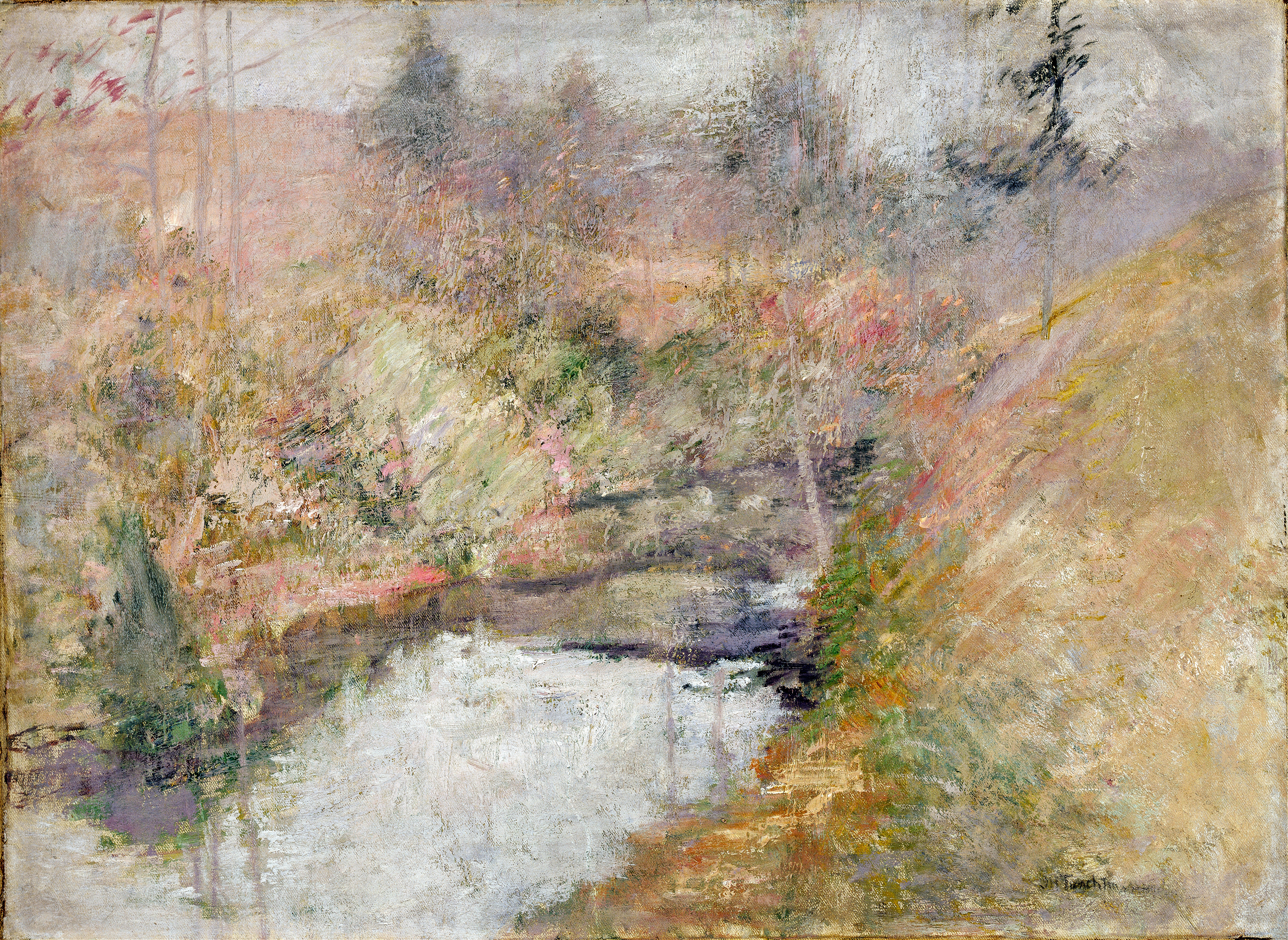
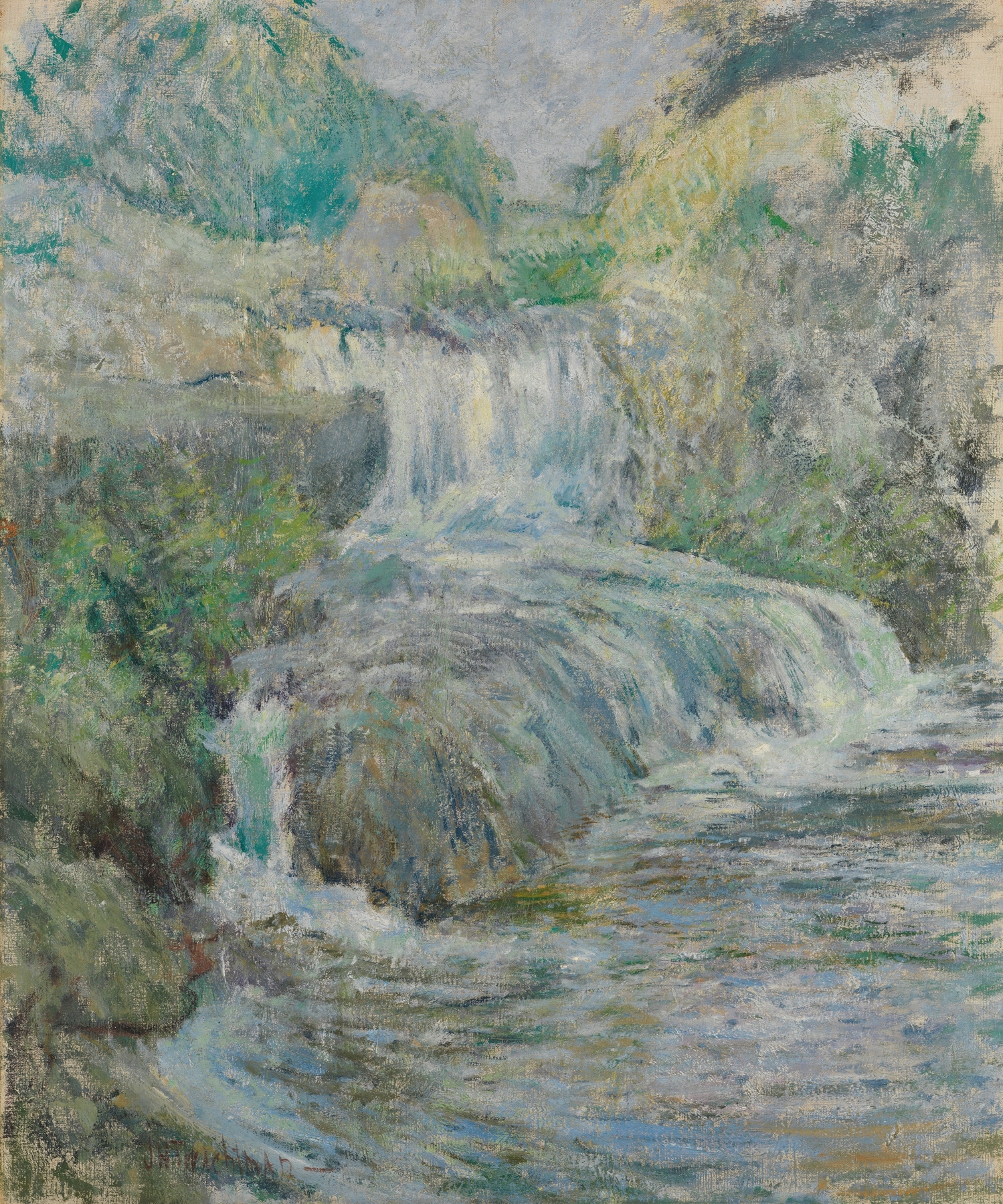
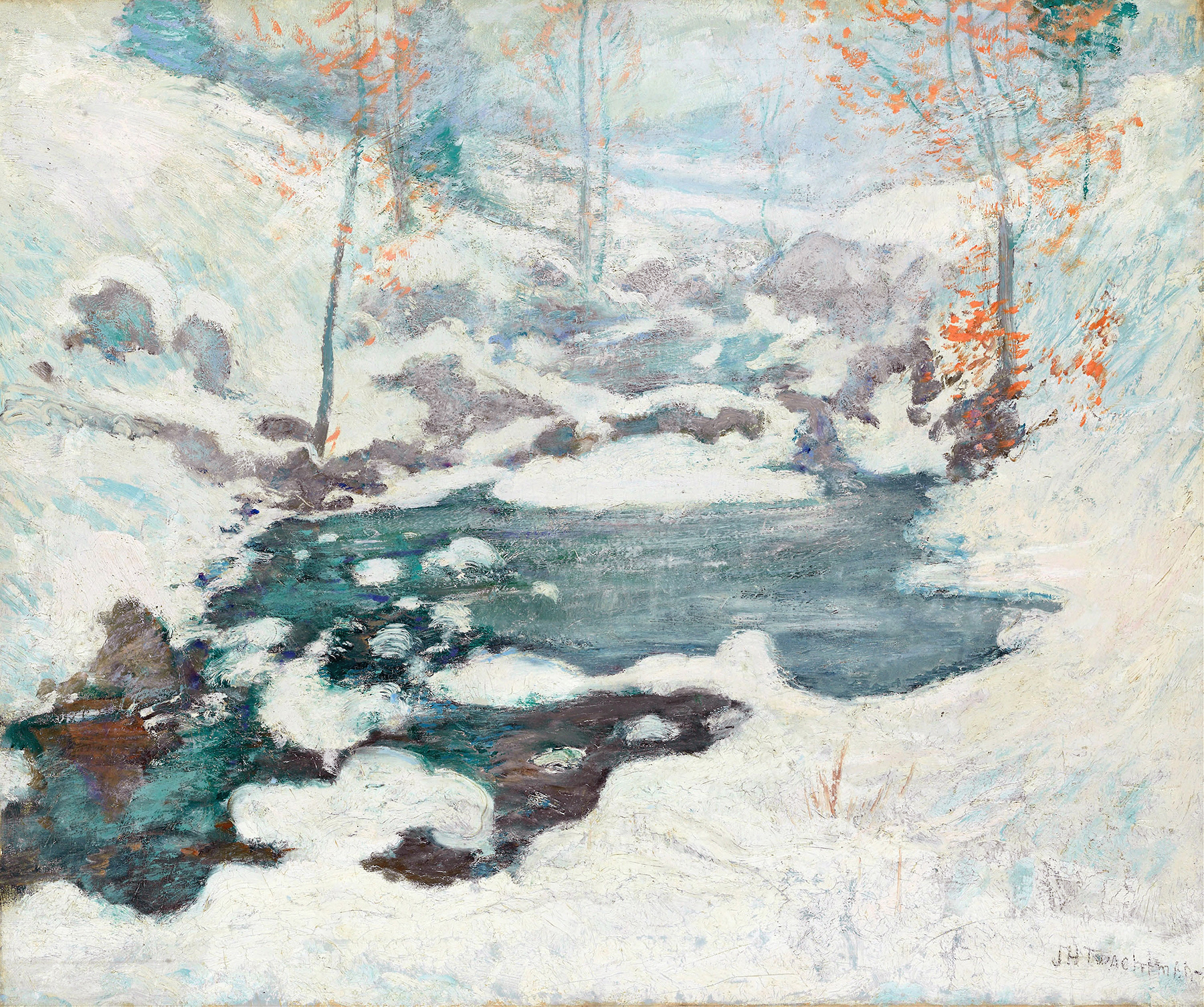
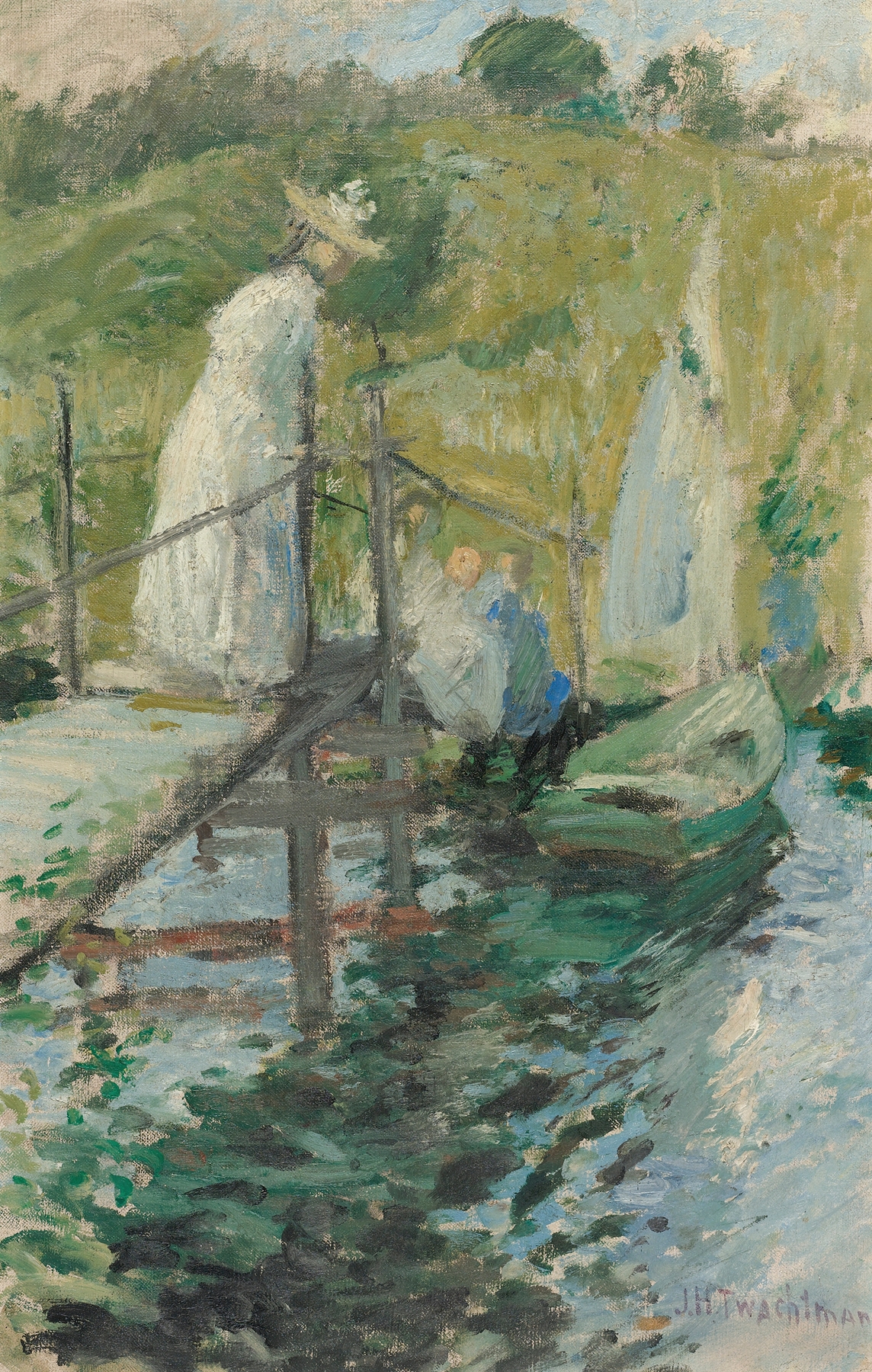
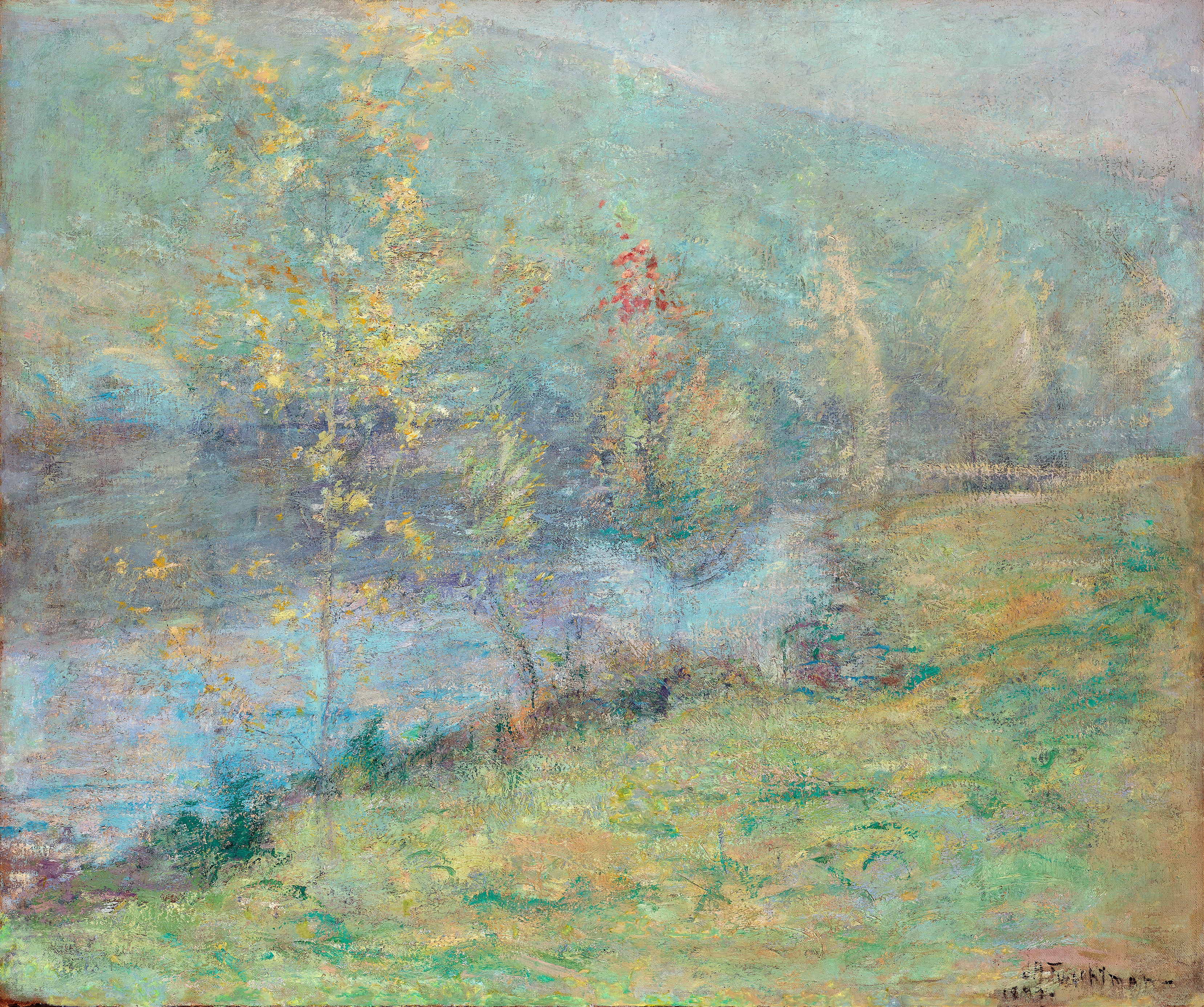
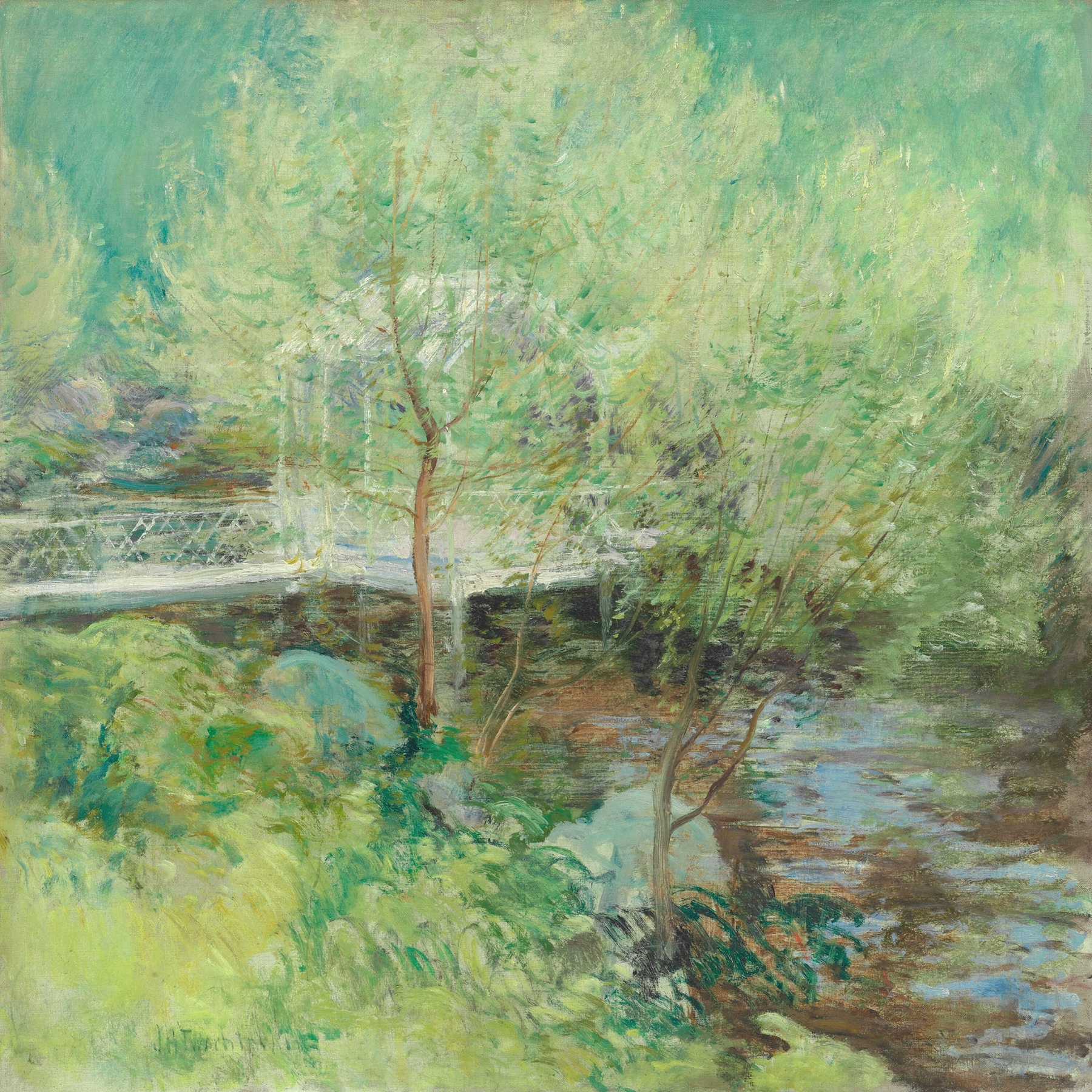
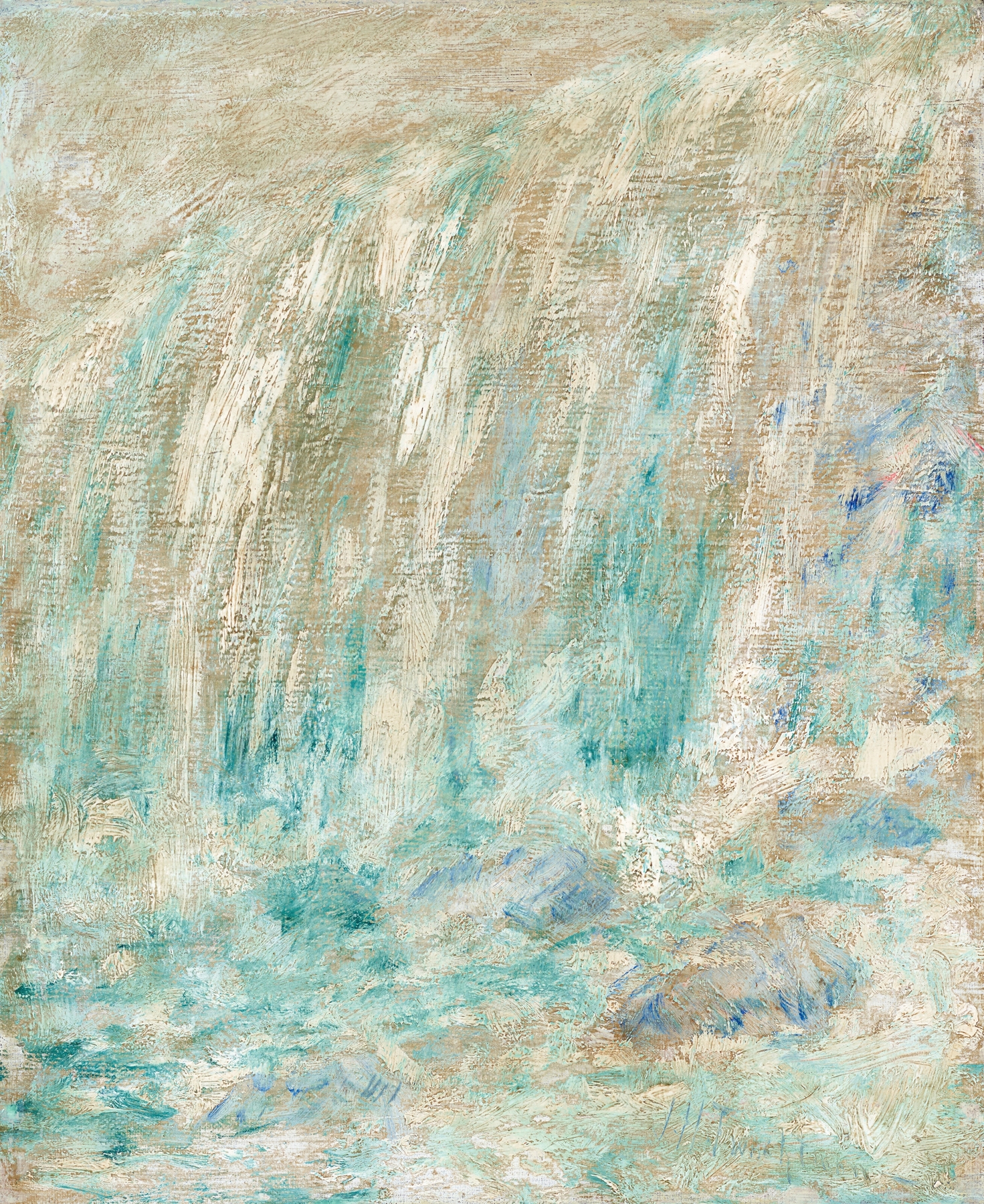
“To paint is to remember what time wants us to forget.” In a world where moments slip through our fingers like grains of sand, there exists a profound faith embedded in the brushstrokes of Landscape. Look to the canvas, where a gentle interplay of hues invites your gaze. The foreground is alive with a cascade of lush greens, dotted with feathery strokes that evoke the dance of leaves in a soft breeze. Focus on the horizon, where deep blues and muted grays converge, suggesting the weight of a serene sky.
The light is diffused, capturing a fleeting moment of nature that feels both timeless and transient, echoing the artist's mastery of capturing atmosphere. Within this tranquil composition lies a tension between the vibrancy of life and the stillness of nature. Notice the tiny details—the way the light playfully kisses the surface of the water, hinting at deeper currents beneath. The contrast between the vivid foreground and the muted distance reflects the artist’s quest to bridge the ephemeral with the eternal, embodying a faith in the natural world that transcends mere representation.
John Henry Twachtman painted Landscape around 1887-1888 during a period of exploration in American Impressionism. Living in Connecticut, he was part of a community of artists drawn to the quiet beauty of rural settings. This was a time when the art world was shifting, embracing new techniques and perspectives, and Twachtman was at the forefront, honing his style as he sought to capture the essence of the landscapes he loved.