Landscape at Sunset — History & Analysis
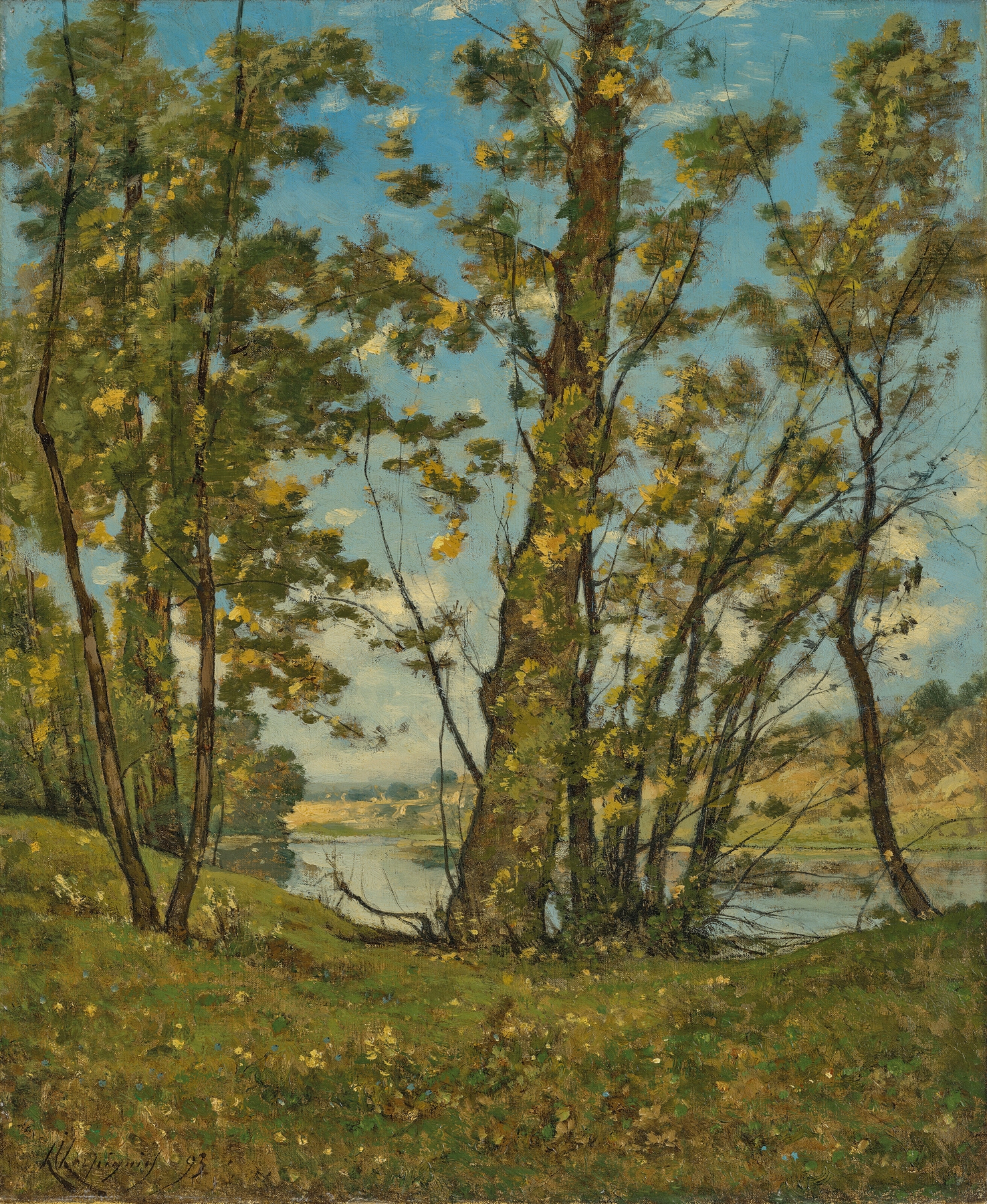
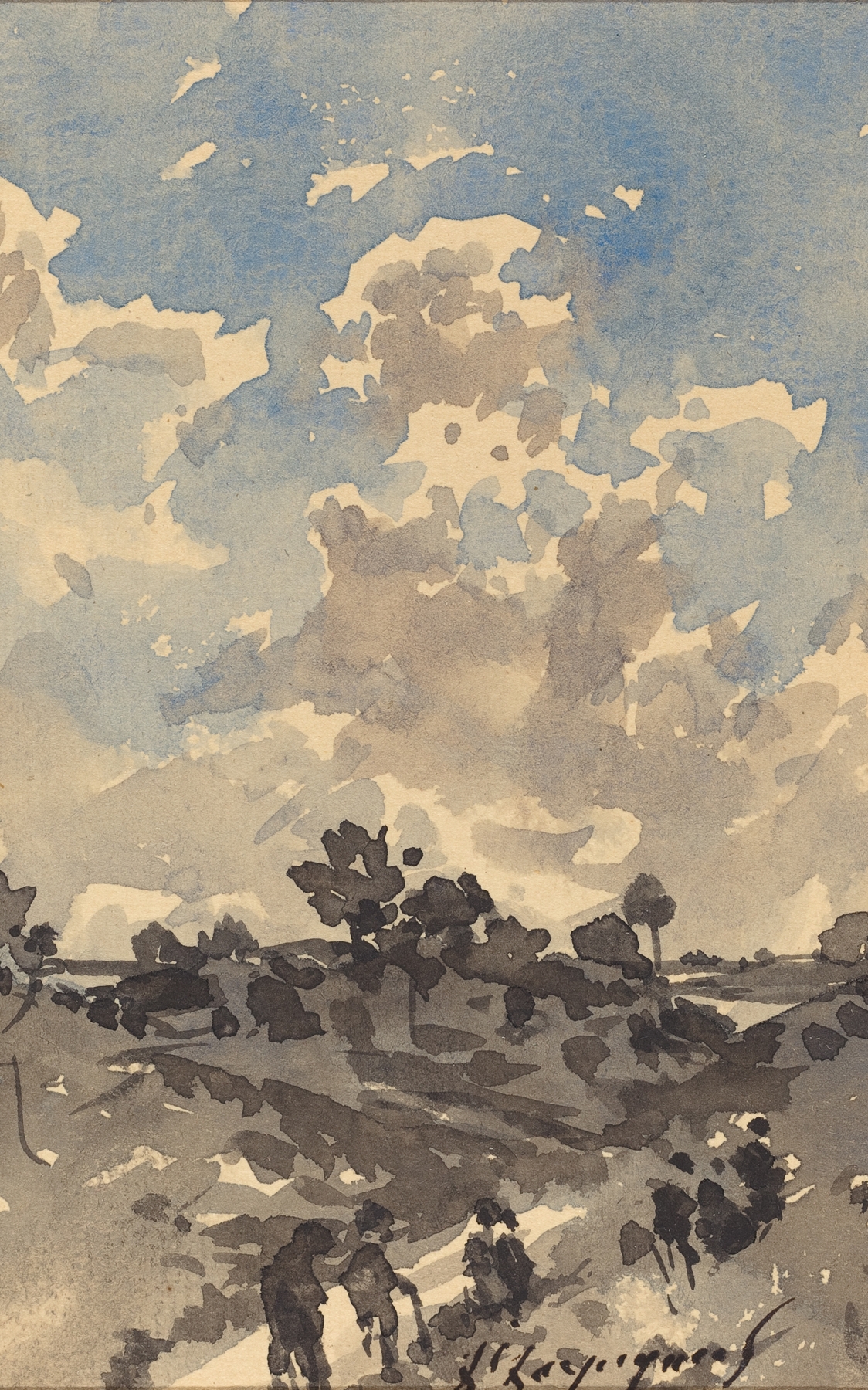
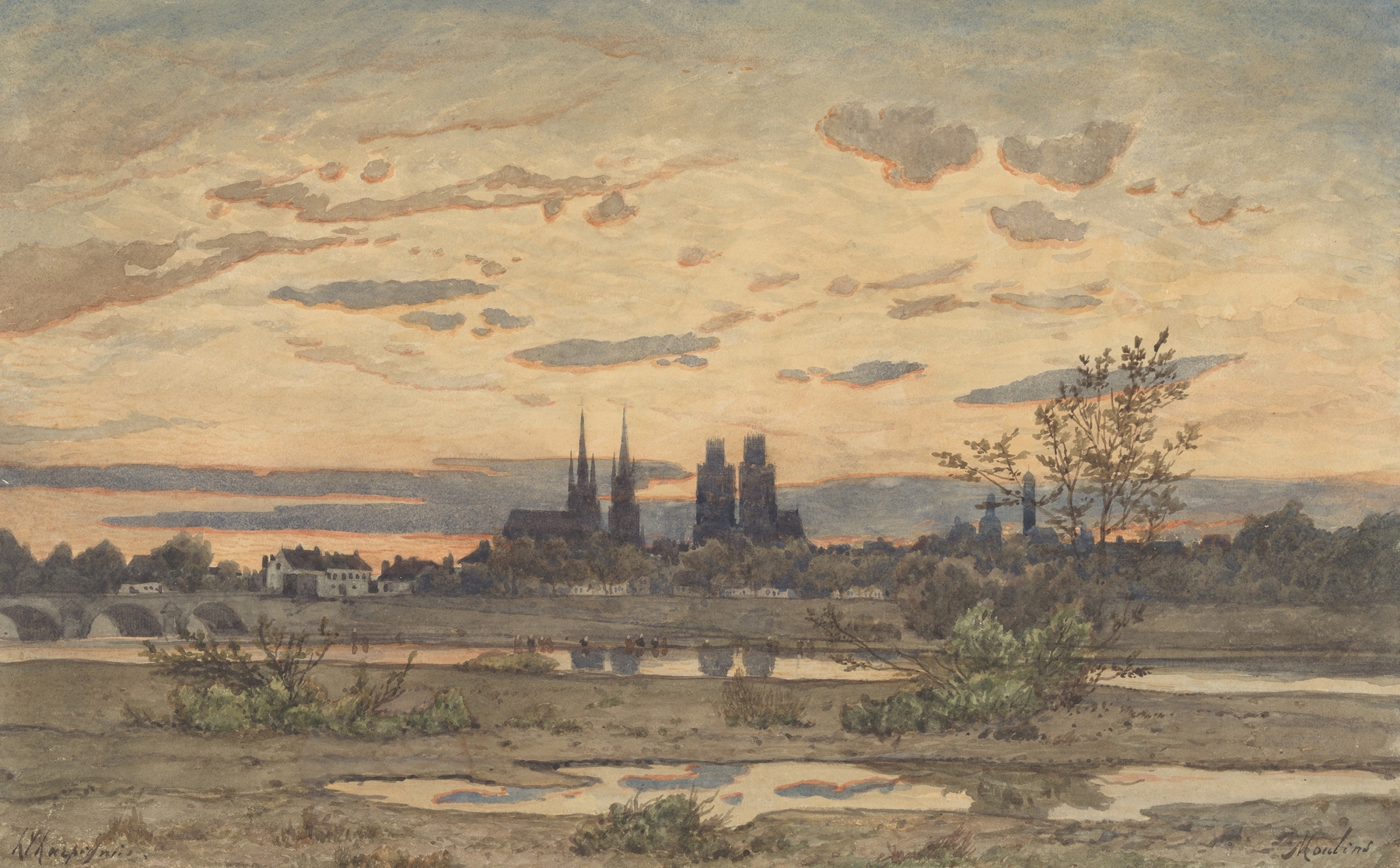
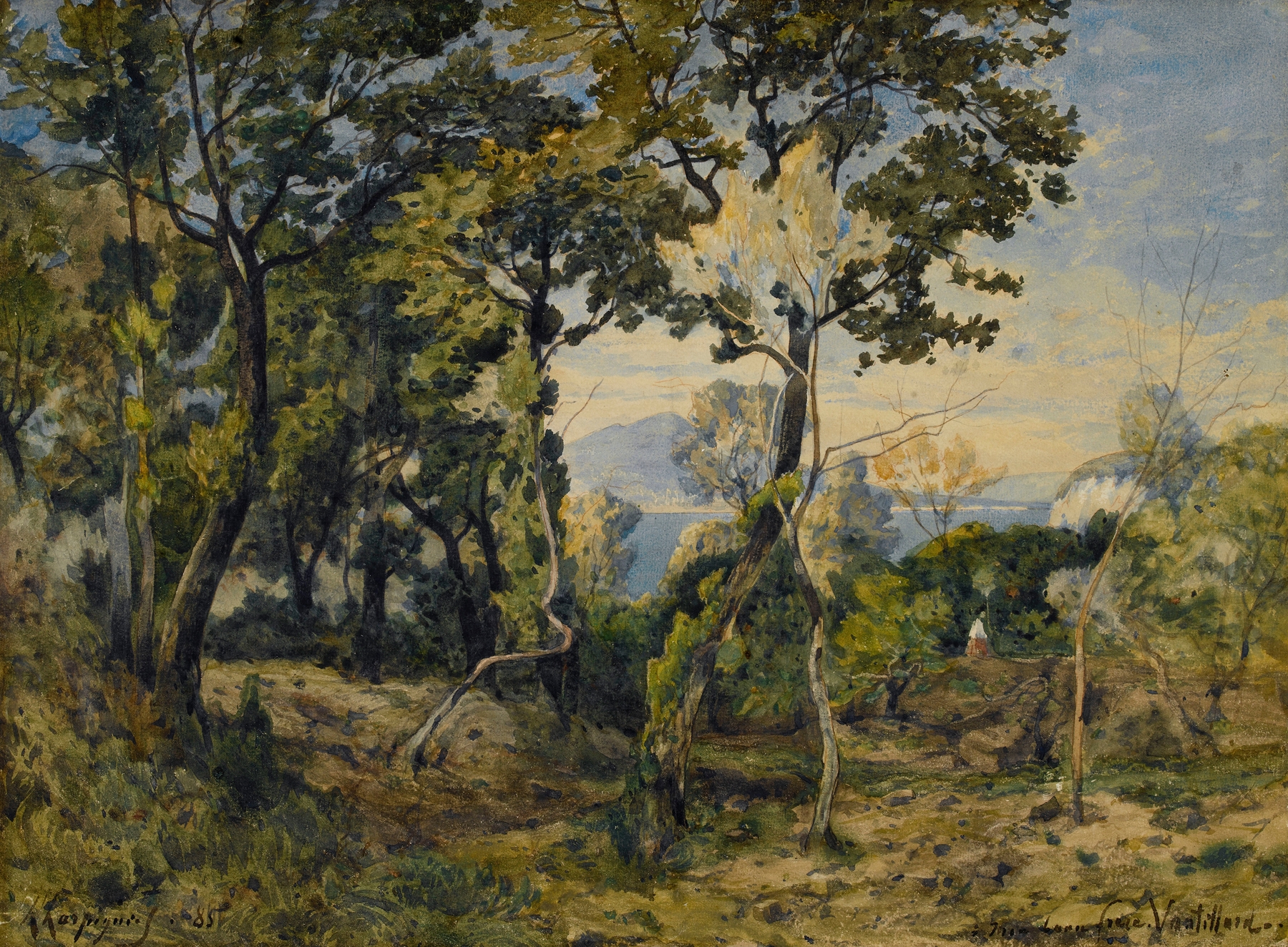
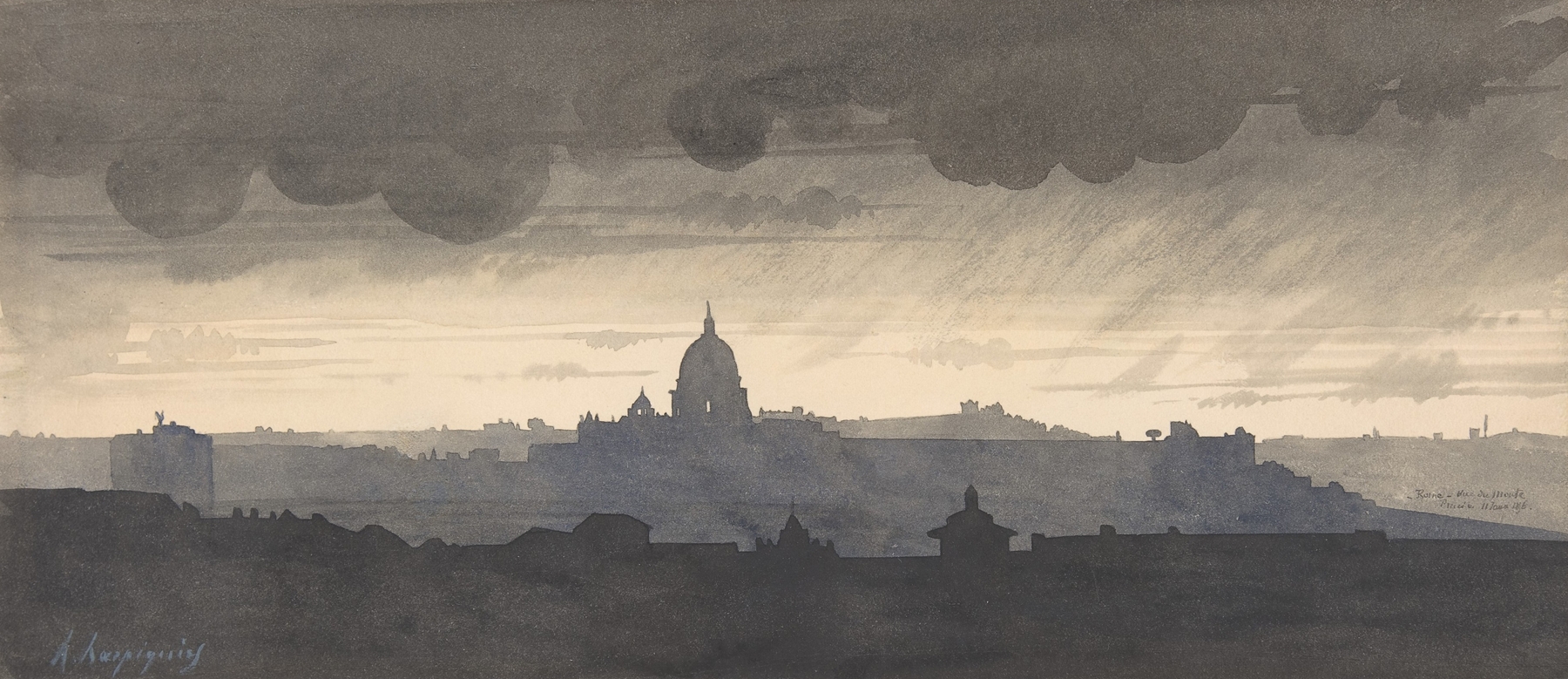
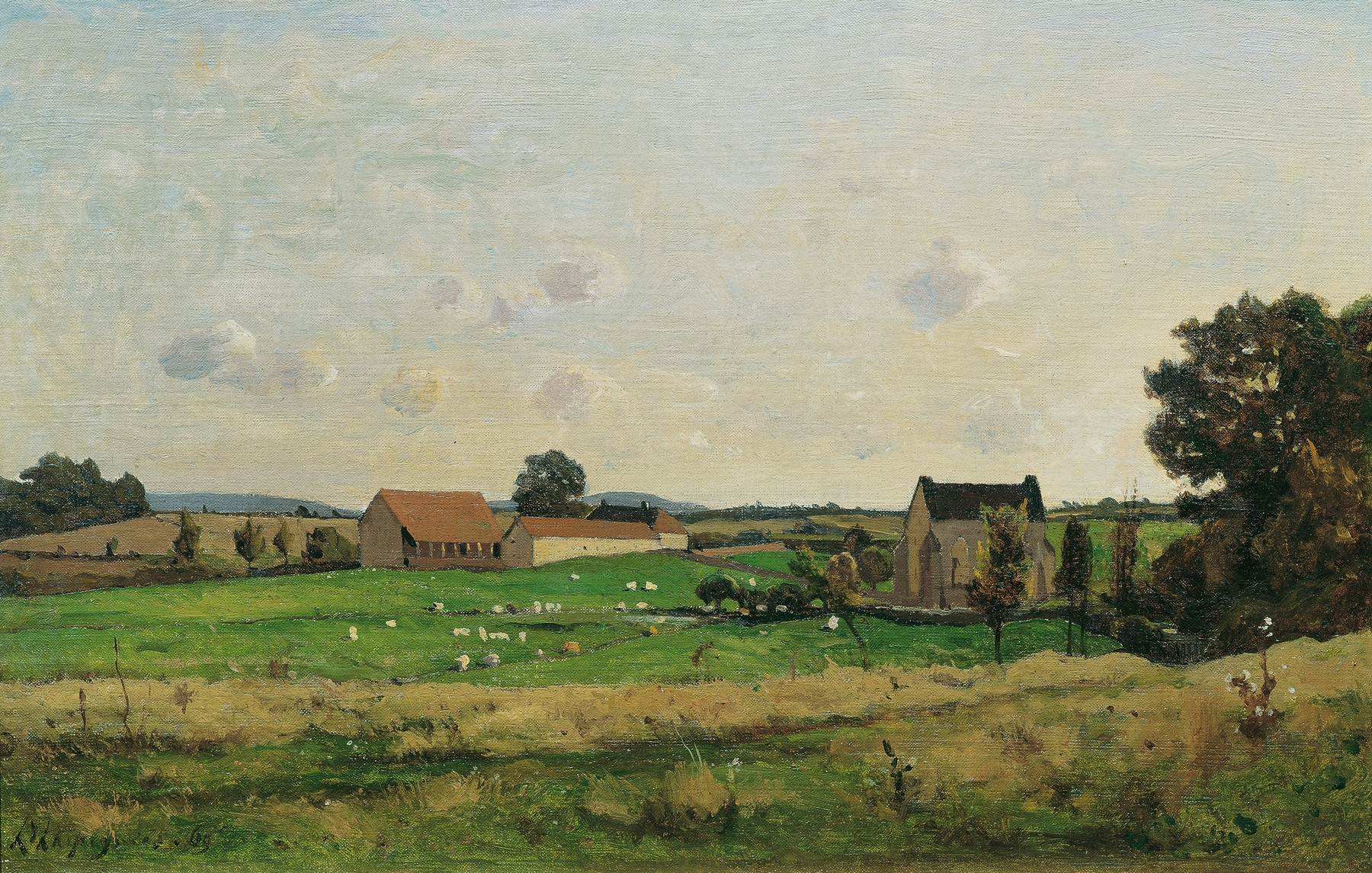
“Every silence here is a confession.” In the fleeting moments of twilight, the earth and sky engage in a quiet dialogue, revealing the divine interplay of light and shadow. Look to the horizon where the warm hues of the setting sun slowly bleed into deep indigo. The soft, rich colors blend effortlessly, guiding your eye across the canvas from the radiant golds to the serene blues. Notice how the brushwork creates an almost ethereal quality, as if the scene is not merely observed but felt—each stroke infused with the pulse of nature's heartbeat.
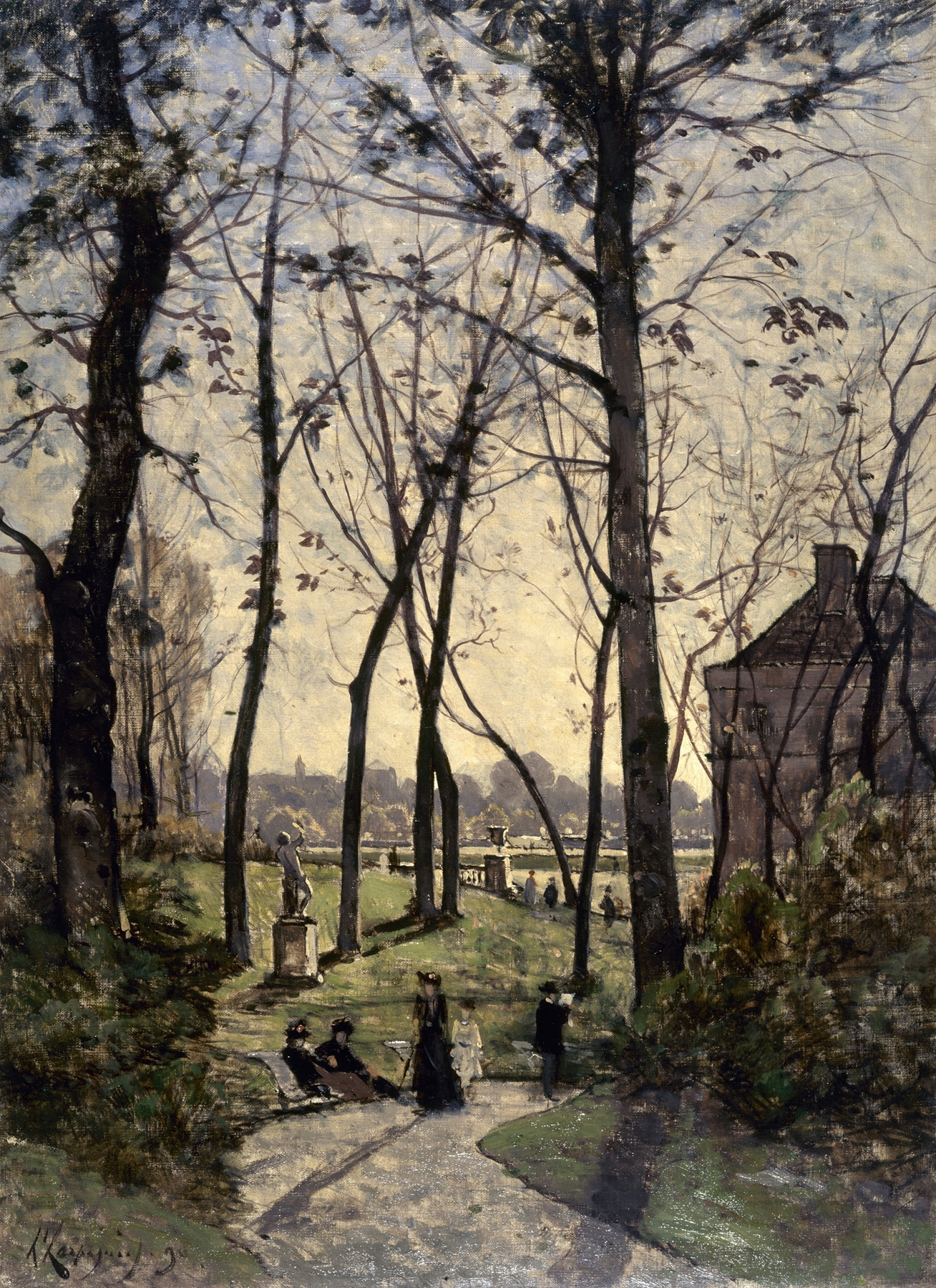
The towering trees frame the view, their silhouettes dark and contemplative, inviting a sense of introspection. Within this tranquil landscape lies a juxtaposition: the transient beauty of dusk juxtaposed against the steadfastness of the trees. The light, gentle but powerful, suggests a divine aura, illuminating the fragile boundary between day and night, life and rest. The shimmering reflection on the water acts as a mirror—both for the sky and for the soul—prompting contemplation of time's passage and nature's eternal cycle.
In 1898, Harpignies painted this piece during a time when Impressionism was flourishing, yet he remained focused on a more tranquil representation of nature. Living in France, he drew inspiration from the rural beauty surrounding him, capturing the sentiments of an era that sought solace in the natural world amidst rapid urbanization. This work embodies a moment of reflection not just for the artist but for a society grappling with the intersection of progress and the timelessness of the landscape.