Landscape in the Roman Campagna — History & Analysis
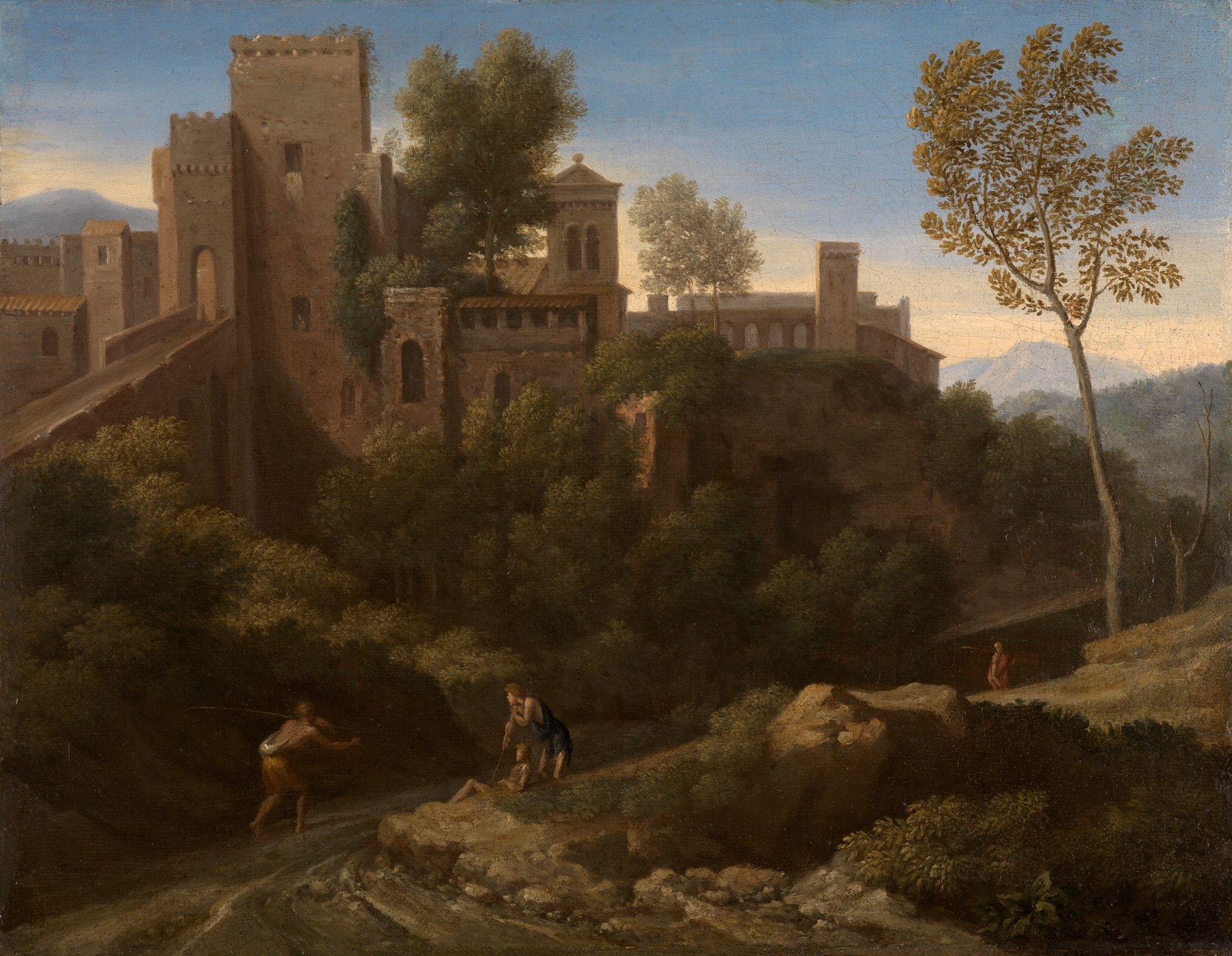
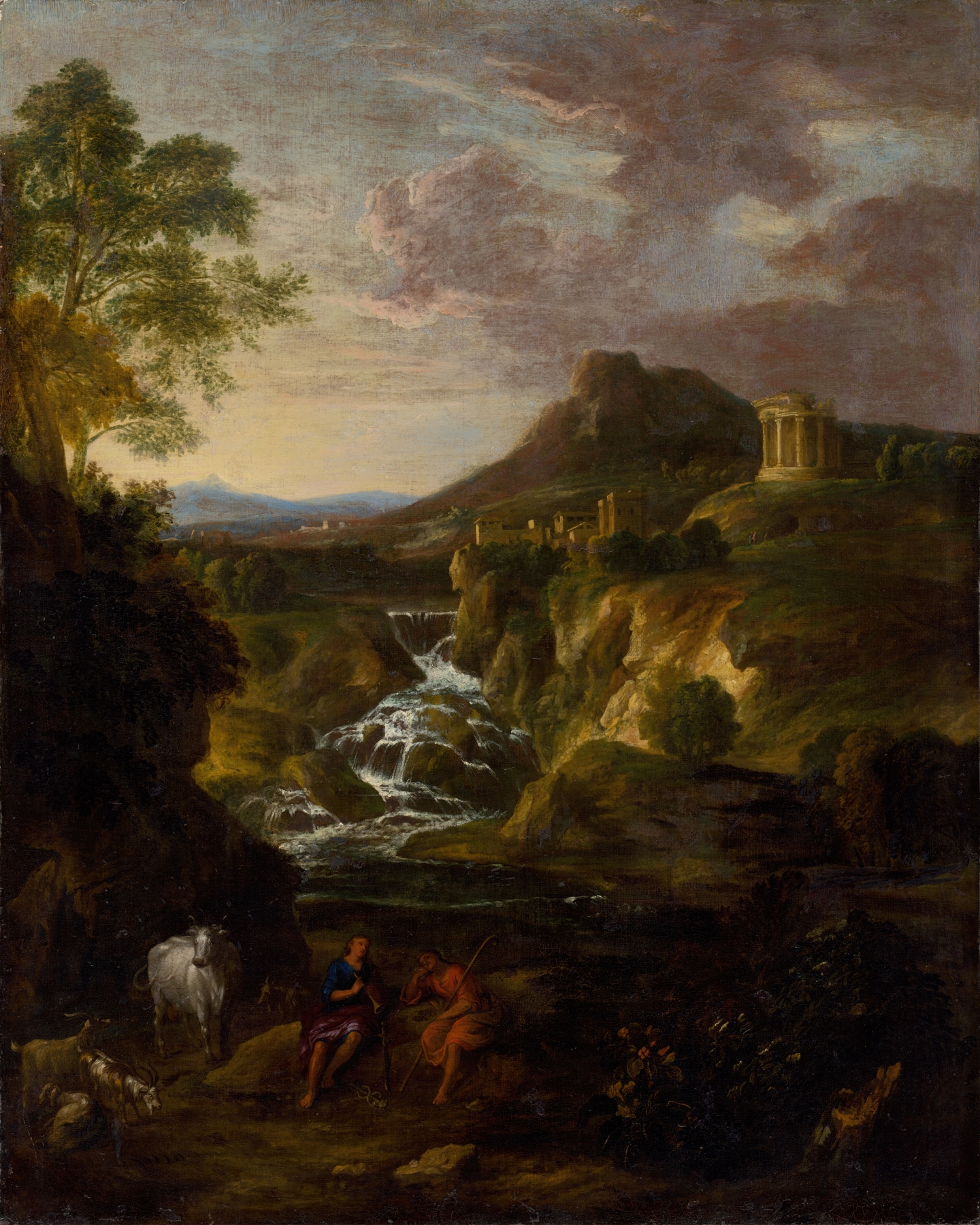
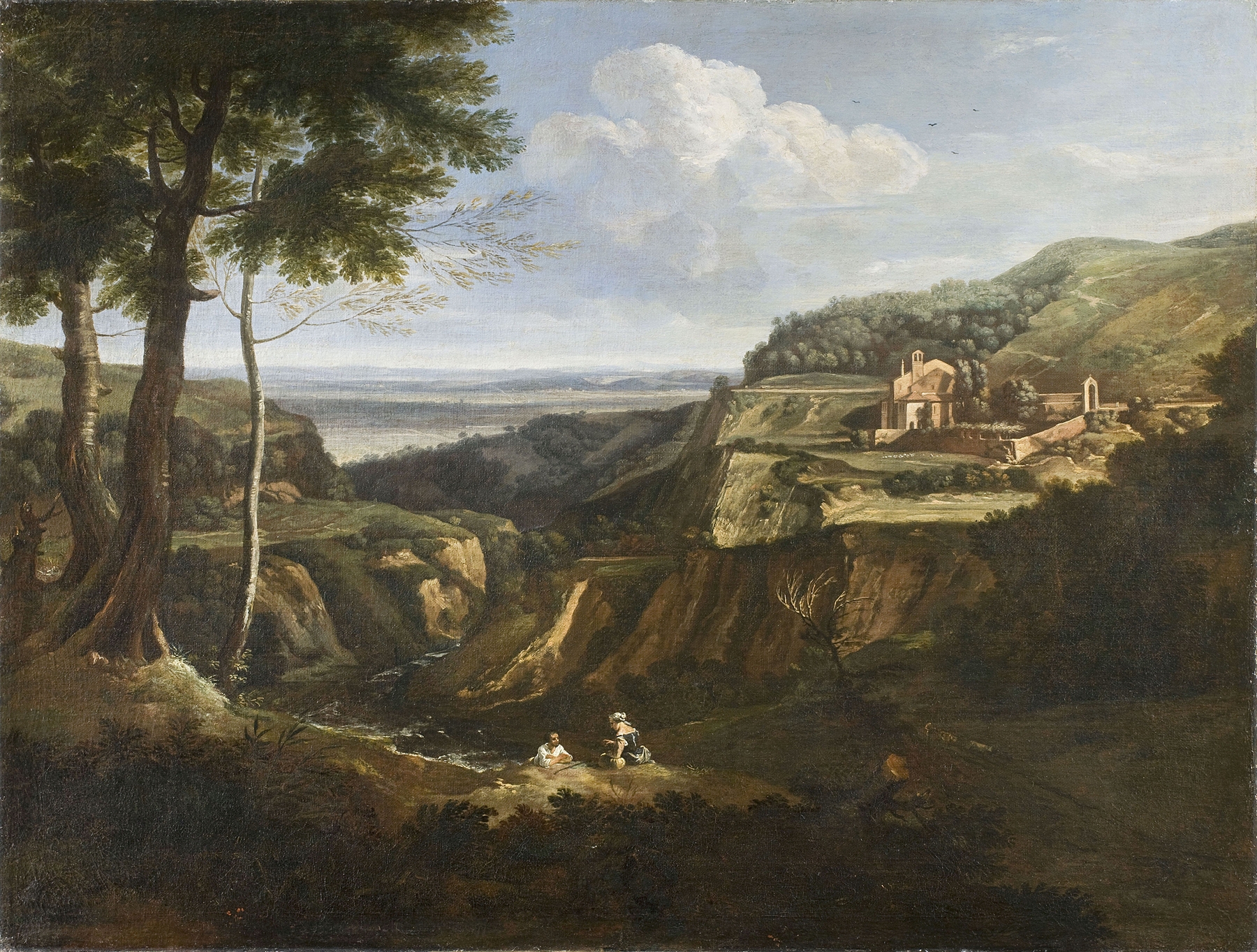
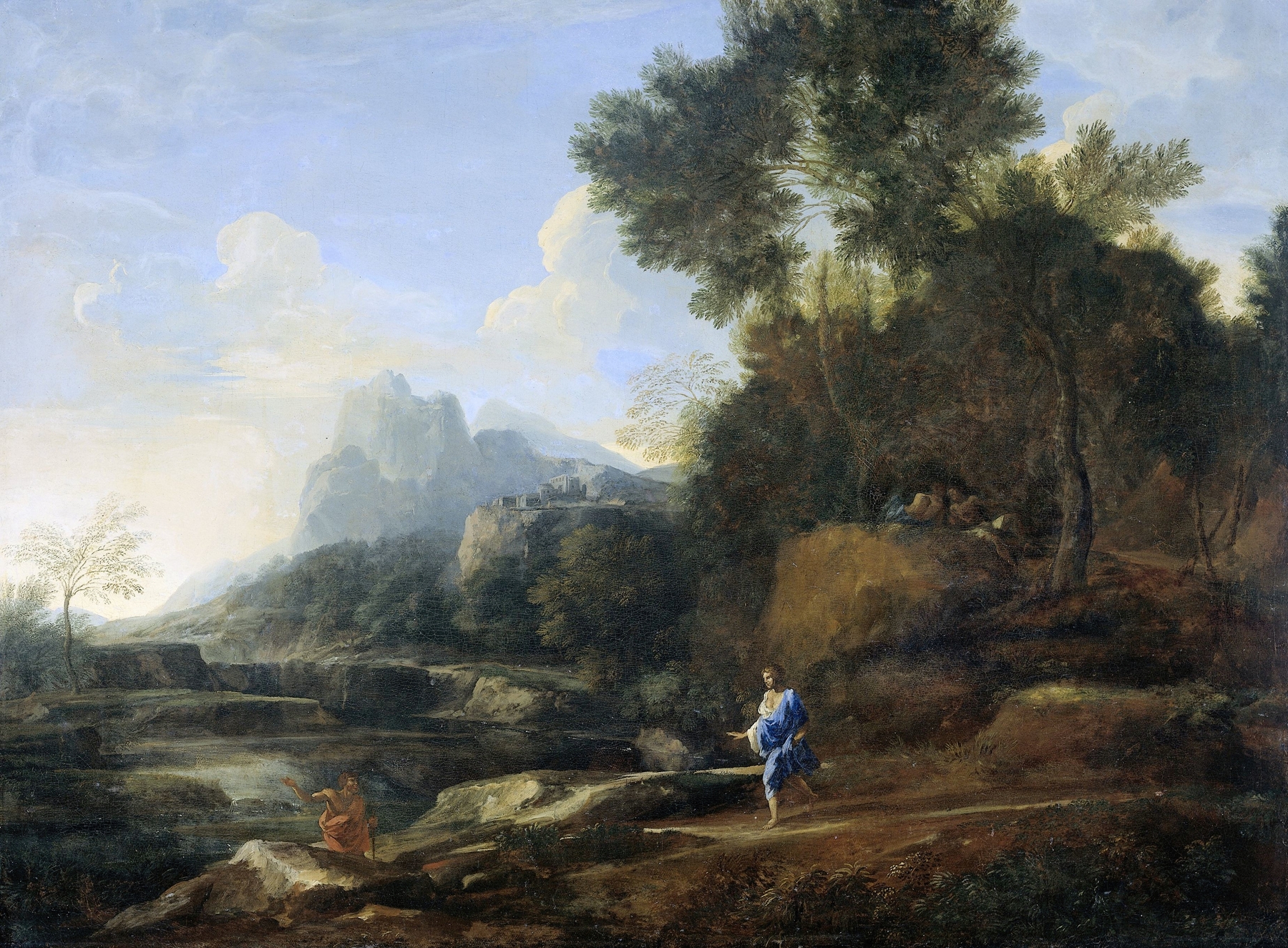
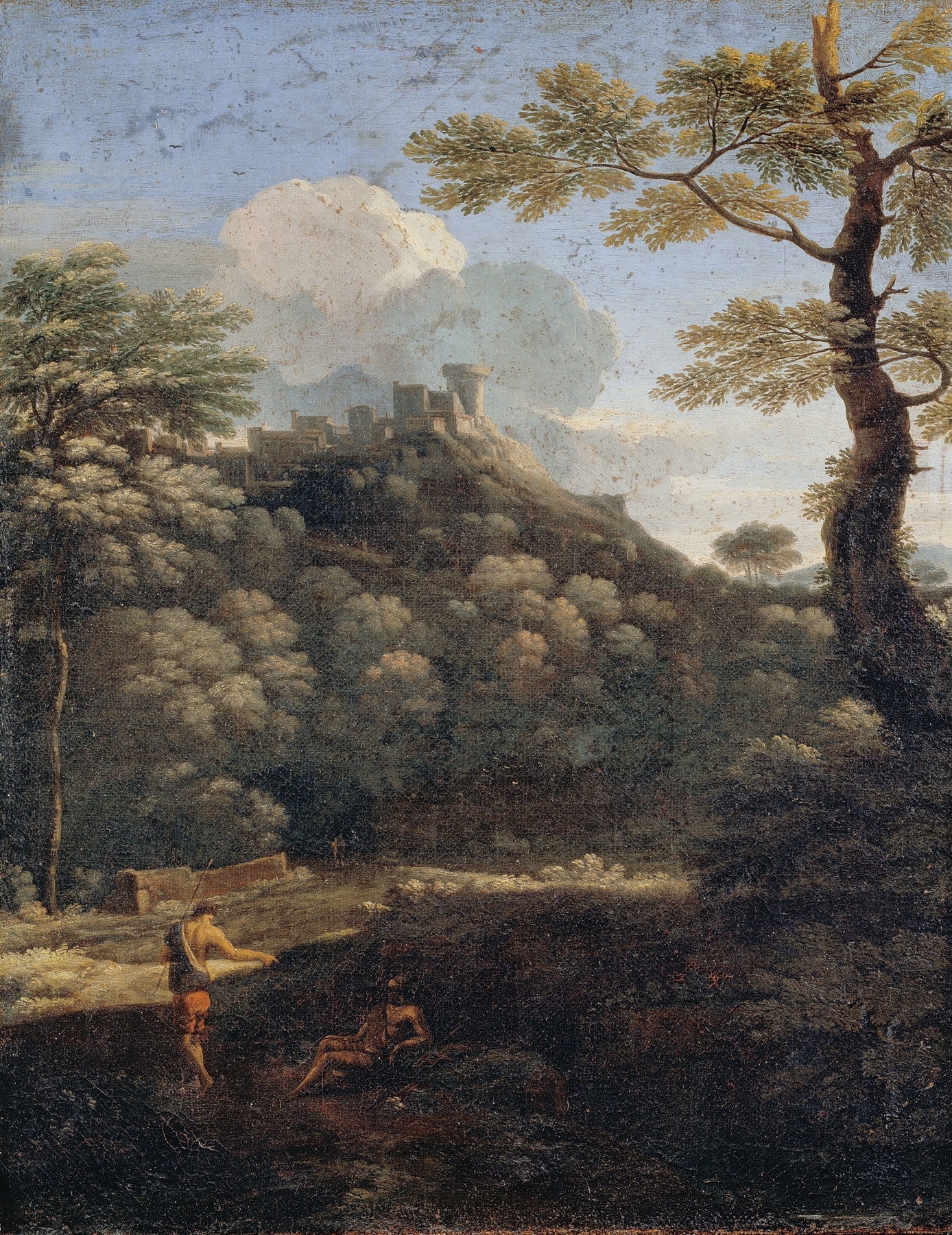
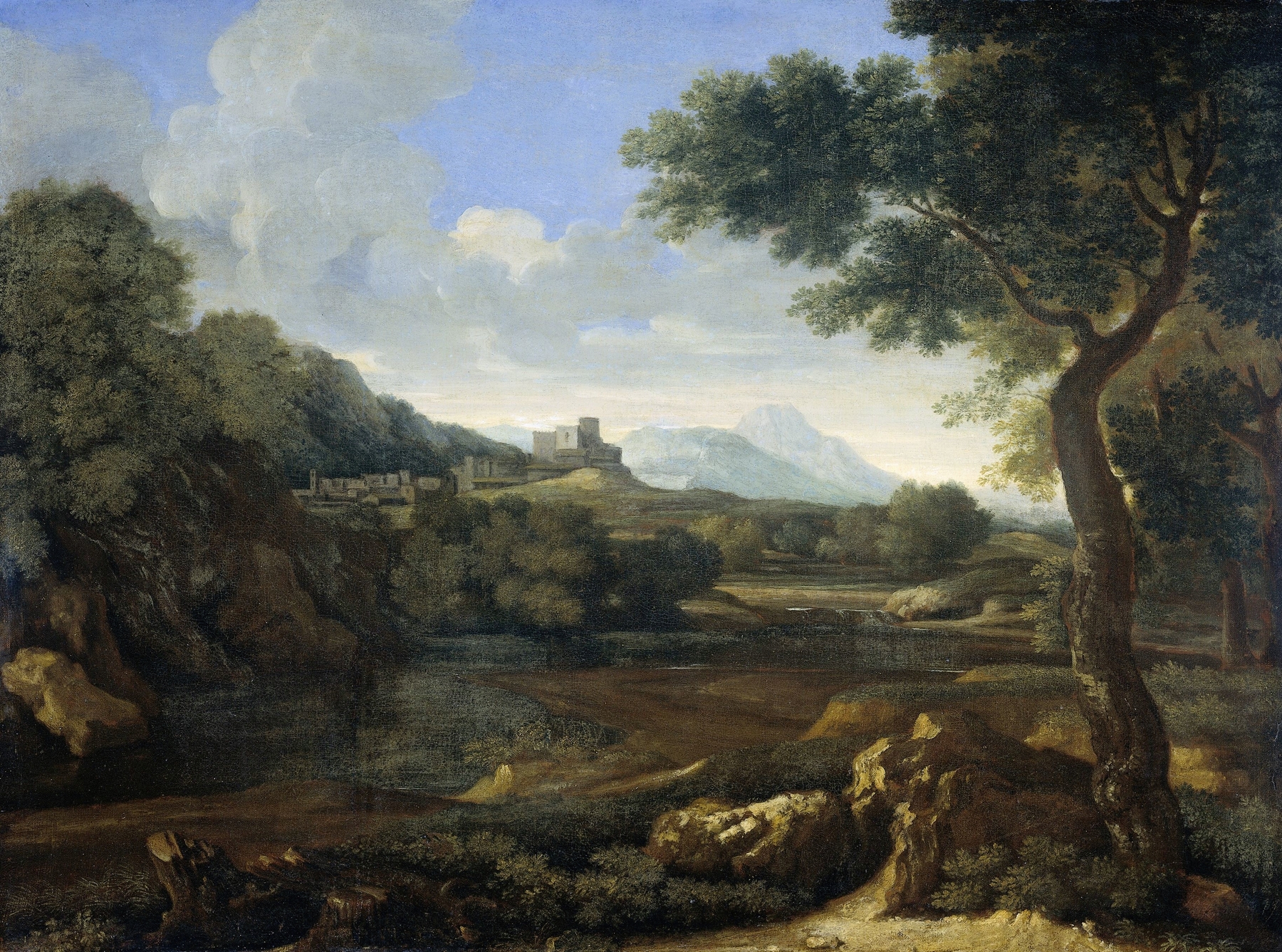
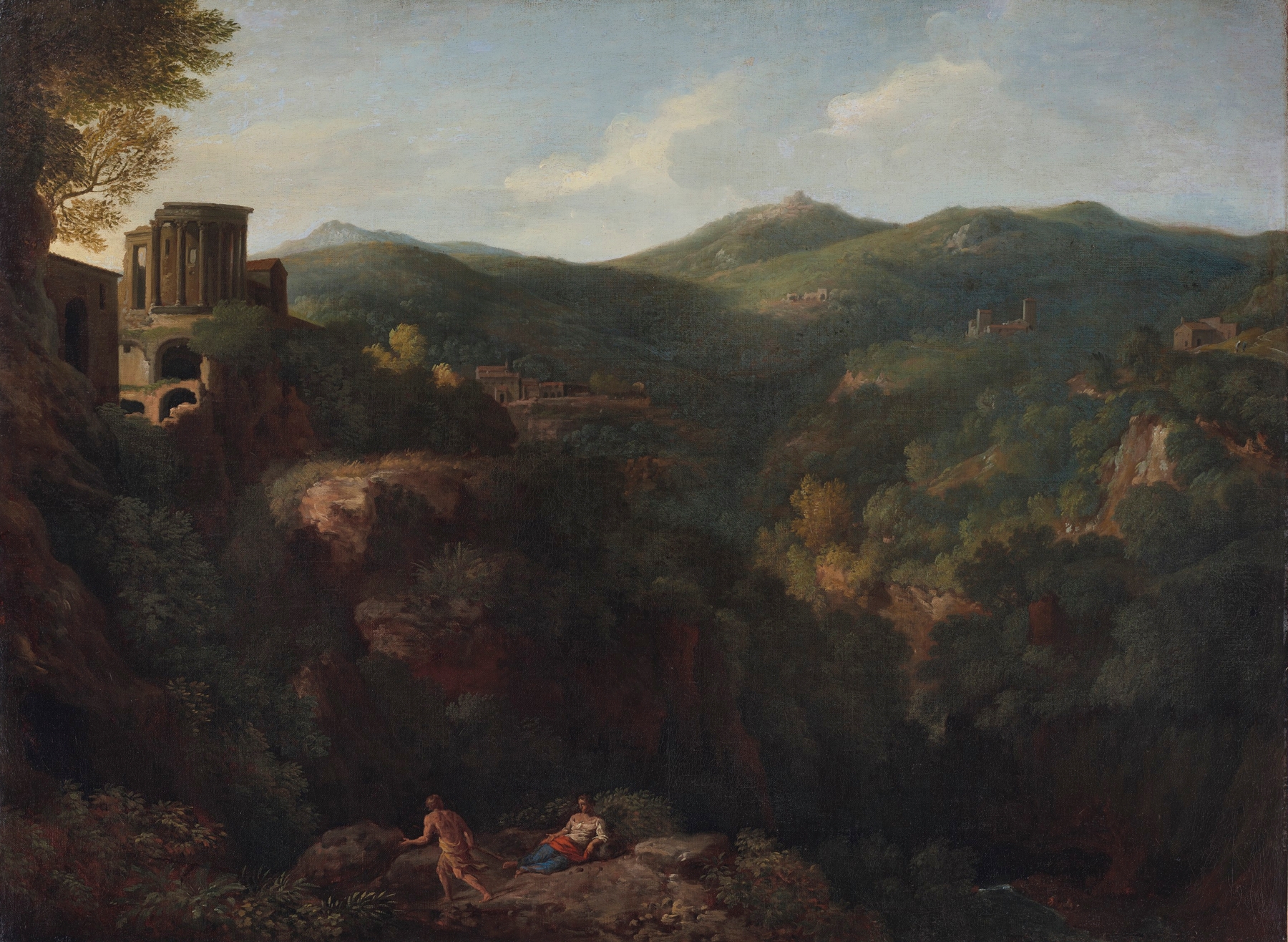
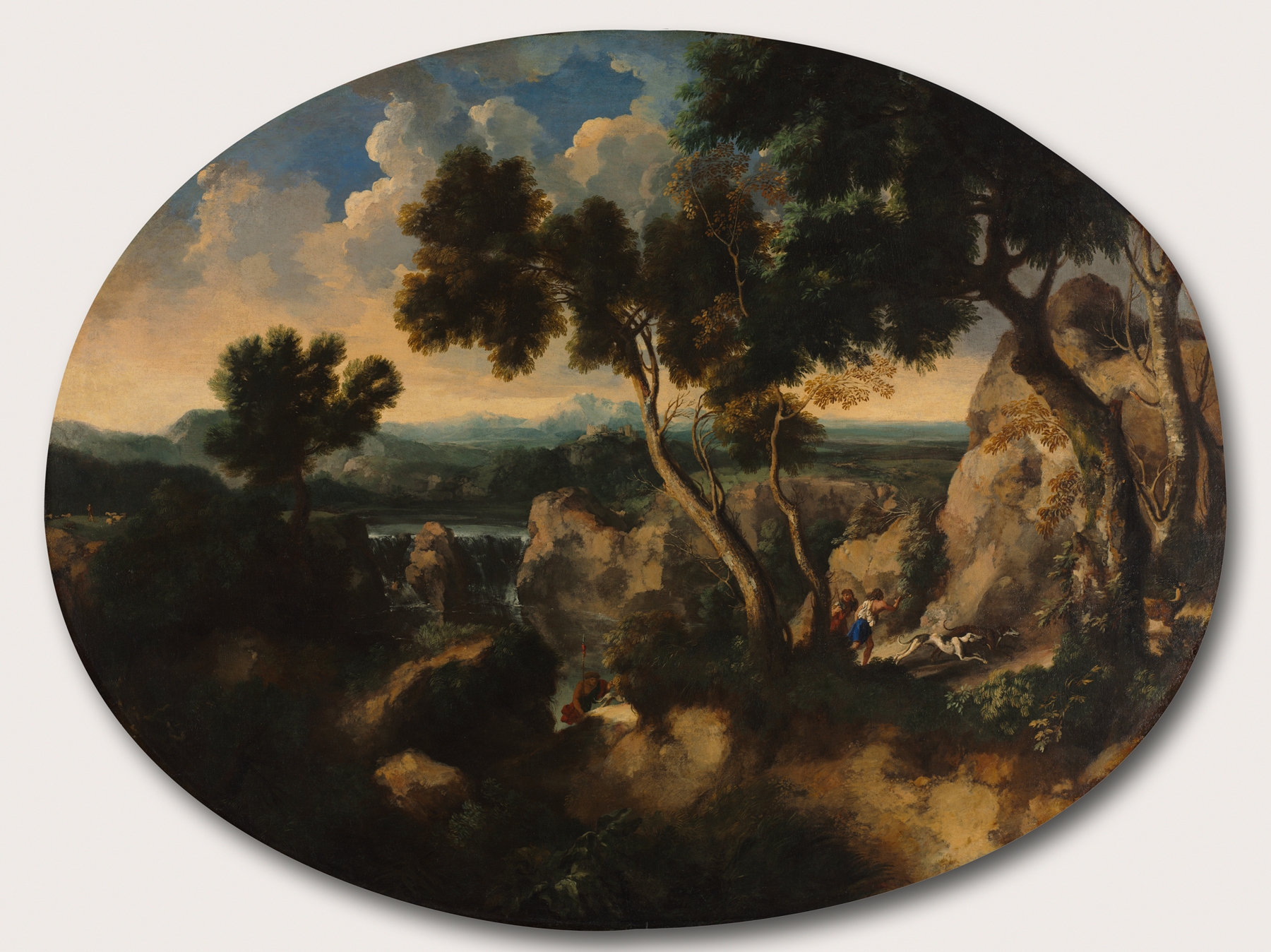
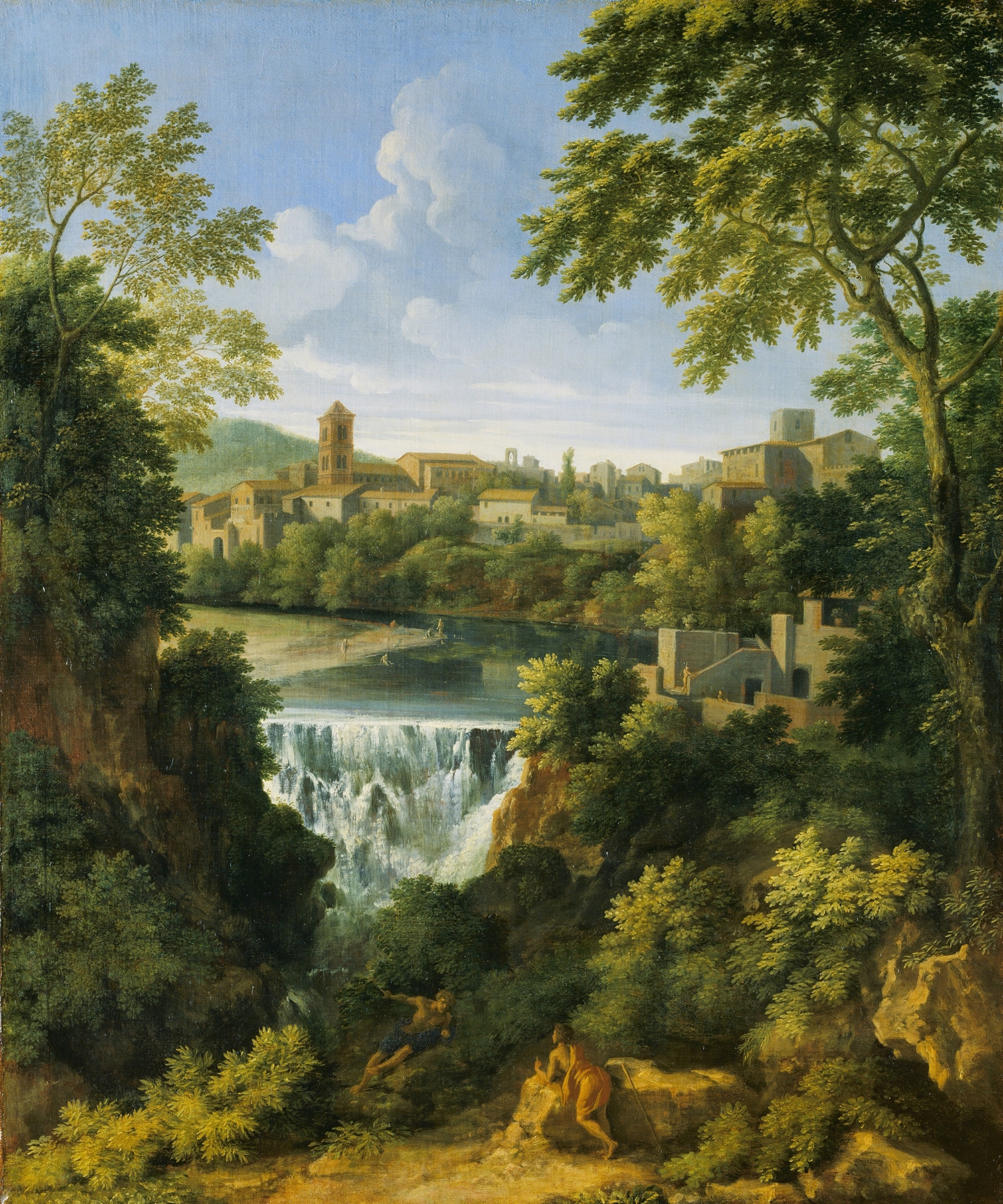
“To paint is to remember what time wants us to forget.” This reflection speaks to the heart of transformation, where fleeting moments crystallize into something eternal. In the delicate brushstrokes of Gaspard Dughet, the landscape transcends mere representation, inviting us to witness the profound beauty of change. Look to the left at the sweeping hills, their gentle undulations captured in soft greens and muted browns, a testament to nature's grace. Notice how the light caresses the landscape, illuminating patches of golden earth and casting long shadows that play with the horizon.
The composition draws the eye towards the distant mountains, layered in atmospheric perspective that creates depth and invites a sense of tranquility. This serene palette and careful arrangement guide the viewer through an idyllic tableau, blending realism with a touch of the sublime. Within the calm lies a deeper narrative; the juxtaposition of light and shadow serves as a metaphor for the passage of time and the inevitability of change. The quiet figures in the foreground, seemingly lost in contemplation, evoke a sense of connection to the land and its history.
Each element, from the rustling trees to the distant ruins, speaks to the remnants of the past and the enduring nature of the world, suggesting that transformation is not only an outward phenomenon but an internal journey as well. Gaspard Dughet painted this work during the mid-17th century, a time of great evolution in European art. As a prominent landscape artist in Rome, he contributed significantly to the development of the genre, influenced by the classical ideals of beauty and harmony. The period was marked by a growing appreciation of nature, and Dughet's ability to capture its nuances reflected both personal and collective shifts in perception, resonating with the world around him.