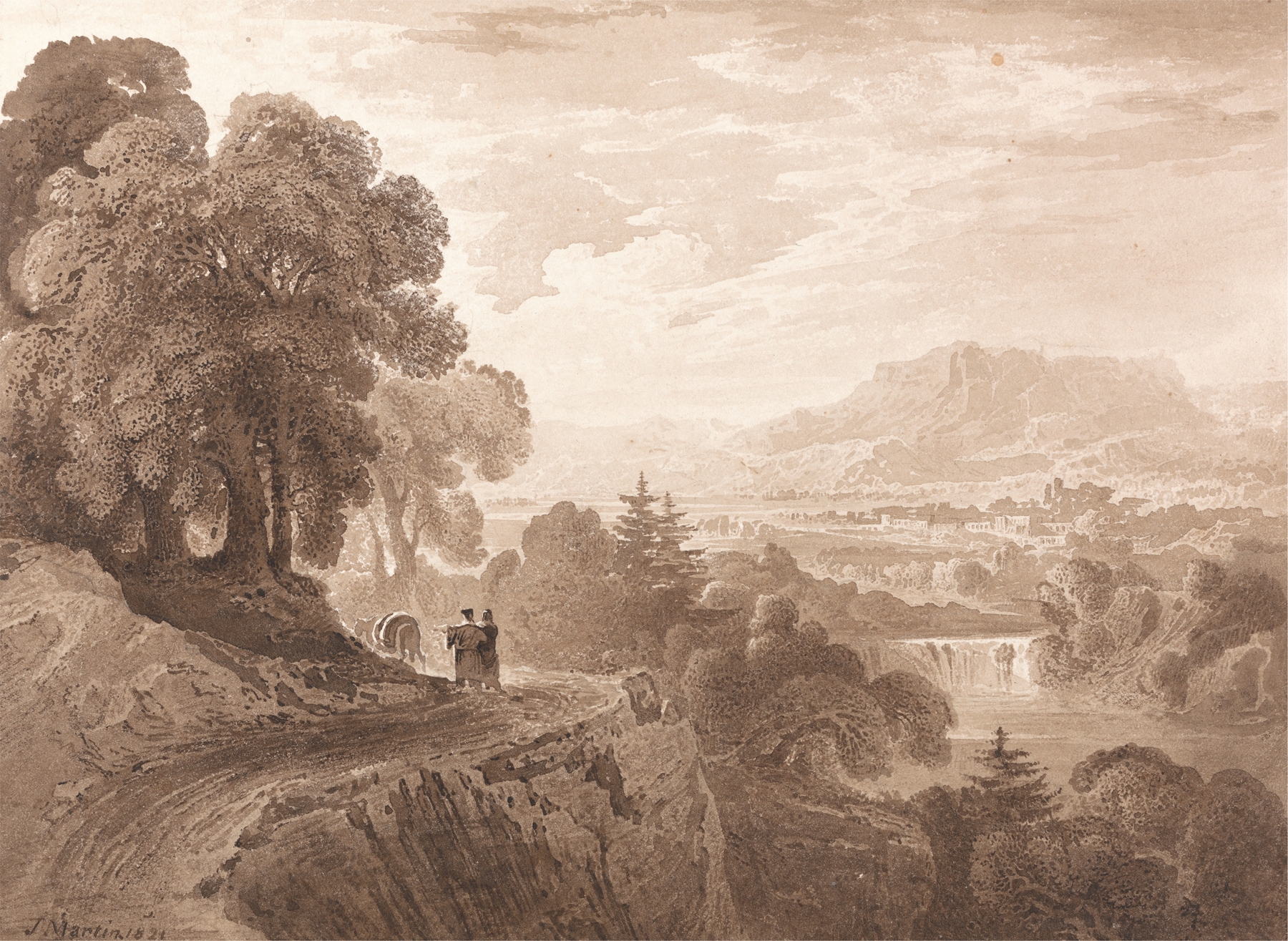
Landscape, Possibly the Isle of Wight or Richmond Hill — History & Analysis
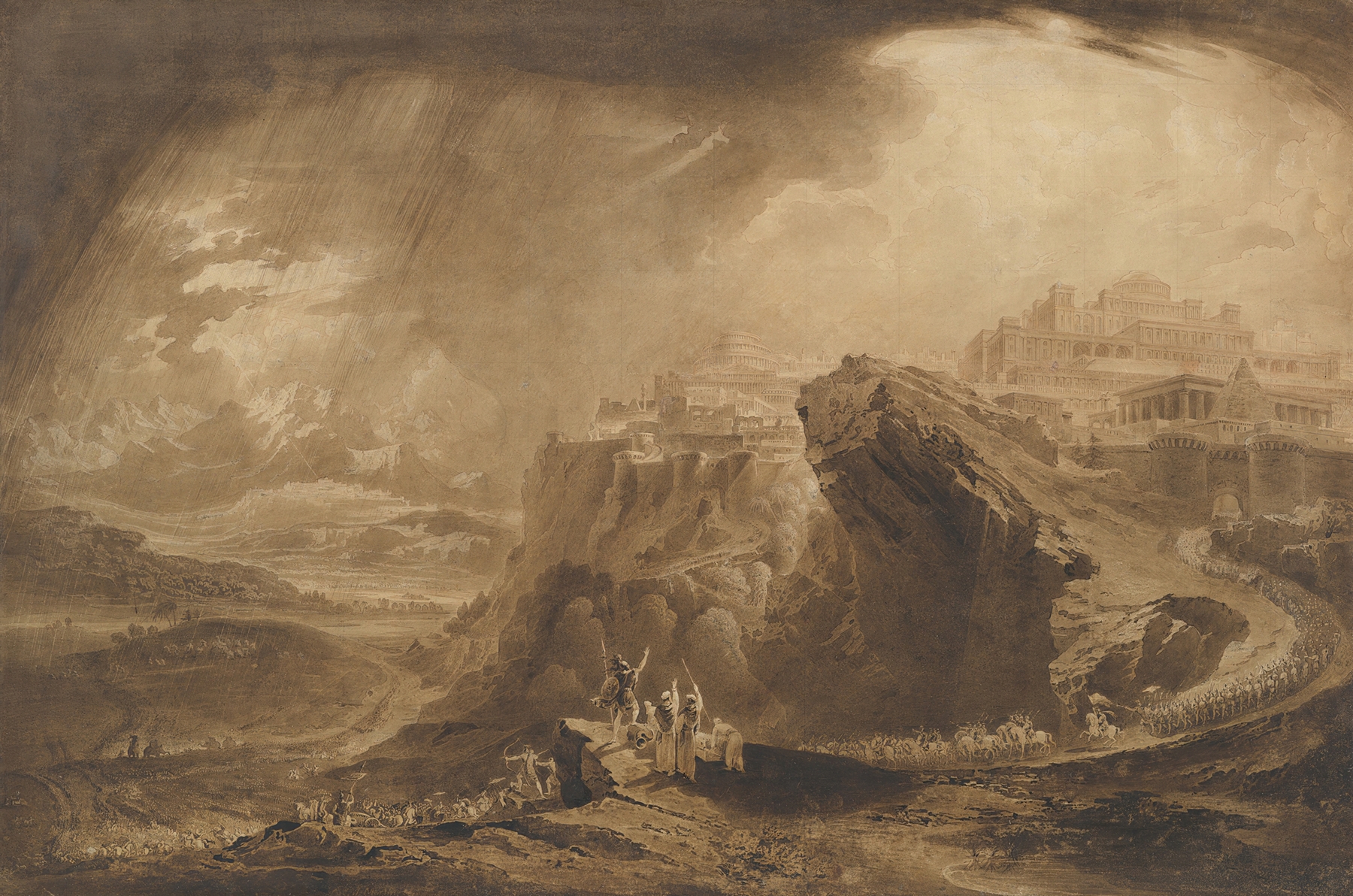
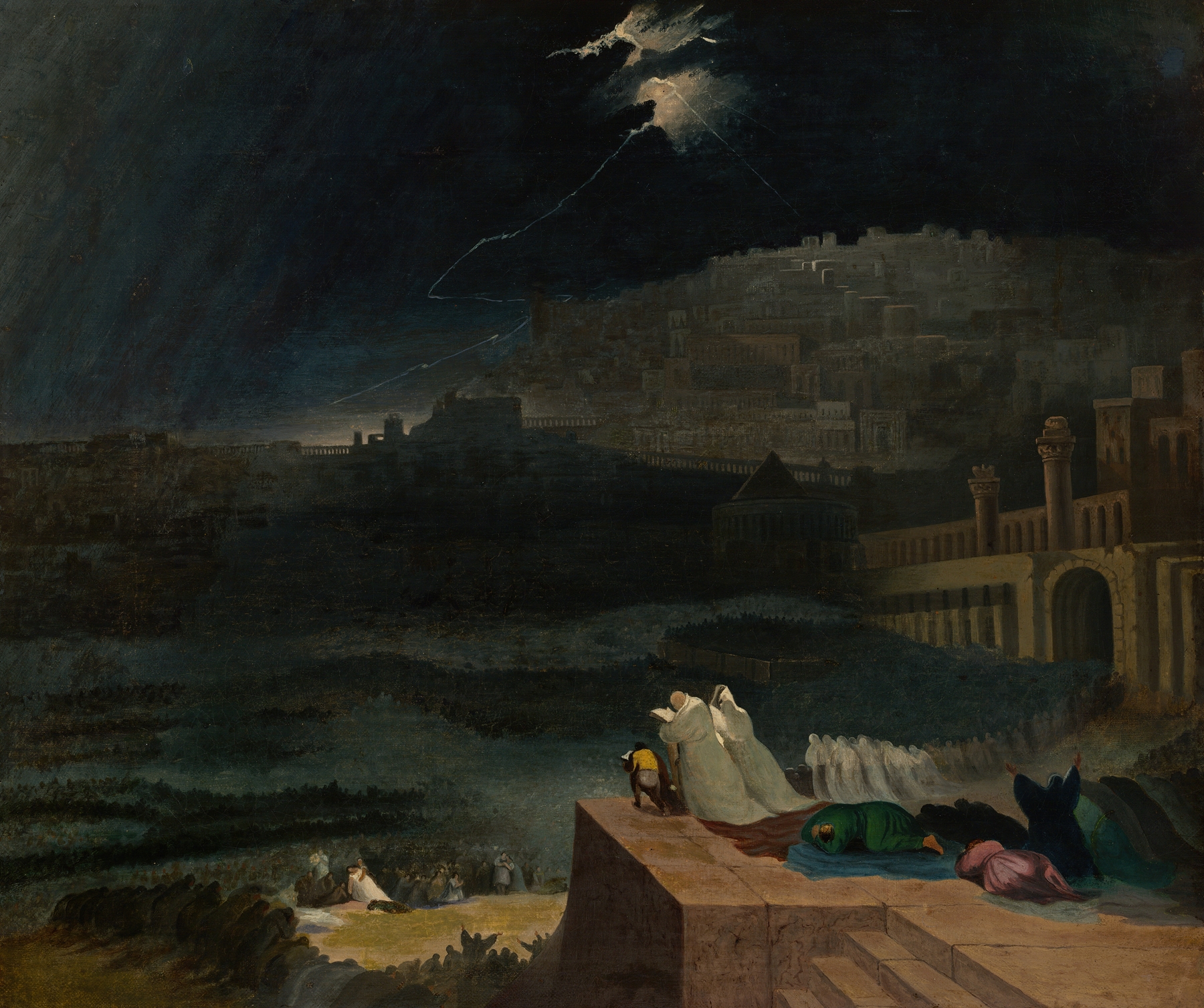
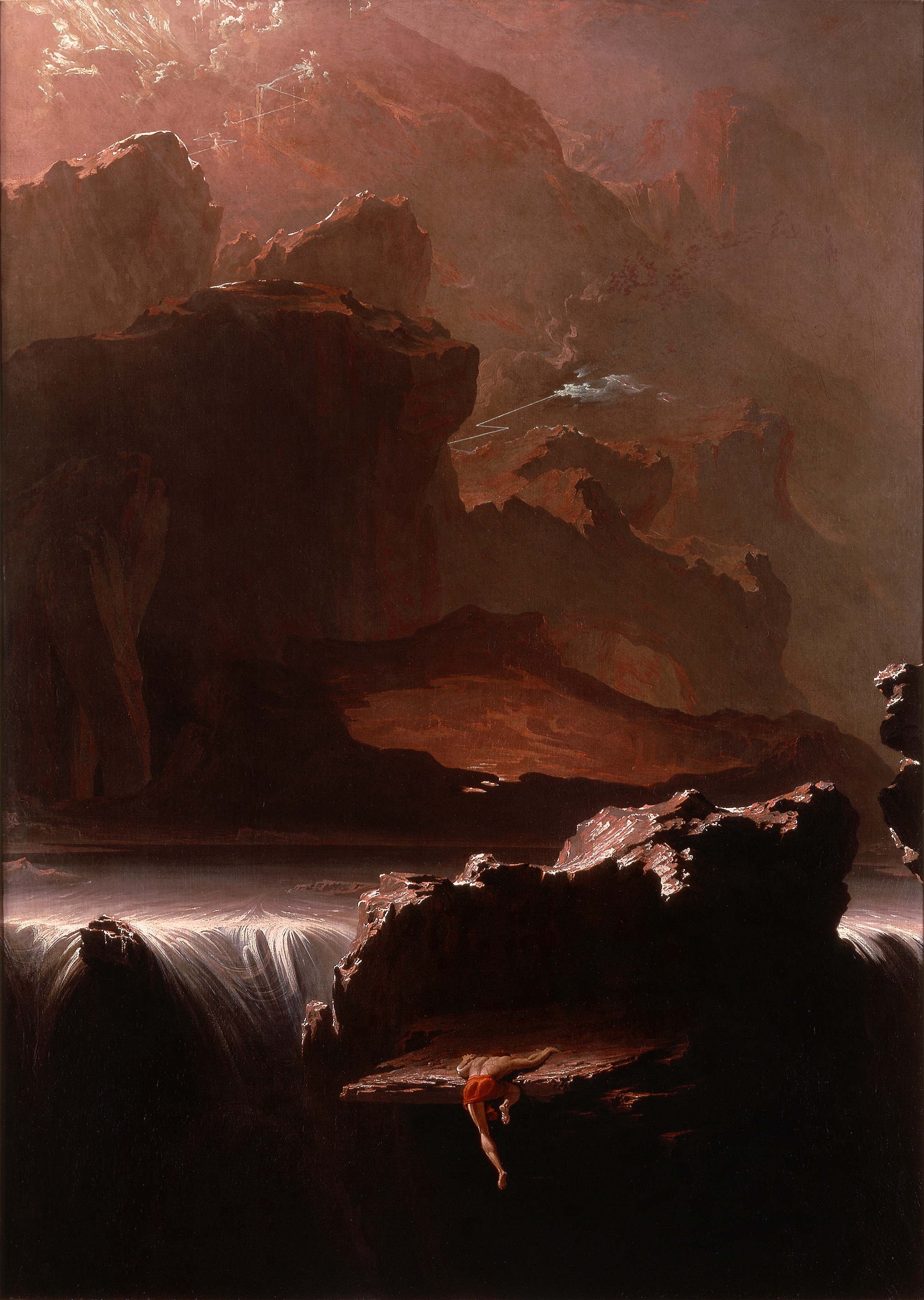
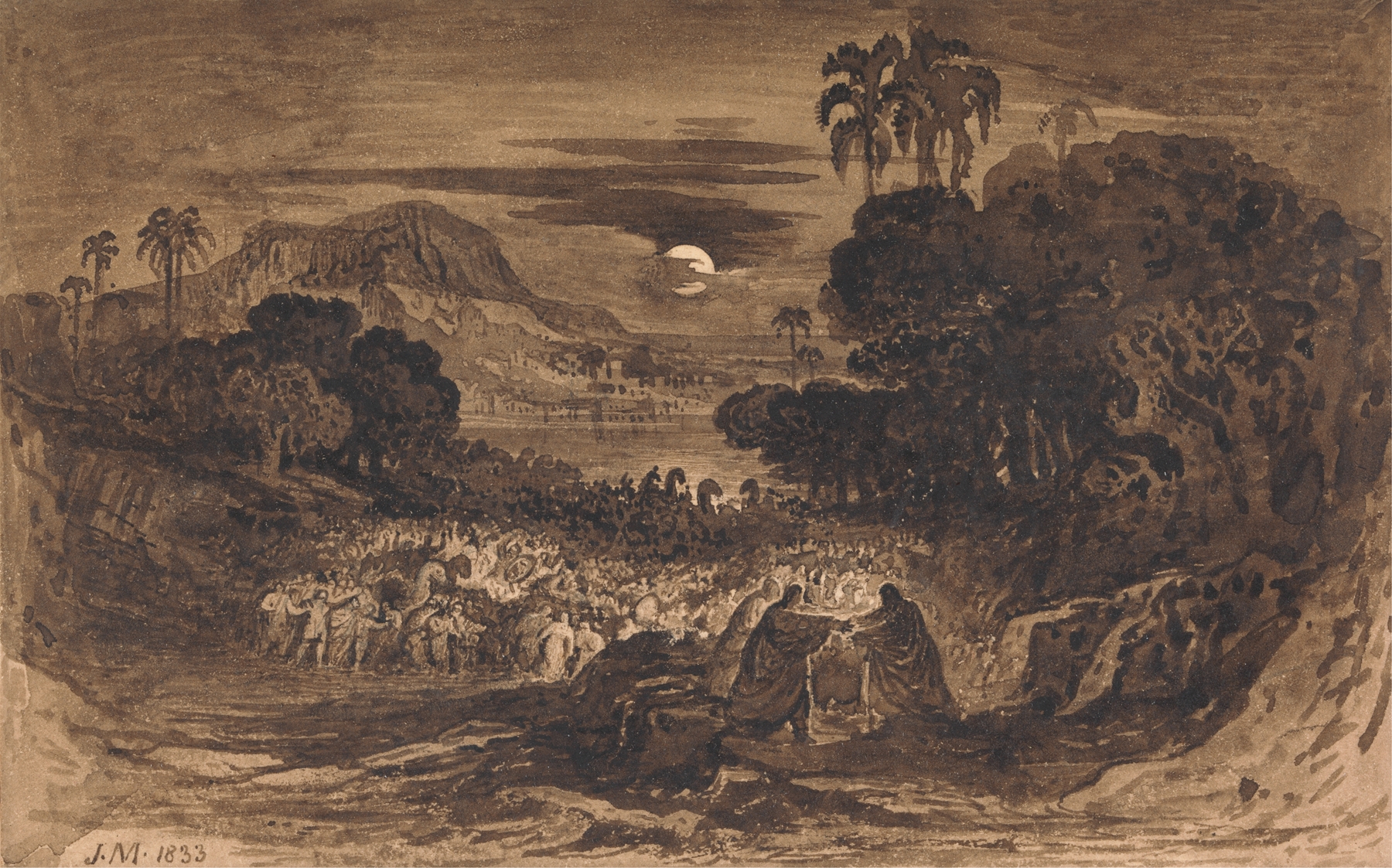
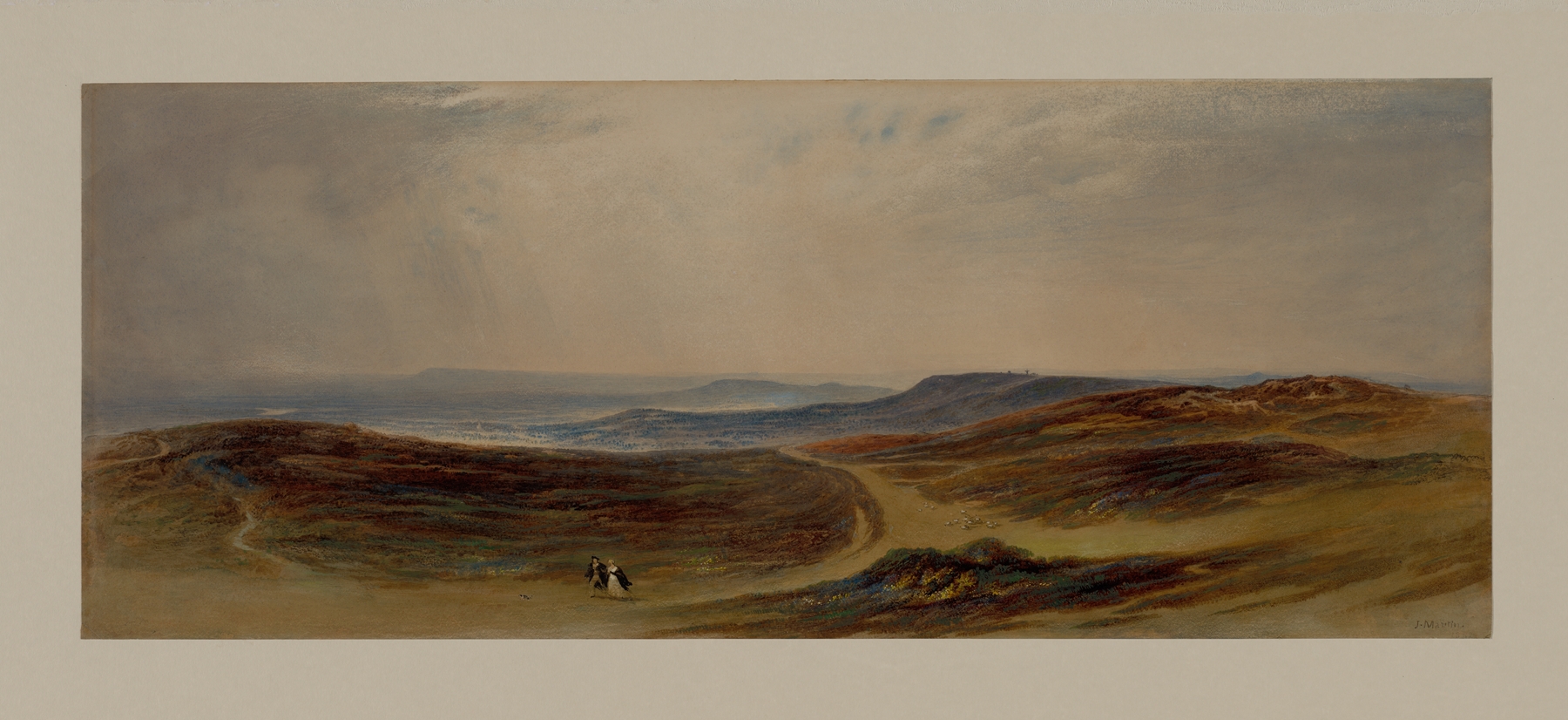
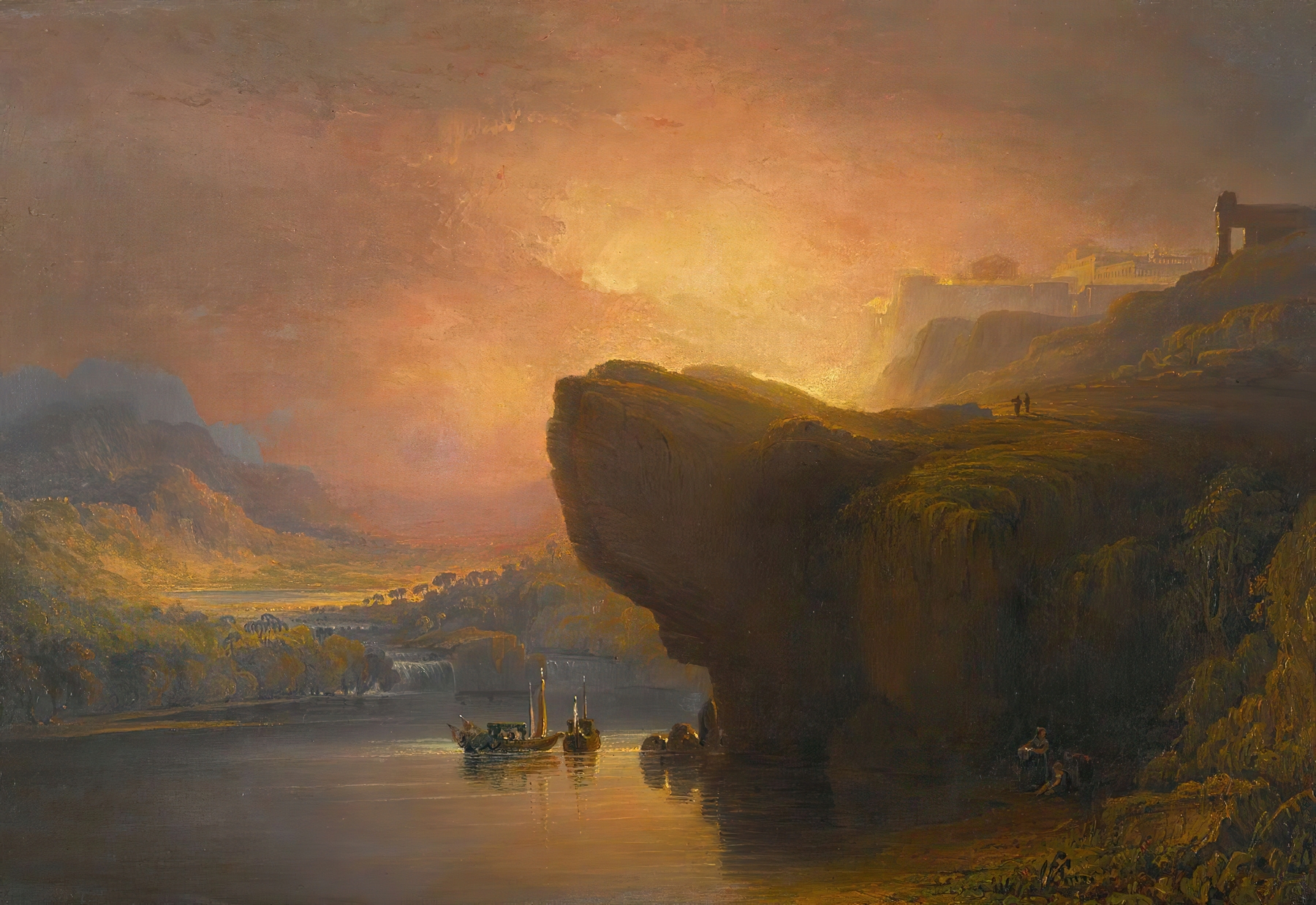
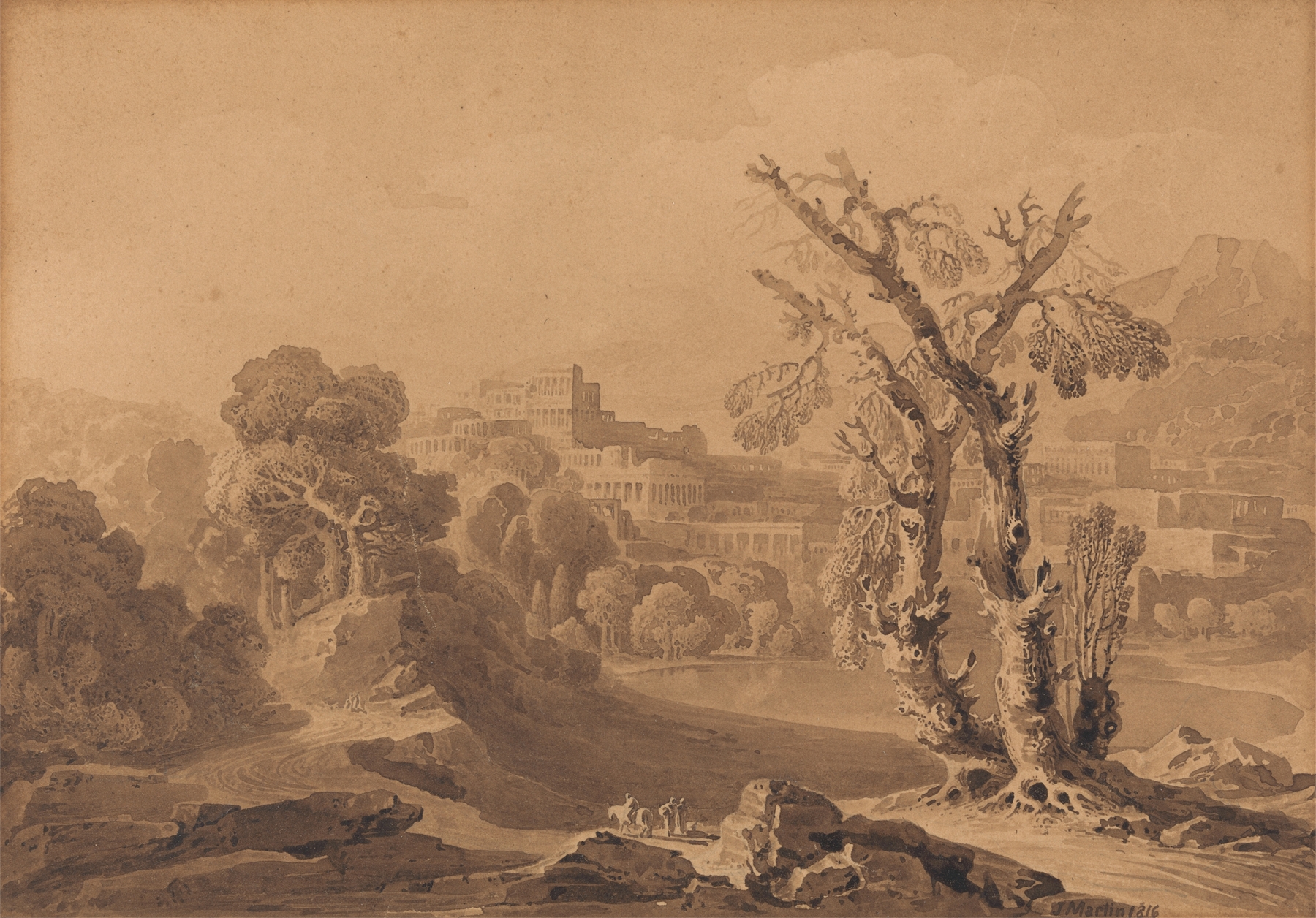
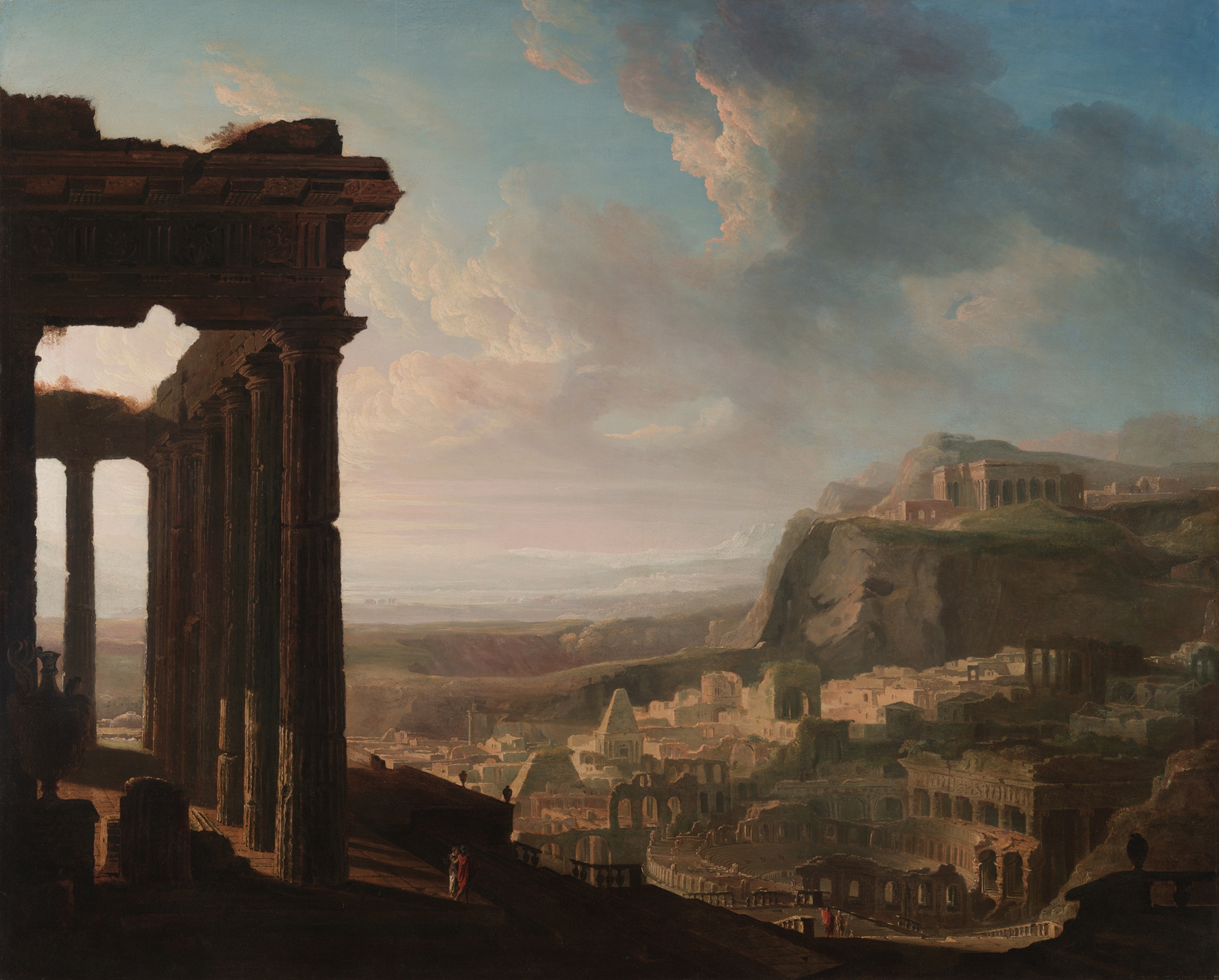
“Under the brush, chaos becomes grace.” In the hands of a master, serenity emerges from the tumult of nature. Look closely at the sweeping horizon, where warm, golden hues blend seamlessly into cooler blues and greens, creating an inviting atmosphere. Notice how the soft light illuminates the landscape, casting gentle shadows that guide your eye towards the rolling hills. The composition draws you in, leading your gaze across the tranquil waters, where reflections shimmer like whispers of a peaceful moment.
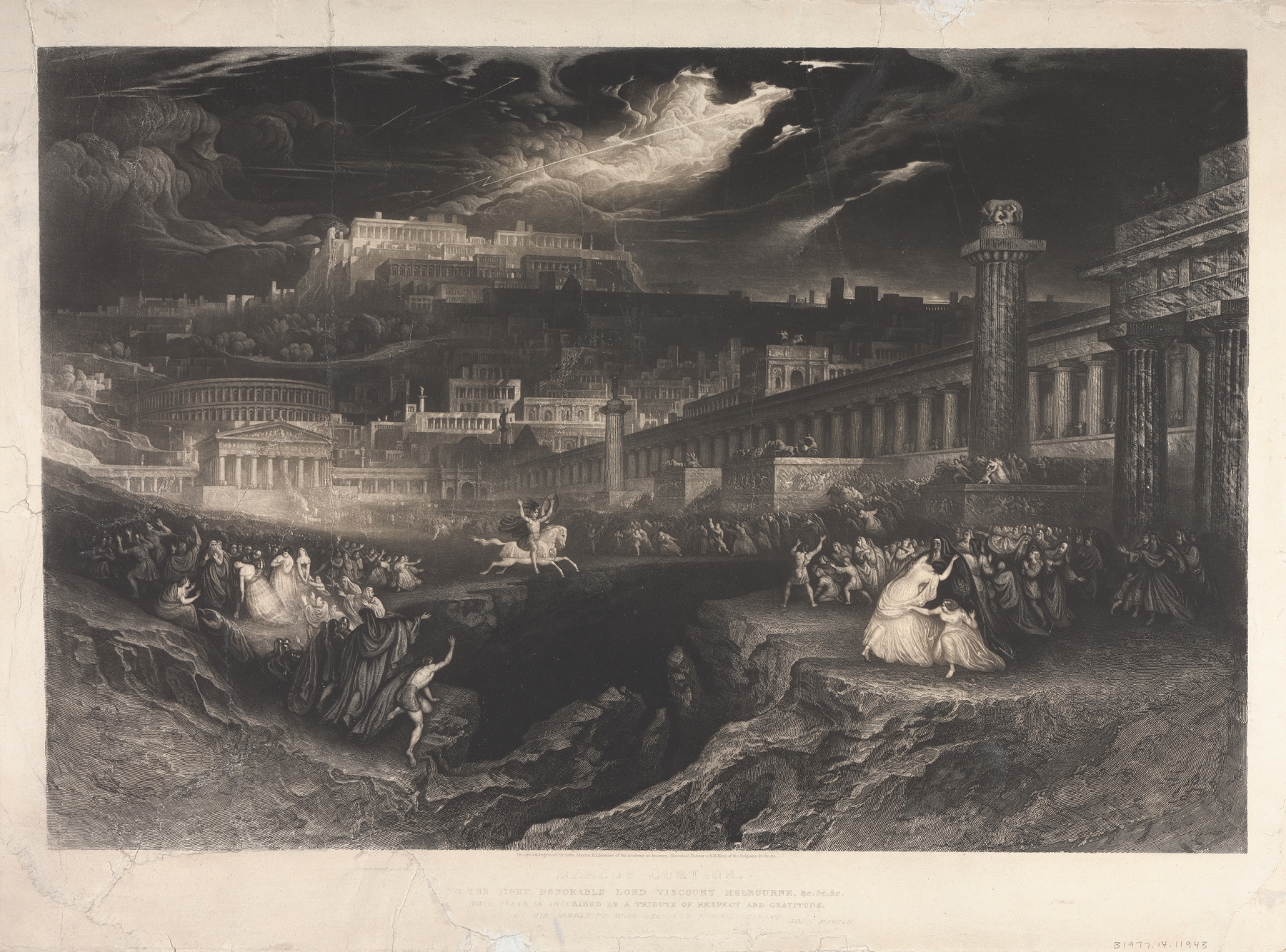
Yet, beneath this calm exterior lies a profound tension; the swirling clouds above hint at a tempest, suggesting nature’s duality of beauty and chaos. There is an interplay of lushness and desolation in the foreground, where vibrant foliage meets barren patches, hinting at the fragility of existence. This duality invites contemplation, urging the viewer to reflect on the balance between serenity and turmoil in life.
John Martin painted this work in 1815 while living in England, a time when Romanticism was reshaping the artistic landscape. He was exploring themes of nature's grandeur, influenced by the changing world around him, marked by industrialization and shifting societal values. In Landscape, Possibly the Isle of Wight or Richmond Hill, Martin captures not just a scene, but a moment of reflective pause amidst the storm of progress.